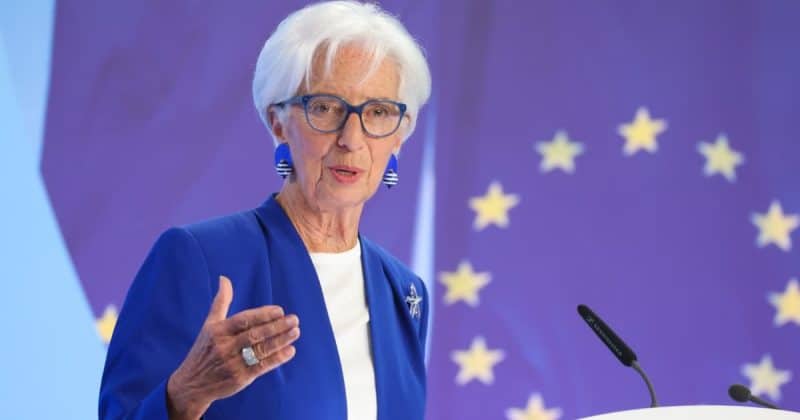
The European Central Bank just made its most consequential monetary policy move since 2023. On June 11, the ECB raised its deposit rate by 25 basis points, ending a nearly three-year stretch without a hike. Five days later, Chief Economist Philip R. Lane took the stage at the inaugural Reuters NEXT Europe 2026 summit in London to explain why.
The short version: energy prices tied to the escalating conflict in the Middle East, particularly involving Iran, are forcing the ECB’s hand. Lane indicated that the bank would likely revise its inflation outlook upward during June 2026, a signal that this rate hike may not be the last.
What happened in London
The Reuters NEXT Europe summit, held on June 16, brought together policymakers and market participants to discuss the economic landscape confronting the continent. Lane’s session focused squarely on traditional economic indicators: inflation dynamics, the growth outlook, and the geopolitical forces reshaping European markets.
Lane had previously warned in interviews that energy shocks stemming from the Iran situation could have longer-lasting effects on price stability than markets were pricing in. That framing set the tone for his London appearance, where the discussion centered on how sustained energy cost pressures are bleeding into broader inflation metrics across the eurozone.