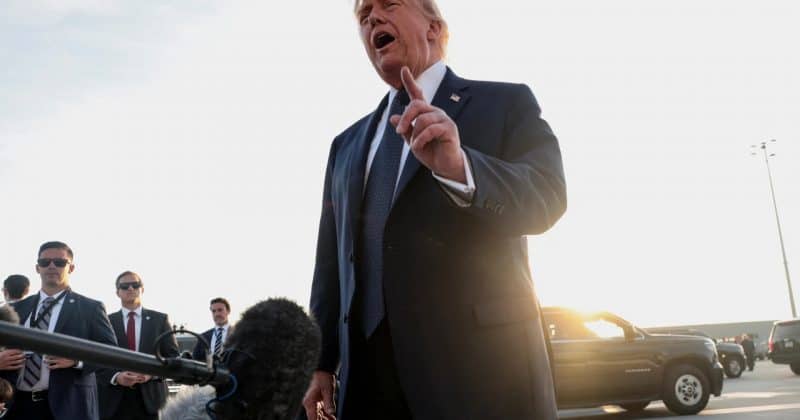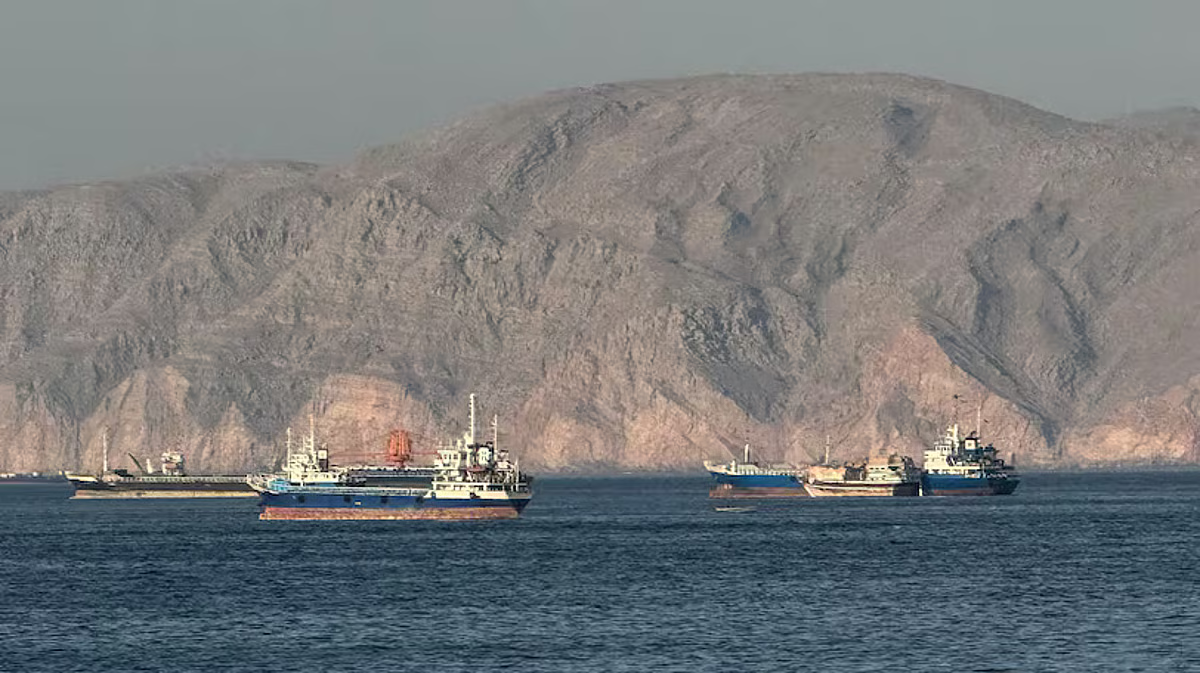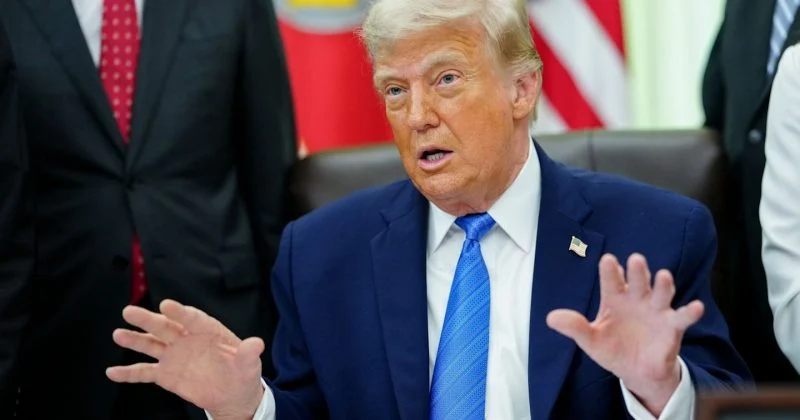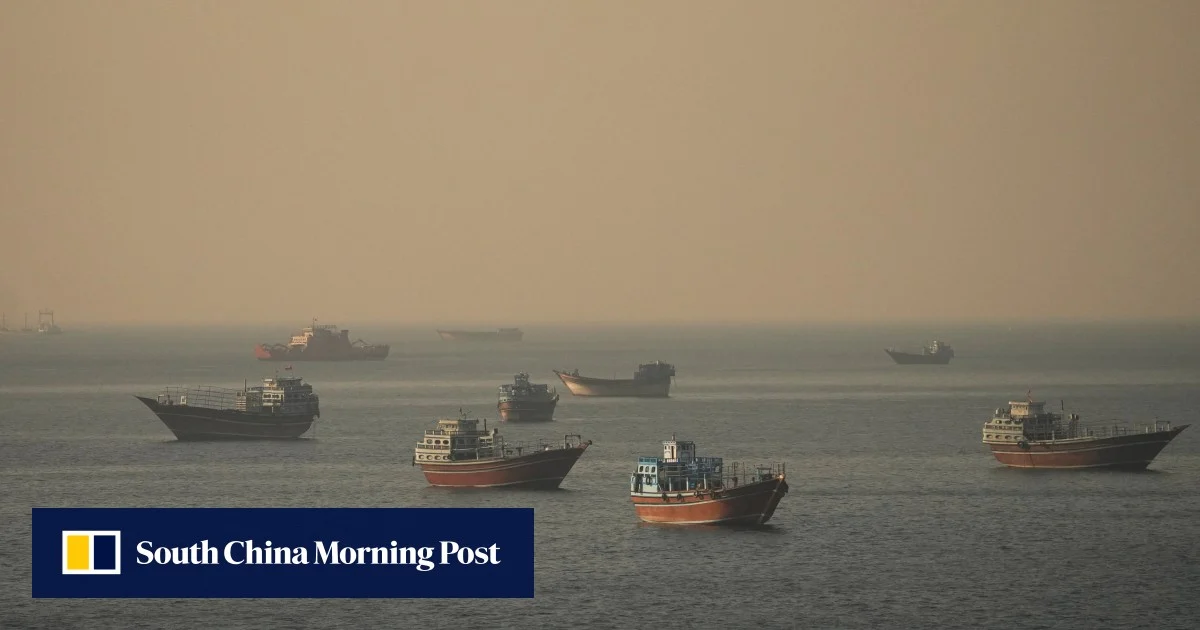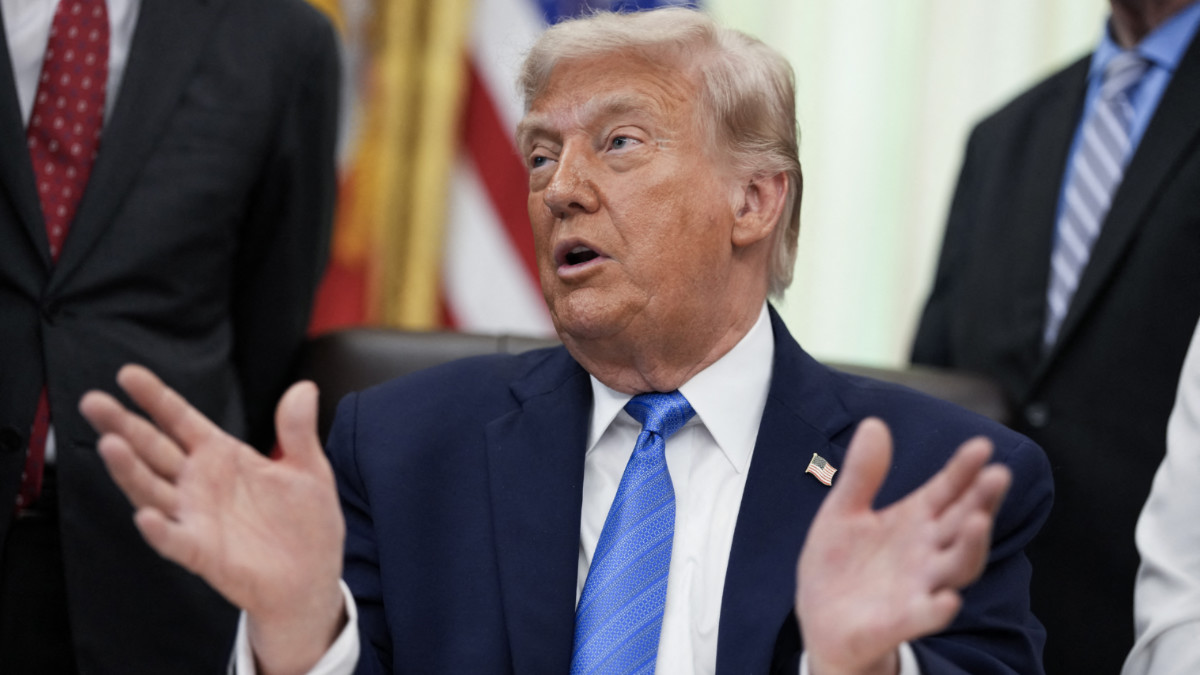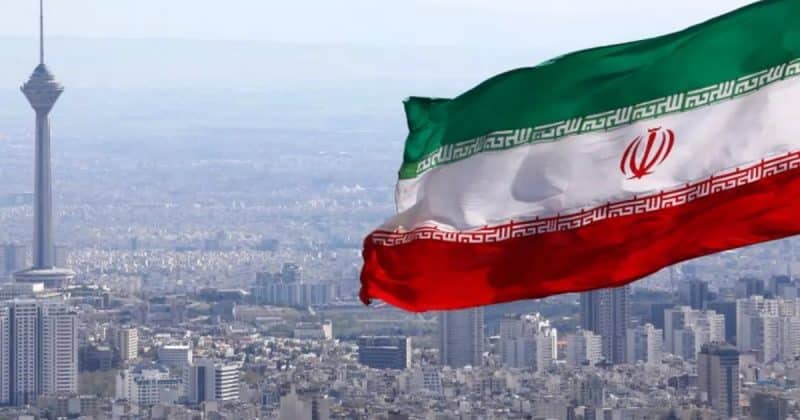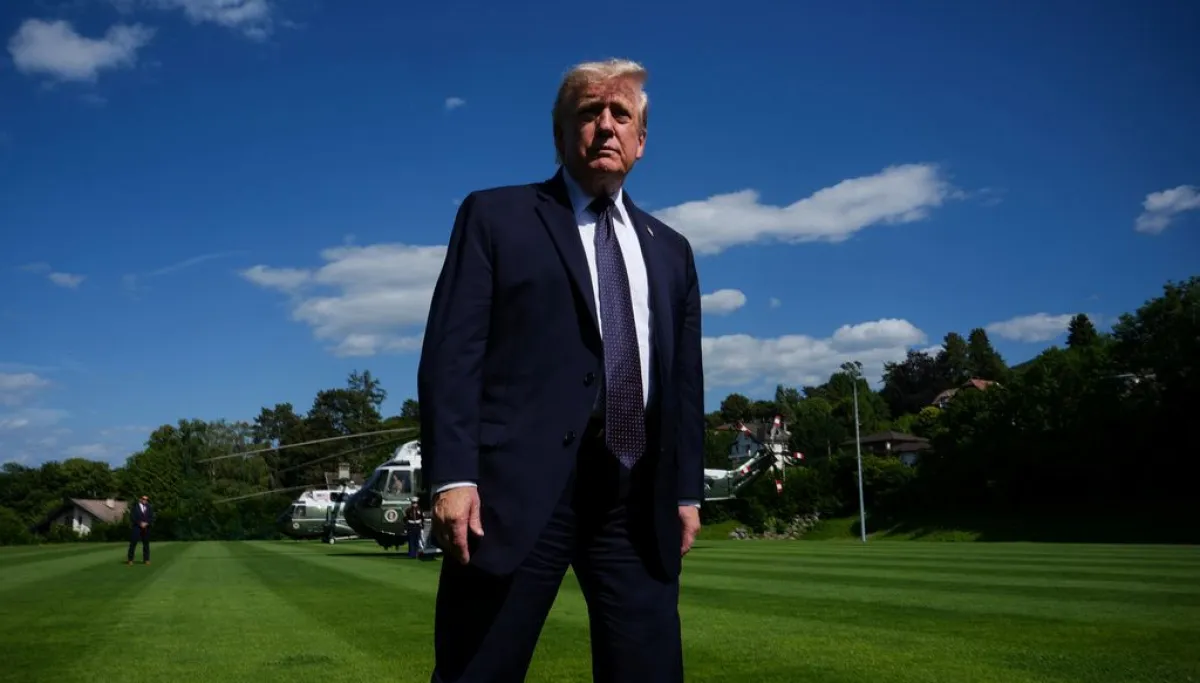
The United States and Iran have reached an agreement. While the deal is set to take effect on Friday, we still do not know its full details. What we do know is that the U.S. is lifting its naval blockade on Iranian ports and that the Strait of Hormuz will reopen. Vice President JD Vance announced that the full text of the agreement will be released this week and confirmed on CBS that a $300 billion reconstruction fund is part of the deal. The Iranian side has made a similar claim.As we wait to see the full text, if the $300 billion figure is accurate, this could become one of the most disastrous agreements in U.S. history. During the Obama administration, under the Joint Comprehensive Plan of Action, the Islamic Republic gained access to roughly $50 billion to $55 billion of its previously frozen assets. The U.S. also separately transferred $1.7 billion to Iran as part of a legal settlement with the Iran-United States Claims Tribunal. In January 2016, the Obama administration sent a plane loaded with cash — the first of three such shipments.While War Secretary Pete Hegseth insists this new deal differs from the JCPOA, former President Barack Obama has suggested it may not be significantly different from the agreement his administration negotiated. Israel, America’s main ally in the Middle East, has reacted very differently. News of an initial U.S.-Iran accord triggered a fierce, cross-partisan backlash in Israel. Deeming the agreement a national disaster, both citizens and politicians have directed their frustration toward Prime Minister Benjamin Netanyahu.
Trump's Iran deal: $300 billion for a regime we can’t trust
While the full terms of the agreement remain unclear, the U.S. should approach this deal with caution grounded in experience, not optimism.
573 words~3 min read