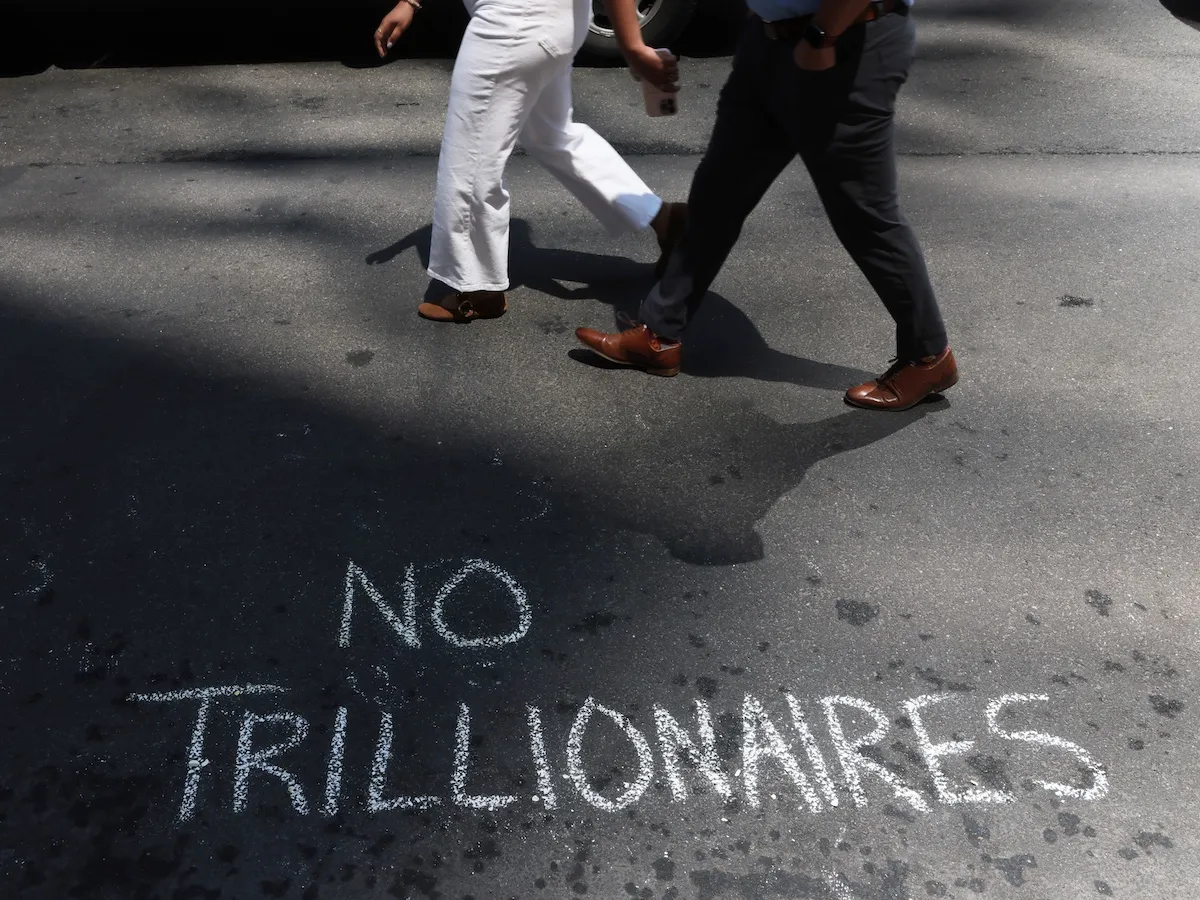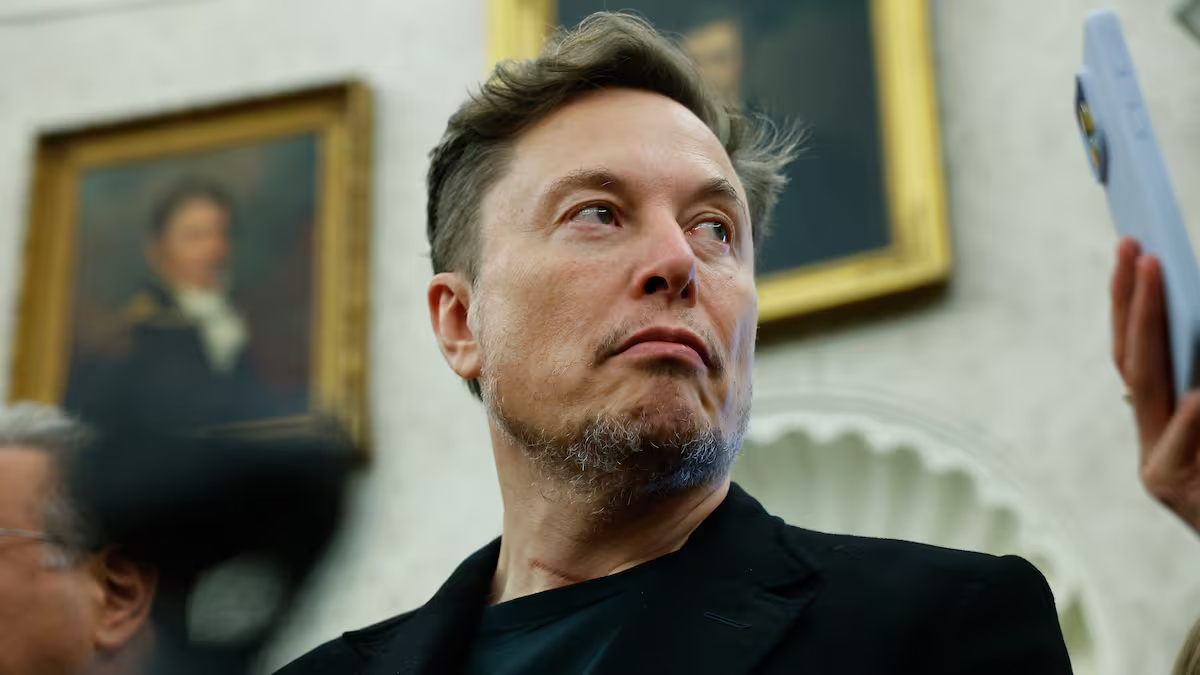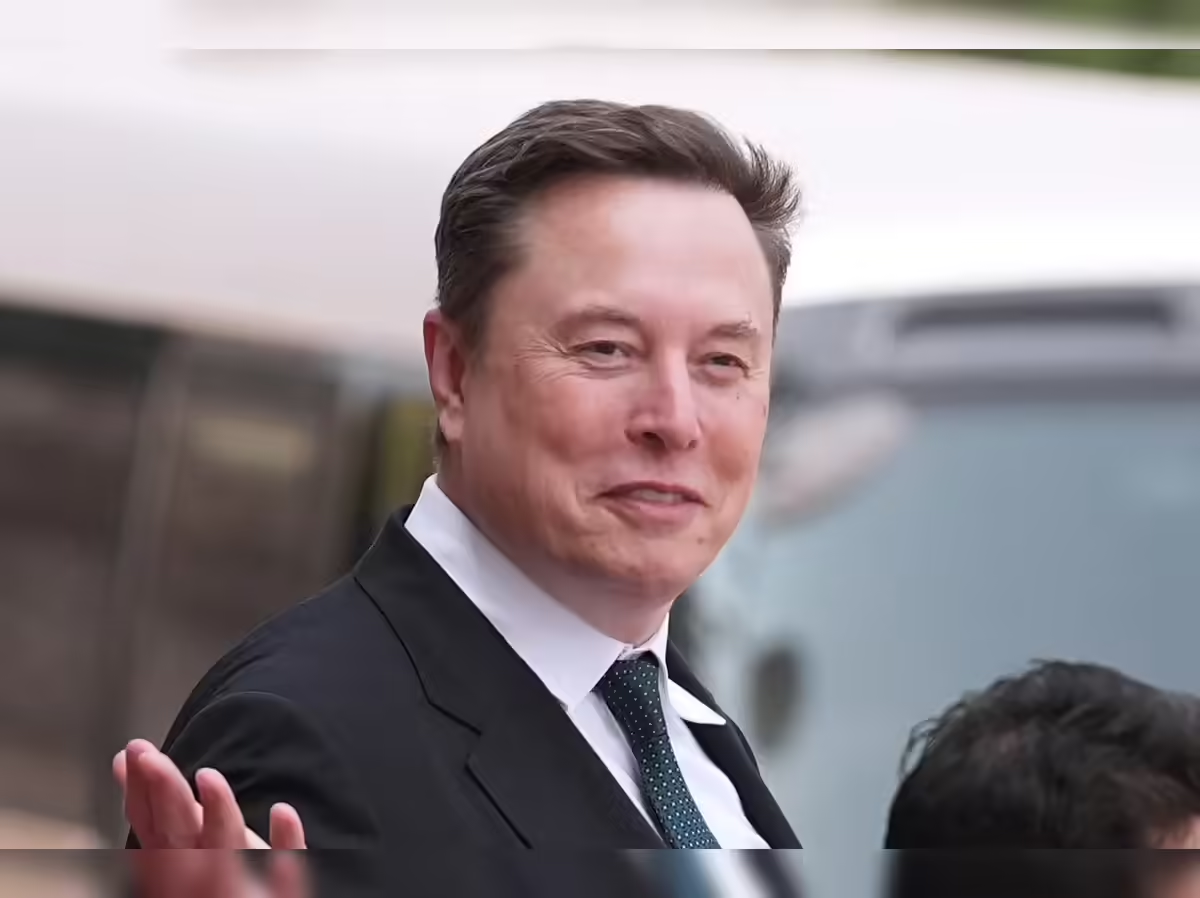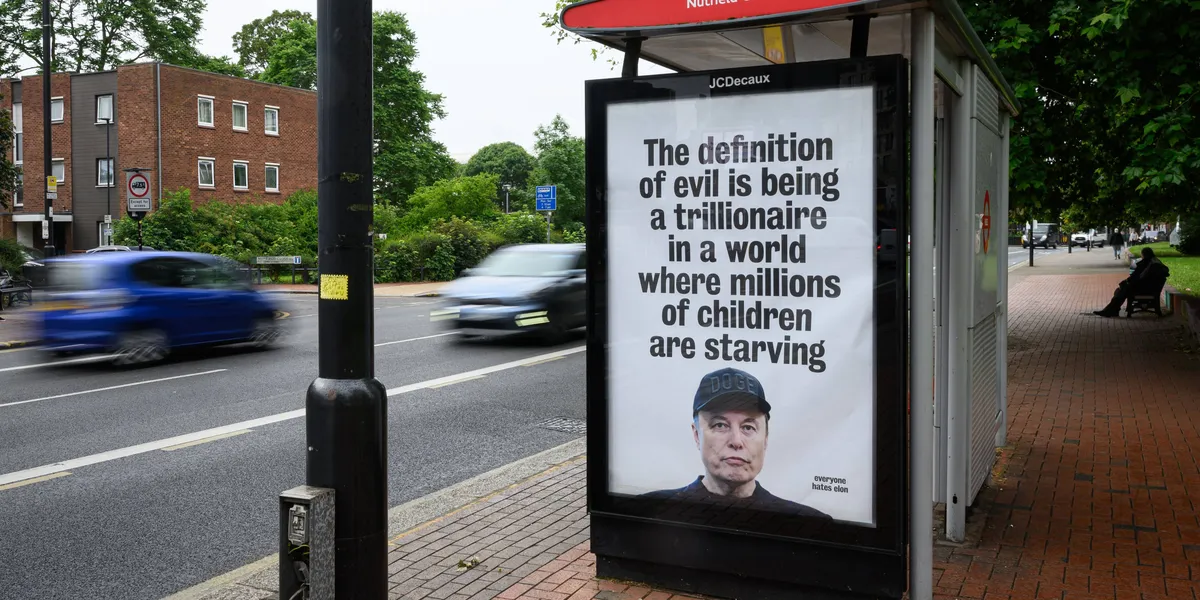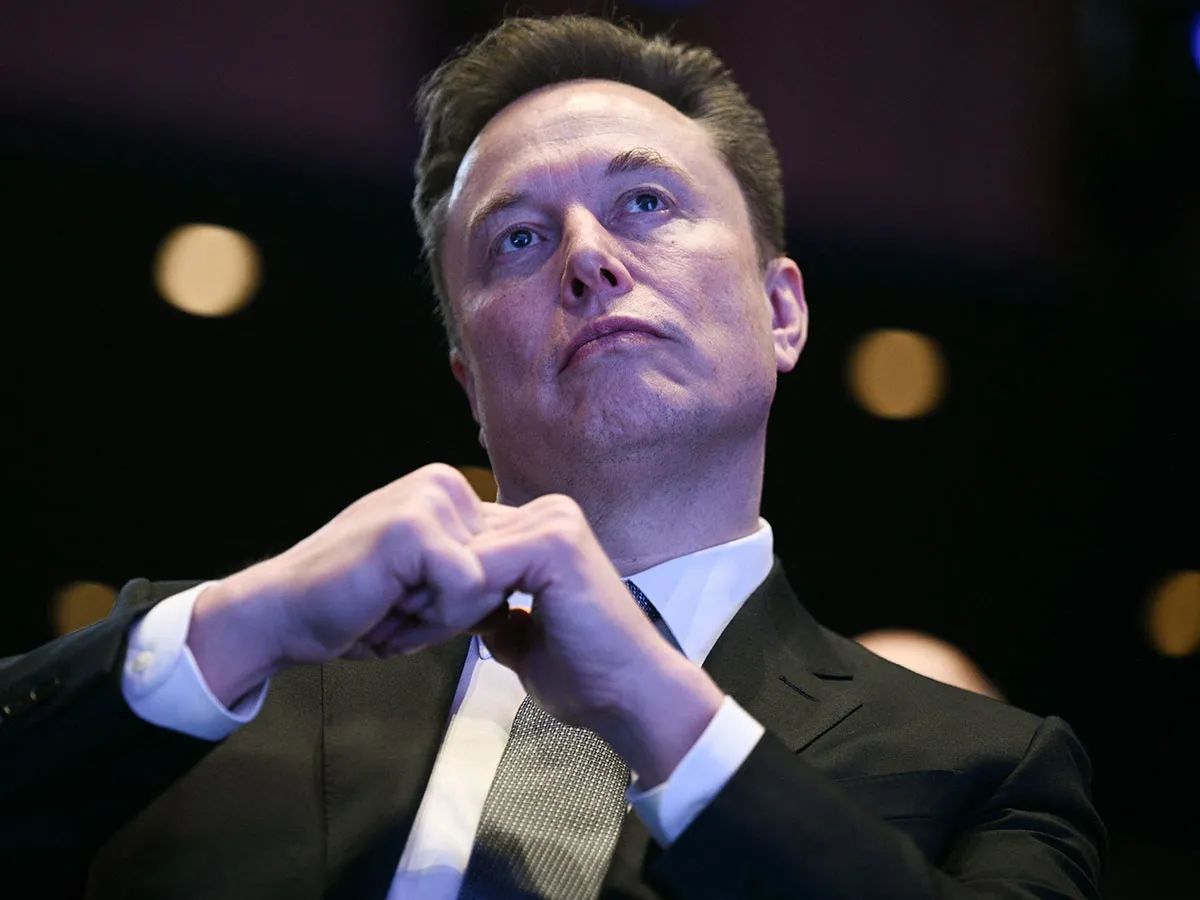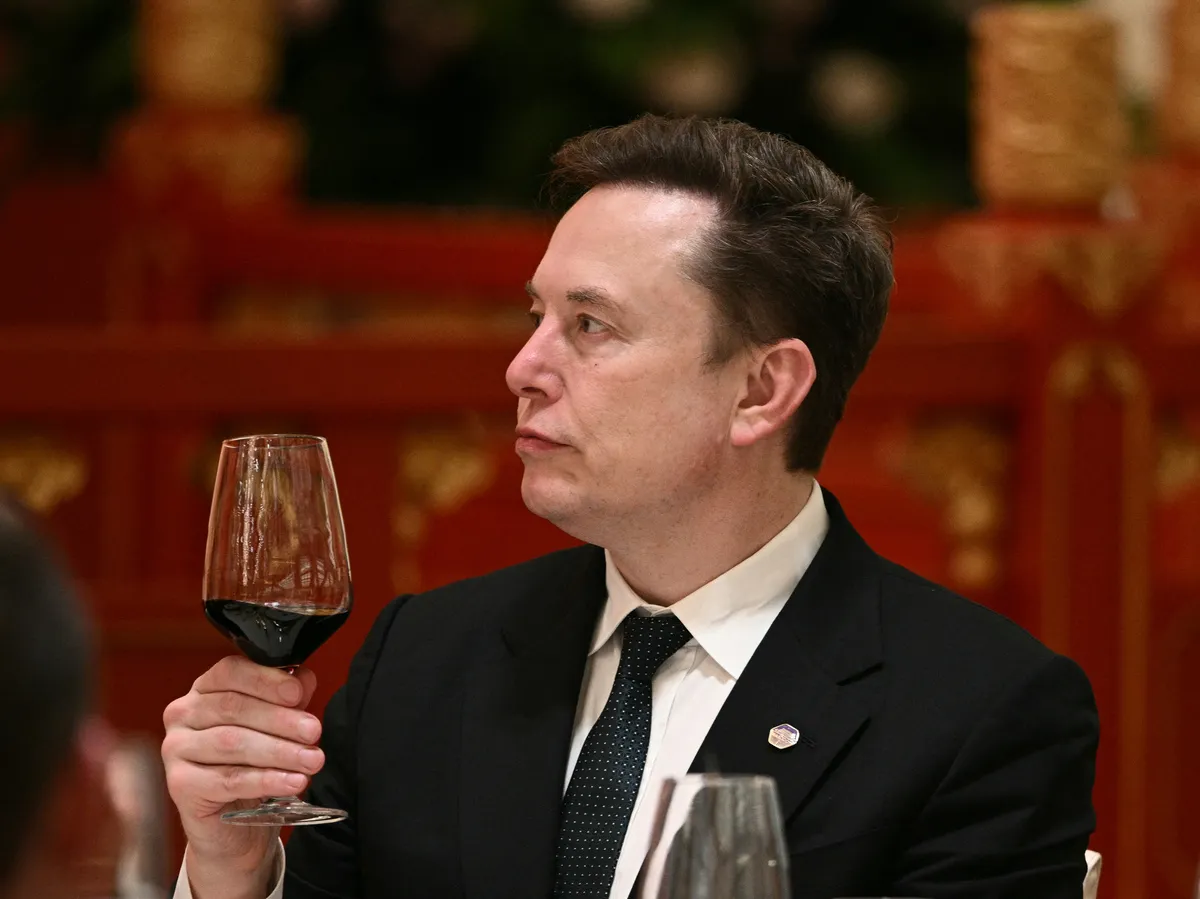
Skip to Content News Archives Economy Energy Oil & Gas Renewables Electric Vehicles Mining Commodities Agriculture Real Estate Mortgages Mortgage Rates Finance Banking Insurance Fintech Cryptocurrency Work Wealth Smart Money Wealth Management Investor Personal Finance Family Finance Retirement Taxes High Net Worth FP Comment Executive Women Puzzmo Newsletters Financial Times Business Essentials More Innovation Information Technology FP500 Podcasts Small Business Lives Told Tails Told Shopping Financial Post Store Obituaries Place a Notice Advertising Advertising With Us Advertising Solutions Postmedia Ad Manager Sponsorship Requests Classifieds Place a Classifieds ad Working Profile Settings My Subscriptions Saved Articles My Offers Newsletters Customer Service FAQ News Economy Energy Mining Real Estate Finance Work Wealth Investor FP Comment Executive Women Puzzmo Newsletters Financial Times Business Essentials HomePersonal FinanceTaxesWe shouldn't hate the world's first trillionaire — we should encourage Canadians to emulate himKim Moody: Teach a generation that success is punished, and you will get exactly what you encourage: a great deal less of itLast updated 4 days ago You can save this article by registering for free here. Or sign-in if you have an account.The lesson here is not how to hate the world’s first trillionaire; it is how to become the kind of country where the next one chooses to build here. Photo by Brendan SMIALOWSKI/AFP via Getty ImagesWe independently select everything we recommend. Buying through us may earn us a commission, which supports our work.My family ran a number of small businesses when I was growing up in Fort McMurray, Alta., so I learned early on that nobody hands an entrepreneur a paycheque. They put their own capital at risk, work brutal hours and live with the real possibility that it might all come to nothing.Subscribe now to read the latest news in your city and across Canada.Exclusive articles from Barbara Shecter, Joe O'Connor, Gabriel Friedman, and others.Daily content from Financial Times, the world's leading global business publication.Unlimited online access to read articles from Financial Post, National Post and 15 news sites across Canada with one account.National Post ePaper, an electronic replica of the print edition to view on any device, share and comment on.Daily puzzles, including the New York Times Crossword.Subscribe now to read the latest news in your city and across Canada.Exclusive articles from Barbara Shecter, Joe O'Connor, Gabriel Friedman and others.Daily content from Financial Times, the world's leading global business publication.Unlimited online access to read articles from Financial Post, National Post and 15 news sites across Canada with one account.National Post ePaper, an electronic replica of the print edition to view on any device, share and comment on.Daily puzzles, including the New York Times Crossword.Create an account or sign in to continue with your reading experience.Access articles from across Canada with one account.Share your thoughts and join the conversation in the comments.Enjoy additional articles per month.Get email updates from your favourite authors.Create an account or sign in to continue with your reading experience.Access articles from across Canada with one accountShare your thoughts and join the conversation in the commentsEnjoy additional articles per monthGet email updates from your favourite authorsSign In or Create an AccountorUnfortunately, that is a common result. However, if it works, they build something: jobs, a payroll and a stake in their community. That asymmetry — private risk, uncertain reward — is the engine of every economy worth living in.I thought about that when Elon Musk became the world’s first trillionaire. Space Exploration Technologies Corp. went public last Friday in the largest initial public offering in history, raising roughly US$75 billion at a valuation near US$2 trillion, pushing Musk’s paper net worth past US$1.1 trillion. Some 4,400 SpaceX employees became instant millionaires on the listing.Get the latest headlines, breaking news and columns.By signing up you consent to receive the above newsletter from Postmedia Network Inc.A welcome email is on its way. If you don't see it, please check your junk folder.The next issue of Top Stories will soon be in your inbox.We encountered an issue signing you up. Please try againYou might think the man behind a company that builds reusable rockets, connects remote communities and is reshaping the global auto industry would be grudgingly admired. You would be wrong.The reaction from the political left was immediate and uniform. The usual suspects sent out messages of a rigged economy, demands for a wealth tax and that the U.S. federal government is for sale.Here at home, one national newspaper ran an opinion piece under the headline, SpaceX IPO makes Elon Musk the first trillionaire. Here’s how to properly hate him before, later replacing the headline, conceding it did not meet proper editorial standards.Properly hate him. Reflect on that. A man builds rockets that land themselves and the instinct is to instruct readers in the etiquette of resentment. The replacement headline — asking whether a new trillionaire is “a bad look for capitalism” — was meant to sound reasonable, but it gives the game away more completely than the first.Its premise is that one person’s success is something the entire system must answer for, which is exactly backwards. Getting astonishingly rich by building things people freely choose to buy is not a bad look for capitalism; it is the whole point of it.Consider what Musk did. He did not find his US$1 trillion; he created it. SpaceX collapsed the cost of reaching orbit and broke a government-contractor cartel that had grown fat and lazy. Tesla Inc. dragged a century-old industry into the future. A satellite network now connects otherwise non-reachable areas.Across his companies, he employs more than 100,000 people and supports a vast supplier base. This is not wealth extracted from a fixed pie. It is a bigger pie and everyone who touched it is better off.You may dislike the man, but the dislike is almost always for his politics or his fortune rather than anything he built. That changes nothing about the work.It is worth asking what actually drives this negative reaction. Only one part is serious: the worry that concentrated wealth becomes concentrated power, that a trillionaire can buy politicians, platforms and outcomes the rest of us cannot.Fair enough, but tax policy responses such as a wealth tax make that worse, not better: the more the government can take and redistribute, the more the wealthy will spend to influence where it goes. And the trillionaire, with his lawyers and his exit visa, is the last person such a tax ever catches. The bill lands on the merely rich.The rest is mood disguised as argument, what Calgary writer Mark Milke of the Aristotle Foundation calls the victim cult: success is treated as evidence of wrongdoing and every outcome as proof of injustice rather than effort. Once that becomes the reflex, wealth itself is suspect and the conclusion arrives before the analysis.The wealth tax is what that grievance becomes in policy form and it is a bad idea. It is riddled with design problems, starting with how to value assets not yet in cash. It is also easy to escape: capital and its owners simply leave, so it raises little revenue while deterring the capital you want to attract.Recently, Norway nudged up its wealth tax and watched dozens of its richest citizens head for Switzerland. Those departing taxpayers controlled an estimated US$54 billion of wealth. The result? Less revenue for the treasury, not more. The threat of a billionaires’ tax in California is causing a similar capital flight. In 2021-22, Canada considered introducing a wealth tax before shelving it.Wealth is mobile and resentment is not a revenue model.Countries do not tax their way to prosperity; they prosper by creating the conditions for capital, talent and entrepreneurship to stay, grow and multiply. The real question is not how governments can better redistribute wealth, but how they can help create more of it in the first place.We do not have a trillionaire problem in Canada; we have the opposite: bleeding capital, talent and ambition across the border. We can learn from Estonia, which has topped the Tax Foundation’s competitiveness ranking for 12 straight years due to a low and simple flat personal income tax, a corporate tax that completely exempts tax on reinvested earnings and only applies when money is extracted from the company, and broad-based use of a consumption tax.The lesson here is not how to hate the world’s first trillionaire; it is how to become the kind of country where the next one chooses to build here. That starts with a tax system that rewards risk instead of confiscating its rewards — the same bet my family made on small businesses in Fort McMurray — scaled to the heavens.Teach a generation that success will be punished, and you will get exactly what you encourage: a great deal less of it.Kim Moody, FCPA, FCA, TEP, is the founder of Moodys Tax/Moodys Private Client, a former chair of the Canadian Tax Foundation, former chair of the Society of Estate Practitioners (Canada) and has held many other leadership positions in the Canadian tax community. He can be reached at kgcm@kimgcmoody.com and his LinkedIn profile is https://www.linkedin.com/in/kimgcmoody._____________________________________________________________If you like this story, sign up for the FP Investor Newsletter._____________________________________________________________ Join the Conversation This website uses cookies to personalize your content (including ads), and allows us to analyze our traffic. Read more about cookies here. By continuing to use our site, you agree to our Terms of Use and Privacy Policy.
We shouldn't hate the world's first trillionaire — we should encourage Canadians to emulate him
Kim Moody: Teach a generation that success will be punished, and you will get exactly what you encourage: a great deal less of it. Read on
1,555 words~7 min read