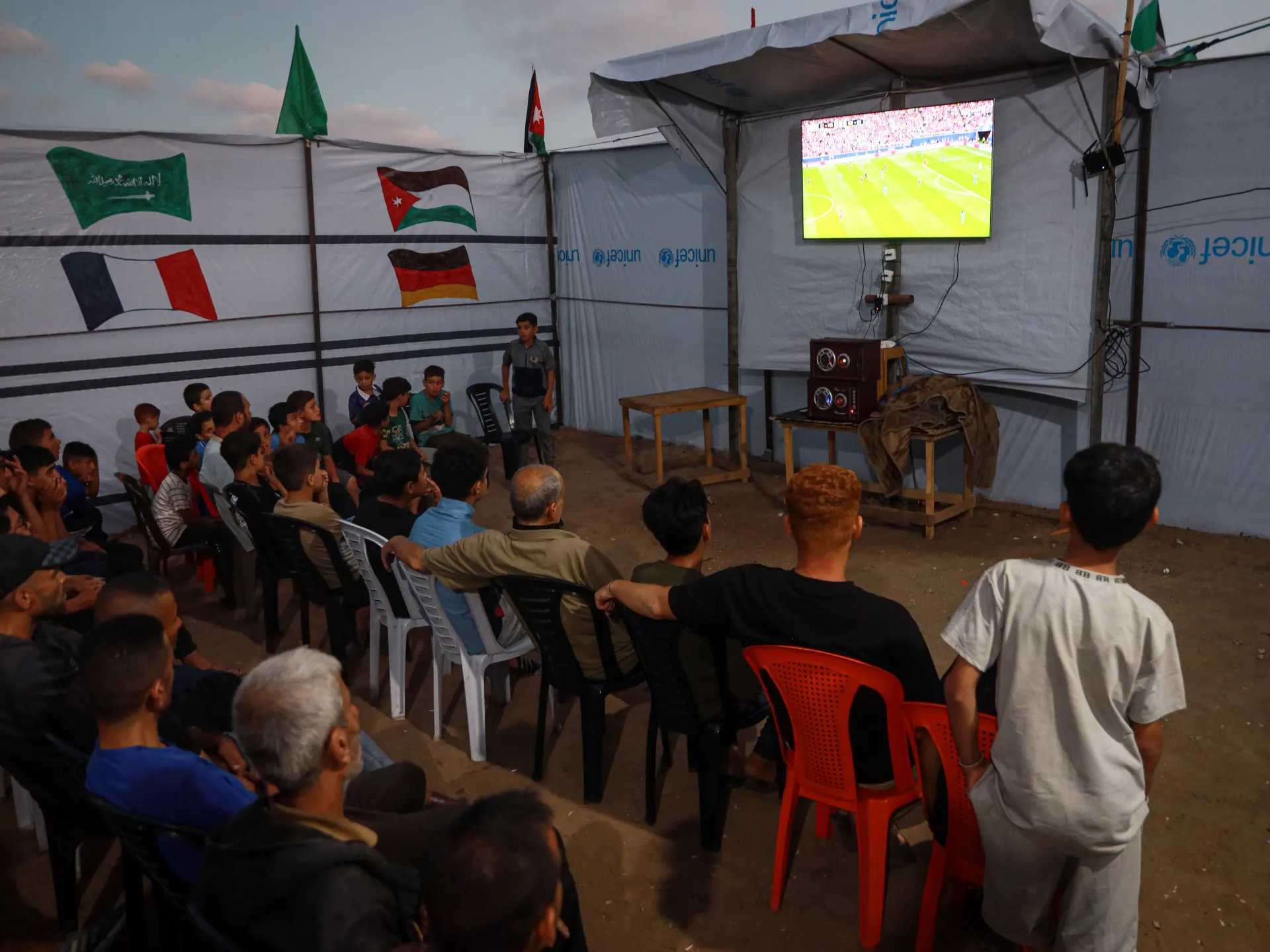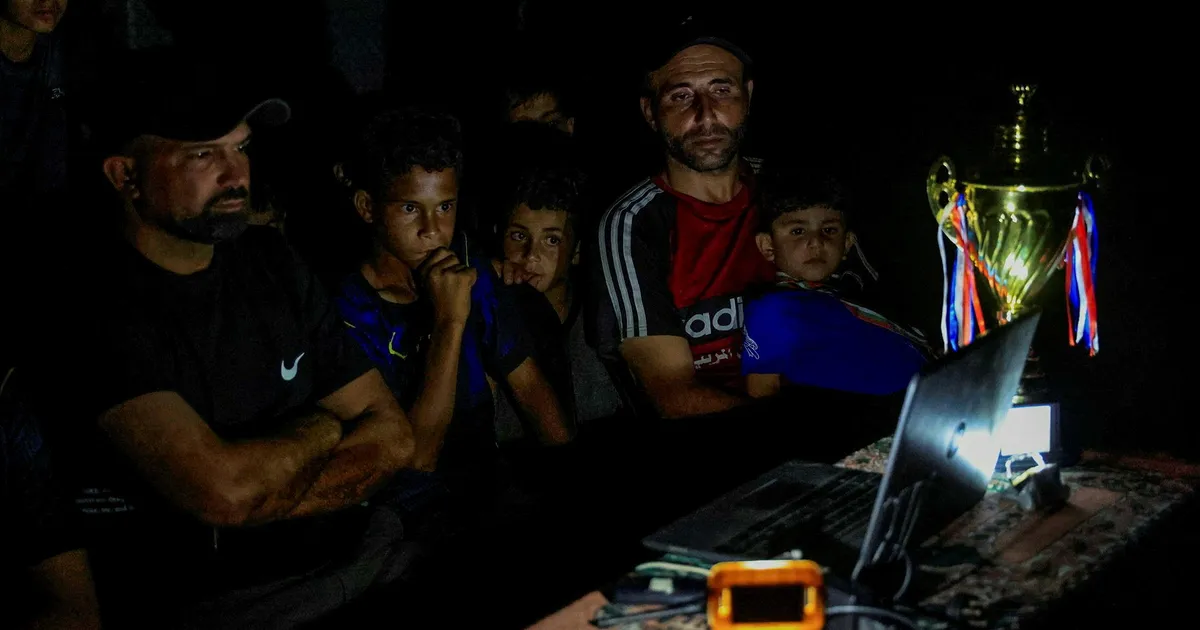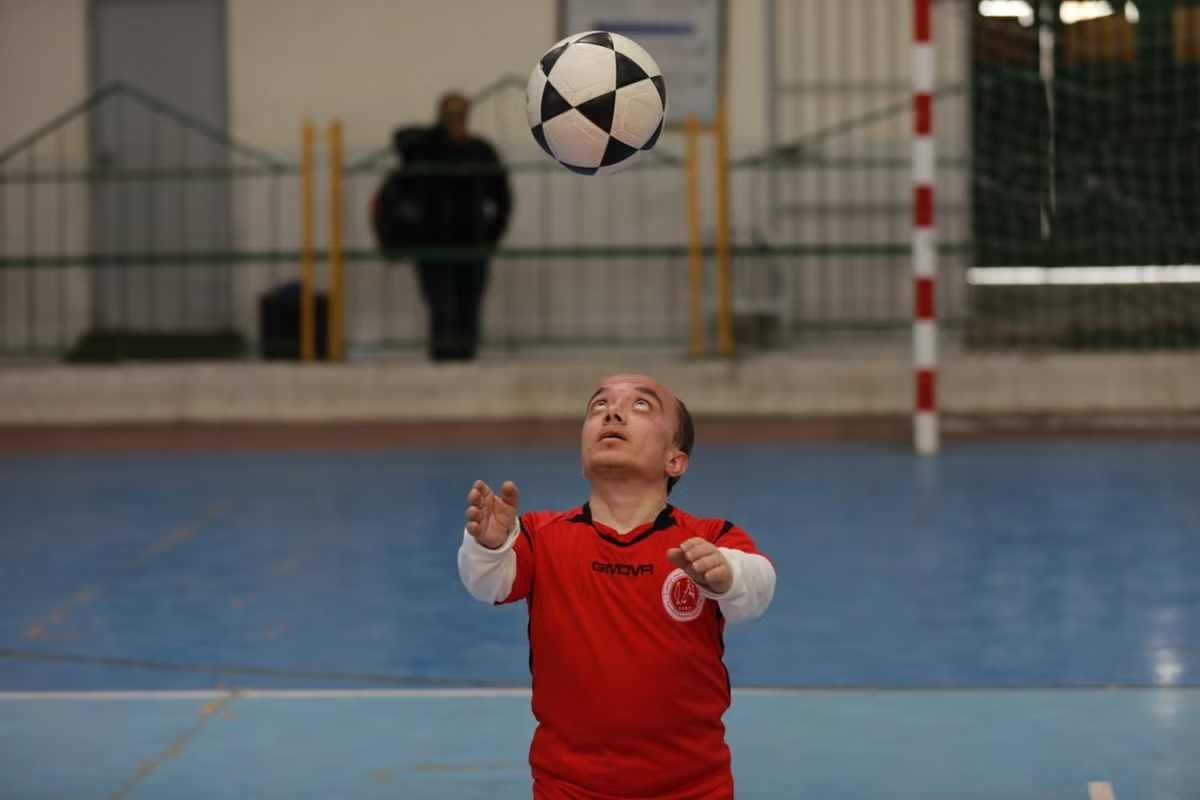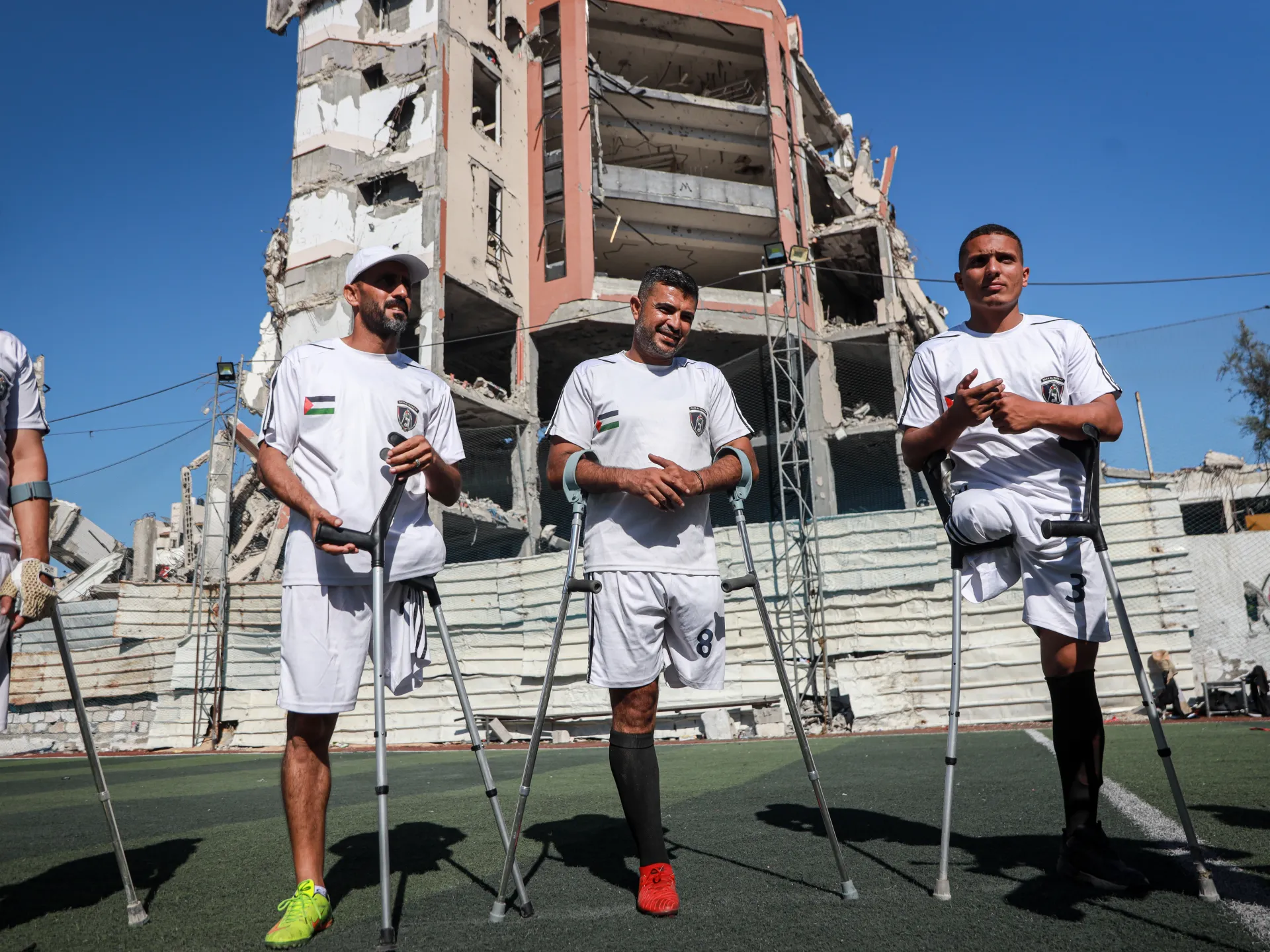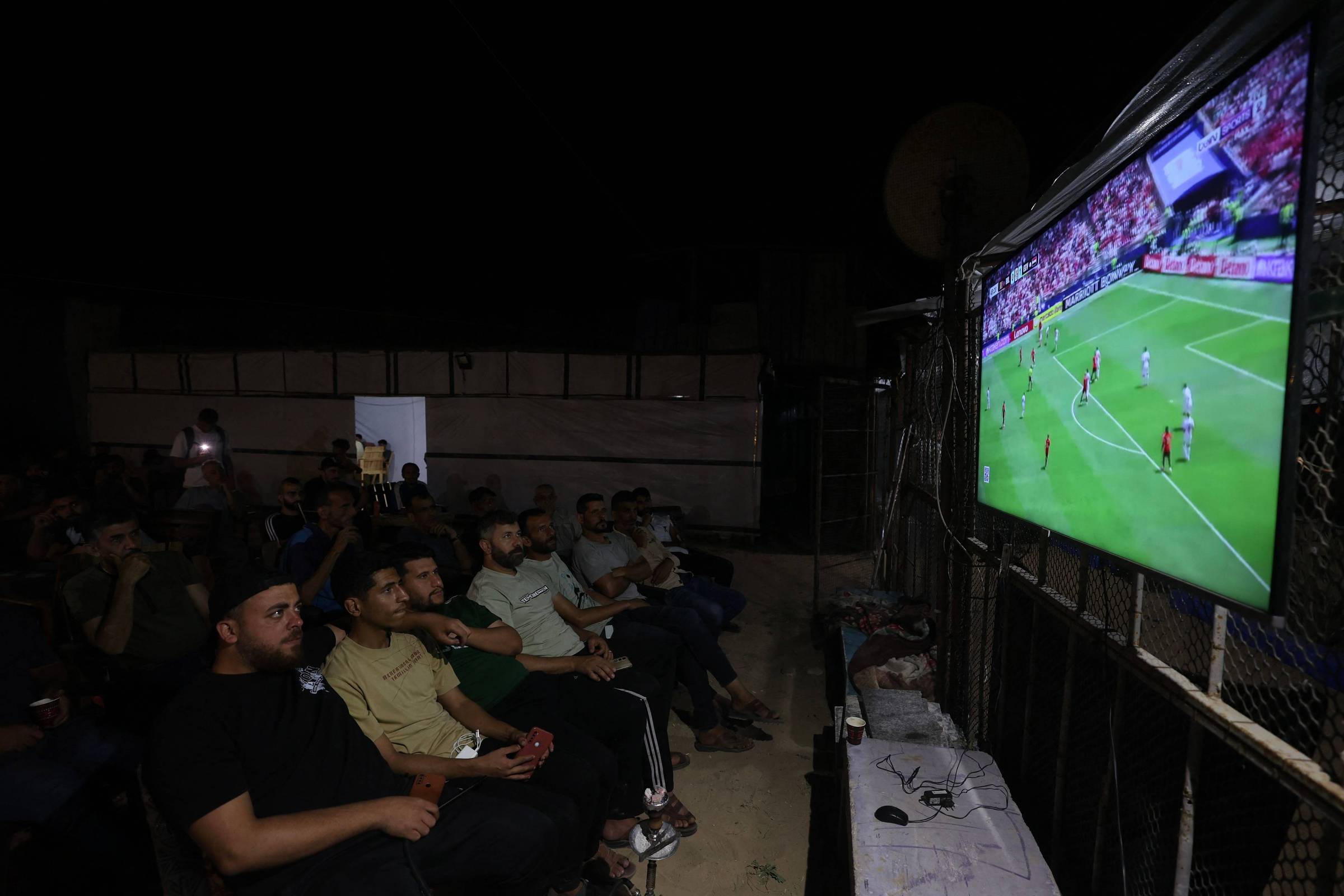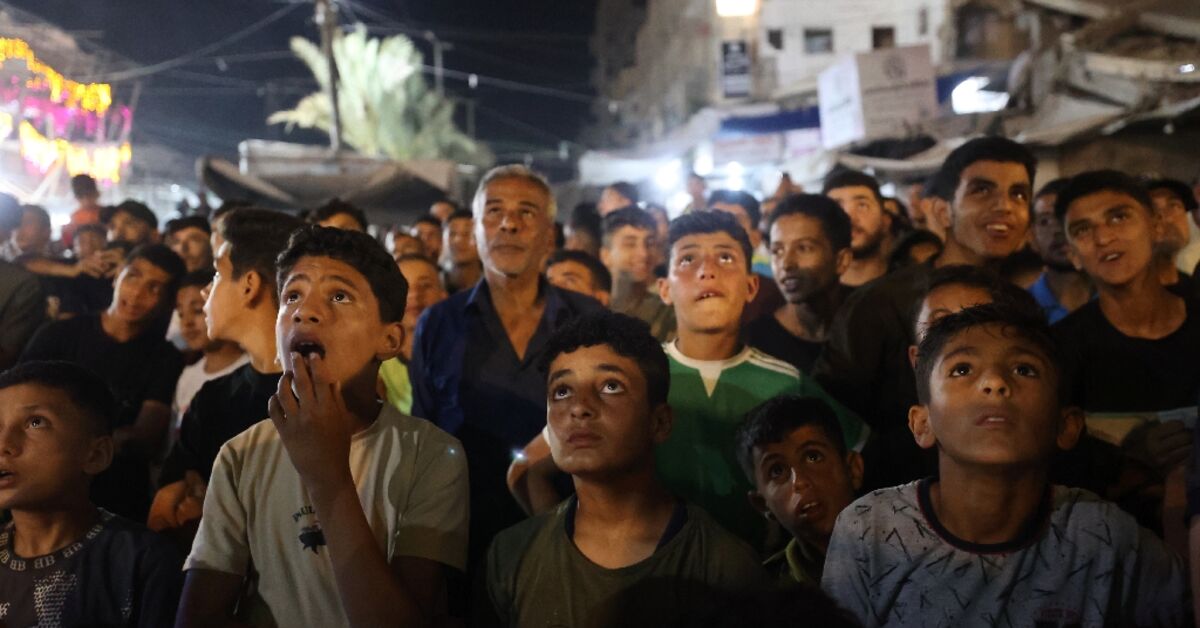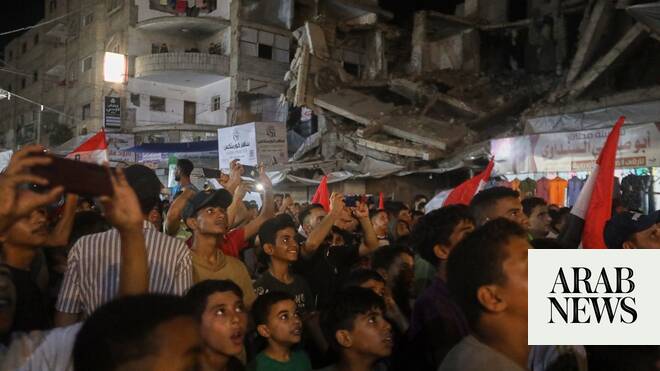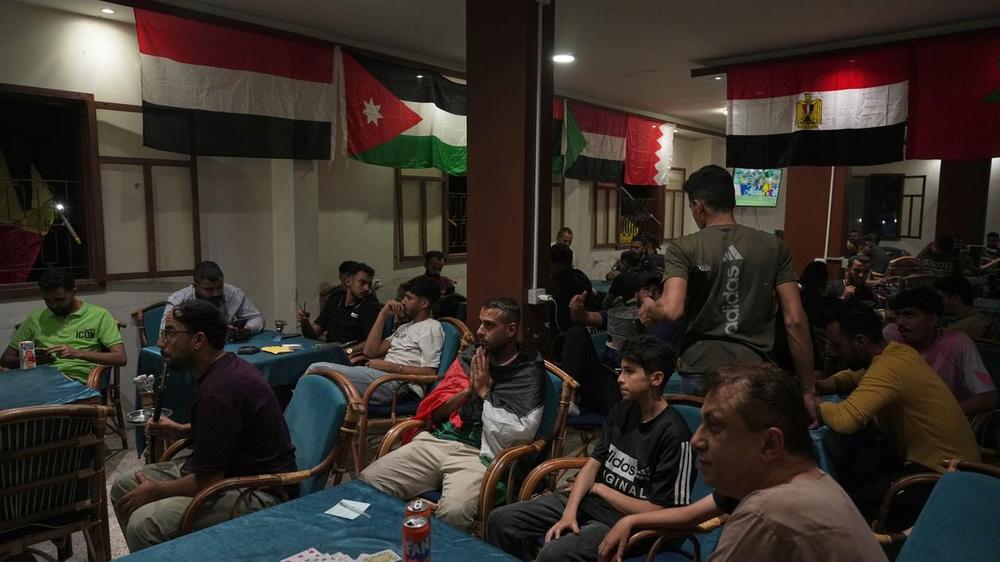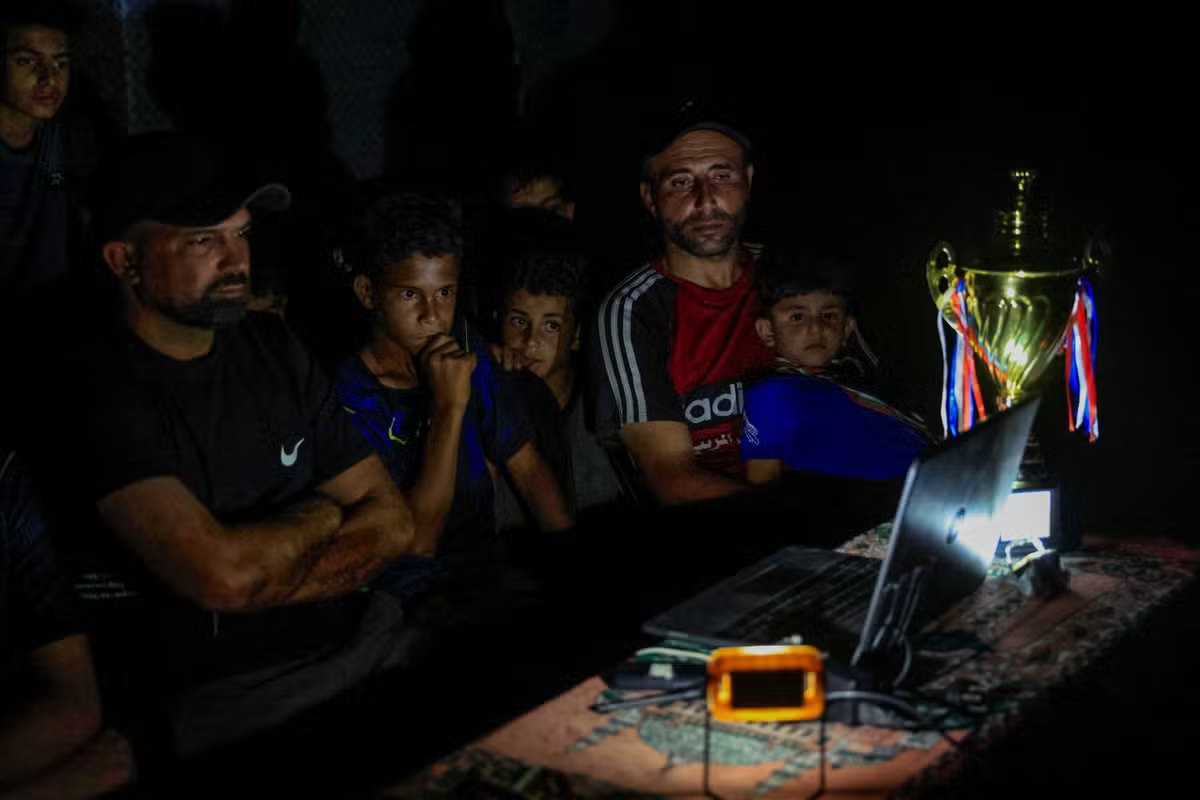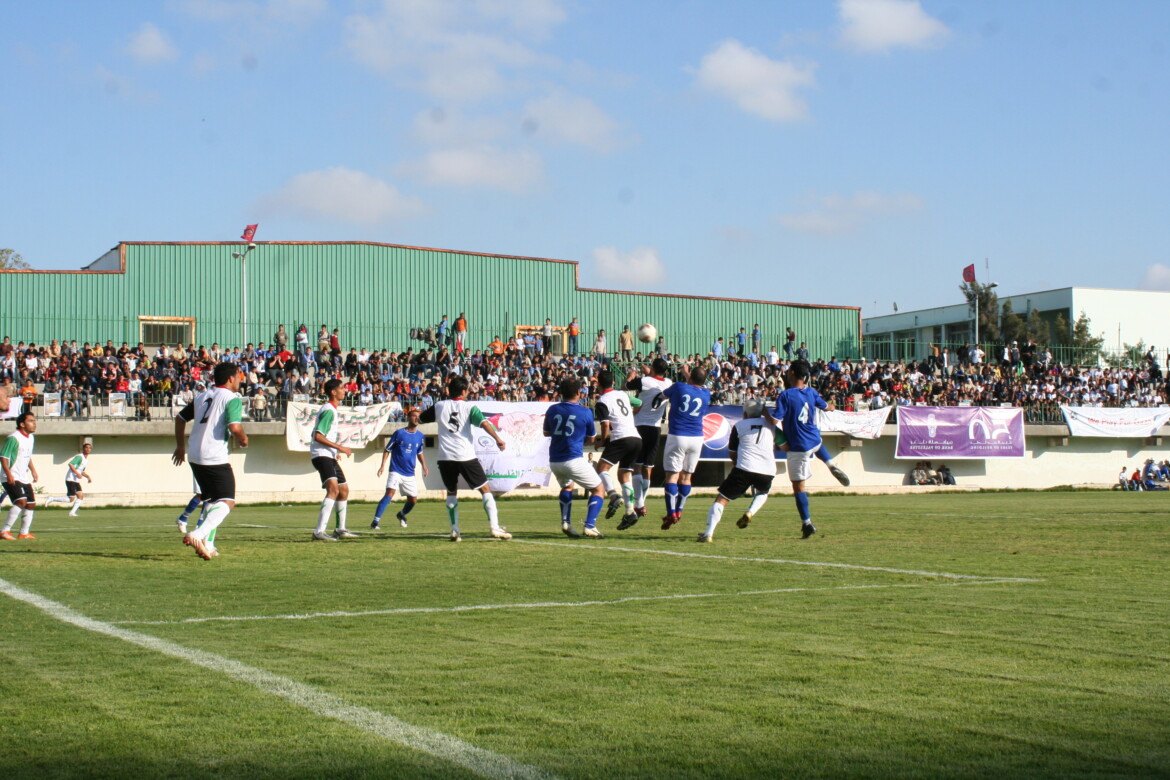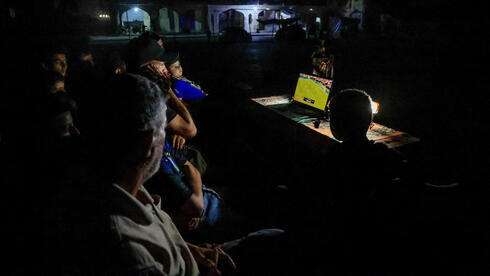
With much of the enclave’s infrastructure destroyed, displaced Palestinians are gathering in schools, tents and cafés around laptops and makeshift screens, using backup batteries and brief moments of quiet to follow the world’s biggest soccer tournamentIn Gaza, where large parts of the infrastructure have been destroyed during the war and many residents are living in tents, schools or damaged buildings, even watching the World Cup has become a complicated task.There are no living rooms, no easy fan routine and, for many, no reliable television. Instead, viewers make do with improvised screens, unstable internet connections and limited electricity, seizing any moment of relative calm to follow the world’s biggest soccer tournament.3 View gallery Gazans watching a World Cup match (Photo: REUTERS/Haseeb Alwazeer)Fadi al-Arawi, a soccer player in Gaza’s Premier League, has not played since professional sports activity in the enclave was halted after the outbreak of the war in 2023. Before the match between Qatar and Switzerland, he put on his old team uniform, wore medals from past competitions and sat with friends in a room inside a school in Khan Younis that has been converted into a shelter for displaced families.They tried to watch the game on a laptop, but before kickoff, the connection failed.“The match hasn’t started yet and the internet is already unstable,” al-Arawi told Reuters, as Israeli aircraft could be heard in the background. Even the simple act of trying to watch a game, he said, takes place under a constant sense of danger.3 View gallery (Photo: REUTERS/Haseeb Alwazeer)Across the Gaza Strip, residents are making similar efforts to follow the tournament. According to Euronews, during the World Cup opener, people gathered in tents, cafés and improvised spaces to watch broadcasts despite repeated power cuts and shortages of energy sources. In some places, screens were set up for displaced families and residents who no longer have a way to watch from home.Every functioning screen has become a gathering point.Reuters also described the Royal Cafe in Gaza City, where two alternative power lines and a backup battery were installed to keep matches on the screen at night, after generators stop working. Fuel shortages, combined with the damage to infrastructure, mean that even powering a screen or maintaining an internet connection can no longer be taken for granted.Still, residents quoted in the report said they continue to come watch matches, even while aware of the danger of gathering in public places.3 View gallery (Photo: REUTERS/Dawoud Abu Alkas)Hani Abu Rizk, who came to watch one of the games at a café in Gaza City, told Reuters that the site itself could be attacked, or that a nearby target could be hit. But despite the harsh reality, he said, people are trying to preserve some form of daily life and keep watching the games.The war has also devastated Palestinian sports. According to the Palestinian Football Association, around 1,000 athletes have been killed since 2023 and some 285 sports facilities have been destroyed or damaged. Al-Yarmouk Stadium in Gaza, where al-Arawi and other players once competed in front of thousands of spectators, is now being used as a shelter for displaced families.For many Gazans, the World Cup is no longer just a sporting event. It has become a brief attempt to hold on to normal life in impossible conditions. Matches are watched under shortages of electricity and internet, against the backdrop of displacement and an ongoing sense of threat.But whenever a screen works, and whenever the connection holds, people gather anyway.
No home, no stable internet: How Gaza is watching the World Cup
With much of the enclave’s infrastructure destroyed, displaced Palestinians are gathering in schools, tents and cafés around laptops and makeshift screens, using backup batteries and brief moments of quiet to follow the world’s biggest soccer tournament
578 words~3 min read