The looming demise of popular ad blockers in Google Chrome, driven by the final rollout of Manifest V3, has become one of the most talked‑about global tech stories this week, as users brace for a noisier and far less controlled internet experience. In simple terms, Chrome is closing the last loophole that allowed older ad‑blocking extensions to function. For people who rely on these tools to browse everything from streaming platforms to local news sites, the change could transform daily internet use into something like Sukhumvit traffic at 6pm. Busy, unpredictable and nearly impossible to escape.
At the centre of the shift is Manifest V3, Google's updated rulebook for how browser extensions operate. The company maintains that the overhaul strengthens security, privacy and performance. Instead of allowing extensions to monitor and block web traffic in real time, the new system forces them to follow pre‑approved filtering rules. Critics say this limits the effectiveness of powerful ad blockers, meaning more advertisements slipping through onto users' screens.
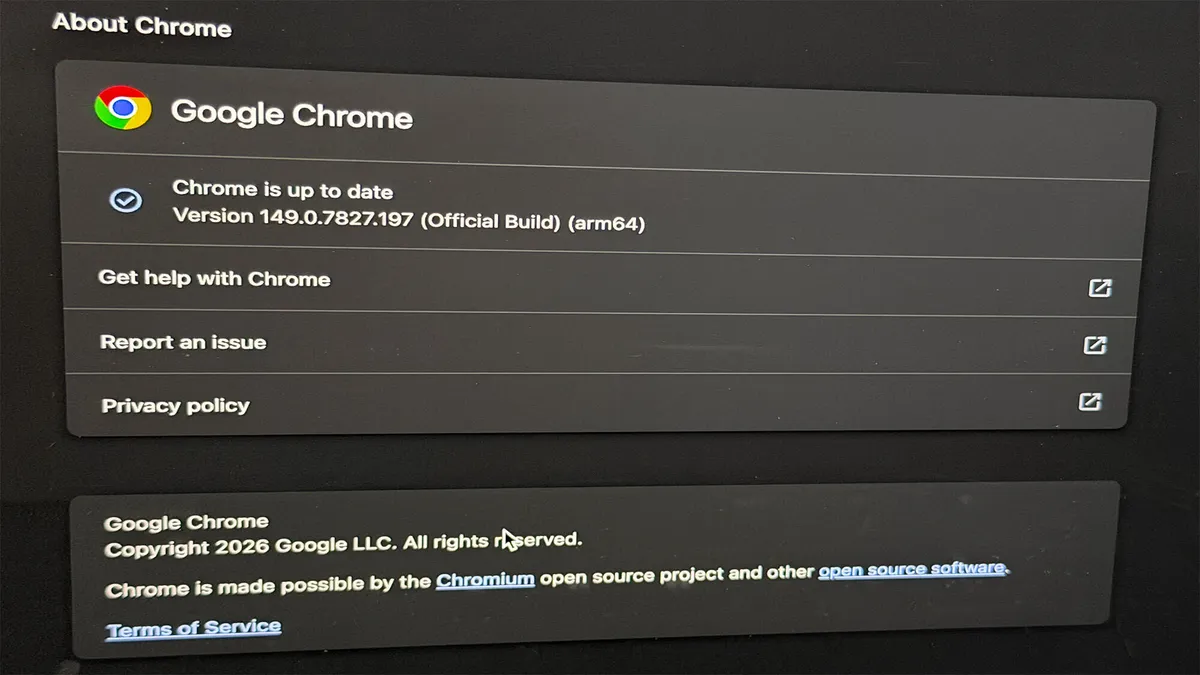
The timing is significant. Chrome version 150, expected later this month, is set to remove the final technical workaround that has kept older ad blockers alive. A subsequent update will erase what remains of the legacy system entirely. For millions of users worldwide, commonly used extensions such as uBlock Origin may either stop working altogether or be replaced by slimmer versions with fewer capabilities.