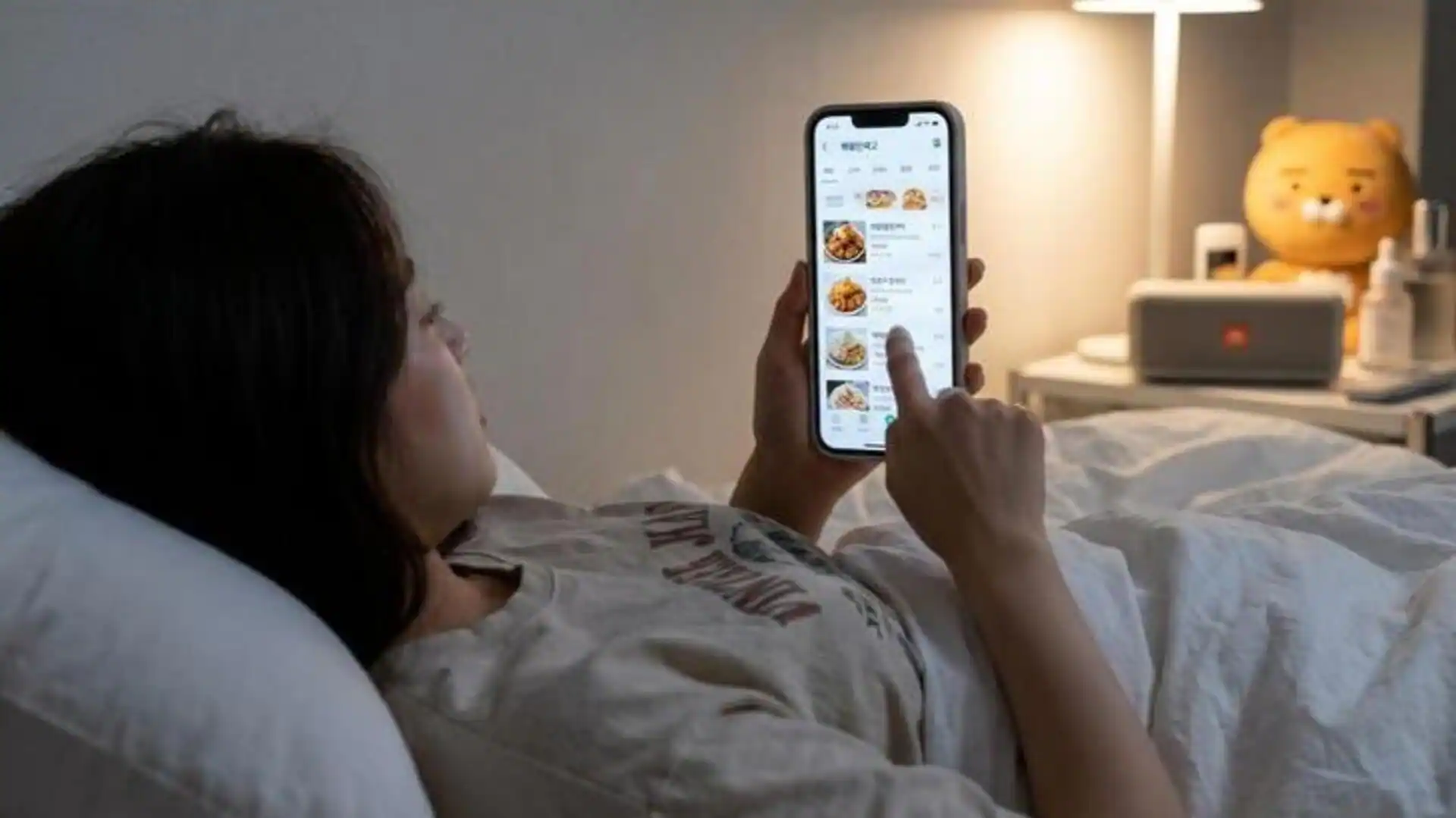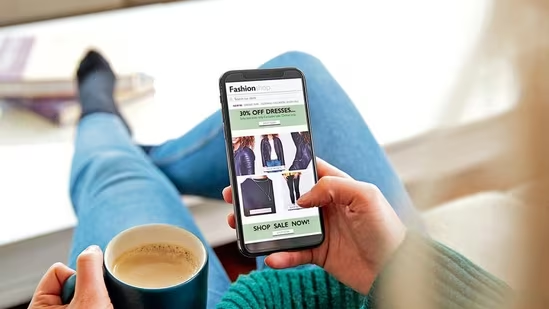
Imagine scrolling through a premium shopping app, picking out your favourite clothes or a gourmet meal, and hitting ‘order’, only for your bank balance to remain untouched and nothing ever arrives at your door.Welcome to the latest trend taking over South Korea: ‘dopamine sites’ (Photo: Adobe Stock)Welcome to the latest trend taking over South Korea: ‘dopamine sites’. Sweeping the country’s youth, this hyper-realistic internet phenomenon involves fake e-commerce apps and food delivery simulators, designed to trick your brain into feeling the high of a shopping spree, completely free of charge.How it worksThese platforms look and feel indistinguishable from real retail apps. Users can filter by price, read customer reviews, and apply discount coupons.The illusion doesn’t end at checkout. Once you press Place Order, the app launches a real-time tracking map where users can watch a virtual delivery agent making their way through Seoul towards their location. But once the timer ends, the driver disappears with no money charged, and the retail itch is successfully scratched.Several non-shopping variants have also emerged, such as Damta, named after the Korean slang for “cigarette break”, where users can take a virtual smoke break without touching a real cigarette.Trend divides the internetWith staggering inflation, high living costs, and a brutal job market, South Korea’s youth embrace these sites as a form of harm reduction. Users call it the retail equivalent of drinking a zero-alcohol beer, which satisfies the emotional impulse to buy without draining their savings.On the flip side, experts are arguing that while these protect your wallet in the short term, it actually doesn’t break the cycle of compulsive behaviour. Instead, the apps keep alive the brain’s addiction to instant gratification and mindless digital scrolling.
Add to cart, pay zero: Youngsters in South Korea are obsessed with ‘fake’ online shopping
Welcome to the latest trend taking over South Korea: ‘dopamine sites’
281 words~1 min read