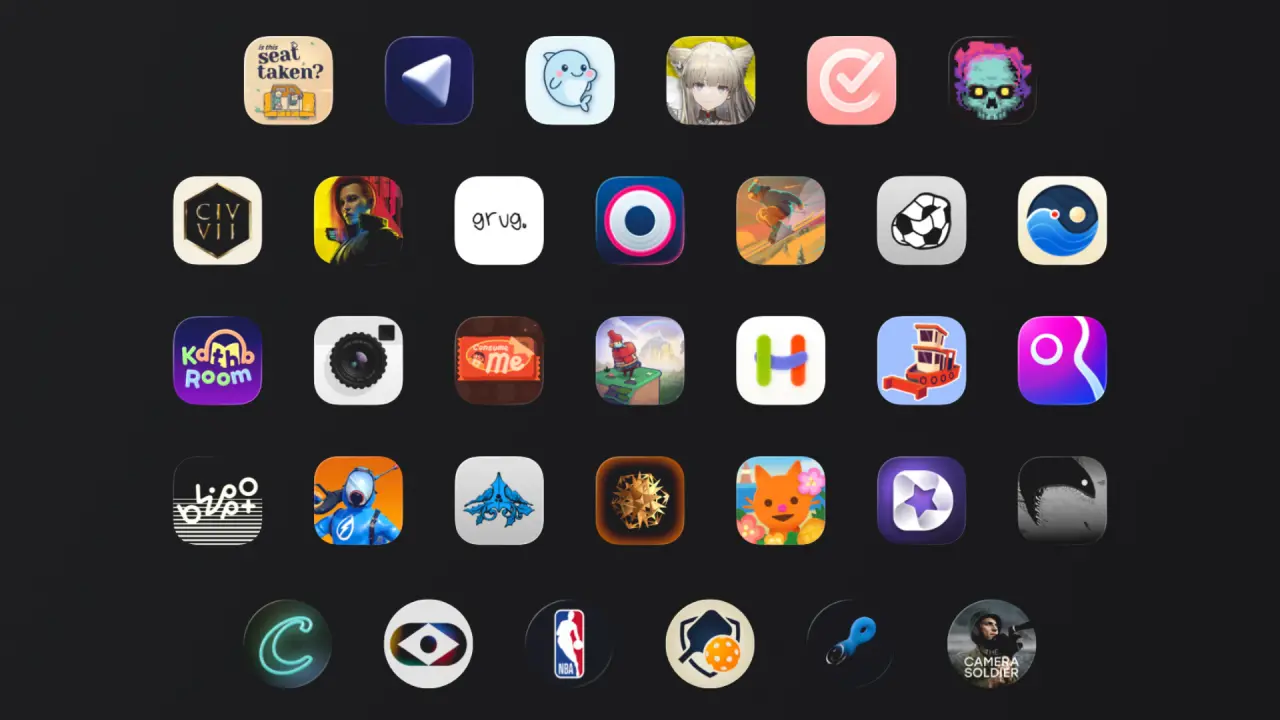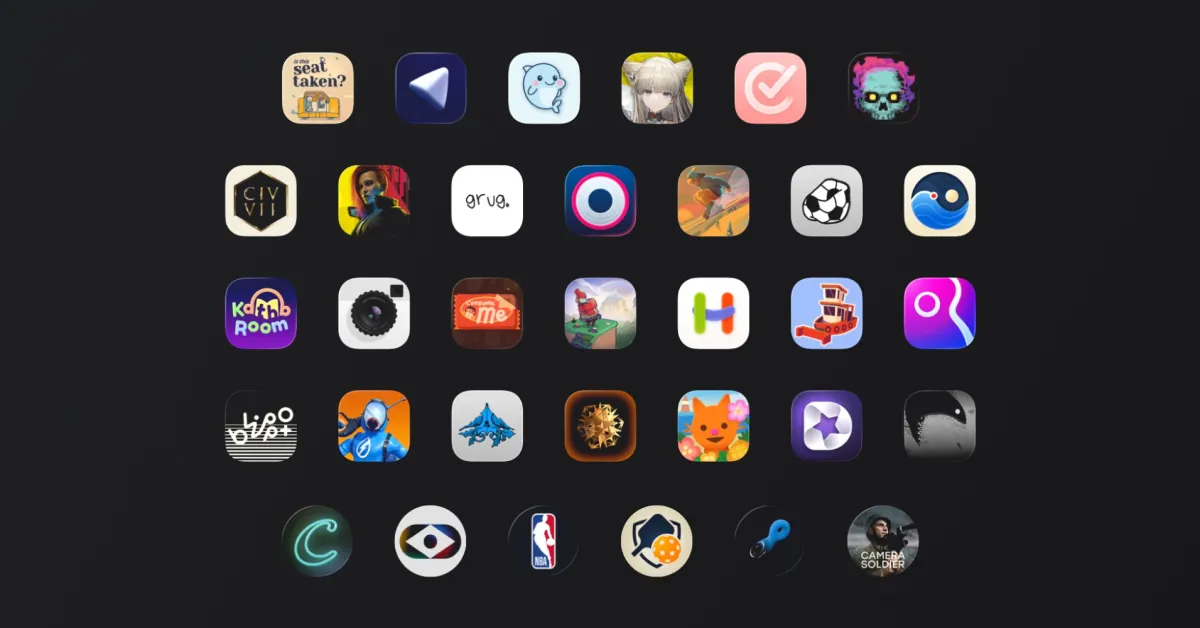
Bijoy Thangaraj has spent 15 years making music apps by himself. Guitar Wiz, his latest, is now a 2026 Apple Design Award finalist for accessibility — and the only guitar app in the running.The only guitar in the roomApple’s 2026 Design Award shortlist runs to 36 names, most of them studios with deep benches — Cyberpunk 2077, Civilization VII. One of them is a single man in Bengaluru who built his entry alone. Bijoy Thangaraj’s Guitar Wiz is a finalist in the Inclusivity category, and the only musical-instrument app in the field. Apple named its finalists on 18 May; the winners arrive at WWDC on 8 June. For a developer 15 years deep in music apps, that call from Cupertino reads as vindication.A player firstSpend time with Thangaraj on a video call and the order of things becomes clear: he is a player who learned to code, not a coder who picked up a guitar. Dark-framed glasses, an easy grin, faster to answer a question about fret intonation than one about awards. Ours was booked for 20 minutes and ran to almost 35, lost down a long detour into tone and feel and why he reaches for a PRS — one guitar, he reckons, versatile enough to go from clean to crunch without complaint. Guitar Wiz is what happens when the player and the coder build something together.A working musician, not a hobbyist who codesHe describes himself plainly — “a solo indie developer and musician from Bengaluru” who has “been building music apps for over a decade,” though Guitar Wiz is, by his own reckoning, “by far my most ambitious project.” He is a trained classical pianist and guitarist who has played in bands and recorded for films and advertising — music is the room he lives in, software the tool he reaches for inside it. He talks about Guitar Wiz the way a guitarist talks about a favourite instrument: warm, fast, generous with detail, building for players like himself. His apps began, he has said, “as hobby projects — using code to solve musical problems I’ve faced myself.” Guitar Wiz is that habit at full maturity.Built by ear, then by codeThe arc behind the app is long. Thangaraj shipped his first iOS title, the chromatic Tuner T1, in 2011, and the choice of Apple was deliberate. He picked it, he explained, because “at that time, Apple was the only platform that supported low-latency audio playback.” A catalogue followed — Rhythm Pad, Music Tutor, Metronome M1, Aural Wiz, and the chord library GtrLib Chords, which he treats as the defining project before Guitar Wiz. Across the lot, by his own count, the apps have passed 15 million downloads. The new app set out to gather the lessons of all of them: he wanted Guitar Wiz, he said, “to go beyond just a chord library and become a complete toolkit for guitarists.”What Apple actually rewardedApple’s reward rests on accessibility over flash, and Thangaraj is precise about why that is harder than it sounds. Most accessibility work in consumer apps, he says, lives “at the chassis layer: button labels, font tokens, contrast ratios” — the standard scaffolding any well-built app inherits. Guitar Wiz, he argues, “pushes that work down into the subject itself.” The subject is music, and music has no default vocabulary in an operating system built for buttons and lists.So he had to invent a way to speak it. Standard VoiceOver reads out controls; a fretboard needed a grammar of its own — one that names pitches, chord shapes, and the exact fret and string where a finger belongs. The result is an app a blind or low-vision player can navigate by sound and touch alone: VoiceOver speaks the pitch, the chord guidance, and the finger placement, and a learner finds the shape without ever seeing it. The visual accessibility is built to the same depth. Turn on Increase Contrast and the chord diagrams redraw with cleaner lines and sharper detail rather than leaning on colour, so a player who reads colour differently loses nothing. Apple’s other two Inclusivity finalists, Hearing Buddy and Structured, sit in the same company. Winners follow at WWDC on 8 June.Every Apple screen, one authorThe whole thing is built in native SwiftUI, Apple’s modern interface toolkit, and runs across iPhone, iPad, Mac, Apple Watch, and Vision Pro. It is free to download, carries optional in-app purchases, and collects zero user data, by Apple’s own privacy label. On the App Store it holds a 4.77 average rating. One developer wrote all of it — a point he wears as principle rather than apology, holding to high-performance, local-first code that runs on the device rather than in the cloud.The features he is proudest ofPress Thangaraj on craft and the granular work spills out. Guitar Wiz includes a precise chromatic tuner that reads pitch finely enough to expose intonation drift — the subtle fret-by-fret tuning faults that leave a chord sounding sour even when the open strings ring true. Chord Assist, the feature he returns to most, “listens note-by-note” through the microphone as you play, he explained, lighting each fretted note green the moment you land it and adding a small tick beside it; miss, and the fret turns red so you know exactly where to adjust. The tick is not decoration — it doubles the colour signal so a player using Differentiate Without Colour still reads the cue. Accessibility, in other words, lives inside the feature, not bolted to its edge. A Songsheet Scanner rounds it out, using on-device vision to read printed or handwritten chord sheets. Between the chord library, the fretboard finder, and these tools, an amateur can learn every note on the instrument, one position at a time.Design first, features secondThangaraj approaches the work as a designer before a coder, and it shows. He followed Apple’s Human Interface Guidelines to the letter, wiring in App Clips, home-screen widgets, Lock Screen Live Activities for the metronome, and a standalone Watch app — the small platform touches that make software feel native to its surroundings. The ambition runs deeper than polish. He set out to build not a tutorial app but “an intelligent partner that listens and adapts,” and credits Apple’s silicon for the headroom to do it; integrate deeply enough, he believes, and you can let “the tech to disappear, leaving only the music.” That disappearing act is the elegance Apple tends to reward, and his pitch for the app stays just as plain — he built it, he said, “to be the most complete and inspiring companion for guitarists.”The studio is still one person, the app still free, the ambition still aimed at the bedroom player teaching themselves a first barre chord. Talk to Thangaraj for half an hour and the shortlist makes sense — the warmth, the player’s ear, the designer’s eye for detail, all aimed at the same end. Whether Guitar Wiz converts its finalist place into a win on 8 June, it has already done something rare for an indie Indian developer: put Bijoy Thangaraj’s name on the same page as the biggest studios in the world, for the gentlest of reasons — letting more people play.FAQs:Q: What is Guitar Wiz?A: Guitar Wiz is an all-in-one guitar app for iPhone, iPad, Mac, Apple Watch and Vision Pro, built in native SwiftUI by solo Bengaluru developer Bijoy Thangaraj. It combines a chord library, a chromatic tuner, a microphone-based Chord Assist coach, chord progressions and a Song Maker. It is free to download with optional in-app purchases.Q: Who is Bijoy Thangaraj?A: Bijoy Thangaraj is a solo indie developer and musician from Bengaluru who runs JSplash Studios. A trained classical pianist and guitarist, he has built music apps for over a decade — including Tuner T1, Rhythm Pad, Music Tutor and GtrLib Chords — which he says have passed 15 million downloads.Q: Did Guitar Wiz win an Apple Design Award?A: Not yet. Guitar Wiz is a 2026 Apple Design Award finalist in the Inclusivity category, announced on 18 May 2026. Winners are announced at Apple’s WWDC on 8 June 2026.Q: Why was Guitar Wiz shortlisted by Apple?A: Apple recognised its accessibility design. VoiceOver speaks pitch, chord guidance and exact finger placement so blind and low-vision players can learn by ear and touch, and the app supports Dynamic Type, Increased Contrast and Differentiate Without Colour so chord diagrams stay readable without relying on colour.Q: What are the other 2026 Apple Design Award Inclusivity finalists?A: The Inclusivity category finalists are Guitar Wiz, Hearing Buddy and Structured.Q: Is Guitar Wiz free?A: Yes. Guitar Wiz is free to download on the App Store with optional in-app purchases, and Apple’s privacy label states the app collects no user data.end of article
How Bijoy Thangaraj’s Guitar Wiz Reached Apple’s 2026 Design Award Shortlist
Find latest technology news, gadgets reviews & ratings. Popular & latest gadgets specifications, features, prices, photos & videos. Trending mobile phone comparisons, slideshows, how tos and videos for latest mobile phones, tablets, technology news updates.
1,452 words~7 min read