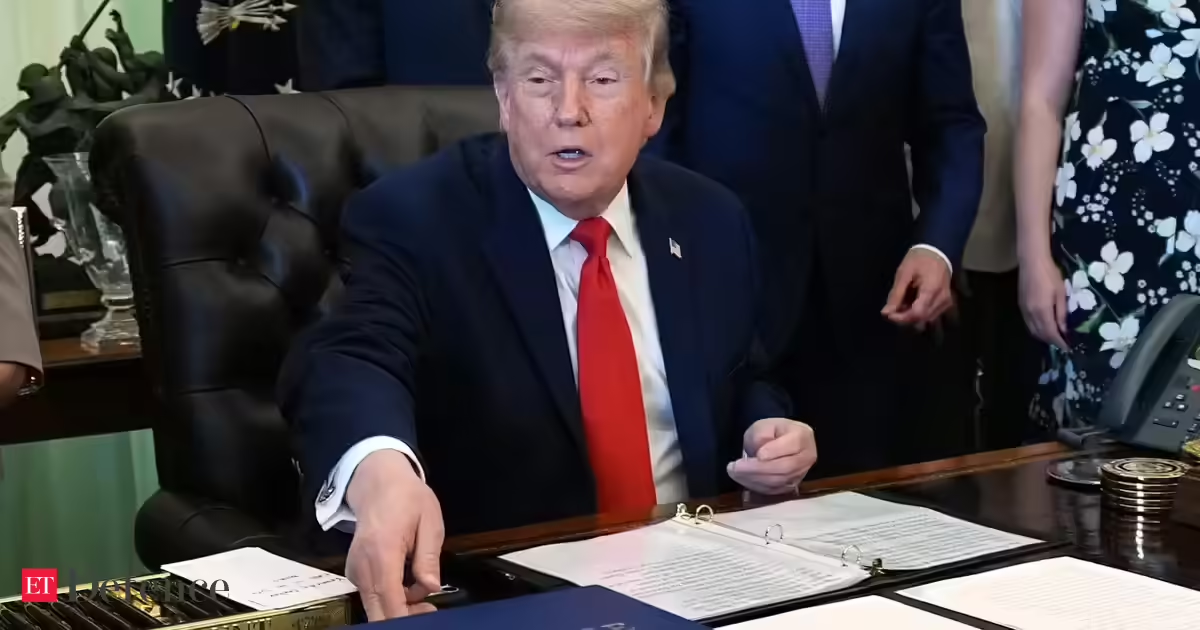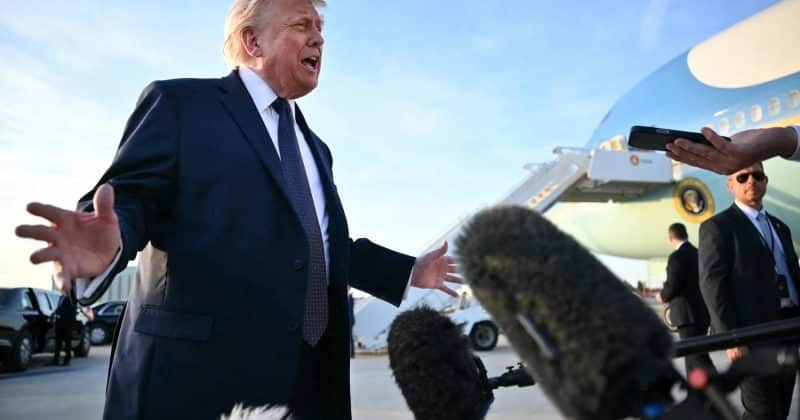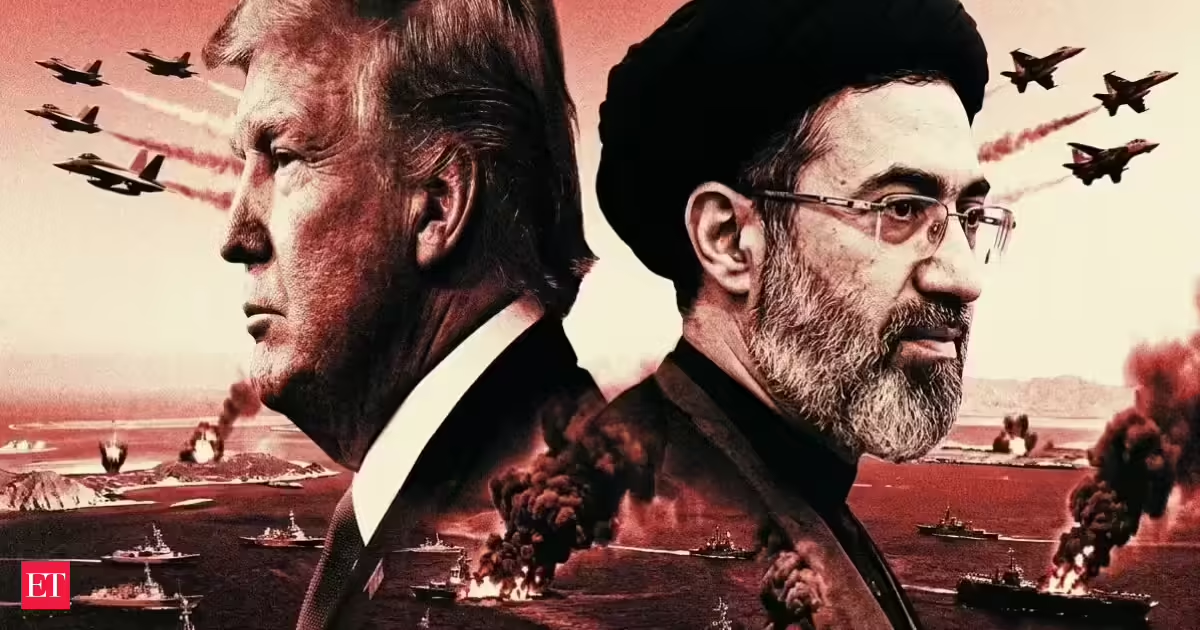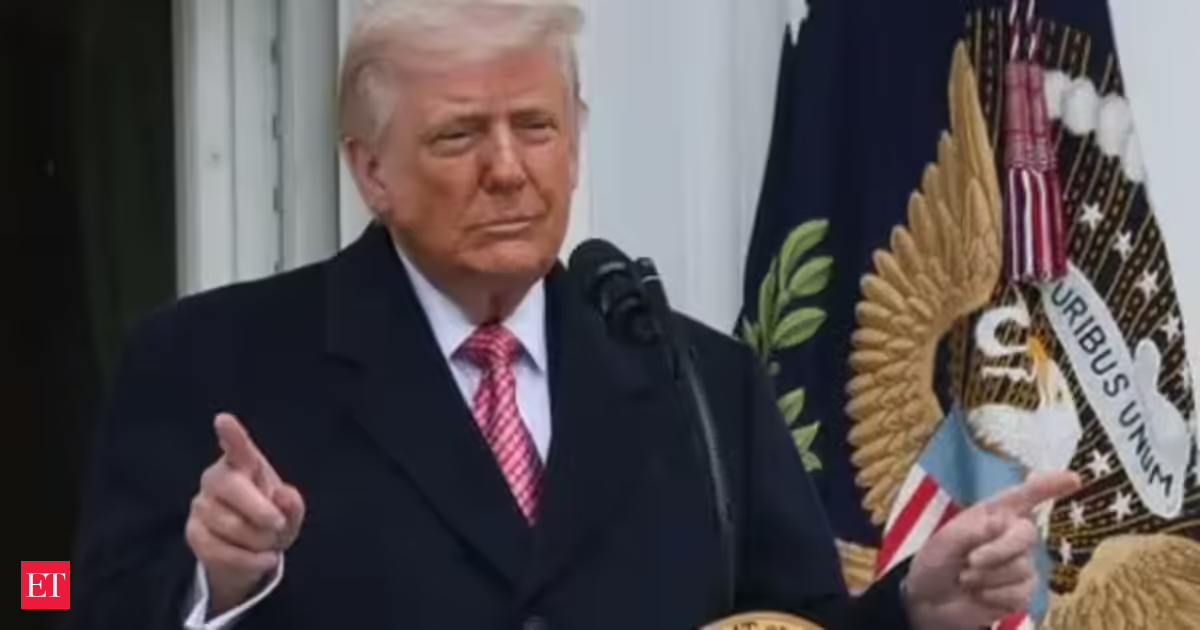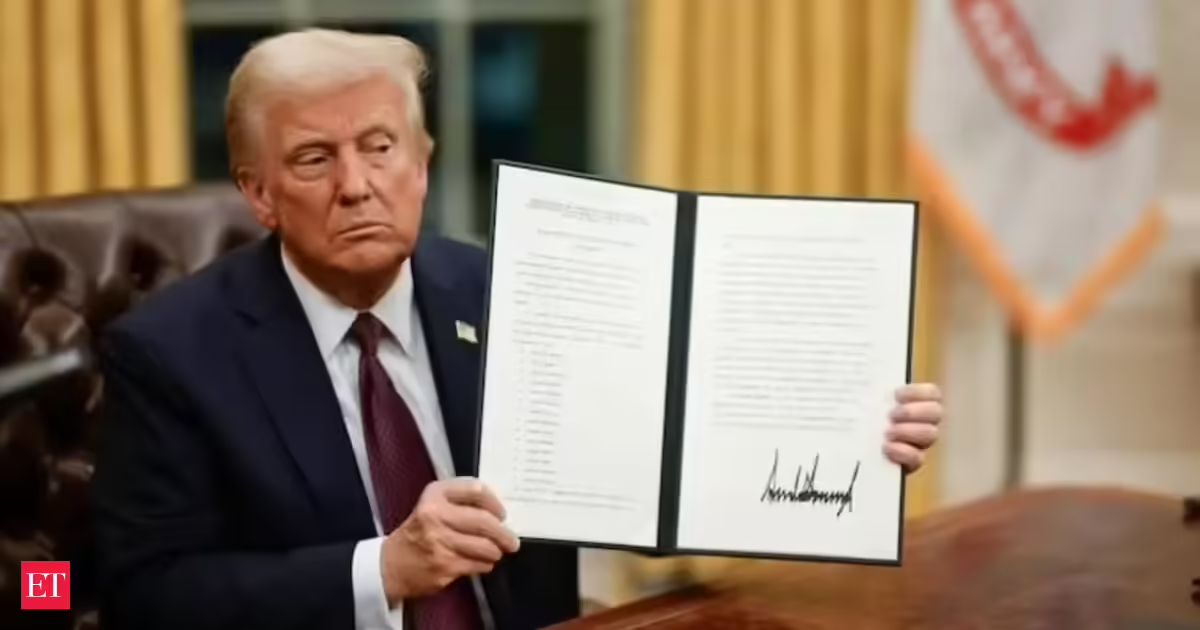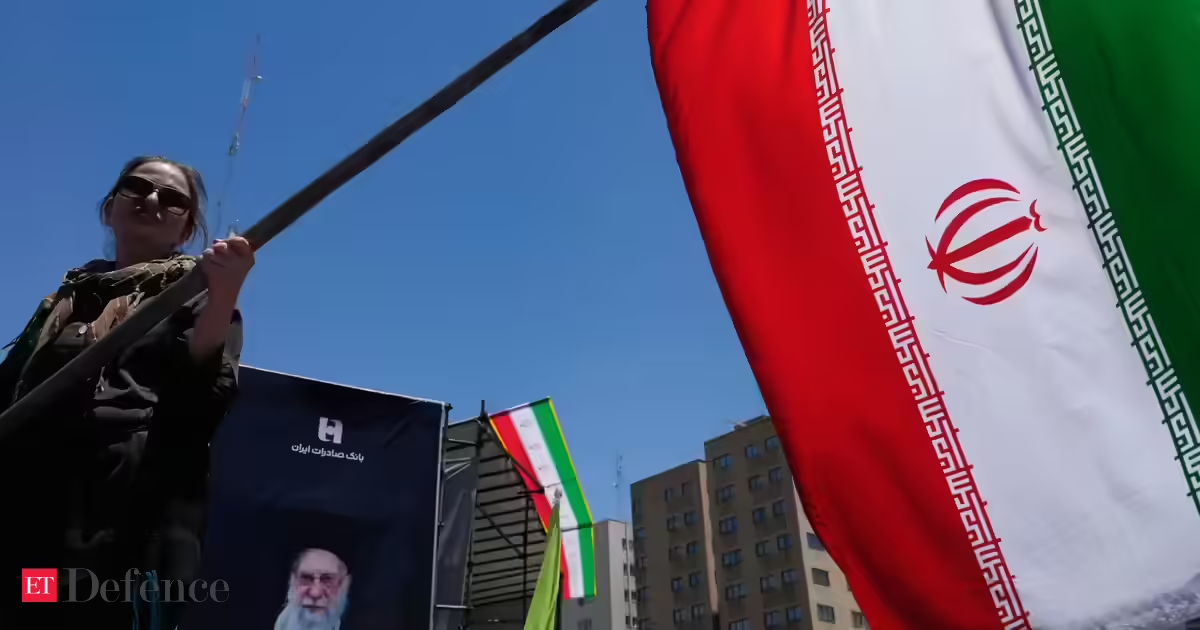
President Trump has endorsed a preliminary agreement with Iran, calling it “fair and good” while emphasizing that the United States is not investing any money in the country. The deal, reached on June 15, outlines a 60-day framework for nuclear negotiations and represents the first meaningful diplomatic channel between Washington and Tehran since Trump pulled out of the JCPOA back in 2018.
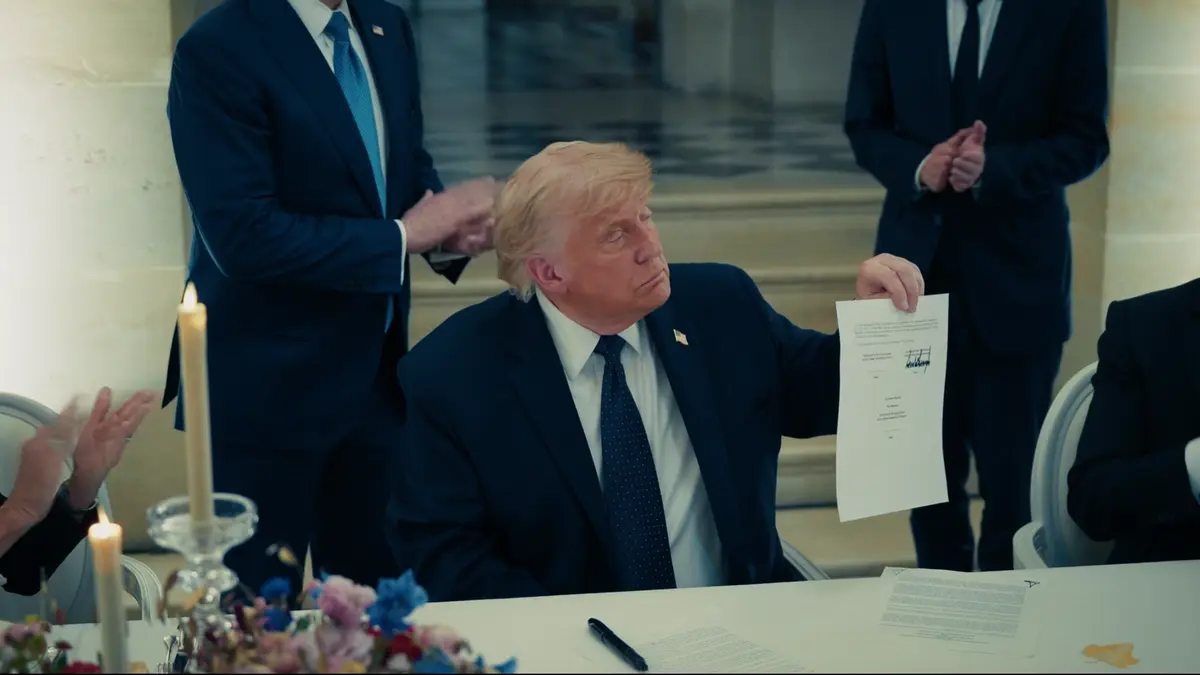
The formal signing ceremony is scheduled for June 19. Between now and then, both sides are navigating a minefield of competing narratives about what the deal actually includes.
What’s in the deal, and what’s not
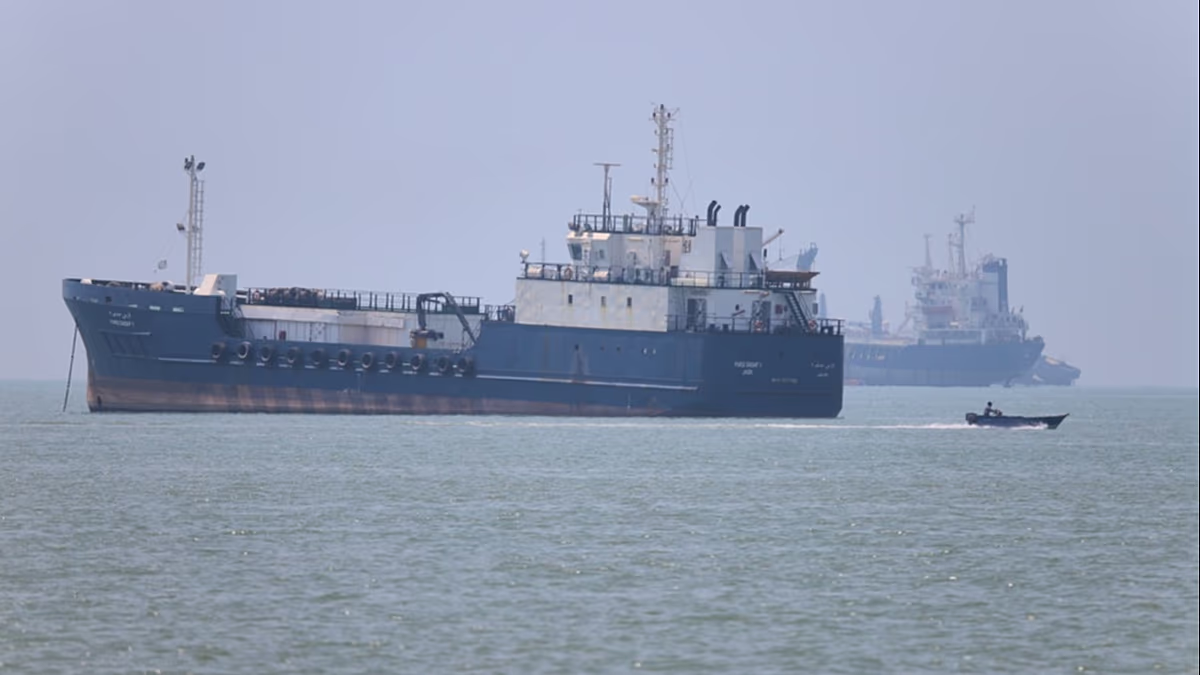
The memorandum of understanding covers three core areas: extending a ceasefire, commencing nuclear talks, and partially reopening the Strait of Hormuz. That last point matters enormously for global energy markets, given that the Strait is one of the most strategically important chokepoints for oil shipments on the planet.
Under the agreement, the Strait of Hormuz will be “permanently toll-free,” and the US naval blockade on Iranian ports will be lifted.