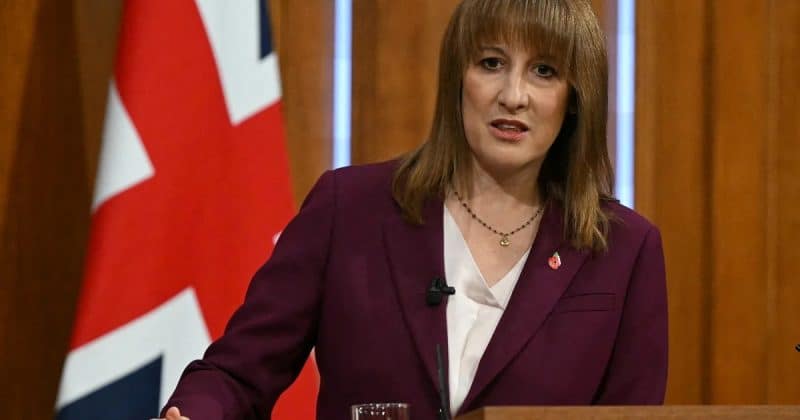
UK Chancellor Rachel Reeves told Parliament on May 21 that government borrowing fell by £20 billion compared to the previous year, framing the reduction as the centerpiece of a broader effort to wean Britain off its deep dependence on gilt markets for funding.
Gilt markets have swung between sell-offs triggered by tax policy shifts and rallies following Budget details in late 2025, creating volatility that has defined the backdrop for Reeves’ fiscal strategy.
What Reeves is actually proposing
The chancellor’s pitch boils down to a straightforward promise: drive the UK’s annual fiscal deficit below 2% by 2031 while staying within self-imposed rules on debt-to-GDP ratios. Reeves is forecasting further borrowing reductions ahead, though the specifics of how subsequent cuts will be achieved remain a work in progress.
Economists have been pushing for a broader rethink of how the UK government funds itself, including calls for reforms at the Bank of England. The argument isn’t just about spending discipline. It’s about whether the structural relationship between Westminster and the gilt market needs to fundamentally change.