Birth fractured my sense of time—of how time unfolded. I had previously taken for granted that time passed swiftly from one moment to the next. I organized my understanding of my own life according to the idea that time moved forward. I drew timelines on the whiteboards of my classrooms for my students, to help them understand cause and effect, event and transformation, the slow movement of one period of history into a subsequent one. I did not question the forward, onward, progression of time, not in arranging the sequences of my own life or in arranging the sequences of the past. And this easy understanding of temporality, in turn, took form in my writing. Thought followed thought; argument proceeded logically. I did not question the shape of the plot.Article continues after advertisement
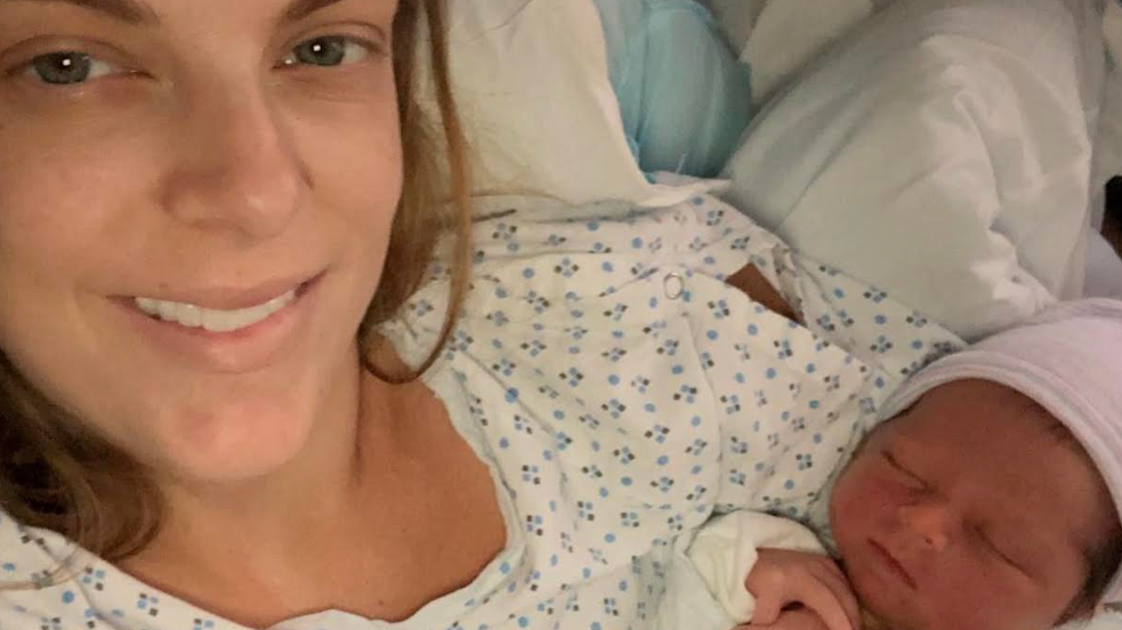
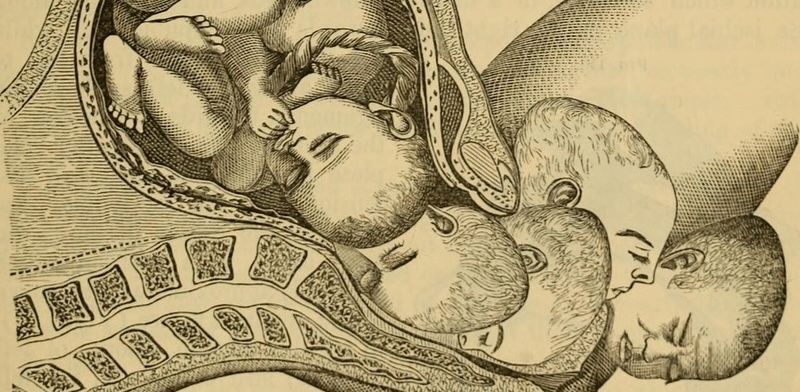
This all ended when I gave birth. Sequence unraveled, and with it the onward rush, progression, the sense of one event coming after another; my understanding of cause and effect, of the chronological chopping-up of time both personal and historical—before and after, premodern and modern—all blurred, folded, unraveled out of reach. Birth taught me—forced me—to imagine and experience temporality differently. Partly it was the time of labor, which was a kind of temporality I had never before experienced. To bear something unbearable for so long; for the pain not to recede, not to get better, but to arrive cyclically: this changed my understanding of how time itself could flow. Afterwards, I experienced memory in waves, and time itself moved in waves. I went into labor at eleven in the morning on a Tuesday, and my son was born around one in the afternoon the following day. For weeks after his birth, I relived that cycle of time. Each Tuesday into each Wednesday. And then each month; and then, finally and with an unforgettable intensity, on his first birthday. And then, after that first year, time rearranged itself again; and I was released from the tug of its tides.