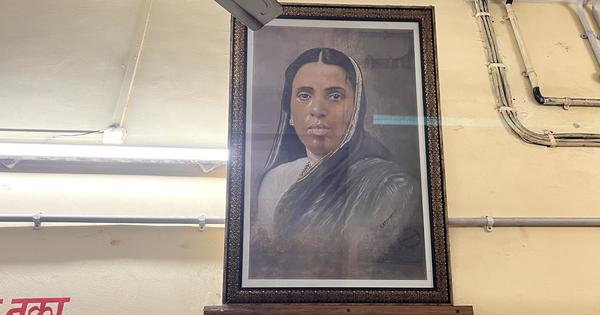
A Bengali writer, educator, political activist and feminist thinker, Begum Rokeya adorned multiple hats throughout her life.
| Photo Credit: Wikimedia Commons
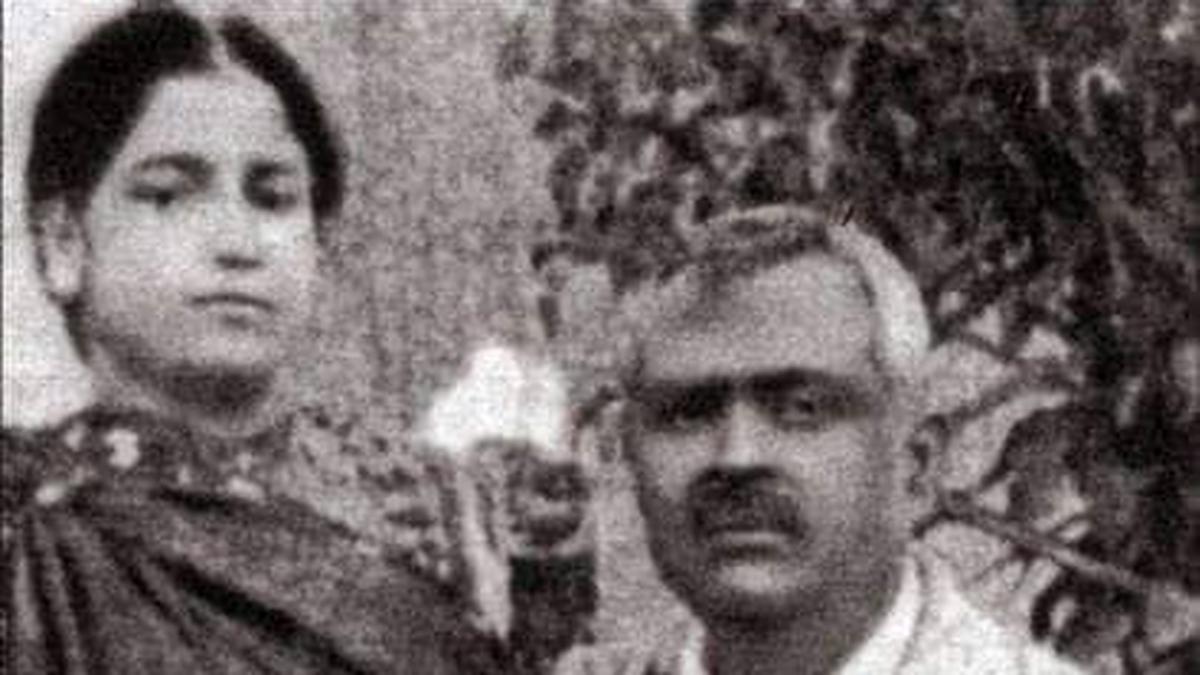
Imagine West Bengal and Bangladesh in the late 1800s. Calcutta was thriving as a cradle for the Bengal Renaissance, seeing revolutionary changes day by day. In the Rangpur district of present-day Bangladesh, Zahiruddin Muhammad Abu Ali Saber and Rahatunnessa had a beautiful young girl child. Nobody imagined that the young girl born into quite a traditional family would go on to become a major face of women’s empowerment in the coming years. This is the story of Rokeya Sakhawat Hossain, or Begum Rokeya. A Bengali writer, educator, political activist and feminist thinker, Begum Rokeya adorned multiple hats throughout her life. In an era where Bengali Muslim women were often confined to their homes and education was considered a privilege reserved solely for men, she wielded her pen to challenge patriarchal society and founded the first school for educating Muslim girls in Calcutta. Far ahead of her time, Begum Rokeya managed to empower so many women within the community and outside to stand up for themselves and pursue their dreams. Growing upEven though she was born into a wealthy family, Begum Rokeya was not encouraged to go to school due to the societal norms around her at the time. It is said that she managed to secretly study how to read and write with the help of some family member(s). At the age of 16, she was married to Syed Sakhawat Hossain, an older widower. However, her husband turned out to be liberal and believed that everyone should get an education. He is believed to have also encouraged her to continue her studies and helped her start publishing her writings post-marriage. Life as a writerIt was in 1904 that Begum Rokeya first published Motichur, a collection of essays that addressed the oppression faced by women and urged for women’s emancipation as essential for India’s independence. This move was a very important moment in the journey of feminist literature and always urged women to break the shackles of patriarchy. A few famous works of hers are Sultana’s Dream, a satirical Utopian story, Padmarag and Abarodhbasini.