Guest Post by Yoon Auh, Founder of BOLTS Technologies
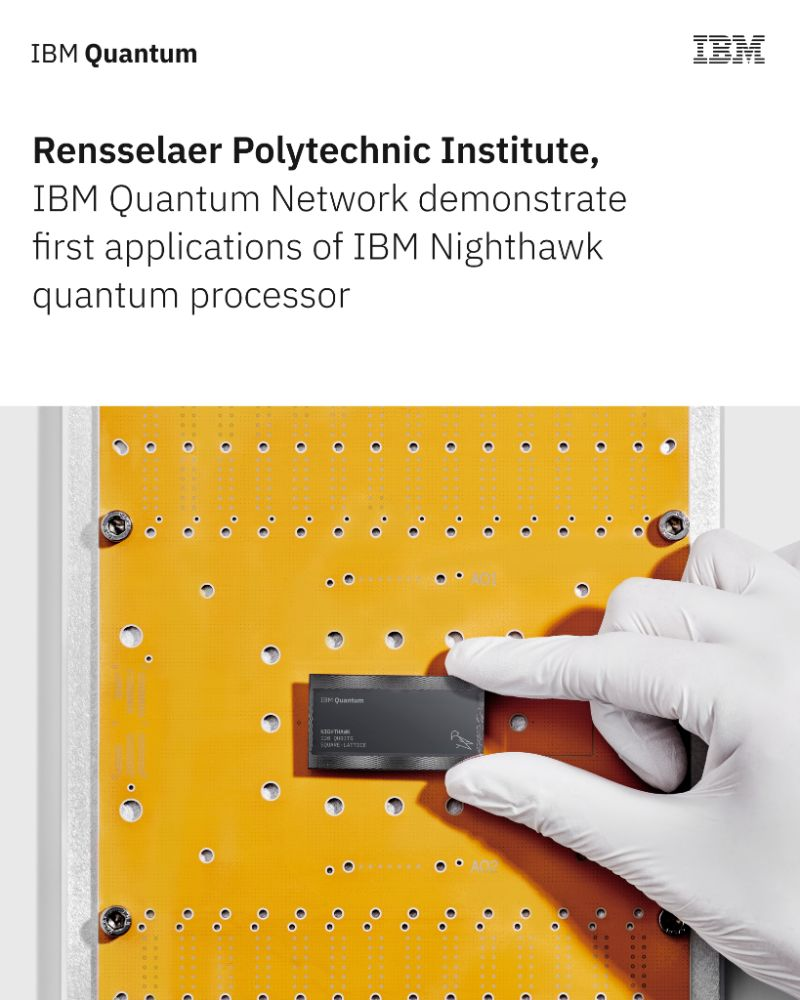
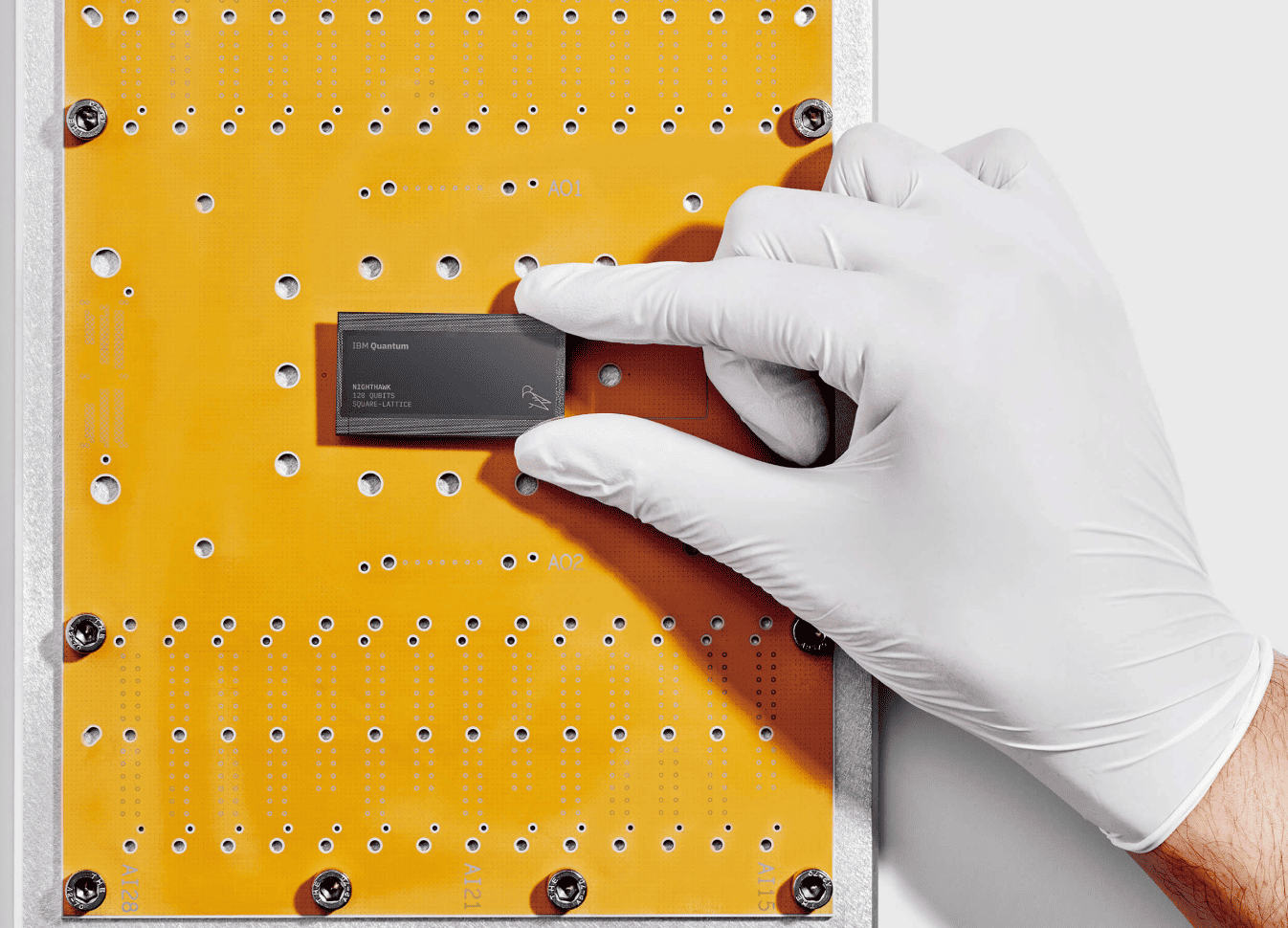
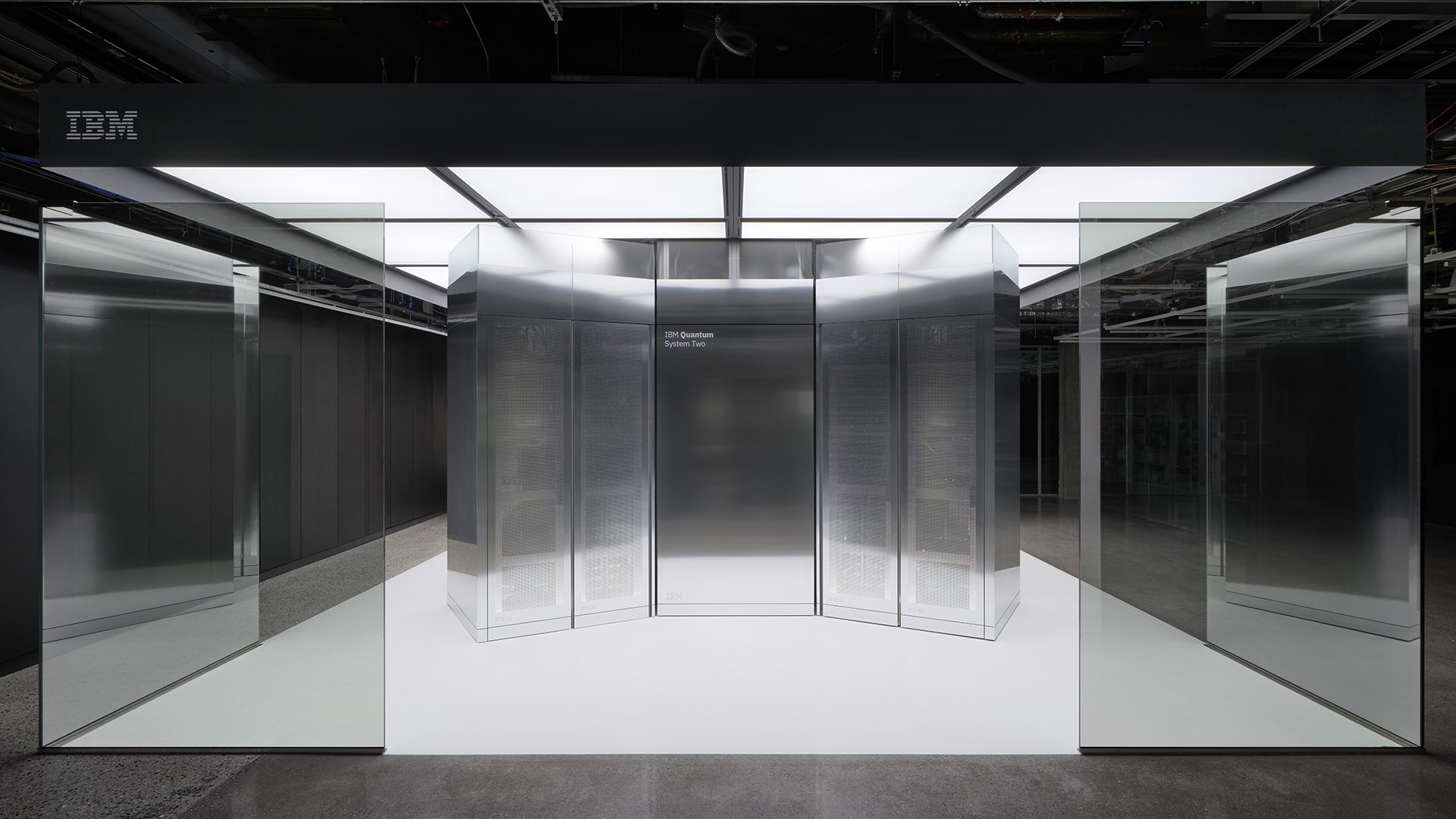
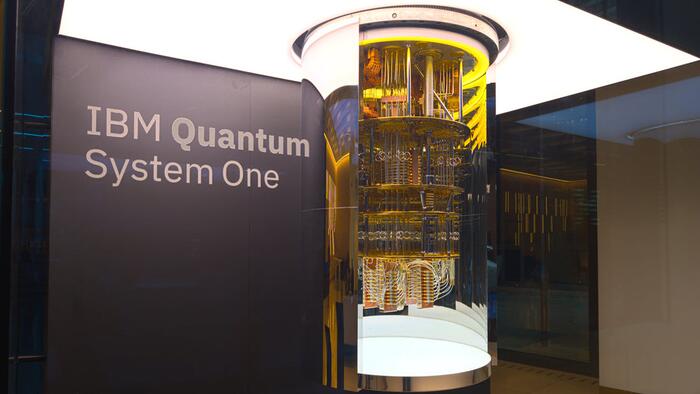
IBM’s recent announcement that it plans to invest more than $10 billion over the next five years to fund its quantum roadmap, including its stated goal of delivering a large-scale fault-tolerant quantum computer by 2029 has generated exactly the kind of headlines you would expect.
Quantum computing is one of those technologies that naturally attracts grand predictions, dramatic warnings, and more than a little science fiction. But whenever quantum appears in the news, I find it useful to start with a more precise question: What part of the quantum stack is actually moving?
Too often, the public conversation treats quantum computing as a single technology progressing along a single timeline. In reality, quantum development consists of several different tracks moving at different speeds. Some advances affect hardware, others affect algorithms, others affect cybersecurity, communications, sensing, or manufacturing. Let’s not forget that some of these paths will be dead ends.
Viewed through that lens, IBM’s announcement is significant, but perhaps not for the reasons many people assume.