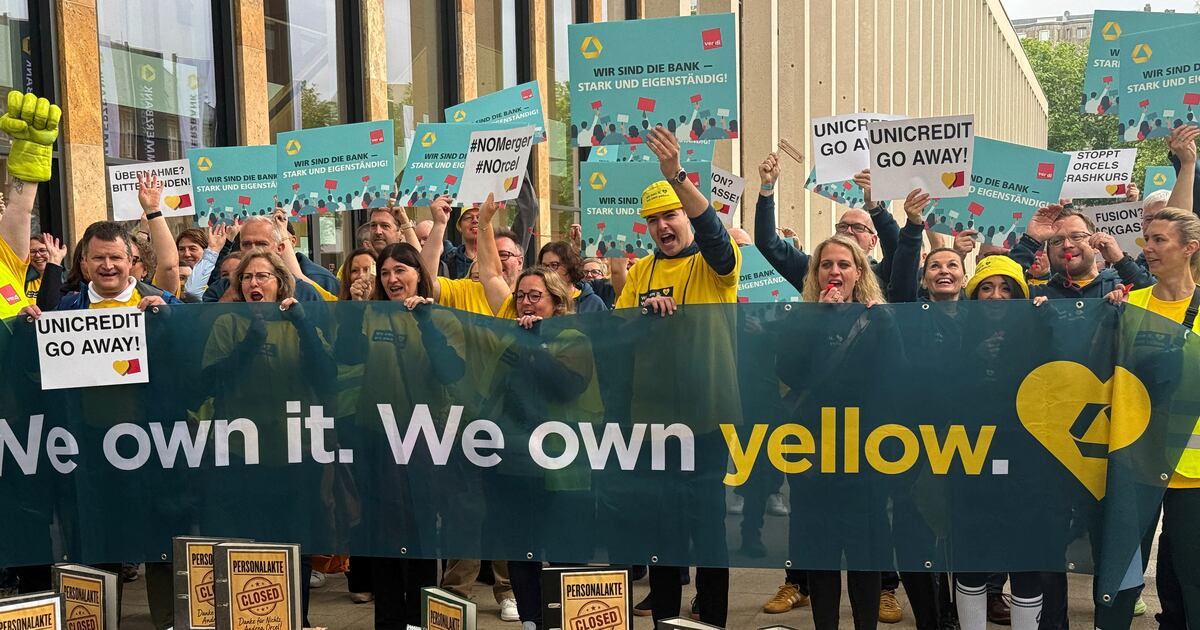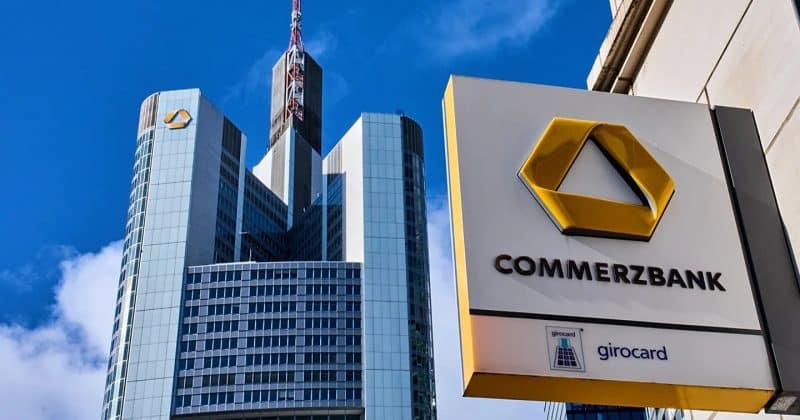
Germany just told one of Europe’s largest banks to back off. The German government has formally rejected UniCredit’s €39 billion unsolicited bid for Commerzbank, making clear that keeping the country’s second-largest lender independent is a matter of national economic priority.
The offer Commerzbank didn’t want
UniCredit formally launched its unsolicited takeover offer on May 18, proposing a share-swap deal of 0.485 new UniCredit shares for each Commerzbank share. That valued Commerzbank at roughly €39 billion, implying a price of around €30.8 per share, representing only about a 4% premium to Commerzbank’s share price at the time.
Commerzbank’s board rejected the bid, citing three main objections: the premium was insufficient, the offer undervalued the bank relative to market prices, and UniCredit’s exposure to Russia posed material risks.
The German government’s position was even more blunt. Chancellor Friedrich Merz’s administration had already labeled the potential takeover “unacceptable” back in March, well before UniCredit’s formal offer landed. Berlin’s reasoning centers on Commerzbank’s role as a primary lender to Germany’s Mittelstand, the small and medium-sized enterprises that form the backbone of Europe’s largest economy.