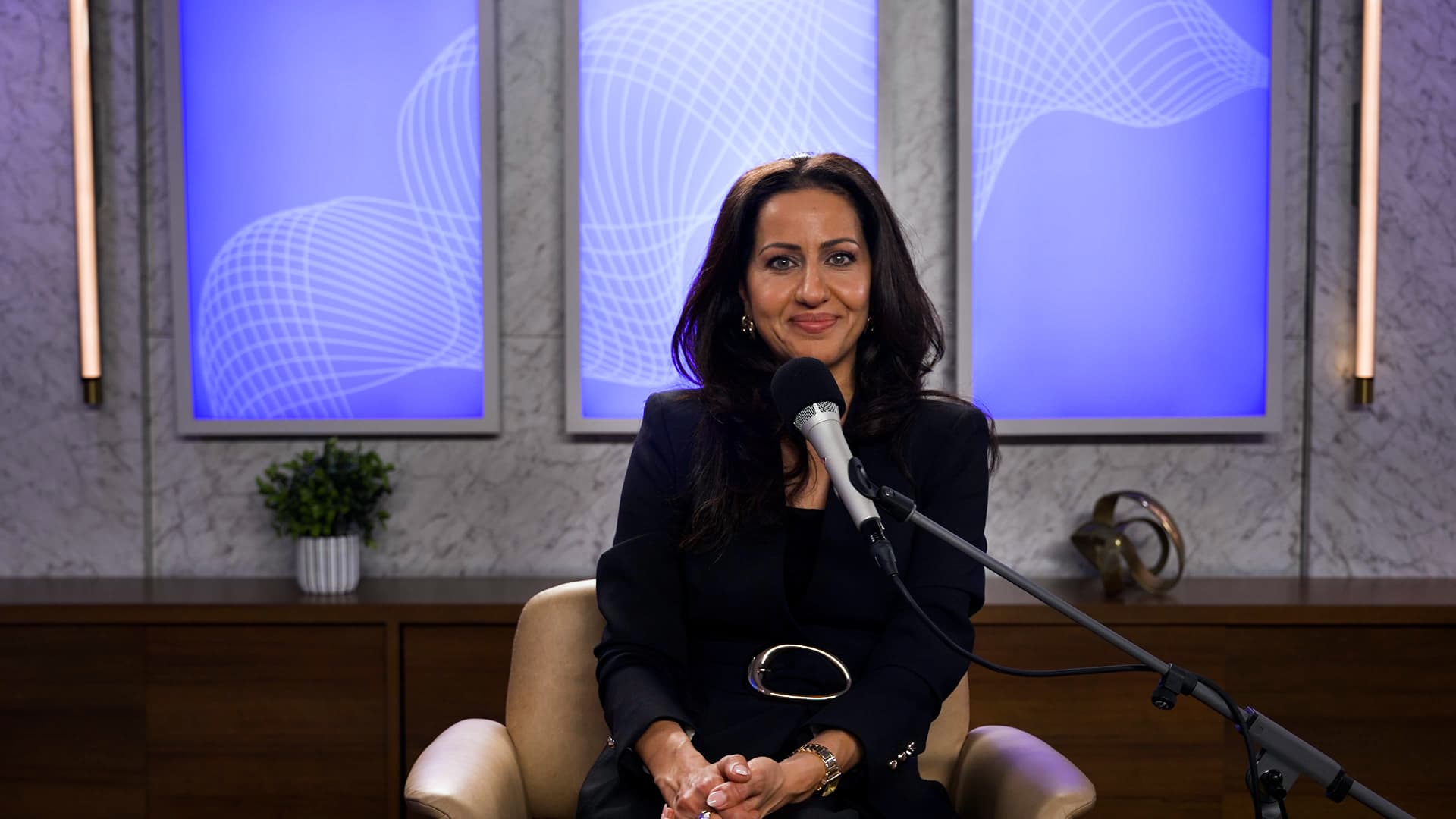
Parents often focus on helping their children succeed. Good grades, strong manners and confidence are usually high on the list of priorities. But according to parenting expert Reem Raouda, one crucial skill is being overlooked in many households today, emotional safety.Speaking to CNBC, Raouda said that children thrive when they feel safe enough to express their thoughts, emotions and needs without fear of being dismissed or judged. Based on her work studying more than 200 children, she believes emotional safety plays a major role in shaping resilient, confident adults."How safe your child feels with you today shapes who they become as adults," she told CNBC.Why Emotional Safety Matters for ChildrenAccording to Raouda, many behavioural issues are rooted in a child's discomfort with expressing emotions.She explained that beneath defiance, withdrawal or challenging behaviour, there is often a child who does not feel fully comfortable sharing what they truly feel.When children learn that their emotions are accepted rather than criticised, they are more likely to develop confidence, self-awareness and resilience later in life.Stop Rushing Children Through Difficult EmotionsOne of the biggest mistakes parents make, according to Raouda, is trying to quickly fix emotional situations.Parents often respond to tears with phrases such as "You're okay" or tell upset children to calm down immediately. While these responses are usually well-intentioned, they can unintentionally teach children to suppress their feelings.Instead, she advises parents to remain present and allow children time to process emotions."I see you're really upset. I'm right here. Take all the time you need," is one example she shared with CNBC.The goal is to help children understand that emotions are manageable rather than something to be avoided.Let Children Trust Their Own FeelingsRaouda also highlighted the importance of allowing children to define their own experiences.Parents may sometimes dismiss a child's feelings without realising it by saying things such as, "You can't be tired" or "You're not really hungry."Over time, these responses can make children doubt their own instincts and emotions.Instead, she recommends asking open-ended questions such as "What do you think?" or "How do you feel?" and genuinely listening to the answer.Well-Behaved Doesn't Always Mean Emotionally SecureAnother point raised by Raouda is that outward behaviour can be misleading.Some children who appear exceptionally well-behaved may simply be adapting to meet expectations rather than feeling emotionally secure.They may have learnt that staying quiet, avoiding conflict or always pleasing others helps maintain approval and connection.By contrast, a child who feels safe enough to express frustration or disagreement may actually feel more emotionally secure within the family environment.Replace Constant Judgement With CuriosityRaouda believes parents can create stronger emotional connections by moving away from constant evaluation.Rather than focusing only on outcomes with comments like "good job" or expressing disappointment when things go wrong, she encourages parents to notice effort and ask questions.Simple observations such as "I noticed how hard you worked on that" can help children feel seen rather than judged.Similarly, asking children about their emotions can open up meaningful conversations and strengthen trust.Not Every Emotion Needs an Immediate SolutionModern parenting often involves a desire to solve problems quickly. However, Raouda says children also need space to think through their feelings independently.When parents respond immediately to every emotional moment, children may become dependent on external validation and guidance.Allowing pauses and simply being present can give children the opportunity to understand their own thoughts and emotions more clearly.Parents Need Emotional Awareness TooPerhaps the most important lesson, according to Raouda, is that emotional safety begins with parents themselves.Children are highly sensitive to emotional cues and can often recognise whether a parent is genuinely calm or simply trying to appear calm.She encourages parents to reflect on their own emotional reactions and triggers before responding to difficult situations.Before reacting, she often asks herself: "Whose feelings am I actually reacting to right now? Mine or theirs?"The Bigger Parenting LessonAs families navigate the pressures of modern life, Reem Raouda's message is simple. Raising emotionally healthy children is not about having perfect answers or fixing every problem.Instead, it is about creating an environment where children feel safe to be themselves, express their emotions honestly and trust their own inner voice.According to Raouda, that sense of emotional safety may be one of the greatest gifts a parent can offer.
Parenting expert who studied more than 200 children says this is the No. 1 skill parents just forget to teach kids now
Parenting expert Reem Raouda says emotional safety is one of the most important yet often overlooked factors in a child's development. According to her, children thrive when they feel safe expressing their thoughts, feelings and needs without fear of judgment, helping them grow into more confident, resilient and emotionally healthy adults.
702 words~3 min read