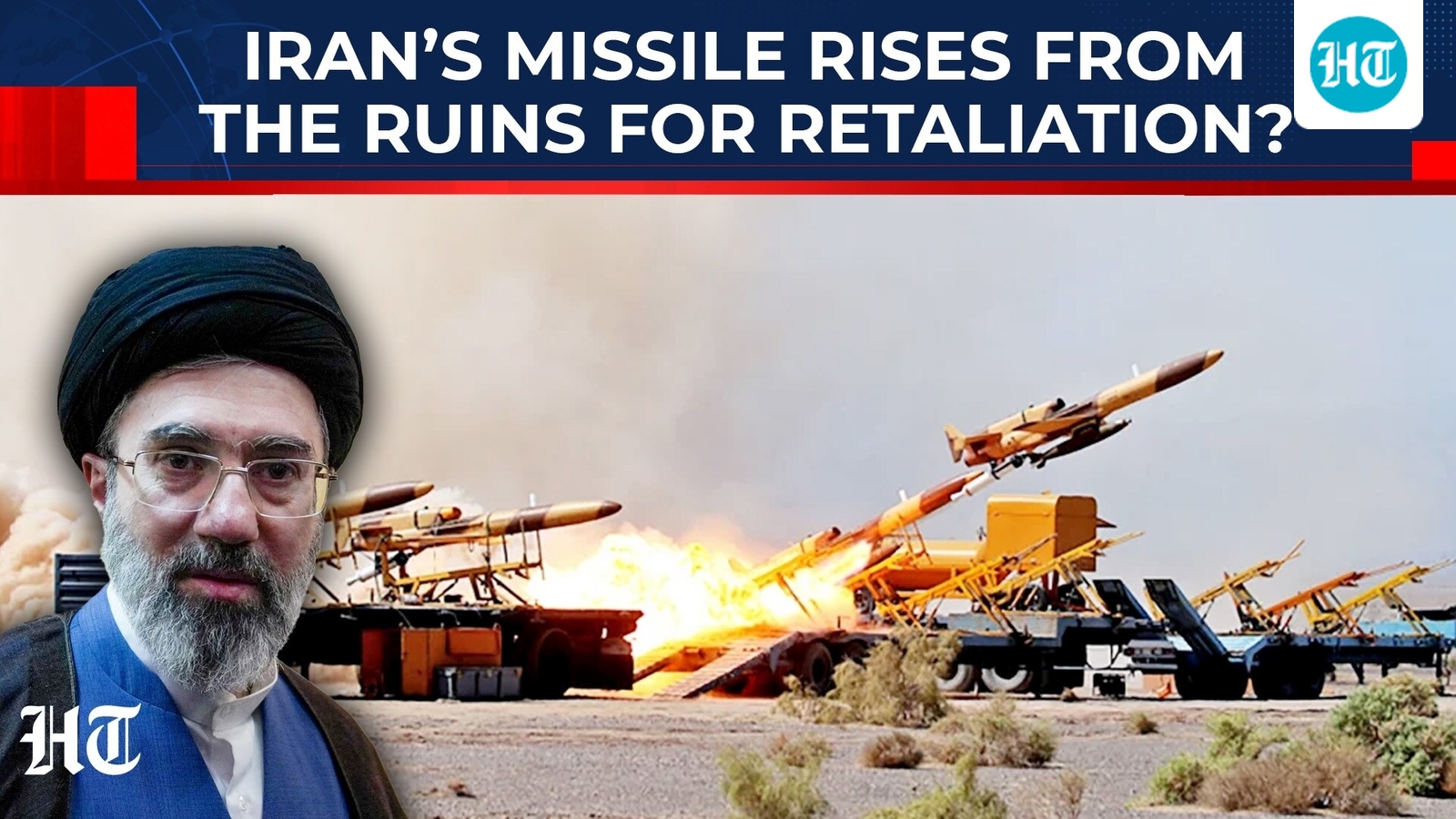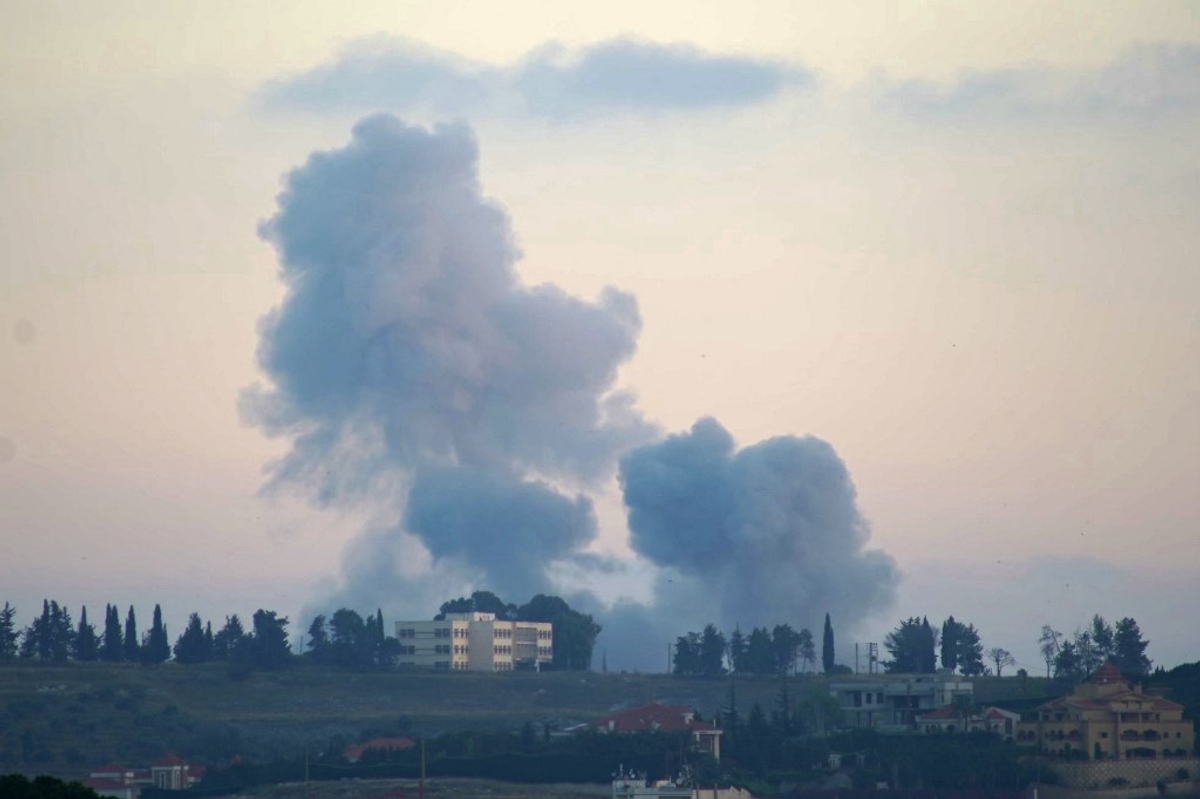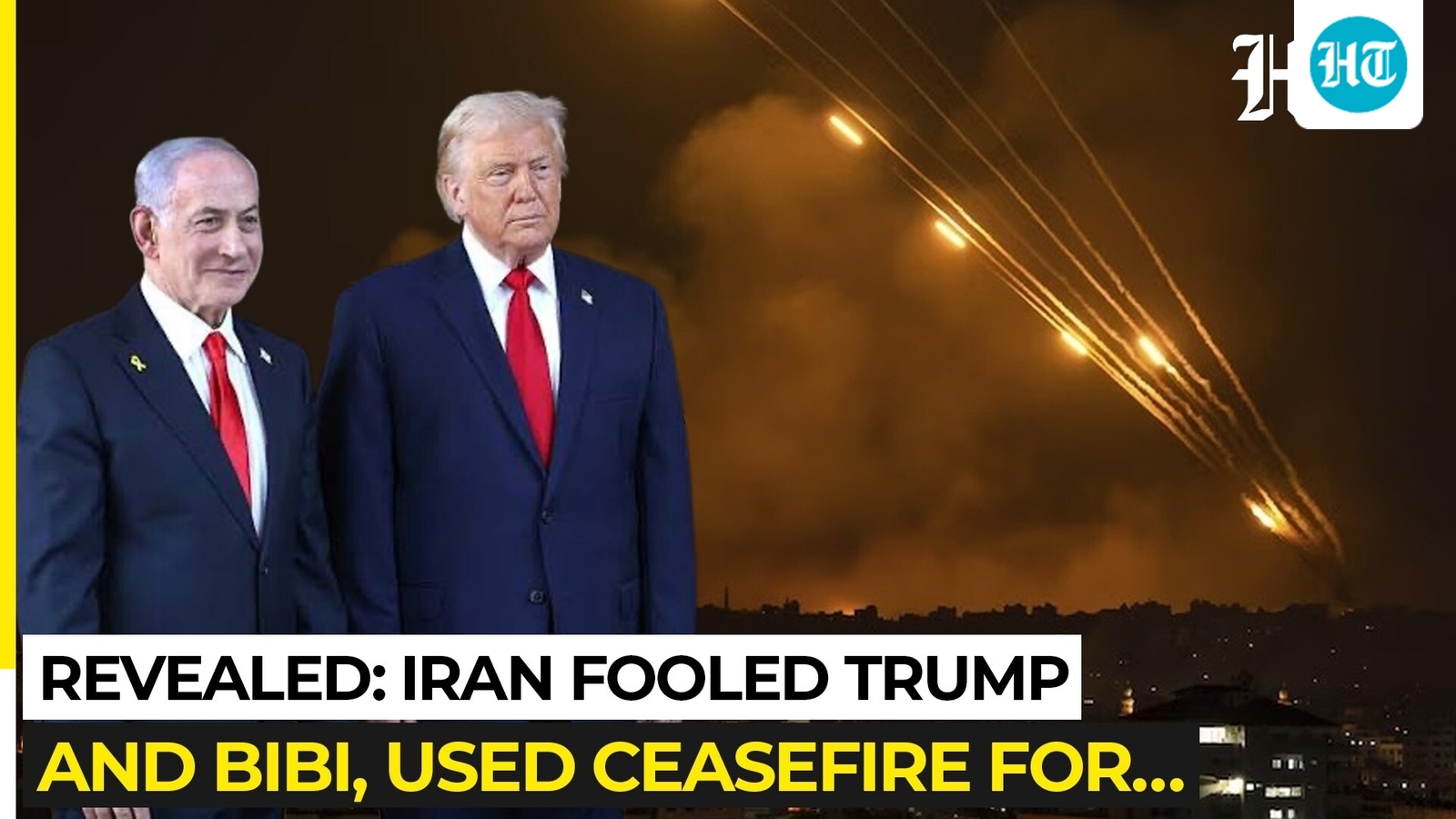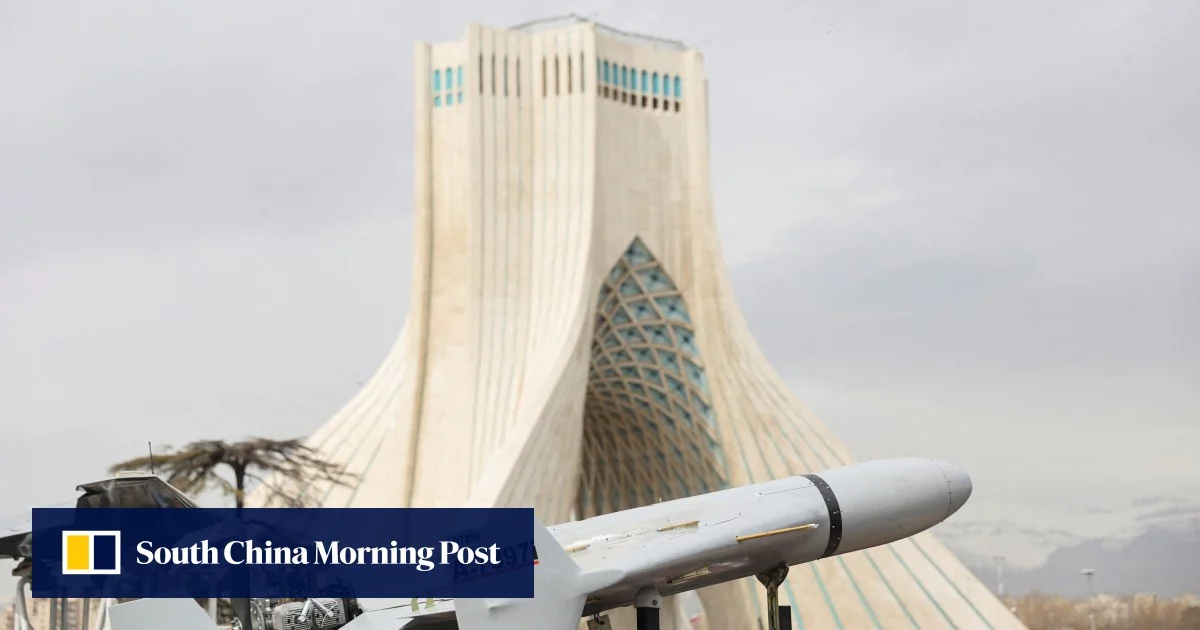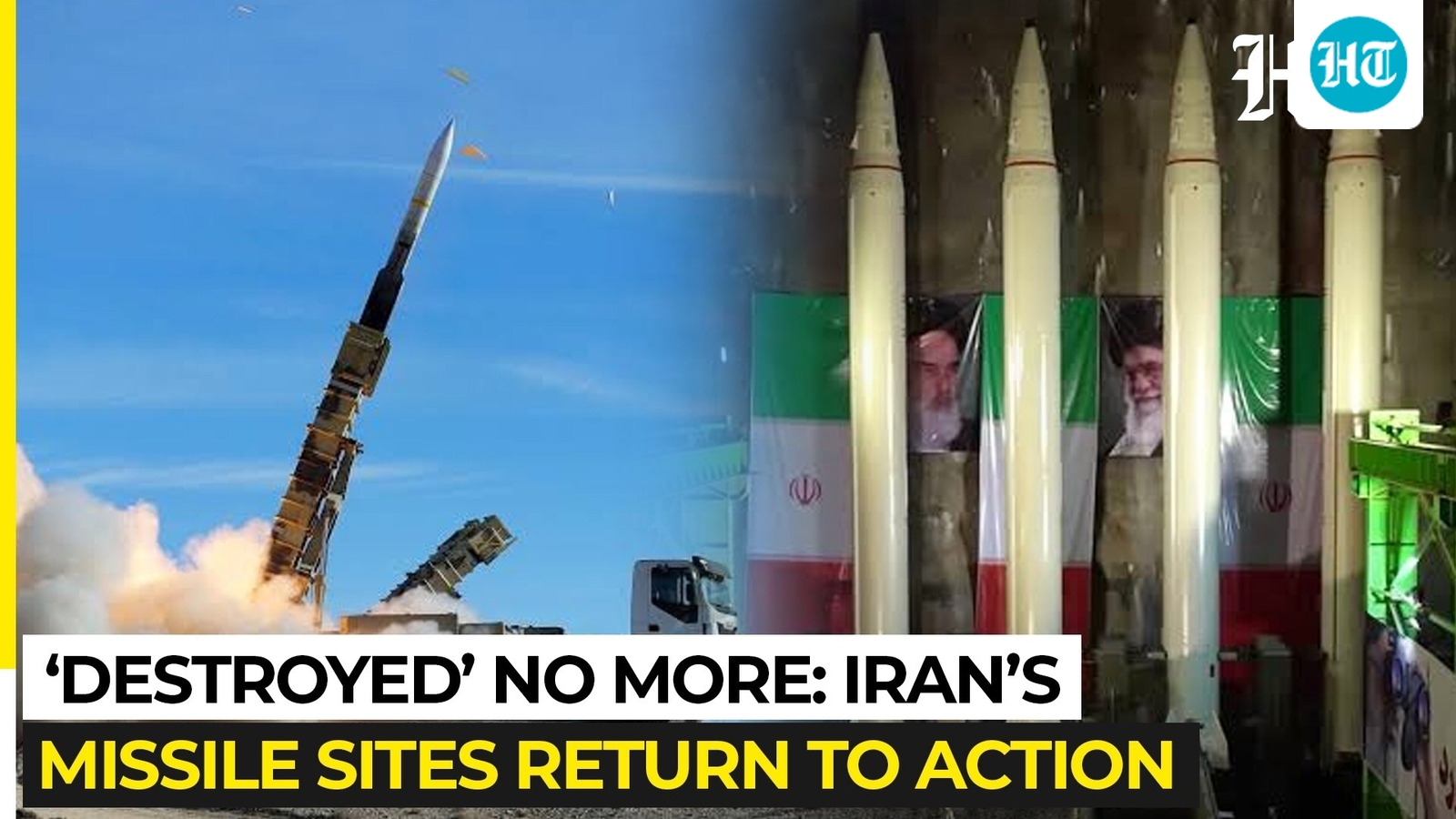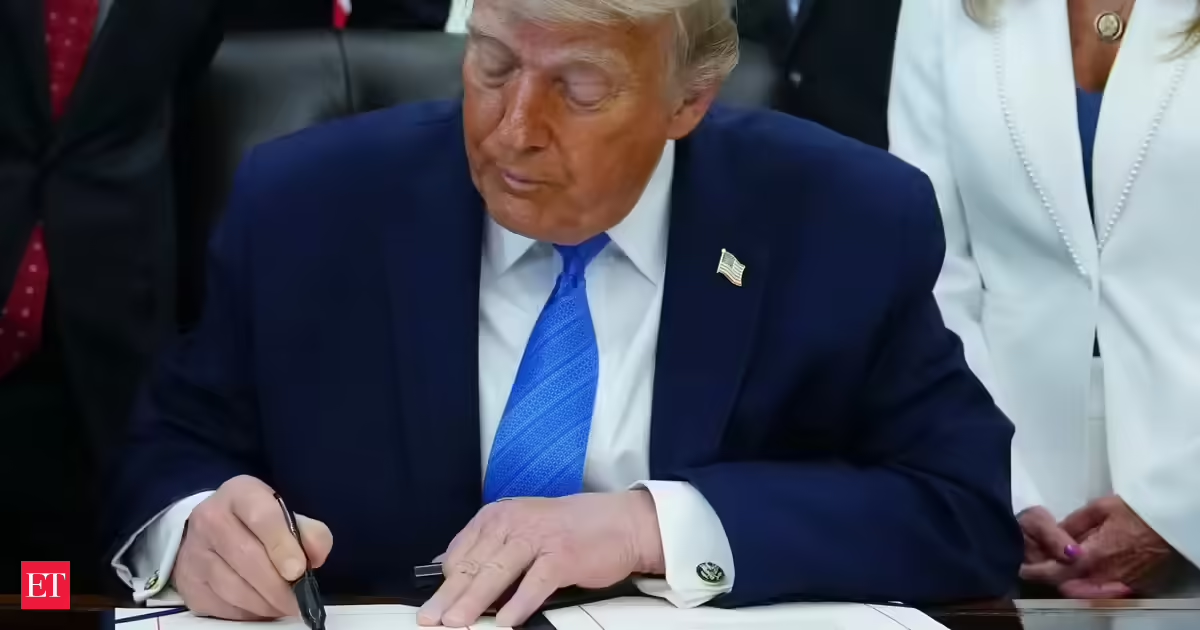
US-Iran Conflict: As the United States and Iran reached an agreement to end hostilities and entered into a ceasefire deal, paving the way for toll-free shipping through the Strait of Hormuz, Western allies believe that Tehran had likely used the eight-week ceasefire that took effect on April 8 to replenish large portions of its missile arsenal and add newly built Russian weapons to its inventory.The assessment, which indicated that Iran had rebuilt enough military capability to respond at nearly full strength if hostilities were to resume, challenged claims made by the U.S. president, Donald Trump, who said last week that the Gulf country had only 21% to 22% of its missile stockpile remaining.Tehran has about three-quarters of the munitions it had before the war and can easily build it up further, Bloomberg reported, citing intelligence assessments. One assessment went so far as to suggest that Iran’s military capabilities now include unspecified Russian-made missiles believed to have been manufactured within the past year. At the time this report was published, Russia’s Ministry of Defence had not responded to requests for comment on the allegation.What claims did Trump make about Iran’s missiles and drones?While speaking during NBC’s “Meet the Press,” Trump claimed that the U.S. has “totally destroyed their (Iran’s) military.” He further stated that Iran still does have some missiles and drones. “Most of the drone factories have been knocked out, most of the launching pads have been knocked out, and most of the missile manufacturing areas have been knocked out. But they still have capacity. They have some missiles, they have some drones,” he said.“I would say percentage-wise, maybe 21%-22% of their missiles. It’s a lot of missiles, but it’s not what it was when we first attacked.” During the period between February 28 and April 8, when the ceasefire came into force, Iran fired more than 1,850 missiles across the region, in addition to at least double that number of rudimentary Shahed-type cruise missiles.Washington claimed Iran’s offensive capability was reduced by 90 percent. According to Bloomberg, intelligence assessments in March estimated that Iran still had roughly 60 percent of its pre-war missile stockpile at its disposal, even as U.S. and Israeli air operations sought to undermine its long-range strike capabilities.During the first month of the war, the U.S. and Israel estimated that they had destroyed about two-thirds of Iran’s missile launchers, with U.S. Defense Secretary Pete Hegseth claiming in mid-March that the regime’s offensive capabilities had been reduced by 90 percent.Shaheds are propeller-driven cruise missiles capable of traveling more than 1,000 kilometers (621 miles). Built largely from off-the-shelf components, each unit costs less than US$50,000 to produce. A person who refused to be identified told Bloomberg that Iran could build new Shaheds with access to fiberglass, explosives, guidance systems, and motors, although some of those materials, particularly explosives, are difficult to acquire after weeks of bombing.
Did Trump lie about ‘totally destroying’ Iran’s military? Fresh intelligence assessments claim Tehran rebuilt its depleted missile stockpiles during ceasefire
Fresh intelligence assessments suggest that Iran used a recent ceasefire to rebuild its missile stocks and acquire new Russian arms. This assessment challenges Donald Trump's assertion that Iran's military was significantly weakened. Intelligence suggests Tehran now possesses substantial missile capabilities, potentially including recent Russian-made weapons. The situation indicates a complex geopolitical dynamic following the hostilities.
477 words~2 min read