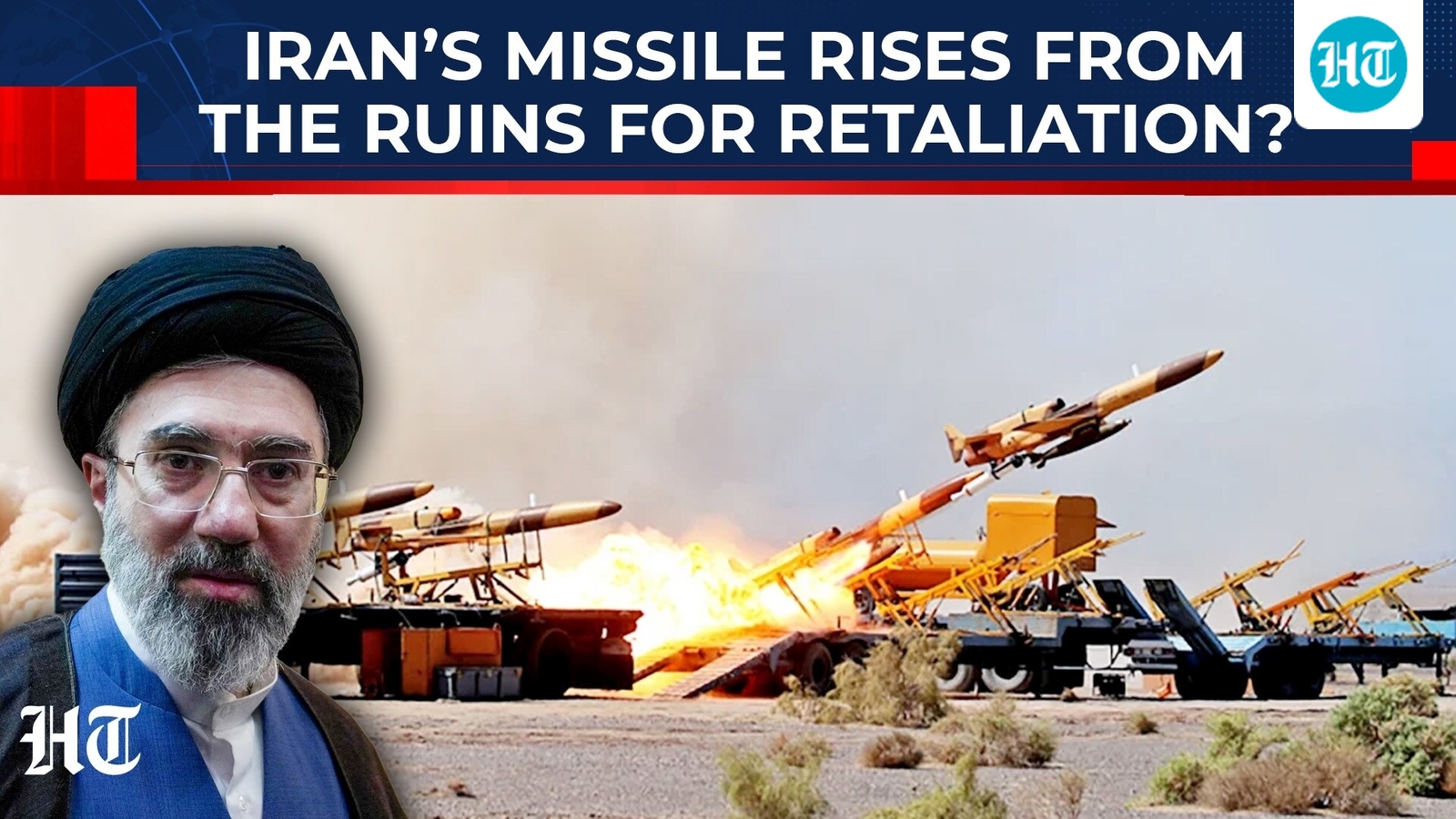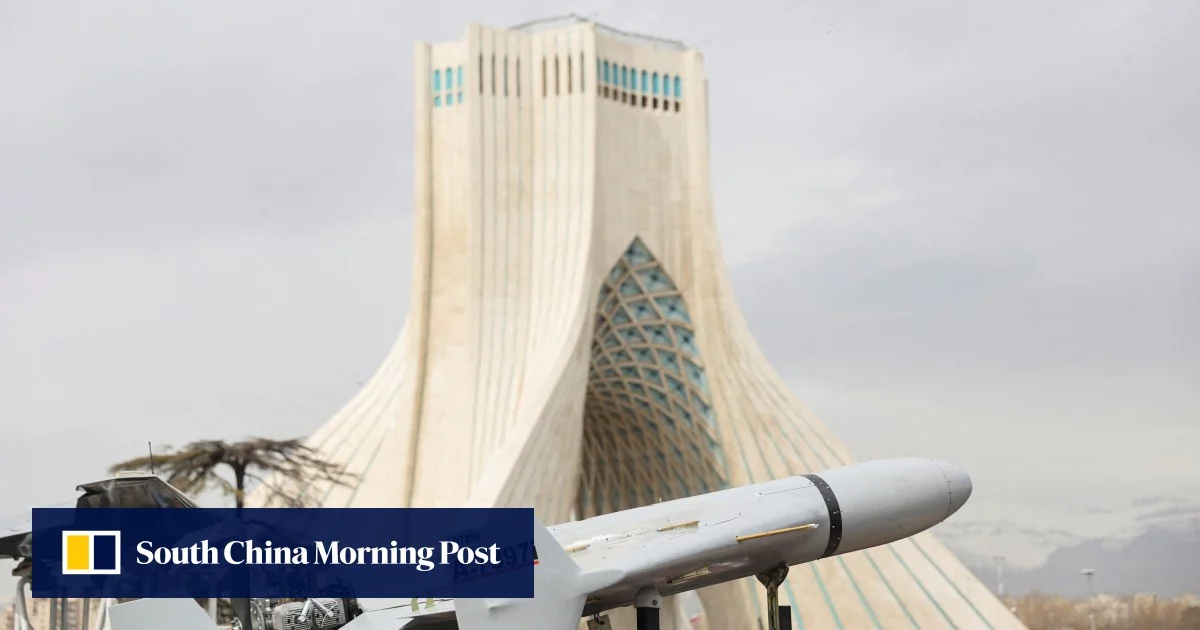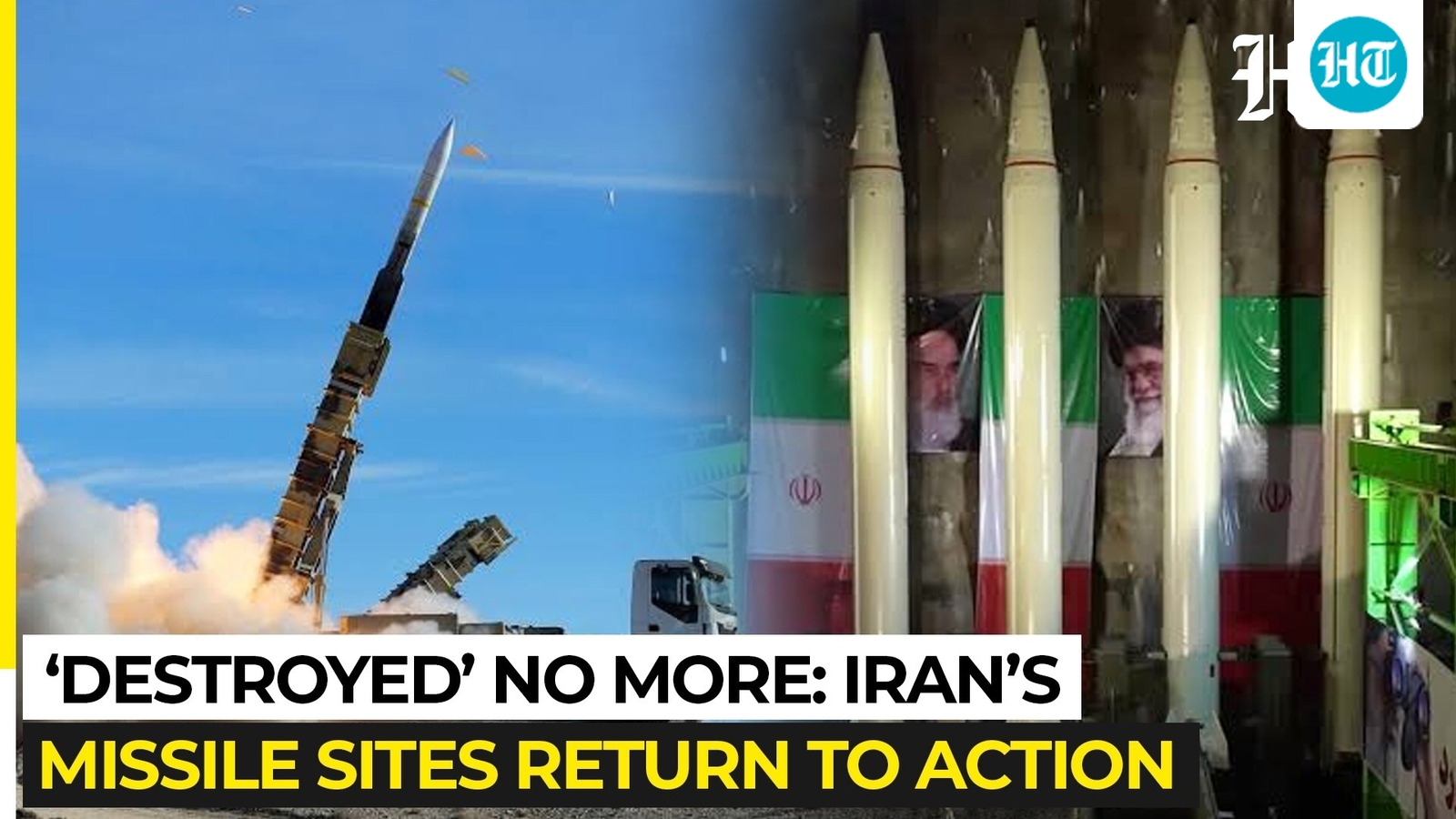
Iran has reconstructed the vast majority of its long-range strike arsenal. Tehran effectively used a brief diplomatic truce with the US to nullify months of Western airstrikes and integrate freshly manufactured Russian weapons. Defying the 90% degradation narrative According to Bloomberg, intelligence agencies estimate that Tehran currently holds approximately 75% of its pre-war missile and drone reserves. Furthermore, the country maintains the domestic industrial capacity to rapidly accelerate production if full-scale hostilities resume.JOIN US ON TELEGRAMFollow our coverage of the war on the @Kyivpost_official. The data contradicts triumphant public declarations made by Western military leaders during the initial phases of the war. Following an air campaign designed to permanently cripple Tehran’s offensive infrastructure, US and Israeli forces claimed to have obliterated two-thirds of Iran’s mobile launch platforms. By mid-March, US Defense Secretary Pete Hegseth confidently asserted that Iran’s long-range strike capabilities had been diminished by 90%. However, intelligence files indicate that the bulk of Iran’s sophisticated ballistic missile technology remained safely insulated inside deeply buried underground bunkers. While heavy Western bunker-busters successfully collapsed the exits of these subterranean complexes, the structural cores remained entirely intact. Once the temporary truce took effect on April 8, Iranian engineering corps cleared the debris, excavated the buried transit tubes, and began overhauling their launcher networks.
Strategic Failure: Iran Defies US Bombs, Rebuilds Missile Fleet via Underground Bunkers
Tehran restored three-quarters of its pre-war missile arsenal during the recent truce, heavily undermining previous Pentagon claims of its destruction.
676 words~3 min read