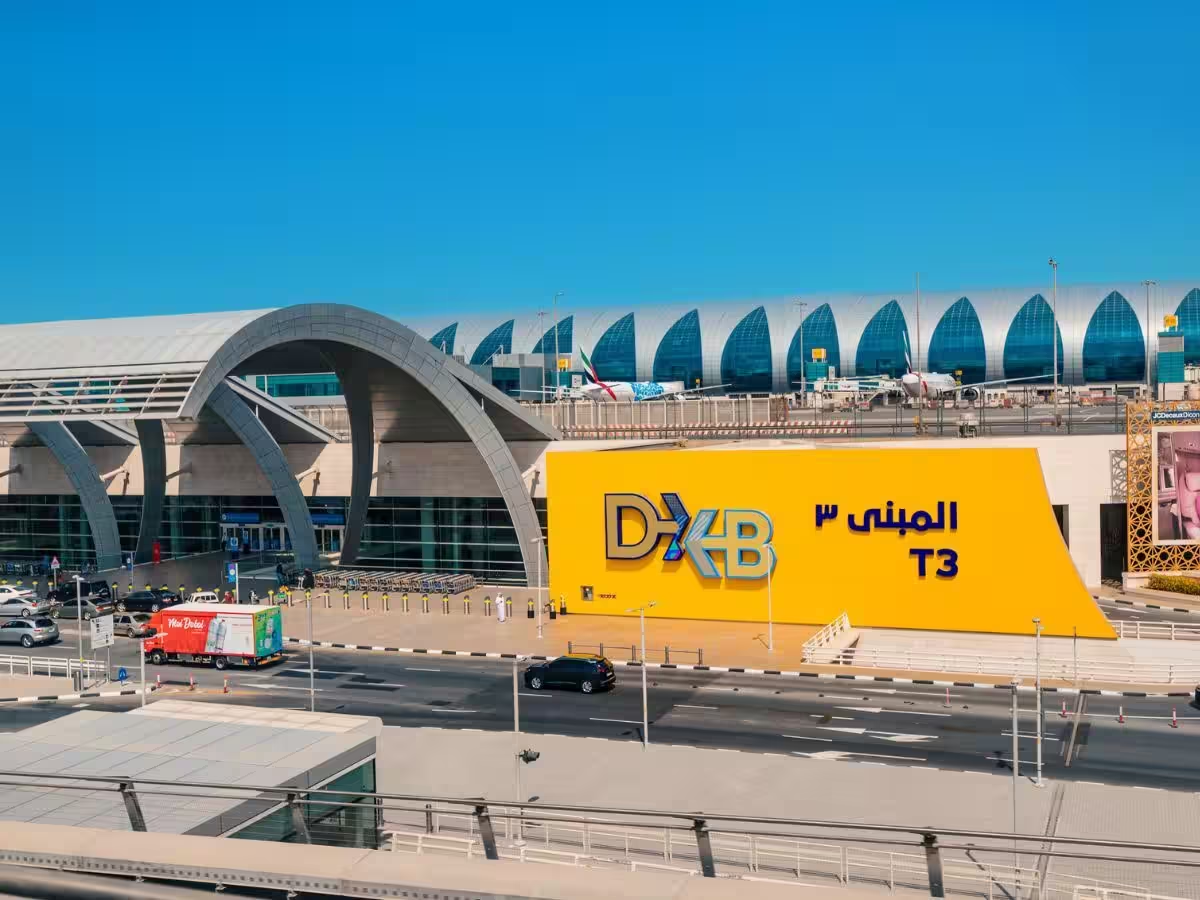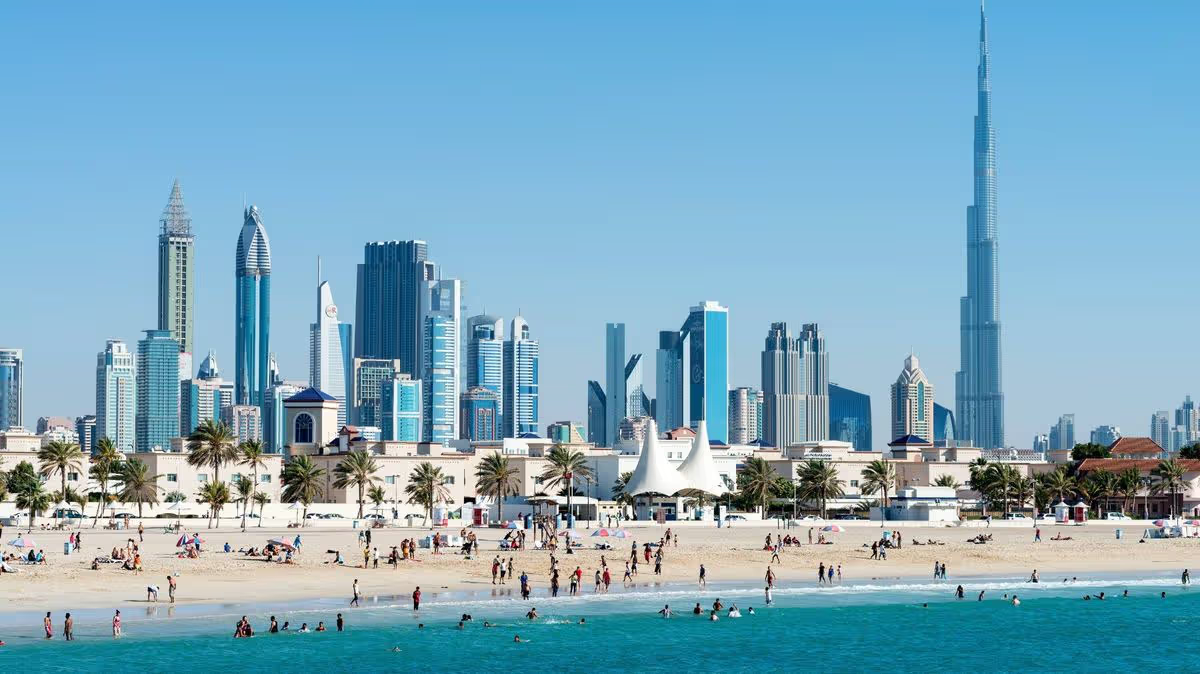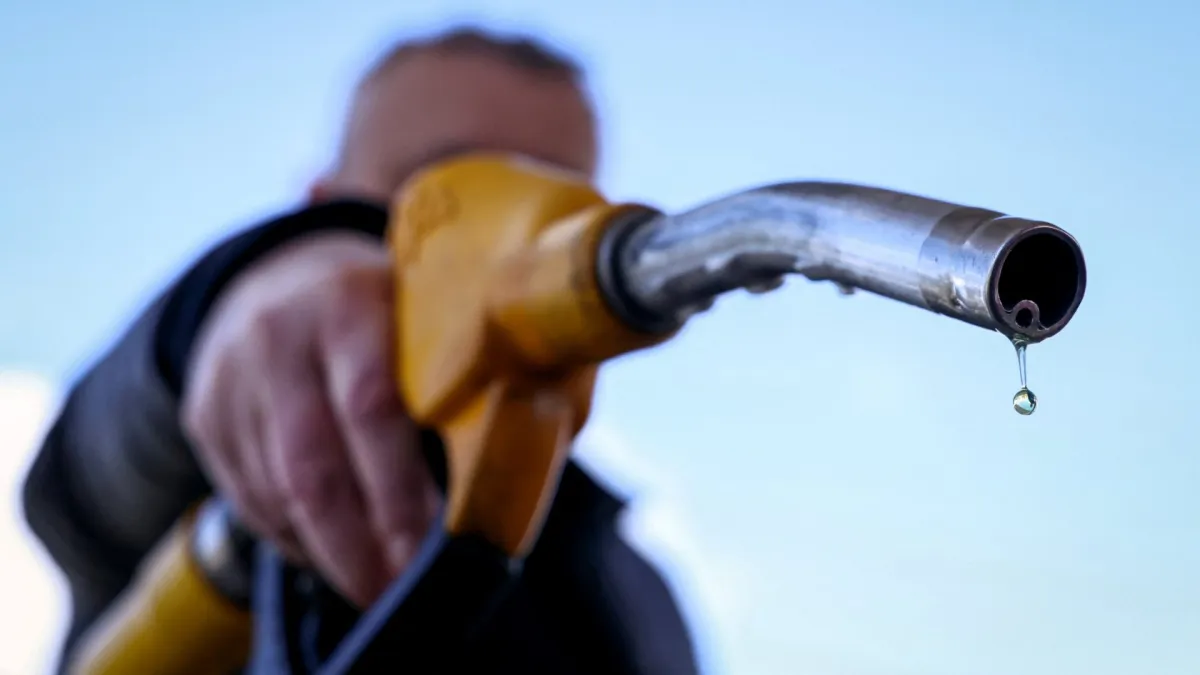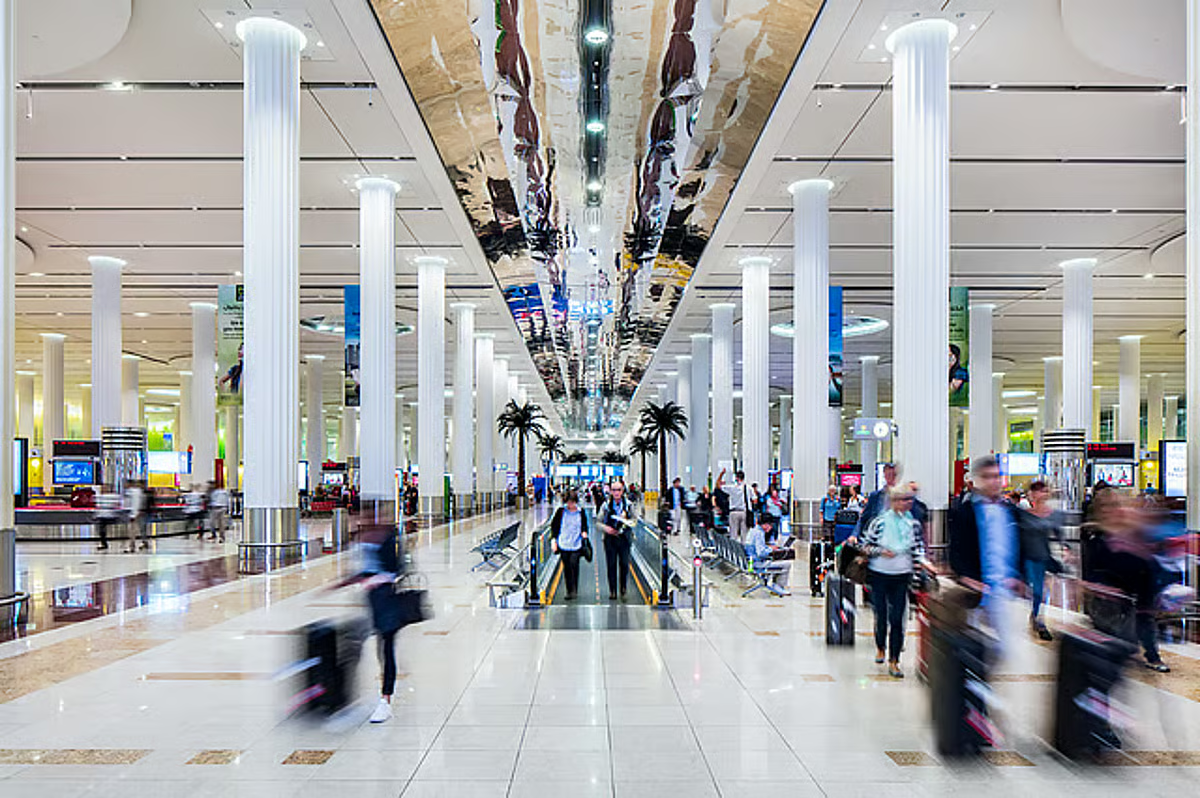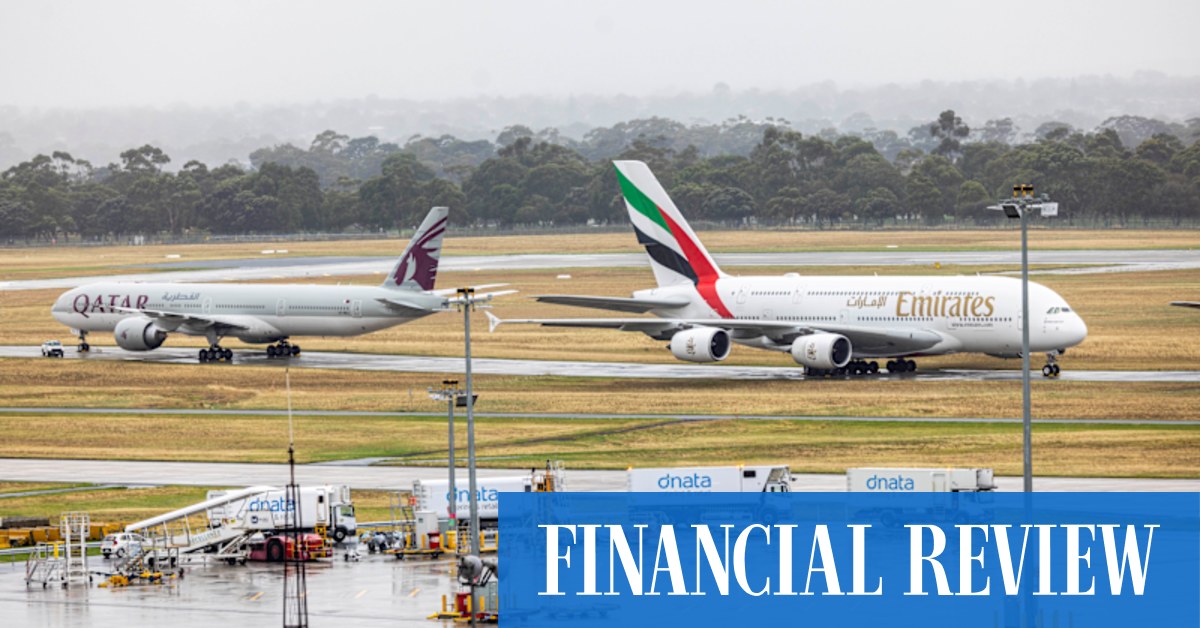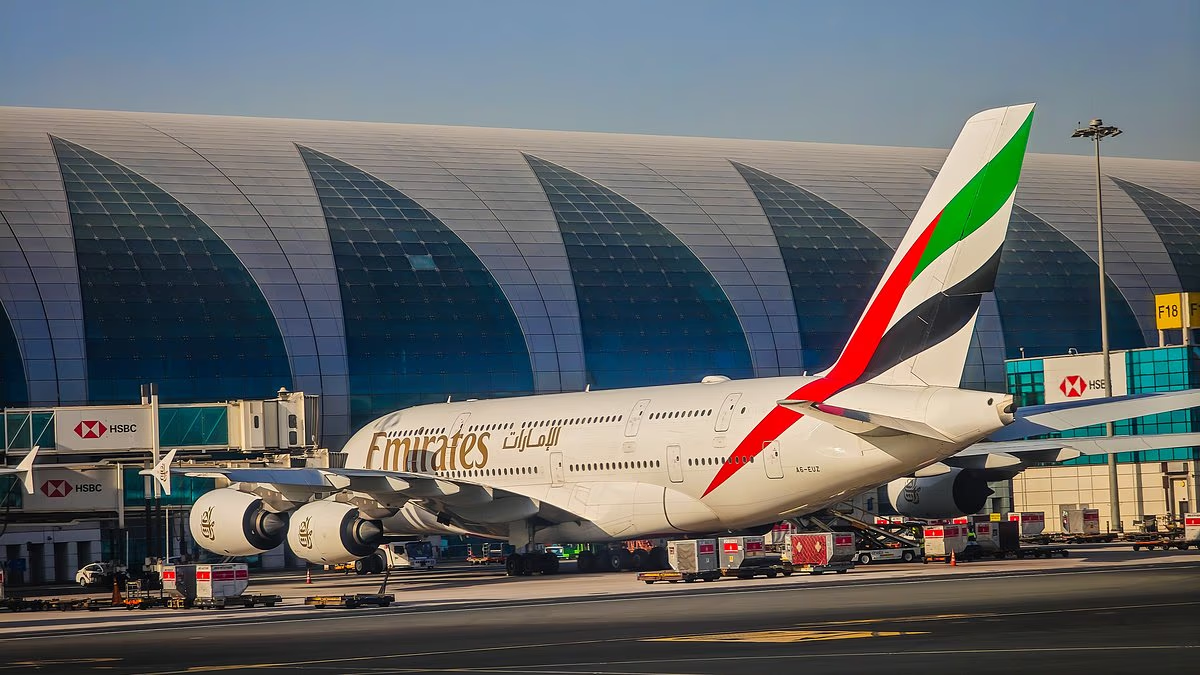
Travel to - and via - the Middle East has largely been fraught with uncertainty since the current conflict between Iran-America/Israel began in February.Away from the Gulf, the impact of the war has had a wider effect on tourism, with the closure of the Strait of Hormuz causing chaos for jet fuel supplies and prices. However, on Sunday, Donald Trump announced that a peace deal with Iran was 'complete' and promised to 'Let the oil flow!'The US President, who turned 80 on Sunday, revealed he'd authorised 'the toll-free opening of the Strait of Hormuz' and approved, 'the immediate removal of the United States Naval blockade'.So, as potential peace and movement of oil in the region looks possible again, what does this mean for holidays and travel?Paul Charles, CEO of travel consultancy The PC Agency, tells the Daily Mail there could be a quick recovery for tourism in the Middle East, including popular spots like Dubai if peace stays on track. Since the Iran war began back in February travel to the region and the supply and cost of jet fuel has been uncertain. Pictured: Smoke from Jebel Ali Port in Dubai after a strike on March 1st Travel expert Paul Charles tells the Daily Mail there could be a quick recovery for tourism in the Middle East if the tentative peace deal, due to be signed on Friday, sticks'Since the conflict began, I've always predicted that the rebound would be fast when the conflict is over,' he says.'I'm certain that once the agreement is signed in Switzerland on Friday, then you will see a swathe of marketing offers from airlines and hotels encouraging visitors to return.'The travel expert predicts there could be 'some incredible deals' to help 'tempt' tourists back to the region, saying this may be helped by 'airlines mostly running their full schedules again'.Charles adds that if the peace holds then the conflict could be over before the region's next peak season - from September to December - begins. Pilot and aviation expert, Captain Emma Henderson MBE, agrees that holidays to the Middle East could be back on if the latest development sticks, saying: 'It's definitely good news for the aviation and travel industry. Dubai and the surrounding region will want to open up its doors to tourists again ASAP'. When the conflict began, Dubai International Airport (pictured) shut down and thousands of flights to - and via - the Middle East were grounded Pilot and aviation expert, Captain Emma Henderson MBE, says the move is 'definitely good news for the aviation and travel industry' Many Britons found themselves stranded in Dubai when travel to and from - and via - the popular destination halted abruptly earlier this year when the UAE city found itself a target for drone strikes. Tourists caught up in the military fire shared videos of drones and debris hitting luxury hotels.Meanwhile, airports including Dubai International temporarily closed and thousands of flights to the Middle Eastern city were grounded. Soon after, the UK Foreign Office advised against all but essential travel to the United Arab Emirates, guidance that remains in place.Henderson predicts confidence in the region will return with a green light from the UK Government. 'As soon as the Foreign Office restrictions are lifted I imagine there will be queues of people waiting to get back out there.'She adds that might not be anytime soon, however. 'I expect it will take a while for the Foreign Office advice to be changed because they will want to see that it really is over before they change the guidance - remembering that in deeming somewhere safe to visit, the Government is taking on a responsibility to its people.'Once restrictions are lifted, it would still be worth checking with your travel insurance company that you are covered before you book a trip.'Sarah Rodrigues, a travel expert working with Avanti Travel Insurance, says tourists 'will not be protected by their travel insurance' while the current guidance is in place. For now, she advises waiting 'for further updates before making travel plans or booking holidays'. Tim Riley, MD of travel insurance company True Traveller and chairman of The UK Travel Insurance Association, describes the potential peace agreement as 'undoubtedly encouraging' but warns travellers should still be cautious. 'If the agreement is signed and holds, it could prove transformative not only for holidays to the UAE but for travel across the wider Middle East. Holidaymakers can expect a surge in attractive deals as confidence returns to the market.' At the moment, the UK Foreign Office is still warning against all but essential travel to the United Arab Emirates. Pictured: The Strait of Hormuz, which is reopeningAir travel would also likely be given a huge boost - something Henderson says is much needed after an unsettling first half of the year, which saw airlines forced to protect themselves from tumultuous fuel supplies. 'The oil price has dropped but most airlines were largely protected from that anyway by hedging fuel - mostly to the end of the year,' the pilot explains. 'The problem was getting it delivered - and now the straits are opened, oil will flow freely again. The question will be how long will it take to get refineries to process it and how much damage has been done to those refineries and oil wells in the region.' Tim Riley is optimistic that the industry might soon be on more solid ground, saying: 'Consumers should not expect prices to fall as rapidly as they rose in March, but assuming stability is maintained, markets will gradually normalise'.He adds, 'By the autumn, many of the economic disruptions caused by the conflict could be largely behind us.' UK airline schedule analyst Sean Moulton says despite the optimism, it could take 'several months for supply trade to return to normal' from the Strait of HormuzThe insurance expert points out that once passengers are more confident with travelling in the region, with well-established carriers such as Emirates, Qatar Airways and Etihad, then 'competitive pressures will inevitably return' and prices could fall.UK airline schedule analyst Sean Moulton thinks it could take 'several months for supply trade to return to normal'.The aviation expert also predicts: 'Contingency plans are likely to be in place to reduce the risk of any future closure of the Strait of Hormuz impacting fuel supply to the same extent'. Although the situation is still not completely resolved, and many are awaiting to see what the outcome of Friday brings for the peace deal, things could move quickly according to Henderson.The captain predicts if everything goes ahead 'we could expect things to start changing as of next weekend' but adds a note of caution, saying 'a week is a very long time in politics so we wait with bated breath to see if the agreement actually goes ahead'. 'Market confidence is there already as the oil price has dropped so for the sake of everyone, not just airlines and the travel industry, let’s hope this chapter is coming to a close.'
Are Dubai holidays back on - and will flights get cheaper?
Travel experts reveal their take on when holidaymakers could be jetting off to Dubai and if the price of flights could be impacted as a possible peace deal looms between America and Iran.
1,168 words~5 min read