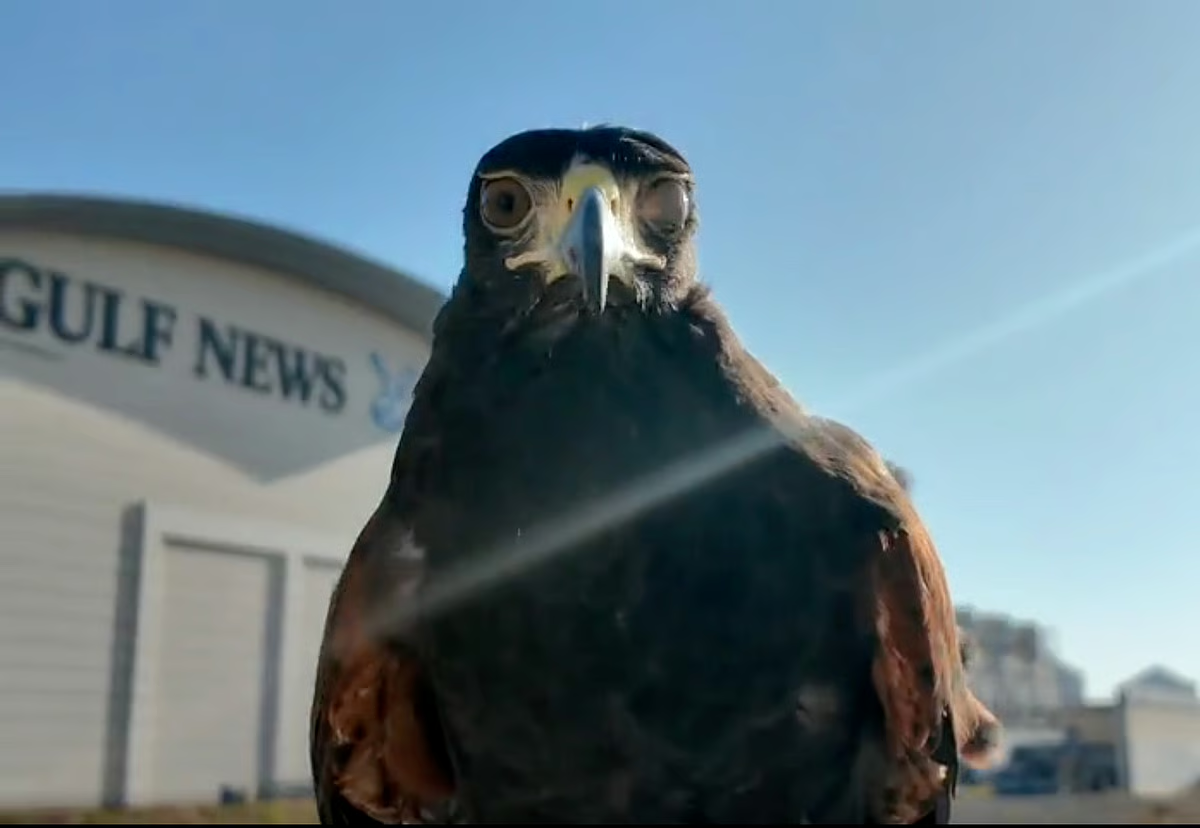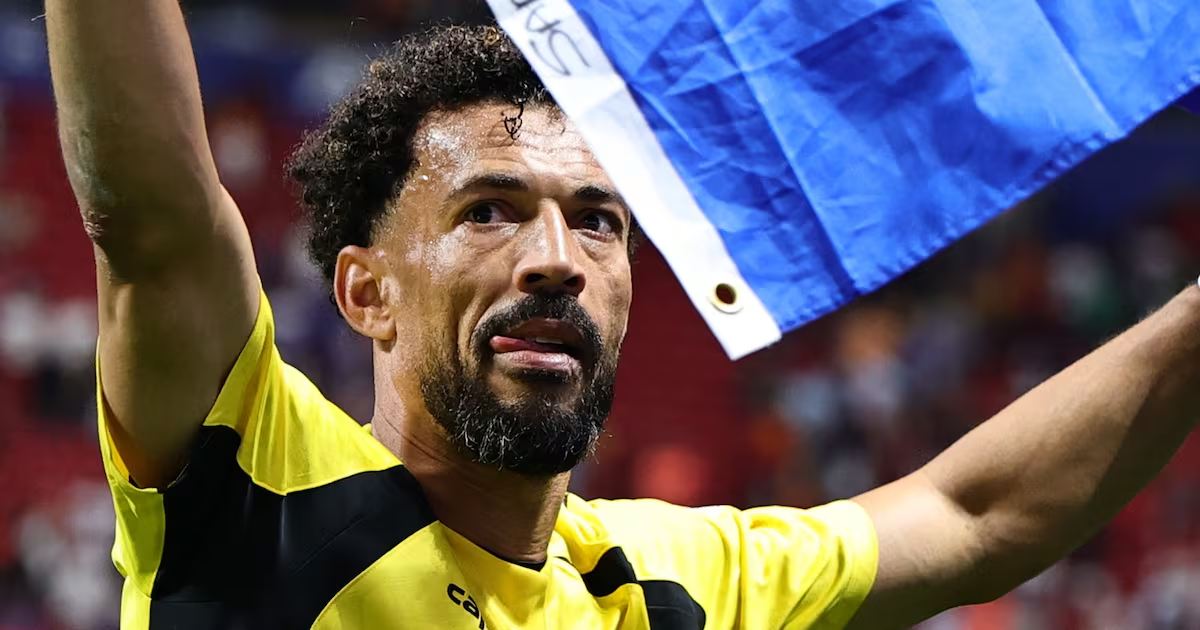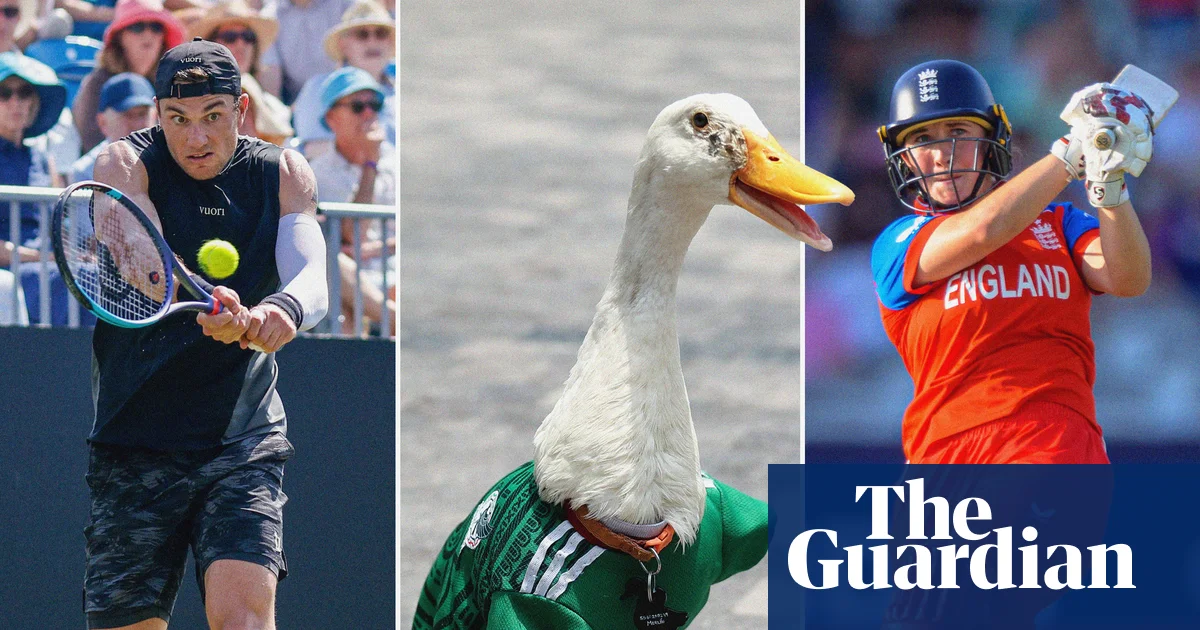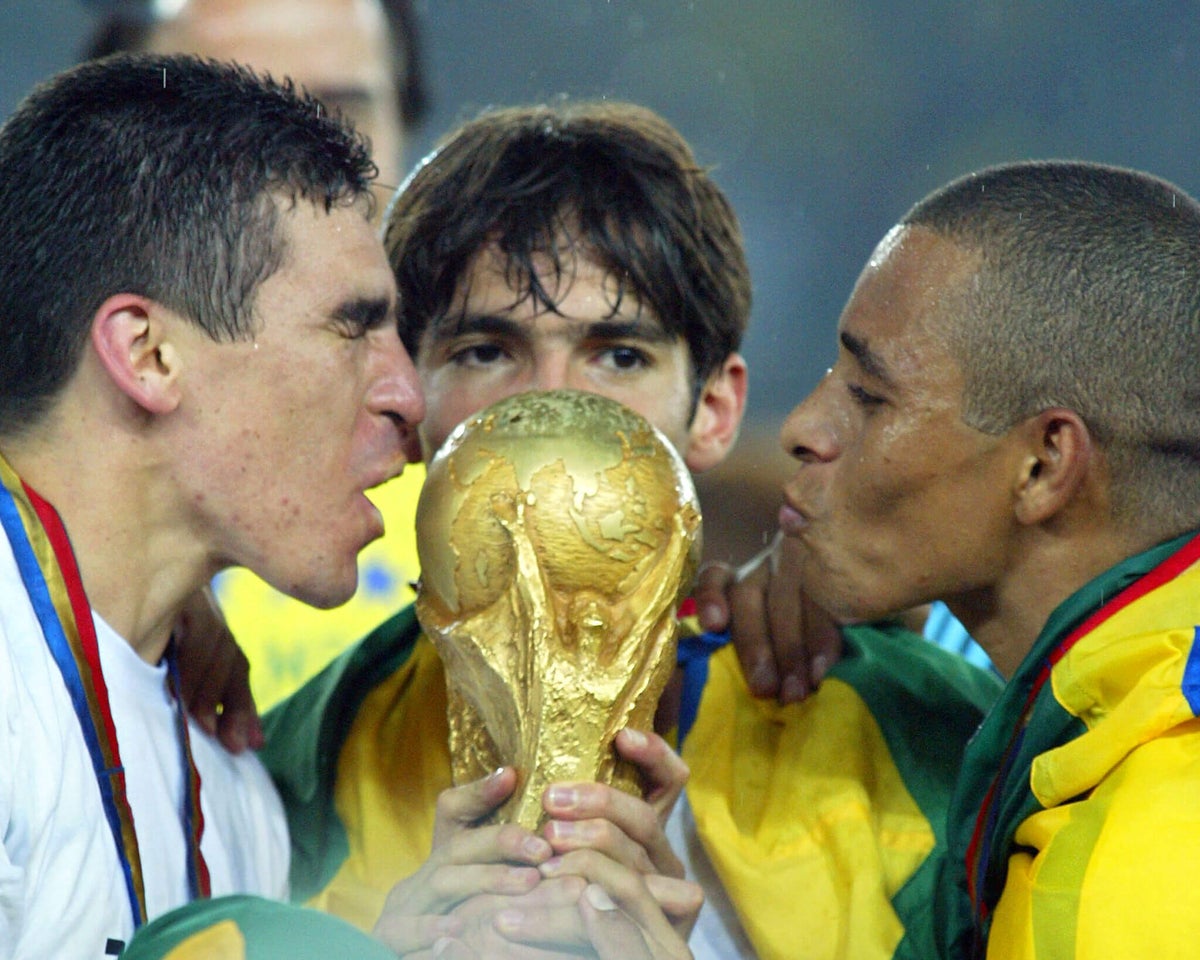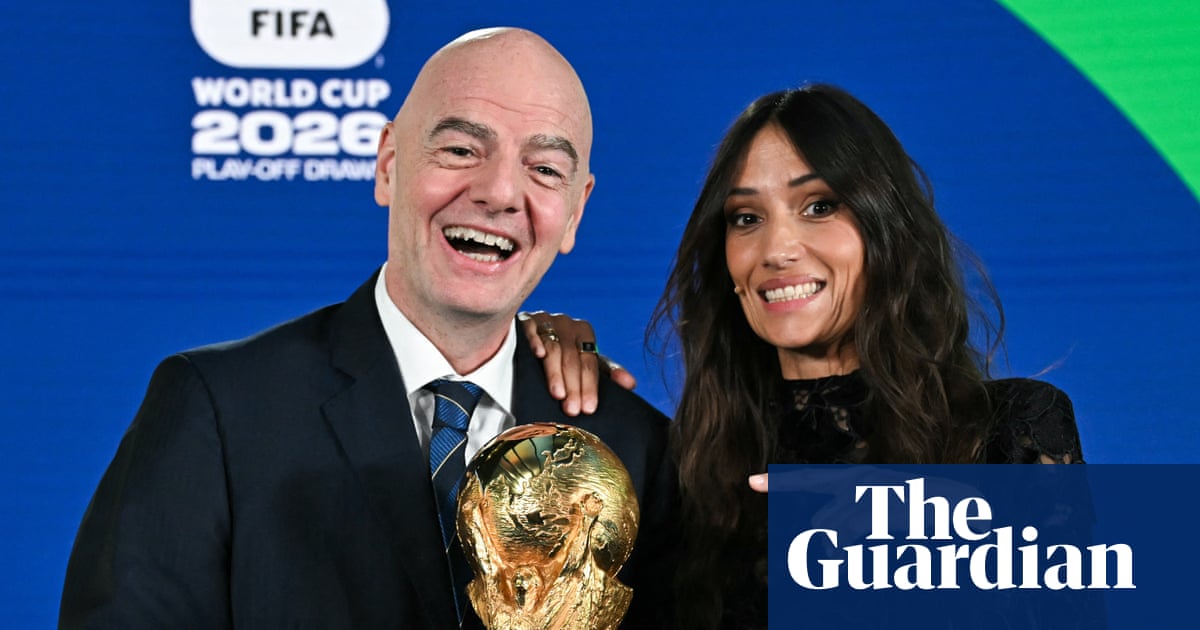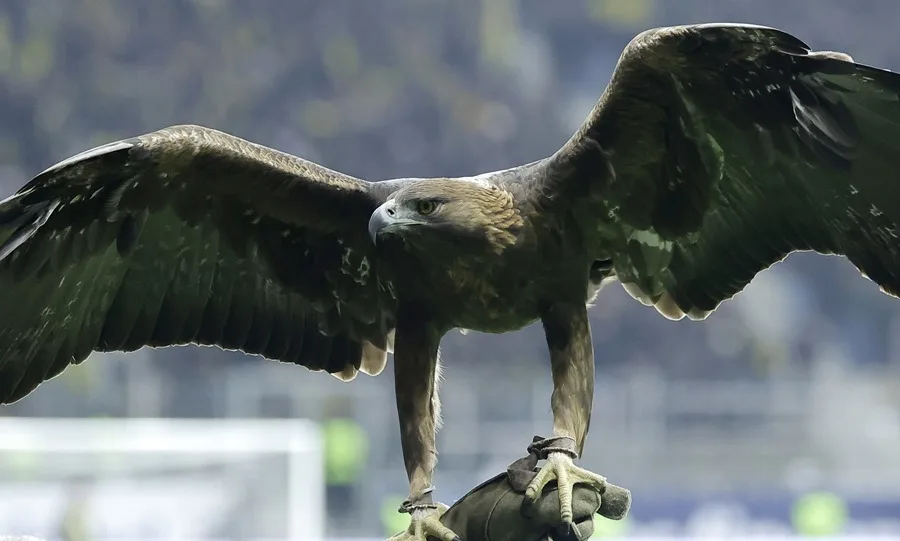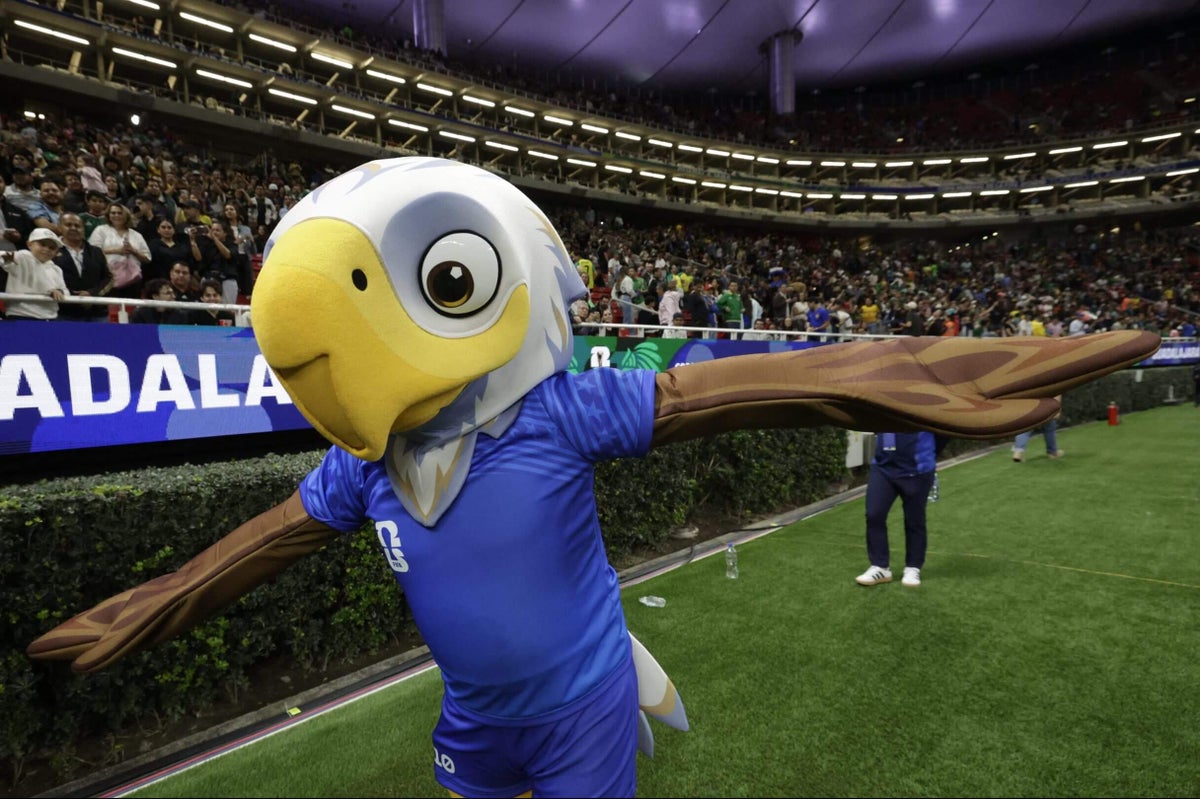
“My heart in hiding | Stirred for a bird, – the achieve of, the mastery of the thing!” — Gerard Manley Hopkins, ‘The Windhover’Bird-watching and football have often felt like distinct hobbies.I spent much of the week before the World Cup trying to spot a Dartford Warbler deep in rural Cornwall, liable to be shouted at by men wearing khaki shorts if a twig accidentally snapped. (Unsuccessful, thanks for asking, but I did see my ‘lifer’ Great Northern Diver).Fast-forward 72 hours, and I was in the noise and fervor of Guadalajara’s Estadio Akron, watching South Korean fans drink tequila with their Mexican compadres, chasing a fitness update on Feyenoord’s Hwang In-beom, and making a mental note to check the identity of a tiny yellow songbird seen near the hotdog stand on the shuttle bus home.Granted, sometimes both birds and footballers can be hard to get hold of — while watching both involves a lot of sitting, staring, and waiting.The English football pyramid, meanwhile, boasts Magpies and Swans, Robins and Owls, Canaries and Eagles. Last season, Everton’s Ilimian Ndiaye was yellow-carded for impersonating a seagull after scoring against Brighton and Hove Albion — quite well, I might add, though, I recognise, there technically is no such bird as a seagull.Maybe, then, birdlife and football are not so distinct, and the World Cup appears to prove that — especially with anthropomorphic mascot Clutch the Bald Eagle patrolling its sidelines.On Sunday evening, Australian birder and wildlife photographer Nick Volpe went viral on social media for seemingly identifying an important scientific hypothesis — that as of Monday evening, in every match but one, the winning team had always been the side with more species of birds than their opposition.
Expected Gulls: Does birdlife really correlate with World Cup success?
In every 2026 World Cup match but one, the winning team had always been the side with more species of birds than their opposition
1,765 words~8 min read