Tuesday 16 June 2026 6:00 am
| Updated:
Monday 15 June 2026 1:35 pm
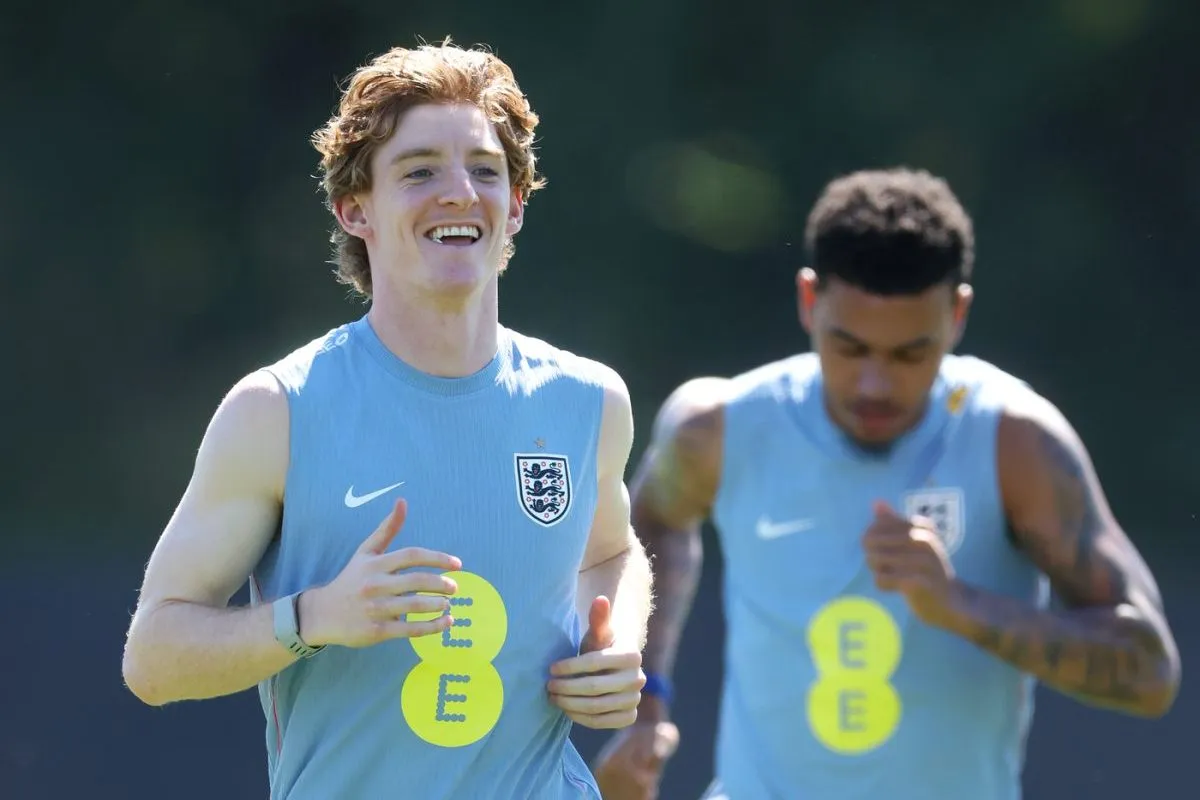
England's chief sponsors are Nike and EE
As they begin their 2026 World Cup campaign, the England brand is unrecognisable from 10 years ago – and it is paying off in growing revenues for the FA.This month marks a decade since one of the darkest days in the Football Association’s history, when England’s men were humbled by Iceland – a nation with more volcanoes than footballers – in the first knockout round of Euro 2016.It has been a remarkable turnaround since the nightmare in Nice. England’s men have got closer than ever to winning a first major tournament since 1966, while the Lionesses have become back-to-back champions of Europe.As England prepare to kick off their 2026 World Cup campaign against Croatia in Dallas tomorrow, the troubles with Roy Hodgson, Sam Allardyce and Mark Sampson feel like galaxies away and expectations – justifiably, at last – run high.The FA’s revenues have enjoyed a concomitant uplift, from £370m in 2015-16 to £516m at the last count. Unlike at top clubs, however, commercial income is a perhaps surprisingly modest slice of the overall pie, rising from £58m to around £85m.For comparison, Real Madrid’s world-leading commercial revenue is in excess of £500m a year, while the next tier of clubs – including Paris Saint-Germain, Bayern Munich, Barcelona and the Premier League’s biggest teams, make £250m-£350m per season from sponsors.There are good reasons for this. Shirt sponsorship, the biggest driver of commercial revenue for clubs, is not allowed in international football; perimeter advertising at tournaments is blocked out for Fifa and Uefa partners; and access to players for campaigns is limited.“Commercially, against that backdrop the FA does well to generate partnerships of the scale it has with BT Group including EE,” says Neil Hopkins, head of global strategy at M&C Saatchi Sport and Entertainment.“Even that deal is slightly anomalous in that the overall package includes the naming rights to Wembley Stadium Connected by EE thanks to the FA owning the ground itself. That provides significant additional value to BT/EE around non-football events.”Southgate and Lionesses change face of England teamsNike’s current deal to provide kit for all of the England men’s, women’s and youth teams is reported to be worth at least £34m a year, an increase on the £25m the US sportswear giant had previously been paying.The contract is also said to include significant performance-related bonuses, triggered by the men reaching the final of the Euros in 2020 and 2024, and the women achieving successive European titles and making the World Cup final in 2023.Gareth Southgate’s eight-year tenure helped to rehabilitate the England team’s public imageThat deal with Nike was agreed in 2016 and took effect after the 2018 men’s World Cup, however, so does not reflect the full transformation in England’s fortunes and, equally, public perception over the past decade. It is due to run until 2030.While on-field results have drastically improved, the image of the England teams has arguably never been better. The Lionesses have been trailblazers, while Gareth Southgate’s rehabilitation of the men’s set-up was so stark it inspired a West End play and BBC serialisation.Southgate’s eight years at the helm also coincided with the FA modernising its commercial and digital strategy, explains Amar Singh, senior vice-president of content and marketing at MKTG.“Take for example The Lion’s Den, the FA’s YouTube-first in-tournament show. It does multiple jobs of reaching younger fans, shows the players’ real personalities, which is a big comms objective, and creates valuable branded content for partners,” he said.Diverse, progressive and successful“Southgate deserves credit for detoxifying England’s image and creating a happy and more engaged camp. This makes the team infinitely more marketable than in the days of tetchy press conferences and disappointing group stage exits.“The extraordinary success of the Lionesses has also added to their marketability and brands see the value in working with a team that has a highly receptive fan base, players keen to engage in brand work and a squad that tends to perform very well at international tournaments.”Beyond EE and Nike, the FA has a strong portfolio of other commercial partners for its England teams, including Barclays, Google, M&S Food, Chase, Lucozade, Continental Tyres, Hilton, Budweiser, Pepsi, Mars and EA Sports.The Lionesses’ back-to-back European Championship wins have made them a bankable productAlthough the FA’s overall turnover dipped from £551m to £516m in 2025, it was expected due to the carving out of the women’s domestic leagues into a standalone company and a dip in the international media rights value of the FA Cup. As a not-for-profit, all of its takings are reinvested in the game.The trajectory is firmly upwards, though, and will rise further if England’s men maintain their recent standards at the 2026 World Cup in the US, Canada and Mexico – just perhaps not by as much as might be expected.“The second tier of sponsors, such as Chase, are paying more than their equivalents were doing so before what we might term the Southgate revolution,” adds Hopkins.“The popularity of England and, in particular, an England that is perceived to be more diverse, more progressive and more successful than its predecessors, is a powerful commercial magnet for blue chip brands.”