A businessman from Passi City — let’s call him Mr. Reyes — constructs a commercial building on a busy highway. The permits are complete, construction has been finished for months, and potential tenants are already discussing lease terms.
After taking on a lot of capital and being forced to wade through the lengthy process of development, he hits what should be the last and easiest step: getting electricity. But what should have been an ordinary customer application process soon exposes a critical issue confronting the transforming power sector in Iloilo.
Who, exactly, is responsible for serving Mr. Reyes?
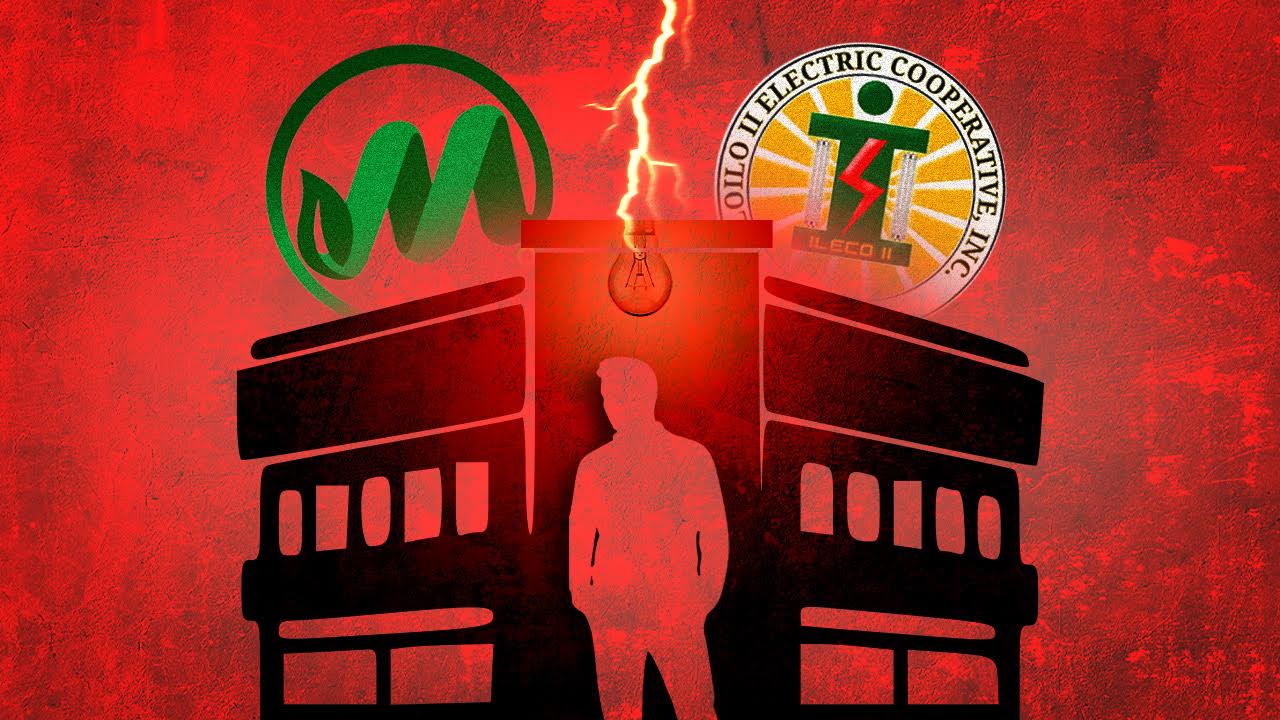
MORE Electric and Power Corporation (MORE Power) currently has a congressional franchise covering Passi City and several municipalities in Iloilo Province under Republic Act No. 11918. Meanwhile, in the same territory, Iloilo II Electric Cooperative Inc. (ILECO II) continues to operate under its own valid franchise. The legal controversy surrounding that overlap has largely been resolved.
When it decided to uphold Republic Act No. 11918, the Supreme Court reiterated a longstanding principle of Philippine public utility law: a legislative franchise is a privilege conferred by Congress, not a vested property right. Unless that exclusivity is explicitly provided, Congress may authorize overlapping franchises if it thinks doing so benefits the general public.