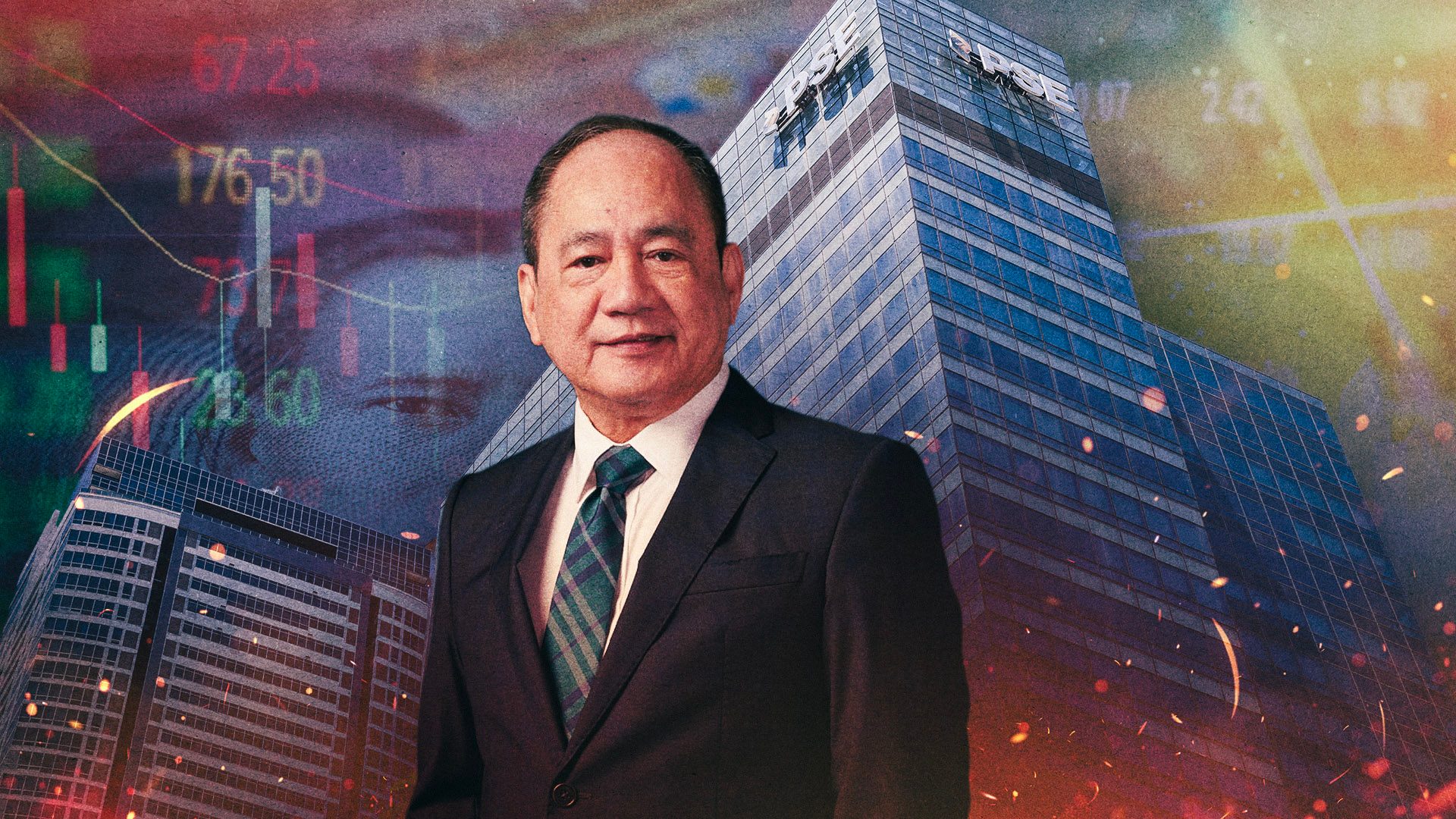
The Philippine Stock Exchange has been passing reform after reform for almost a decade, but the market remains one of the region’s weakest performers. The harder question, however, remains unanswered: are new products the solution, or are they merely distractions from deeper problems of confidence, participation, and market relevance?
The Philippine Stock Exchange (PSE) has unveiled a reform package which aims to cure the country’s exchange-traded fund (ETF) framework by lowering capital requirements, allowing actively managed ETFs, broadening participation, and making it simpler for investment companies to bring products to market.
Does it sound modern? Does it sound like the kind of innovation a struggling stock market should embrace? The trouble is, this is the same story local and foreign investors have repeatedly heard over and over after nearly a decade under Ramon Monzon’s leadership.
From time to time, there’ll be some sort of reprieve. On Monday, global stocks rallied as oil prices eased. The PSE’s 300-point surge will no doubt be celebrated by bulls. The gains, however, were driven not by reforms from the PSE Tower, but by events unfolding in Washington and Tehran. The stock uptick follows news of a potential US-Iran peace breakthrough.