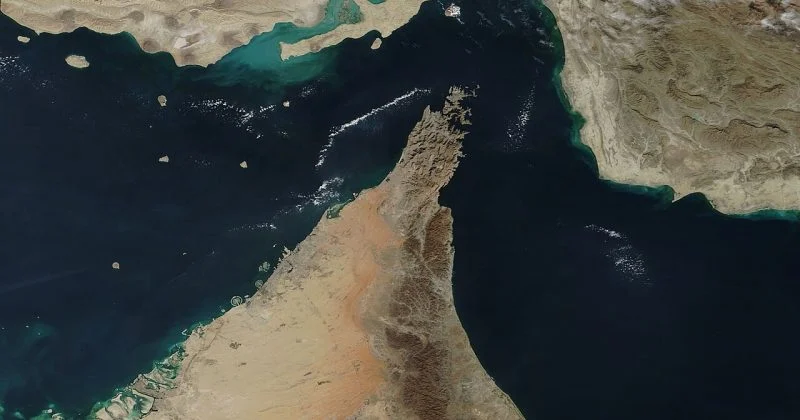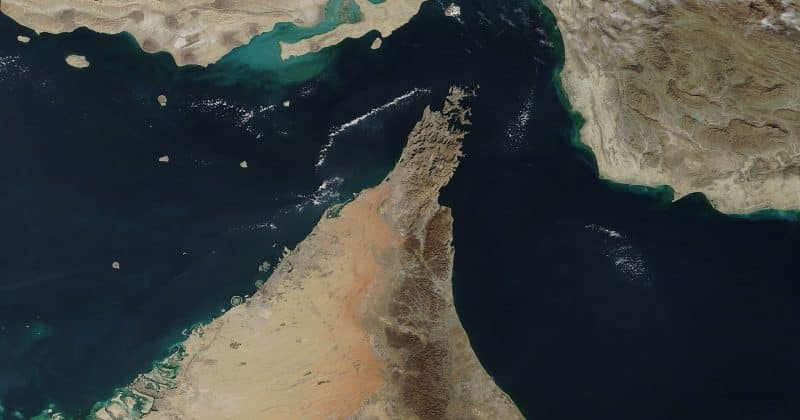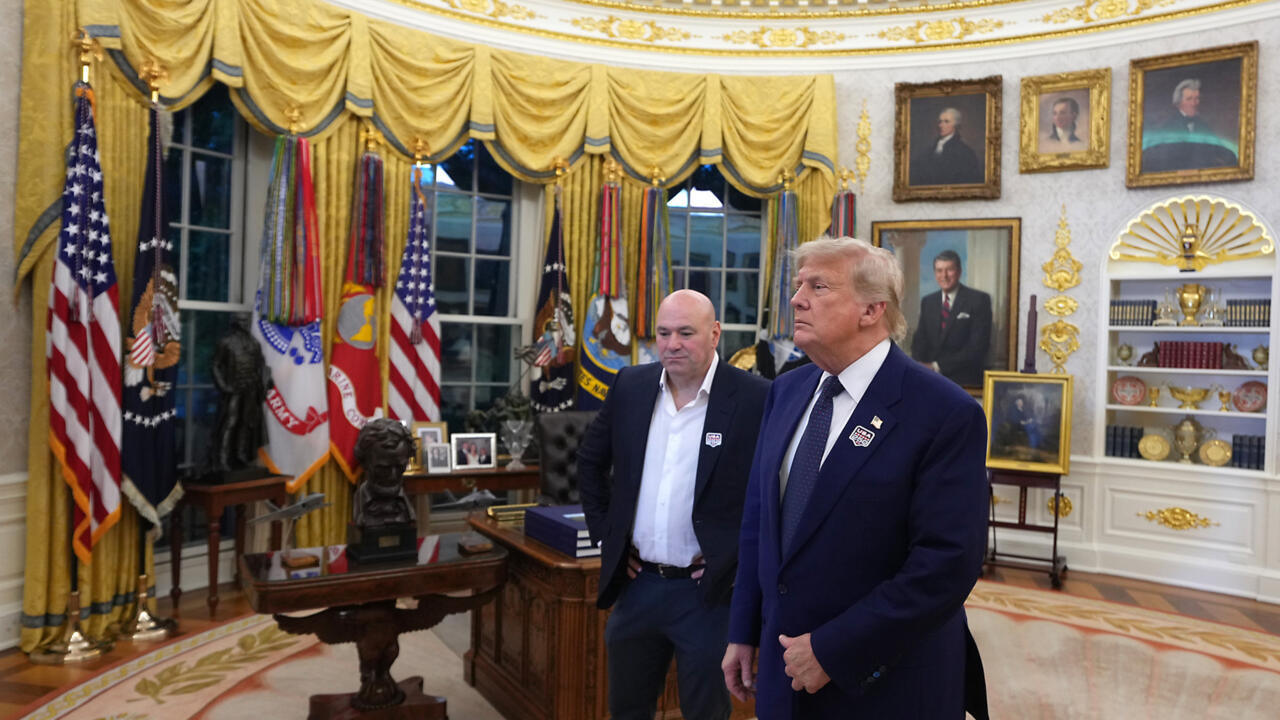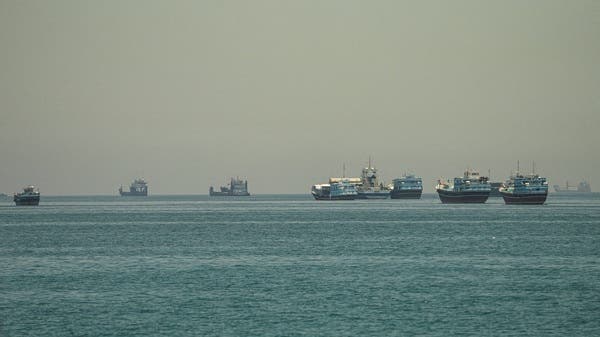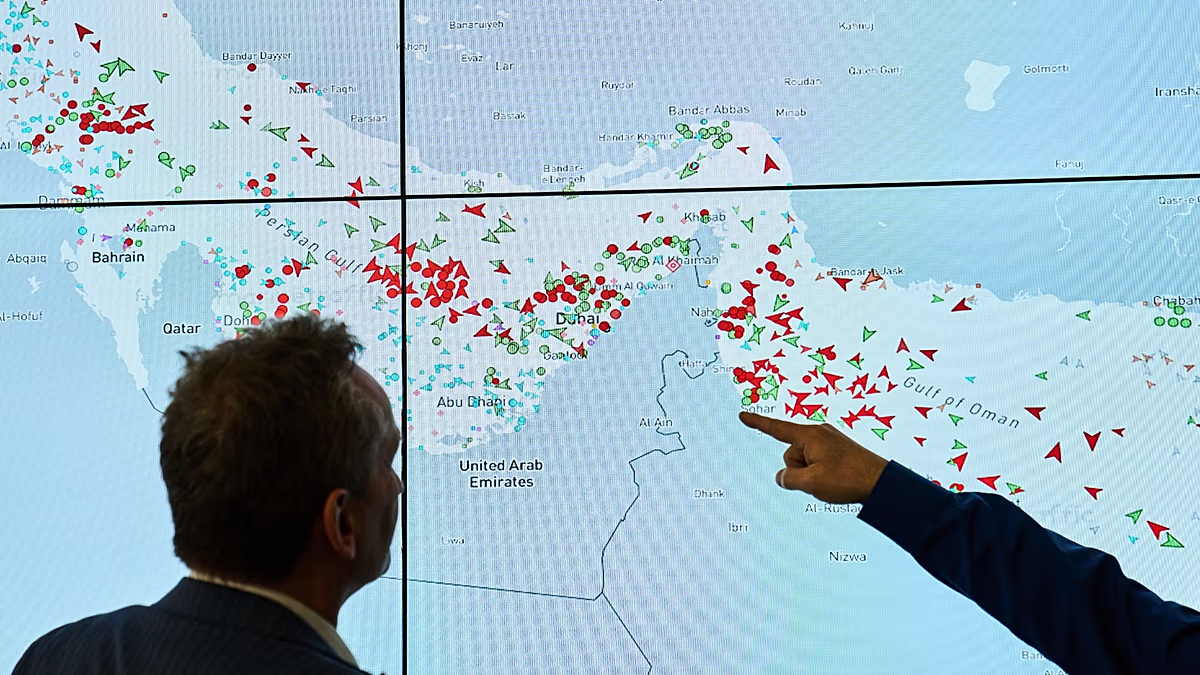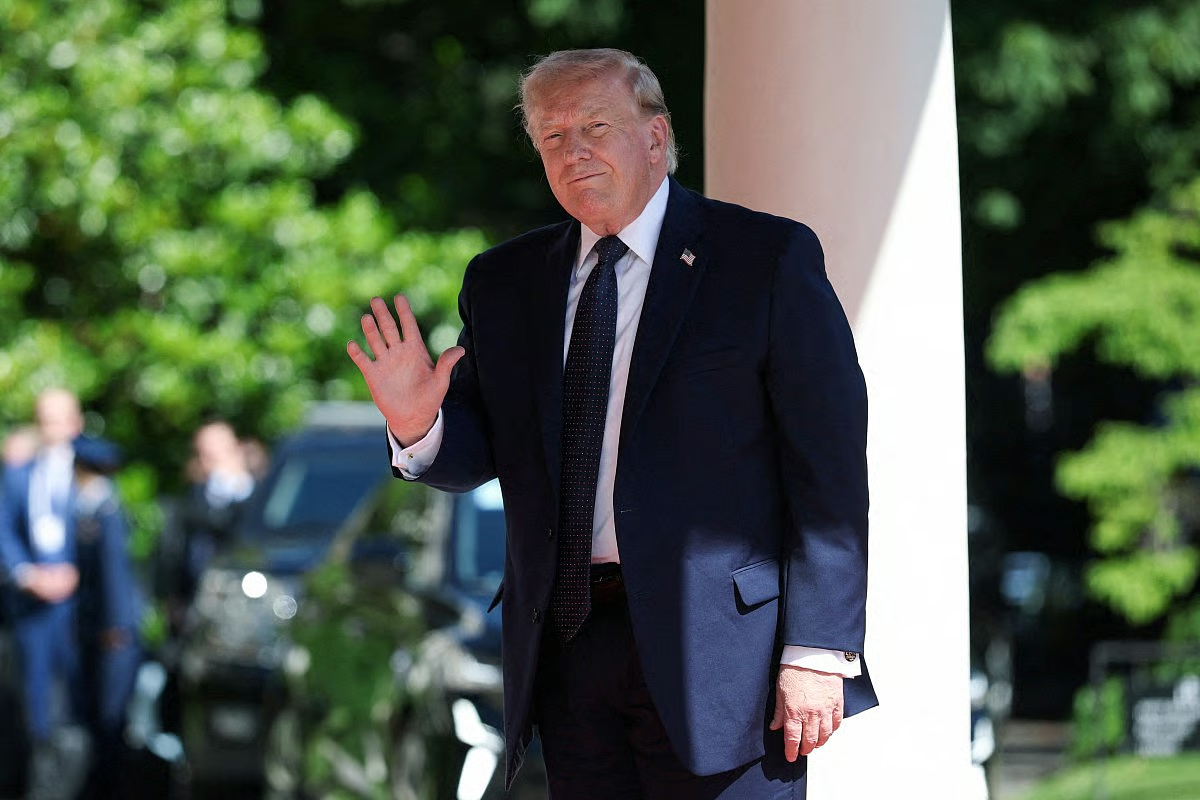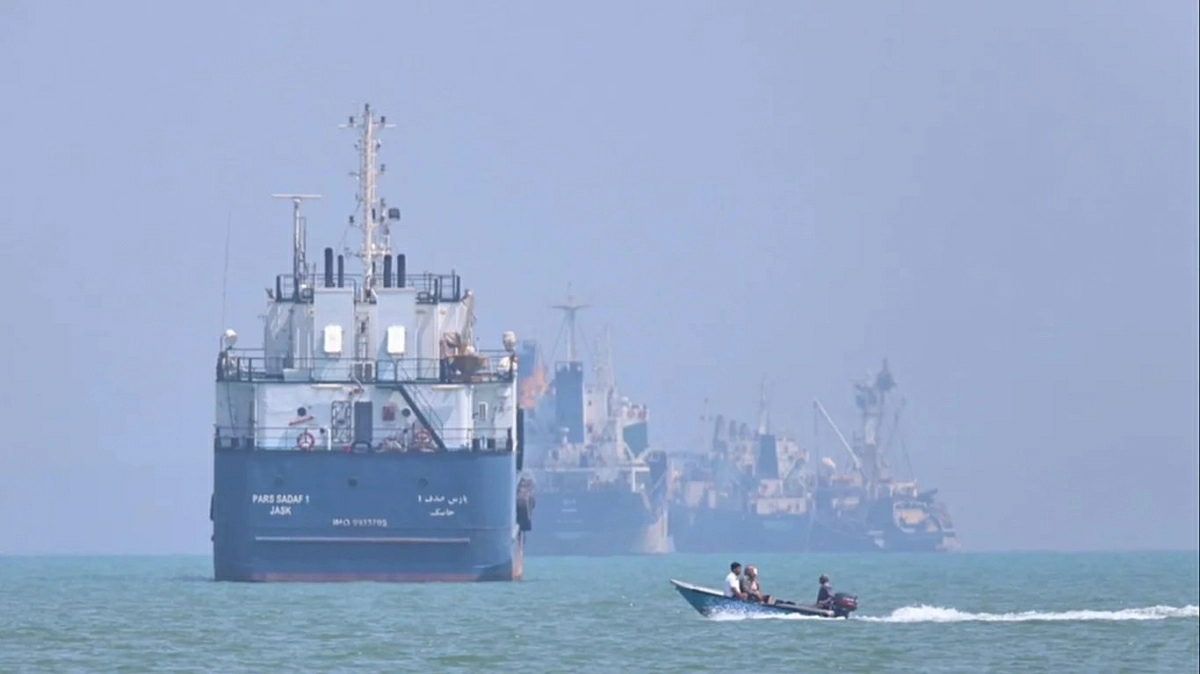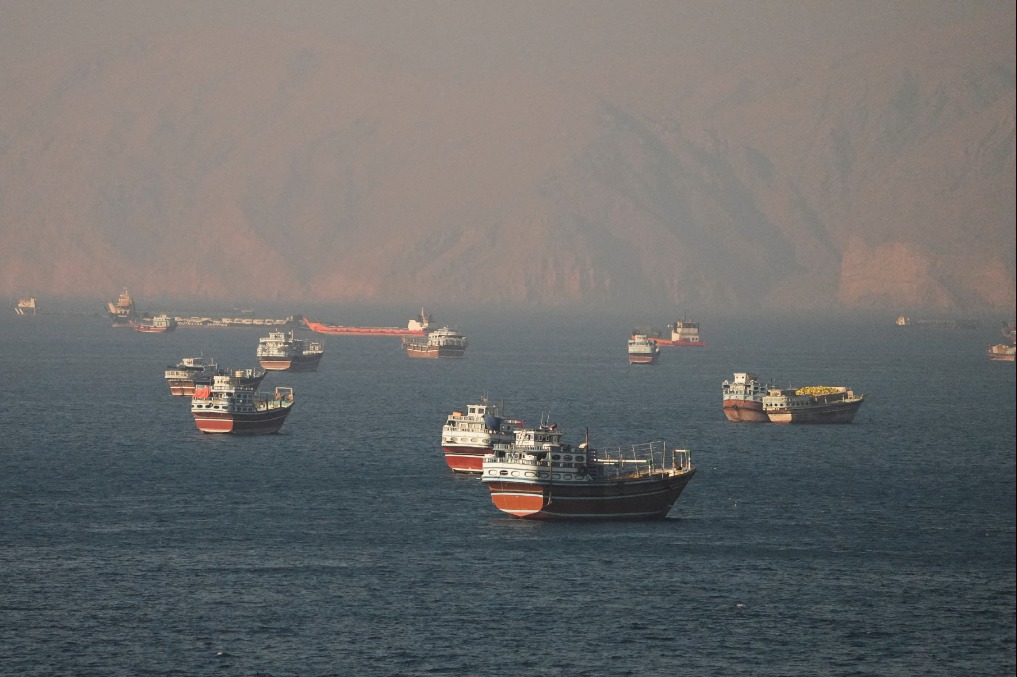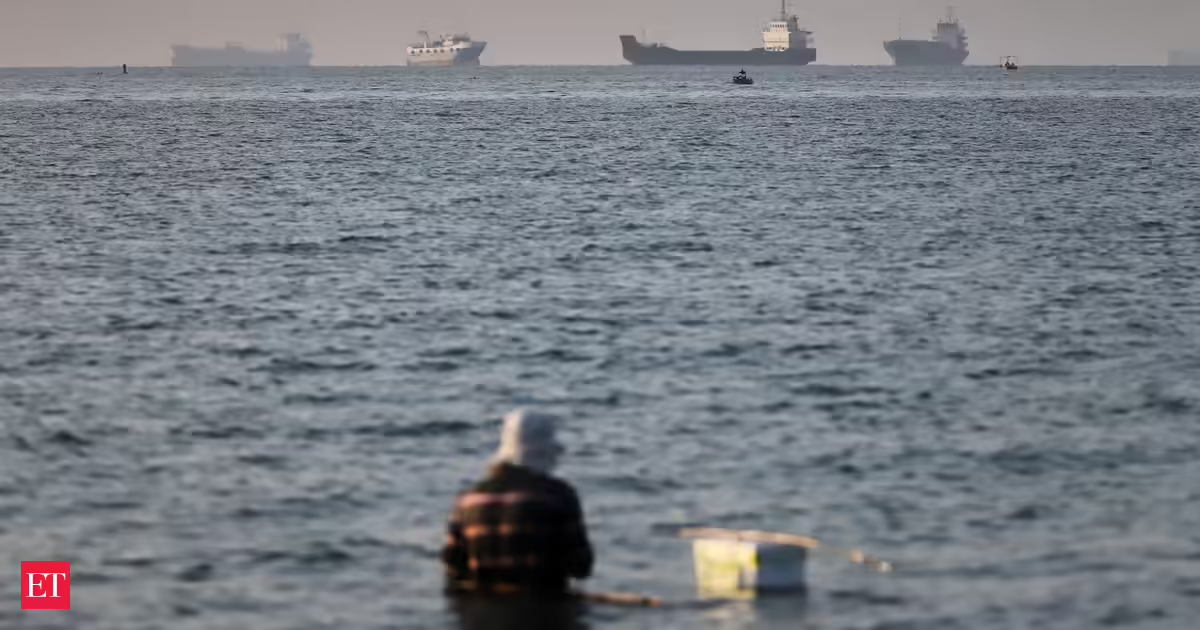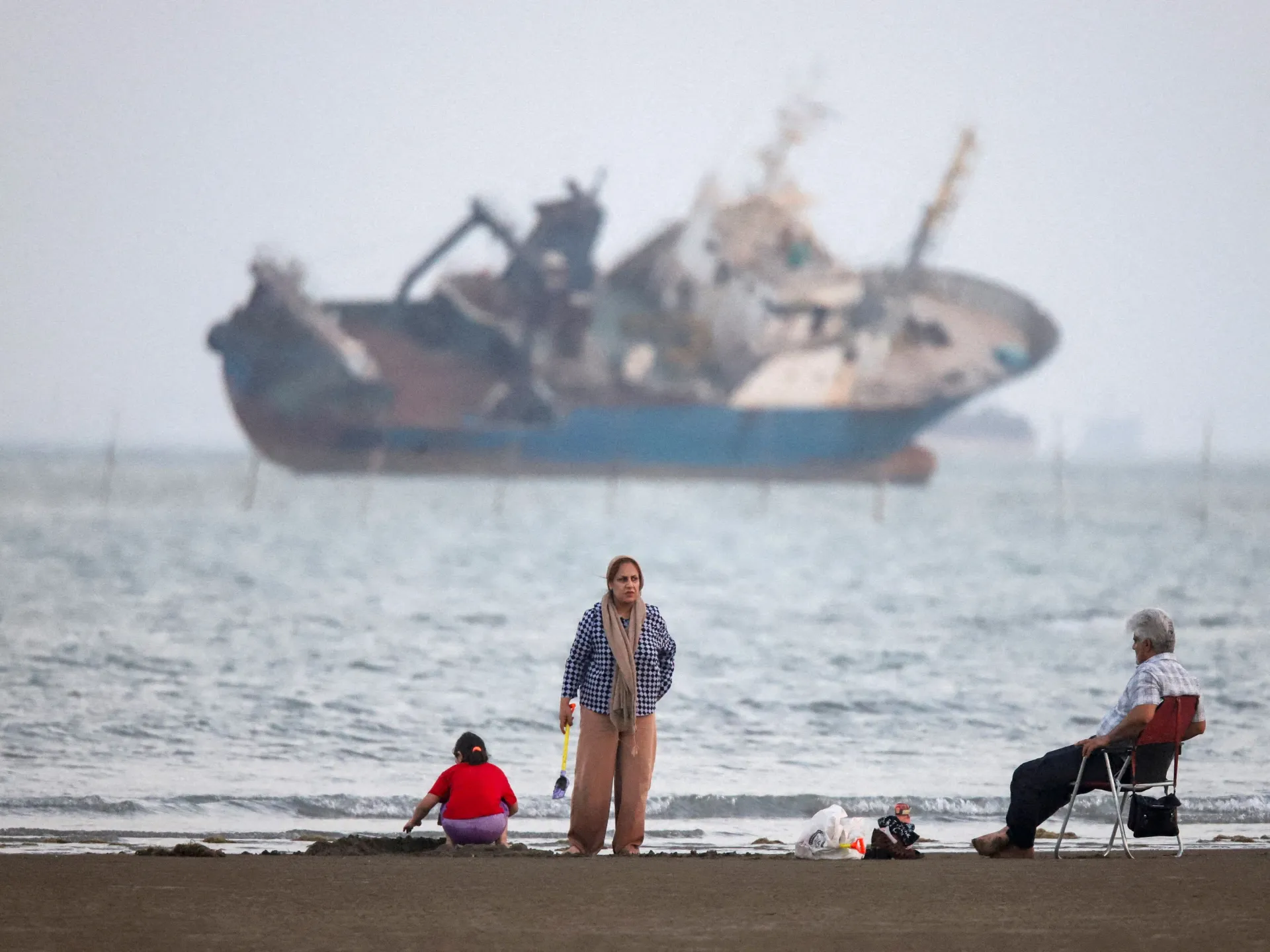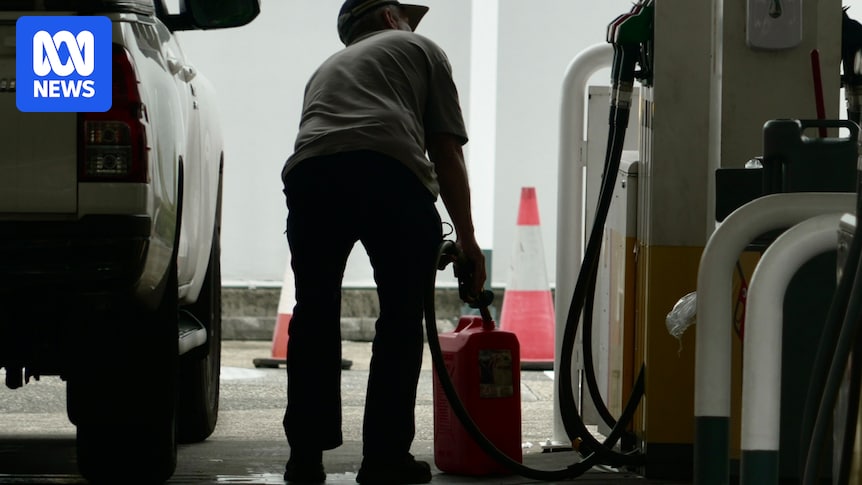
The Strait of Hormuz could reopen this week, after bringing almost a fifth of the world's oil shipments to a standstill for more than three months. At the G7 summit overnight, US President Donald Trump repeated assurances that the globally significant passage will be "completely opened" by Friday, when the ceasefire agreement with Iran is signed in person.Iran and the Trump administration reached a deal to end the war and open the strait, which Washington says was electronically signed over the weekend.The strait, which has been effectively closed since the start of war, would now be open and "toll free", with Mr Trump declaring "Let the oil flow!" in a social media post.The closure caused the largest disruption of energy supply in modern history, removing hundreds of millions of barrels of oil from the global market.The price of Brent crude oil skyrocketed from below $US70 per barrel in February to peak at more than $US120 per barrel in April.While the details of the agreement remain unclear, here's what we know about how it could affect prices across the economy.Will oil prices drop to pre-war levels?Not for a while, experts say.Oil producers cannot restart production at the flick of a switch, and it might be some time before the effects trickle through to Australia.Even the best-case scenario would take three to six months for shipping to fully resume, according to Saul Kavonic, a senior energy analyst at MST Financial.Oil passing through the Strait of Hormuz has come to a standstill over the last three months. (Reuters)Oil producers will need to restart production and would potentially need several more months to repair damaged reservoirs and infrastructure.And before new oil can be produced and exported, the existing oil stocks need to be shipped out, says Mr Kavonic."Empty ships need to enter the strait and load current stocks to make room before production can resume, which can take over a month," he says.While there are ships currently in the Gulf that can leave as soon as it opens, it's less clear how long it will take ships to enter the strait, according to Hamad Hussain, an economist at Capital Economics.He says the ships that would normally be moving oil through the strait aren't waiting just outside the gulf for the strait to reopen.Those vessels have been diverted elsewhere, such as to the US and the Red Sea and will need to make the trip back to re-enter the gulf and export the oil.Before the US-Israel attacks on Iran, well over 100 commercial ships a day passed through the strait. (Reuters)"Prices could remain well above pre-war levels for a few years, even in the better case scenarios," Mr Kavonic says.My Bui, an economist at AMP, says that it will likely take a few weeks for spot prices — the current price barrels are sold at — to drop.But oil futures, the expected future prices, will likely drop quickly, she said.Expectations that the strait will reopen have already seen some relief in oil prices, but it will take time for countries to rebuild their stocks."Some price relief could occur more immediately, as the market starts to price in the light at the end of the tunnel," Mr Kavonic says.Complicating the whole picture, it is currently unclear if Iran will have any control of the strait, with conflicting messages out of Washington and Tehran.Iranian state media is reporting claims that call into question the US president's insistence it will be permanently reopened with "no tolls" charged to shipping companies.If Iran does retain a degree of control, deals would need to be made with the regime, and traffic may never return to pre-war levels, says Mr Kavonic.He estimates that new oil pipelines that bypass the strait would take three to five years to build.What about petrol prices?As the oil price surge flowed through to prices at Australian petrol pumps as the war broke out, the federal government cut the fuel excise.That has provided some relief to households and businesses feeling the price pain, but that discount was due to end at the end of this month, even before the ceasefire agreement, with no extension announced as yet.Petrol prices have steadily tracked lower over April, May and now into June. ABC analysis of real-time fuel price monitoring put the average price of unleaded 91 at 170.4 cents a litre at 9am AEST on Tuesday morning.That's below where it was when the war broke out at the end of February.However, Prime Minister Anthony Albanese says a decision on whether to extend the fuel excise rebate, which slashes 26 cents per litre from motorists' costs, will not be made until next week.Mr Albanese says the expenditure review committee will reconvene over the issue early next week so Australians had "appropriate notice", noting it would be "many months" before things returned to normal once the Strait of Hormuz.Even if the excise is fully reinstated, experts have told ABC News they don't expect a large jump in fuel prices, rather a more modest bump.So will food prices go down?One of the biggest risks of higher fuel prices creating concern among economists has been the flow through the rest of the economy, for example, through the food supply chain.The true impact of higher oil prices is yet to fully trickle through to Australian food prices, according to AMP's Ms Bui.She says a lot of the increase in food prices has been driven by higher overseas demand for Australian red meat, and not higher petrol and fertiliser costs.With the strait expected to open, Australia will likely dodge the worst of food inflation, Ms Bui says, but if it had remained closed for much longer, the shortage of fertiliser would have likely pushed up food prices next year.However, the farming industry has a different outlook, expecting the price shocks to have a long impact.Farmers need to plant their crops months in advance and plan well before that.President of the National Farmers' Federation, Hamish McIntyre, says most farmers were able to secure enough fertiliser to plant their winter crops earlier in the year, but the real concern was maintaining enough fertiliser for the current crops."Every spike in input costs cuts directly into already tight margins, putting pressure on family farm businesses and increasing the risk of reduced production," Mr McIntyre tells ABC News.Farmers have been hit diesel and fertiliser price increases, which are already some of their biggest costs. (ABC Rural: Lara Webster)He expects fresh produce like fruit and vegetables, as well as dairy, to be under the most immediate pressure."We expect these impacts to have a long tail," Mr McIntyre says.Most farmers are price takers, meaning they take the prices set by the small number of buyers in the market.Buyers set a price, and farmers largely absorb the rising costs, such as diesel and fertiliser.The drop in oil supply has rippled through most Australian supply chains and worsened inflation. (AP: Leo Correa)But Mr McIntyre says other parts of the supply chain will inevitably pass on costs to consumers.Farmers are still recovering from drought, floods and bushfires, according to Mr McIntyre, and shocks like these take years to recover from.What will be the impact on inflation and the economy?The biggest impact of the strait reopening will be avoiding the worst-case scenario for inflation, according to Ms Bui. Had it remained closed much longer, the outcome would not have been good for prices.That should take pressure off the Reserve Bank to hike interest rates again, at least in the near-term.But the existing shock of oil prices has already pushed up the costs of raw materials used in milk bottles, ink for packaging, cleaning products, cosmetics and skincare.For example, the boss of dairy and food company Bega Group, Peter Findlay, told the ABC's That's Business podcast, the company's costs had already increased by 10 per cent as of early May.That included higher costs for resin used in packaging and chemicals for cleaning factories.While some businesses are able to absorb some of the costs, others have had to pass it on to customers already.In March, headline inflation surged to an annual rate of 4.6 per cent, up from 3.7 per cent a month earlier. That captured the initial fallout of the war and was driven by automotive fuel prices.In April, it eased back to 4.2 per cent as the fuel excise was cut, so if the excise is fully reinstated, the more volatile headline number will likely bounce again.It will likely take some time for businesses to readjust their price expectations once the strait reopens, as they wait to see how fuel prices pan out.However, with a deal reached, Ms Bui says businesses and consumers will start rebuilding confidence in the economy, which has slumped over the last couple months.
Trump says Strait of Hormuz will be 'completely open' by Friday. Then what?
The months-long shutdown of the the crucial shipping route has rocked global oil markets and flowed through to all sorts of prices. How will the reopening change things, and how fast?
1,450 words~7 min read