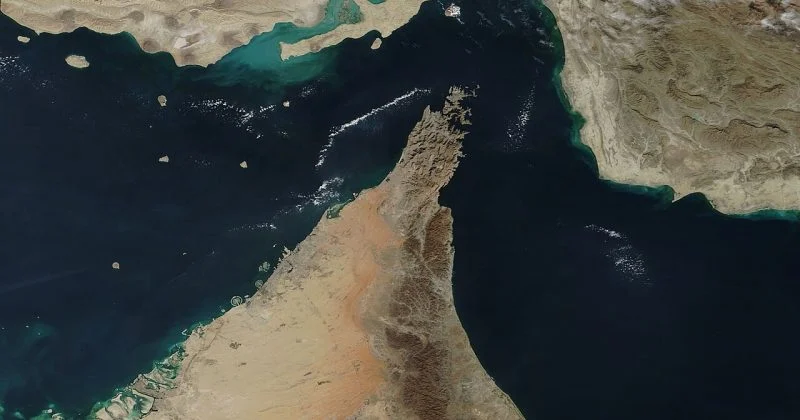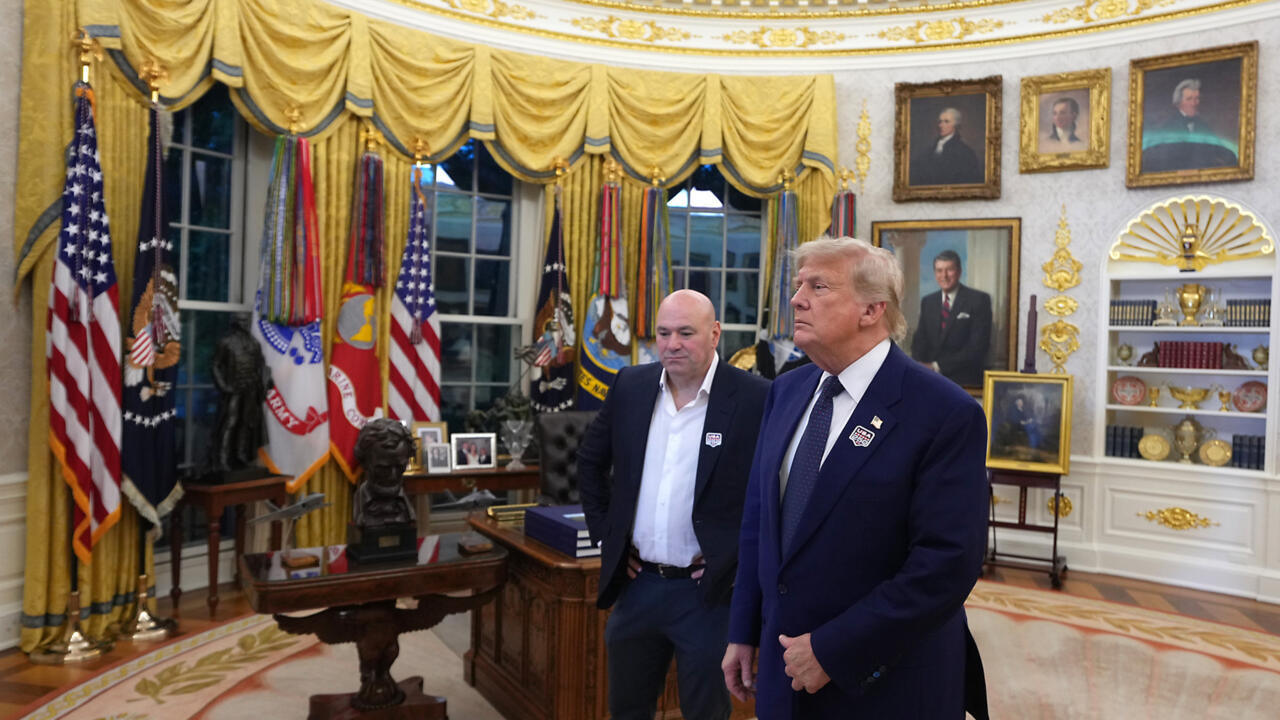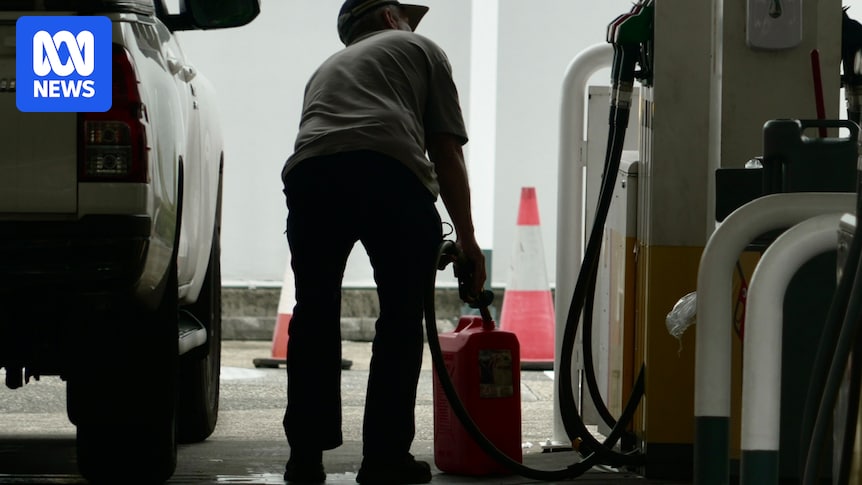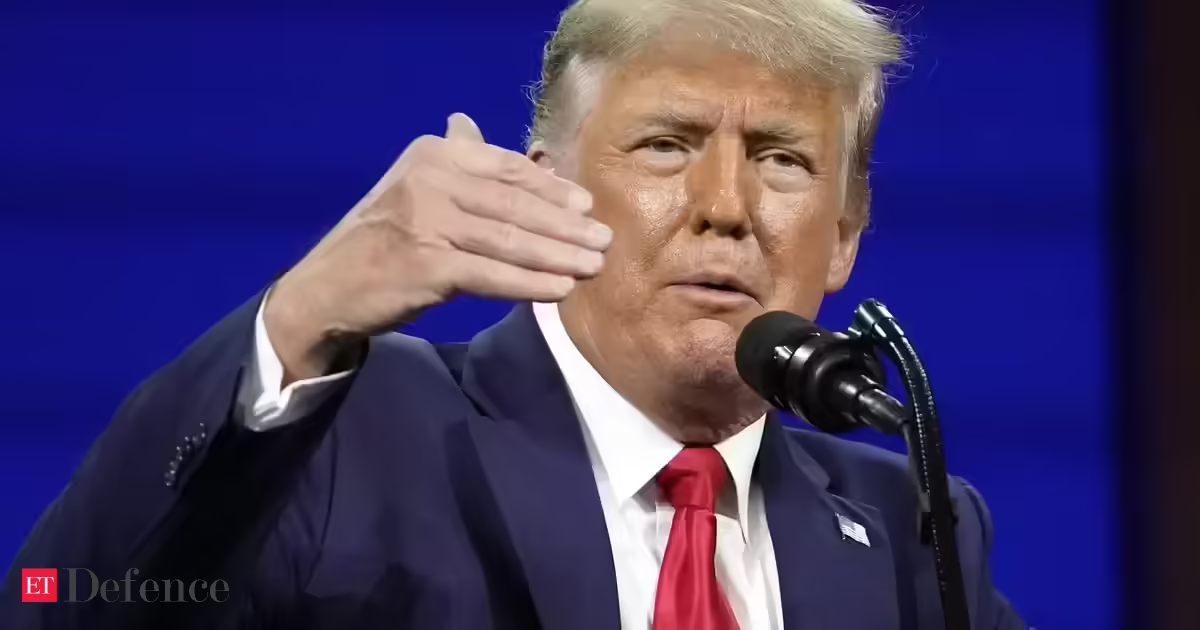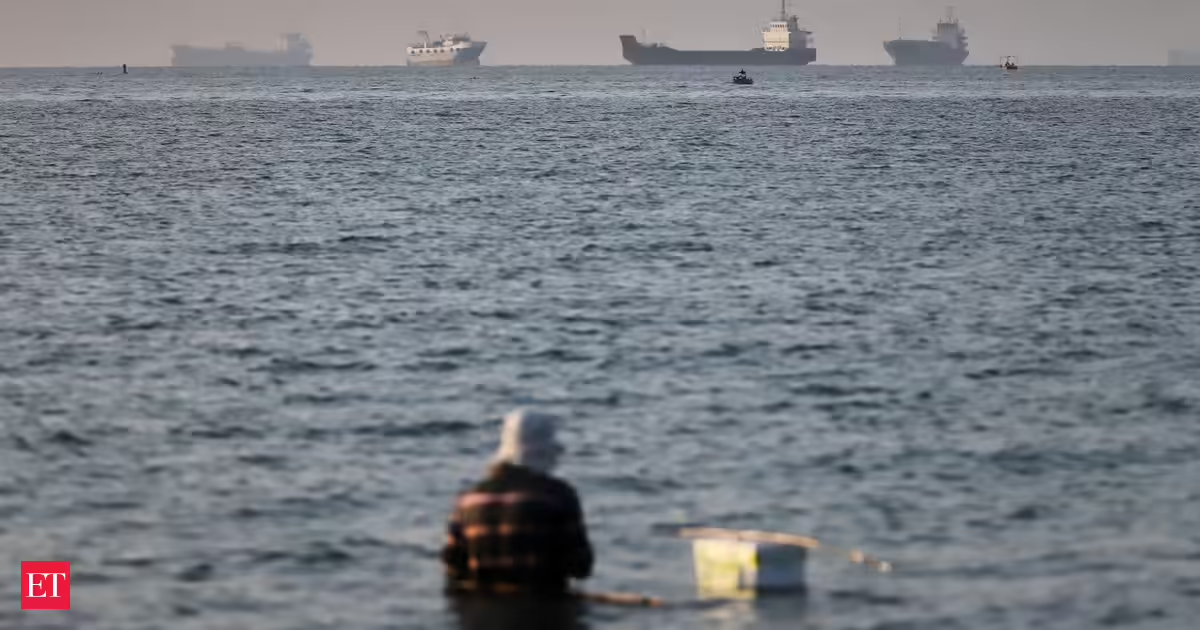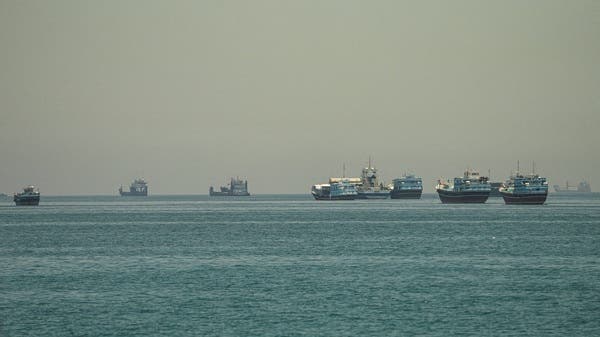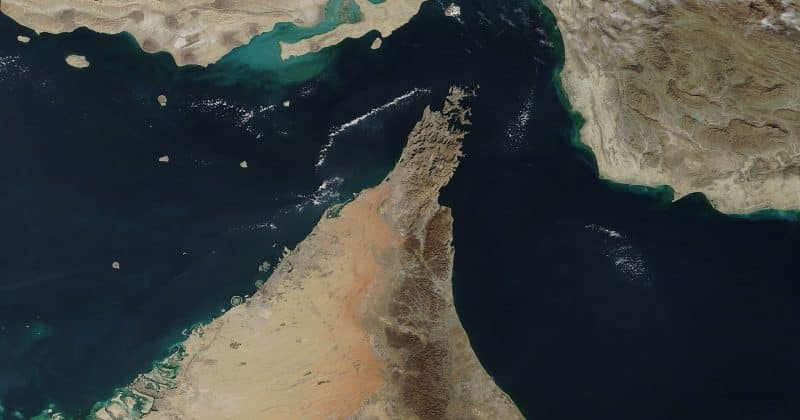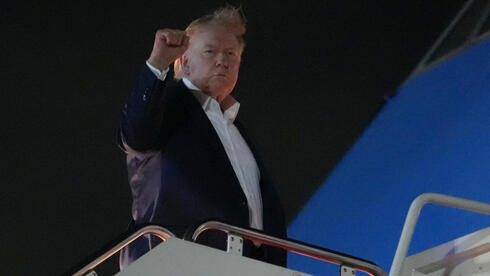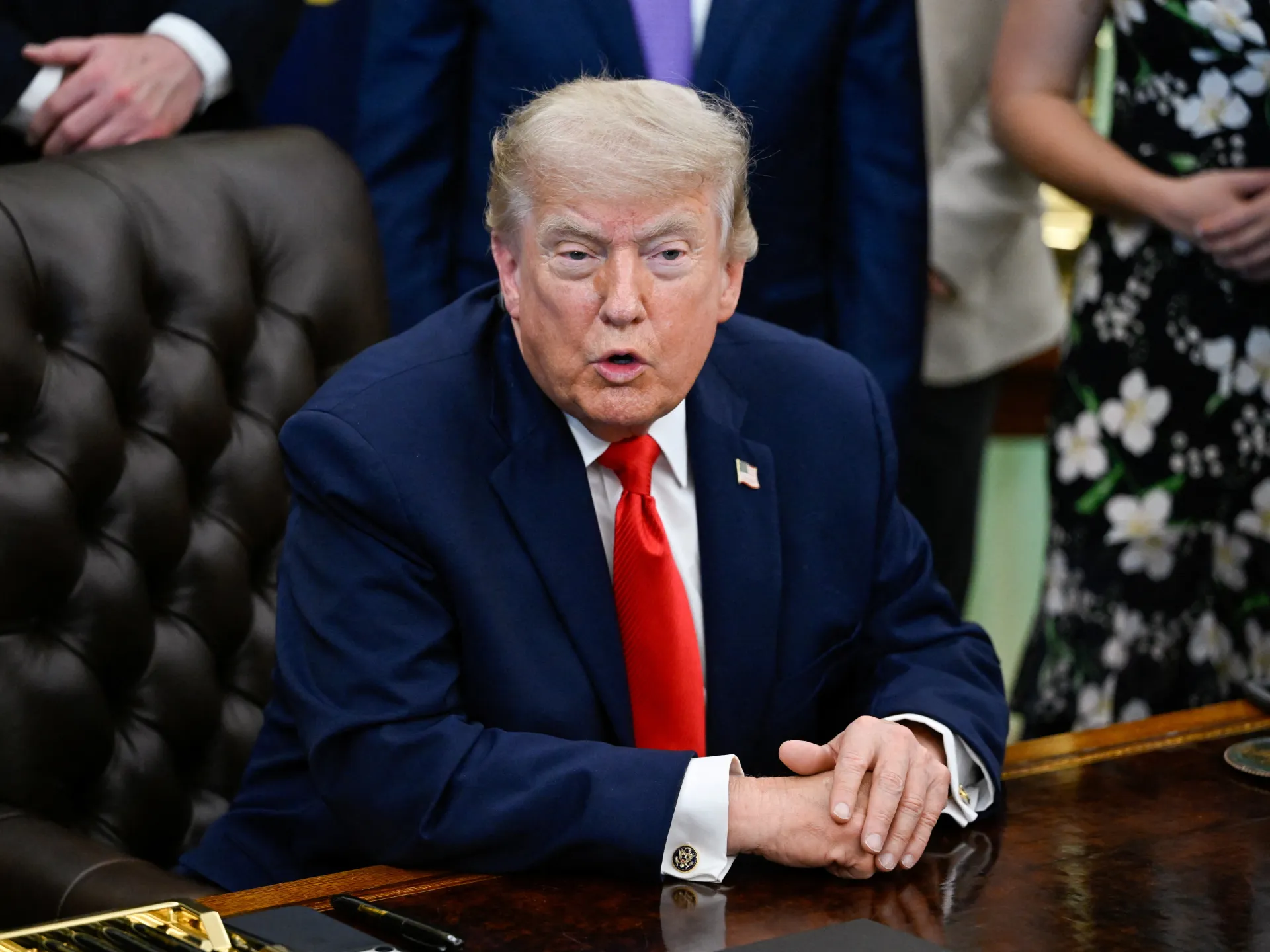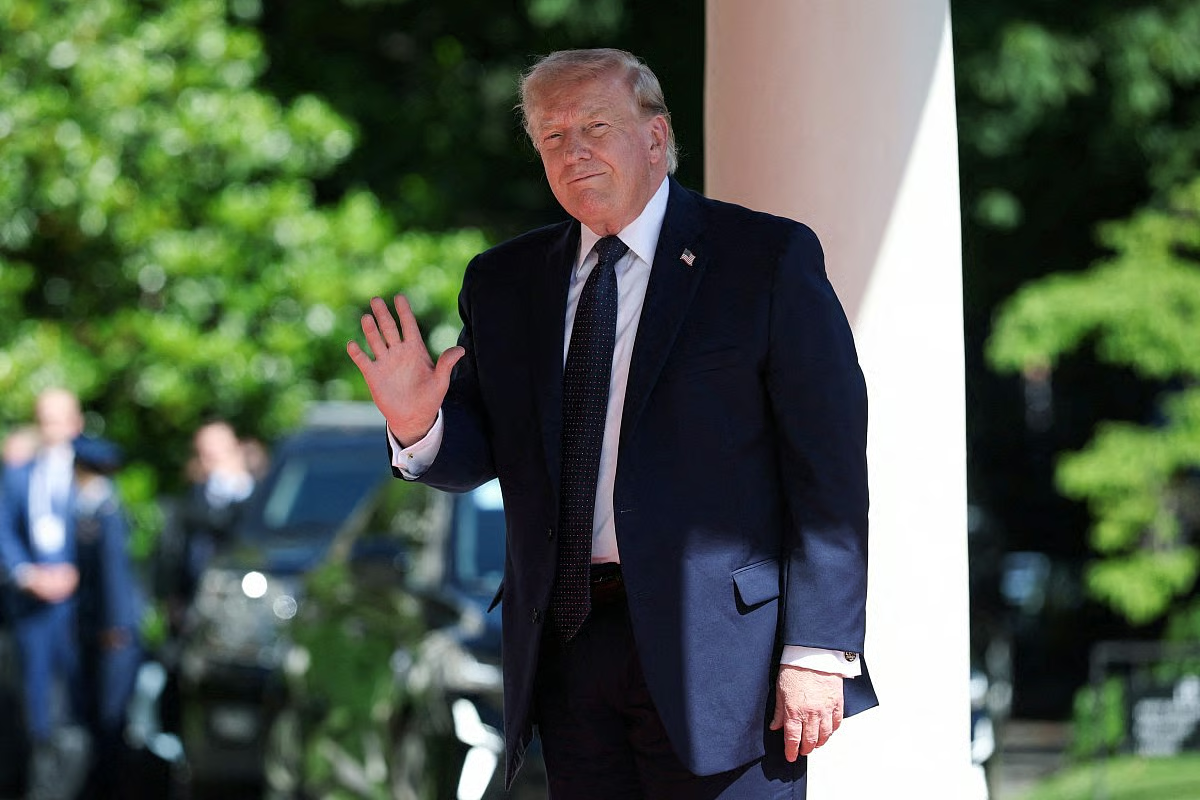
The US and Iran have agreed in principle to reopen the Strait of Hormuz and extend a fragile ceasefire, in a move that could ease global energy pressures and calm months of conflict. The draft deal, announced by mediators, is set to be signed on Friday in Switzerland. However, major issues, including Iran’s nuclear stockpile and ongoing regional clashes, remain unresolved. Follow our live coverage for the updates and key perspectives from across the globe:07:23 AM, 16 June 2026We are closing this coverage now. For the latest updates, click here.05:12 AM, 16 June 2026Vance: IAEA, US to help Iran 'destroy' enriched uranium stockpileThe US-Iran deal provides for the return of International Atomic Energy Agency (IAEA) experts to Iran to destroy its stockpile of enriched uranium, US Vice President JD Vance stated."Yes, absolutely," he said in an interview with NBC News. "In fact, one of the core parts of the agreement is that the IAEA [International Atomic Energy Agency] and the United States are going to help Iran destroy the highly enriched [uranium] stockpile," he emphasized.The vice president added that this is "spelled out very clearly" in the Iran-US memorandum of understanding, Russia's TASS news agency reported. According to Vance, there are still "some technical details to work out, not related to the text of the memorandum of understanding itself, but the implementation."The document is scheduled to be signed in Geneva on June 19. 04:02 AM, 16 June 2026Hormuz reopening set for June 19 amid uncertainty over deal termsConfusion continued to swirl over the scope and timing of a reported US–Iran agreement, even as President Donald Trump said the deal to end the war had already been signed and that details would be released “pretty soon.”Trump said the agreement was digitally signed on Sunday (June 14) and claimed it includes provisions to reopen the Strait of Hormuz by Friday (June 19), when he said the accord would be formally inked on paper. He did not immediately provide documentation or detailed terms of the agreement.The Strait of Hormuz has been a central flashpoint during weeks of conflict involving Iran, Israel, and allied forces in the region.Iranian and intermediary sources have previously described the deal as a "framework" intended to halt military operations and open a 60-day negotiating period on broader security and nuclear issues, though implementation details remain unclear.Analysts caution that while political statements suggest rapid de-escalation, key questions remain over verification mechanisms, enforcement on the ground, and whether all parties to the wider regional conflict will abide by any ceasefire arrangements.02:36 AM, 16 June 2026Oil prices crash: Sell-off follows US–Iran de-escalation, peace framework Global oil benchmarks tumbled across the board on Monday evening and into Tuesday morning (June 16), as markets are treating the reopening of the Strait of Hormuz as positive news.Crude oil rates prices are falling from their crisis highs as traders anticipate a gradual recovery in Gulf exports, with WTI crude sliding to $80.75 (-4.9%) and Brent to $83.38 (-4.5%).Murban crude was down 7% to $76.81 (down $6.21) as of 6.59am Tokyo time on Tuesday.The broad sell-off comes after reports of a US–Iran de-escalation or preliminary peace framework, including expectations of reduced military confrontation and a possible easing of pressure on maritime flows.01:24 AM, 16 June 2026Hormuz naval mine risk, insurance remain highGlobal shippers are insisting on independent confirmation that the Strait of Hormuz are free of naval mines and other hazards before they fully resume normal operations, amid lingering risks following months of maritime conflict in the Middle East.Industry groups say that even after tentative political de-escalation efforts, operators will not return at scale without verified mine clearance, safe navigation corridors, and sustained security guarantees, Reuters reported. Maritime security experts, meanwhile, warn that underwater mines and unexploded ordnance remain among the most serious threats to commercial shipping, with clearance operations potentially taking weeks in heavily contested waters.01:24 AM, 16 June 2026Hormuz open again, but not fullyMore ships are being allowed through the Strait of Hormuz following the announcement of a US-Iran peace deal. News agencies reported that the situation has improved significantly compared with the near-total shutdown seen earlier in the conflict. While commercial shipping has not yet returned to normal operations, a number of vessels have begun transiting the strait again. Shipping companies and tanker operators are evaluating routes and security conditions before sending larger numbers of vessels through. The agreement reportedly calls for reopening the strait and restoring maritime traffic. Implementation is still underway.01:12 AM, 16 June 2026US nuclear-capable B-52 crashes minutes after departure from Edwards Air Force Base in California A US Air Force B-52 Stratofortress strategic bomber crashed shortly after takeoff from Edwards Air Force Base in California's Mojave Desert, triggering a major emergency response and prompting the closure of one of America's most important military aviation facilities.According to the Air Force, the bomber went down at approximately 11:20 am local time shortly after departing from Edwards Air Force Base, about 100 miles (160 km) north of Los Angeles. Emergency crews rushed to the scene as thick black smoke rose from the desert crash site. Aerial footage showed a large scorched area roughly the size of a football field.01:06 AM, 16 June 2026Trump draws fire from his own party over 'surrender' to IranPresident Donald Trump is facing growing criticism from some of the Republican Party's most prominent foreign-policy hawks, who argue that his emerging agreement with Iran amounts to a major "retreat" after months of military confrontation and economic pressure.The backlash comes as the Trump administration pursues a preliminary accord aimed at ending hostilities, reopening the Strait of Hormuz and laying the groundwork for broader negotiations with Tehran. While the White House has portrayed the agreement as a diplomatic breakthrough, critics within Trump's own party fear it falls short of the administration's original objectives and could leave Iran strategically stronger.Several Republican lawmakers have publicly questioned whether the proposed arrangement secures meaningful concessions from Iran on key issues such as its nuclear programme, missile capabilities and regional influence. Senator Lindsey Graham warned that a deal allowing Iran to retain significant leverage in the Gulf would represent a major shift in the regional balance of power, while Senator Ted Cruz described reports of concessions to Tehran as "deeply concerning".12:21 AM, 16 June 2026Dow ends at record after US and Iran announce peace accord
Live coverage: Trump says Strait of Hormuz will be 'completely open' Friday
Trump announces US-Iran agreement to fully reopen the Strait of Hormuz by Friday, aiming to restore vital oil shipping lanes and ease global economic pressures.
9,378 words~43 min read