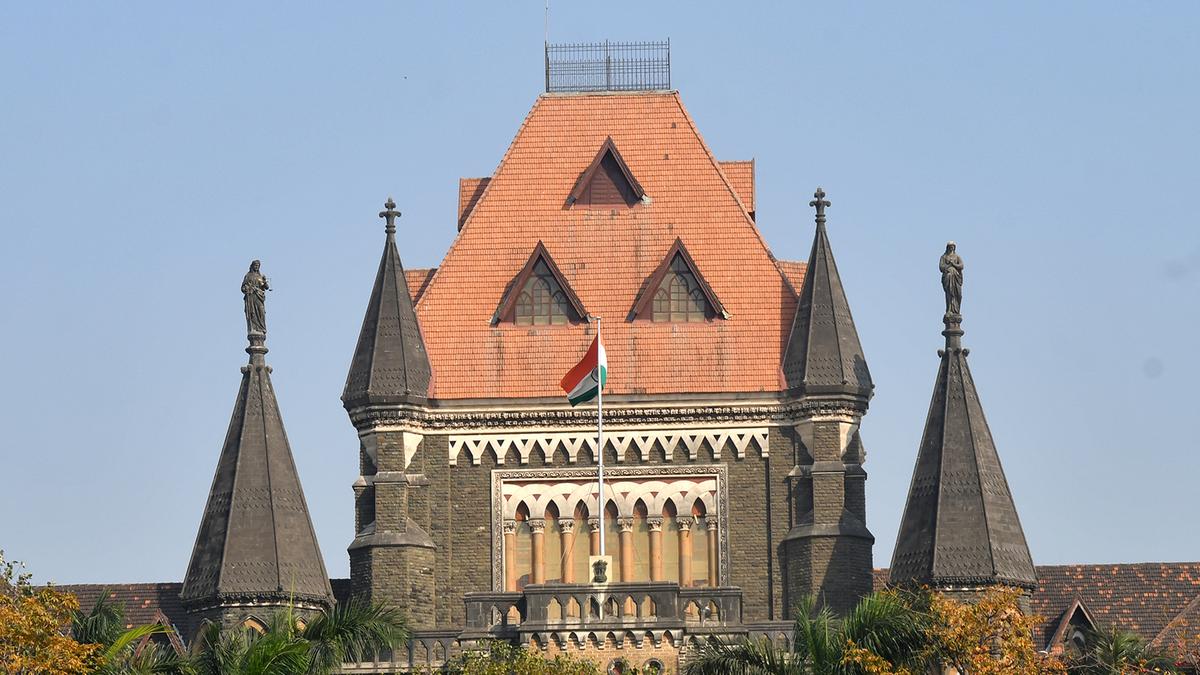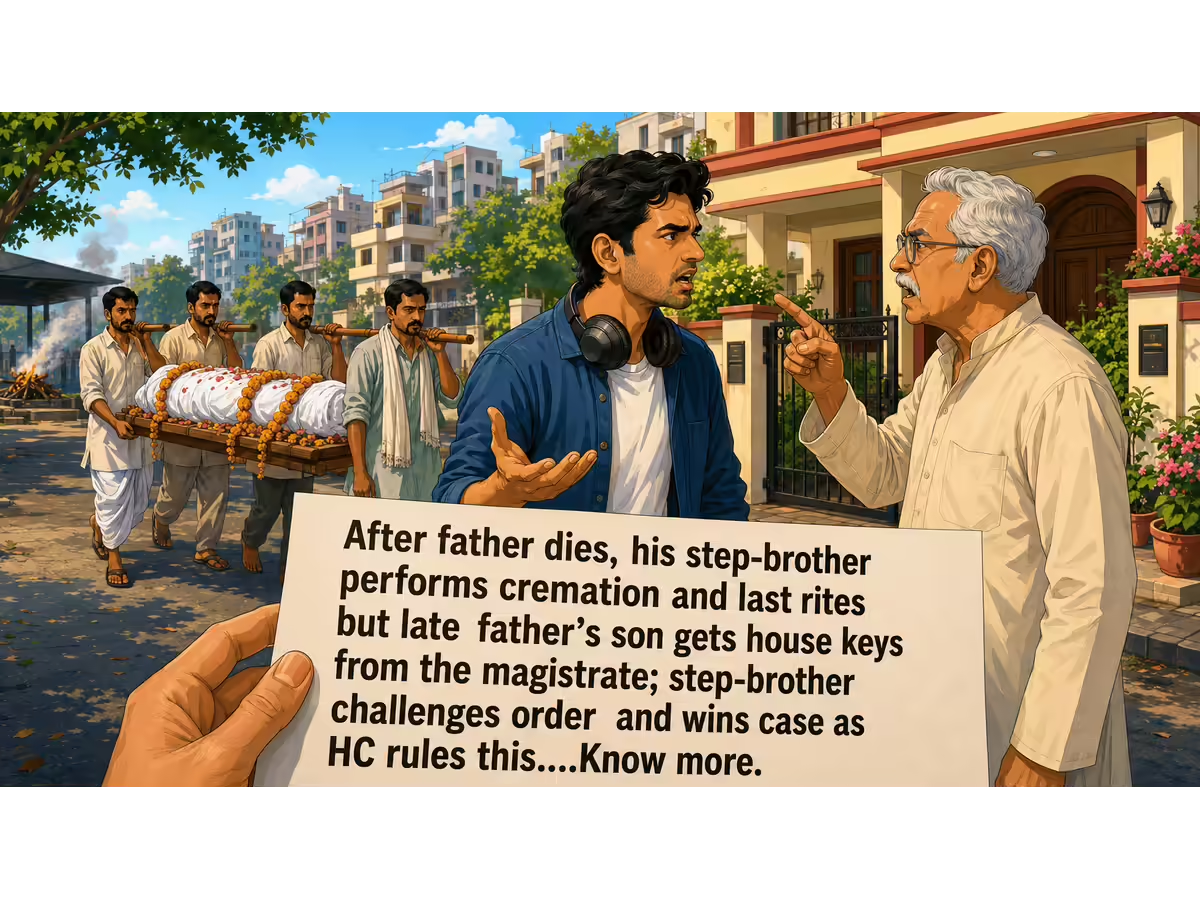
In an interim order, the Calcutta High Court recently directed the city police to take custody of the keys of a disputed house and keep them in their safe custody until civil court resolves the property dispute between the late owner's son and his stepbrother. The high court observed that property disputes regarding title, succession, and possession fall exclusively within the domain of civil courts and can't be adjudicated by criminal courts.This interim order (dated May 22,2026, case no. 2026:CHC-AS:814) came in a property dispute case filed by the late Mr Sasmal's stepbrother against Sasmal's son regarding a housing property on the S.P Mukherjee Road, owned by Sasmal. As per submissions to the court, Sasmal lost his consciousness on August 28, 2012, and was taken to SSKM Hospital, where the doctors declared him dead later the day. Following his death, his stepbrother performed cremation and last rites.Upon learning that SSKM Hospital had declared Sasmal dead, officers of Tollygunge Police Station decided to lock his house on S.P. Mukherjee Road to prevent theft or unlawful trespass. The police said the house allegedly contained several valuables and articles that had been left unattended following his death. Thus, the police kept the keys in their custody and, in this regard, also made a General Diary (entry no. 2483) dated August 28, 2012. On September 10, 2012, the police informed the Chief Judicial Magistrate regarding the General Diary entry and the action taken by them (keeping custody of late Sasmal's house key). Subsequently, Sasmal's stepbrother approached the Chief Judicial Magistrate, seeking custody of the house keys. The matter, however, remained pending for an unusually long period of time. On October 10, 2023, Sasmal's son appeared before the Chief Judicial Magistrate and sought custody of the house keys asserting his superior rights as son. The Chief Judicial Magistrate asked for a verification report from the police, which they submitted after some time.The police report indicated that, upon verification with the Election Commission records, PAN records, UIDAI details, and the birth certificate issued by the Kolkata Municipal Corporation, he seems to be Sasmal's son.Considering this police report, the Chief Judicial Magistrate on January 18, 2024, directed the police to hand over the house keys to Sasmal's son "for his own use" upon furnishing a bond and undertaking. Feeling aggrieved, Sasmal's stepbrother resisted and said that he was the one who performed Sasmal's cremation and last rites. Thus, a dispute started between Sasmal's son and his stepbrother (son's step uncle).Sasmal's stepbrother then filed a criminal case (92 of 2024) against Sasmal's son before the Additional District and Sessions Judge, which ultimately came to be dismissed on June 23, 2025. Still aggrieved, Sasmal filed an appeal in Fast Track Court, 8th Court at Alipore, (Criminal Appeal No. 92 of 2024) whereby the court affirmed the Chief Judicial Magistrate's order.Unhappy with the order, Sasmal's stepbrother then approached the Calcutta High Court. The lawyer of Sasmal's son told the high court that despite 14 years had elapsed since the death of his father, his step-uncle had never claimed title to or possession of the property. He also contended that Sasmal's son, as the deceased's legal heir, has a legitimate claim over his father's property.His uncle's lawyer argued that the criminal court (Chief Judicial Magistrate), under the guise of preserving property, cannot determine civil rights relating to title, succession, or possession. He also argued that under the statutory scheme of the Police Act, the authority to deal with unclaimed property is vested only in the "Magistrate of the district", which expression refers to the executive magistracy and not to a Judicial Magistrate. Sasmal's stepbrother requested the high court to restore 'status quo ante' by directing restoration of custody of the keys to the police authorities until adjudication by a competent civil forum.After hearing both parties, the Calcutta High Court ruled that the Chief Judicial Magistrate acted wholly without jurisdiction in directing the handover of the keys and interim possession of Sasmal's house on S.P. Mukherjee Road (Kolkata) in favour of his son.The Calcutta High Court also directed the officer-in-charge of the Tollygunge Police Station to restore the keys and possession of the premises within a period of seven days from the date of the order and also prepare an inventory and a detailed list of the properties/articles lying at the premises in question in the presence of Sasmal's son and stepbrother.The high court also directed the police to act as a neutral custodian of the property to maintain peace and protect it without recognising or conferring any possessory or proprietary rights in favour of either party. The high court also made it clear that they have not adjudicated upon title, succession, or lawful possession of the property, and all such questions are left open to be decided before a competent civil court in accordance with law. Calcutta High Court reasoningThe Calcutta High Court analysed Sections 25, 26 and 27 of the Police Act, 1861, and said that the expression "Magistrate of the district" under the interpretation clause of the Police Act refers to "the chief officer charged with the executive administration of a district", thereby indicating the executive magistracy and not judicial magistrates.The high court said that a Judicial Magistrate neither performs executive administration nor heads the district administration, reported LiveLaw.The high court also observed that if a Judicial magistrate is thought of as 'magistrate of the district,' then the statutory distinction between judiciary and executive magistracy recognised under Section 3(4) of the CrPC would be removed.The high court also accepted the stepbrother's lawyers' argument that the term "property" under the Police Act includes only movable property, money, or valuable security.The high court also said that the West Bengal Escheats and Forfeitures Act, 2012, is a special statue, which deals with taking over the charge, management, administration, supervision, custody, and disposal of the property vested in the state of West Bengal by escheat or lapse or as a bona vacantia and unclaimed property. The high court explained that by virtue of definition clause 2(l) of the said Act, unclaimed property means "any movable or immovable property or any article or treasure trove of any description or any interest, legal or equitable, in it that is forfeited or has become forfeited or shall forfeit to the state government under the provisions of this Act." However, the property involved in this case can no longer be said to be an unclaimed property. Thus, the high court ruled that the right, title, and interest over the property in question are now being seriously contested by the son and his step uncle so this act can't apply here.The Calcutta High Court also referred to the Supreme Court's ruling in Nevada Properties Private Limited Vs. State of Maharashtra and reiterated that criminal seizure powers are contextually limited insofar as immovable properties are concerned.
Man dies, stepbrother performs last rites; son later claims house but stepbrother challenges it and prevails as HC says civil court must decide property rights - The Economic Times
After father dies, his step-brother performs cremation and last rites but late father’s son gets house keys from the magistrate; step-brother challenges order and wins case as HC rules only civil court can decide disputed property claims
1,137 words~5 min read