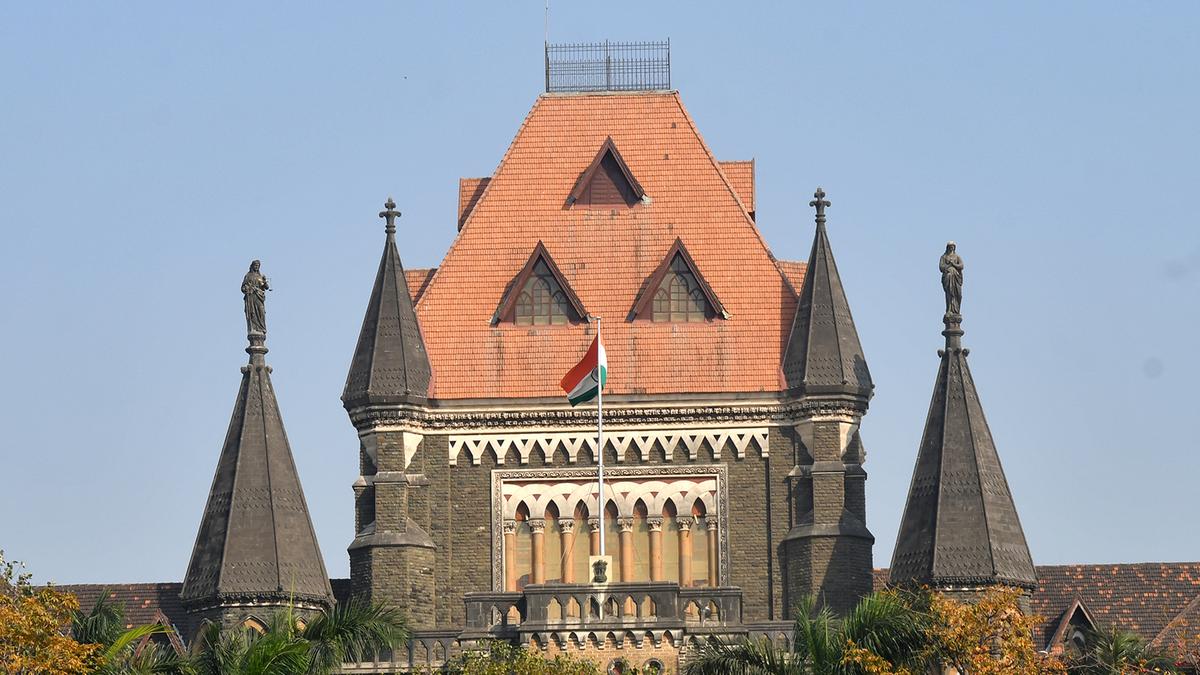
MUMBAI: The Bombay High Court has upheld the tenancy rights of a woman living in a Parsi Punchayet property in Dadar, ruling that as the first cousin and legal heir of a deceased tenant, she was entitled to be recognised as a tenant even though she could not prove that she was residing with him at the time of his death.HC upholds Dadar woman’s tenancy rights in Parsi Punchayet property disputeA single-judge bench of Justice MM Sathaye dismissed a petition filed by the Parsi Punchayet Funds and Properties (Trust), which had challenged concurrent rulings of the Small Causes Court and its appellate bench in favour of Katty Mistry.The dispute dates back to 1993, when tenant Baji B Patel died. Following his death, Mistry, who claimed to be Patel’s first cousin and legal heir, sought recognition as the tenant of the premises and requested that the rent receipt be transferred to her name.The Trust opposed her claim, arguing that she was neither residing with Patel before his death nor related to him or his family. It described Mistry as a “rank trespasser” attempting to “unlawfully usurp the suit premises”.The matter was subsequently heard by the Small Causes Court in Mumbai, which in December 1997 declared Mistry the tenant of the premises and directed the Trust to issue rent receipts in her name. The Trust challenged the decision before the appellate bench, which upheld the ruling in 1999. The Trust then moved the Bombay High Court in August 2000.Before the High Court, the Trust relied on documents such as ration cards and municipal election slips to argue that Mistry was merely Patel’s neighbour in the same building and not a resident of his household. It also contended that she had failed to establish any legal relationship with Patel and therefore could not be recognised as a tenant under the Bombay Rent Act.Mistry, however, maintained that she was claiming tenancy rights both as a member of Patel’s family and as his legal heir under the provisions of the Indian Succession Act applicable to Parsis. She pointed out that no other person had come forward claiming heirship and that the genealogy placed on record had already been accepted by the lower courts.While Justice Sathaye noted that Mistry had failed to prove that she was residing with Patel as a family member at the time of his death, the court observed that both the trial court and the appellate court had accepted her status as Patel’s first cousin and legal heir. The High Court also relied on Unit Trust Certificates that showed Patel and Mistry as joint holders years before his death, finding that the documents supported her claim as a legal heir.Interpreting section 5(11)(c)(i) of the Bombay Rent Act, the court explained that the first part of the provision applies to family members residing with a tenant at the time of the tenant’s death. However, in the absence of such a family member, the second part allows a court to recognise “any heir of the deceased tenant” as the tenant.The court emphasised that the law does not require such an heir to have been residing with the deceased tenant at the time of death. Therefore, in cases where no family member living with the tenant is available, a legal heir can still be recognised as a tenant.Noting that no other heir had come forward and that Mistry had already been recognised as the tenant by the lower courts, the High Court found no reason to interfere with their findings.“The view taken is the most probable view and conclusion drawn by the courts is based on material available on record. As such, there is no reason to interfere in the limited jurisdiction of this court,” the bench said while dismissing the Trust’s plea.
HC upholds Dadar woman’s tenancy rights in Parsi Punchayet property dispute
The Bombay High Court upheld a woman's tenancy rights in Dadar, recognizing her as a legal heir despite not residing with the deceased tenant. | Mumbai news
628 words~3 min read