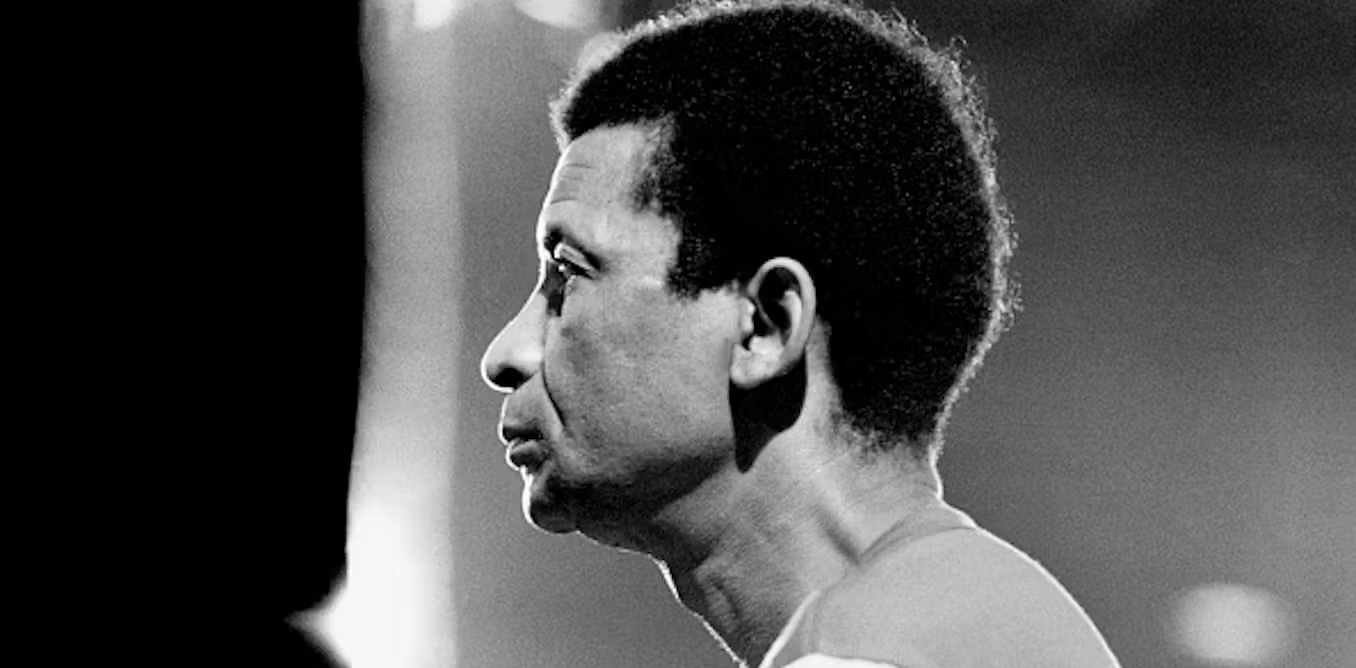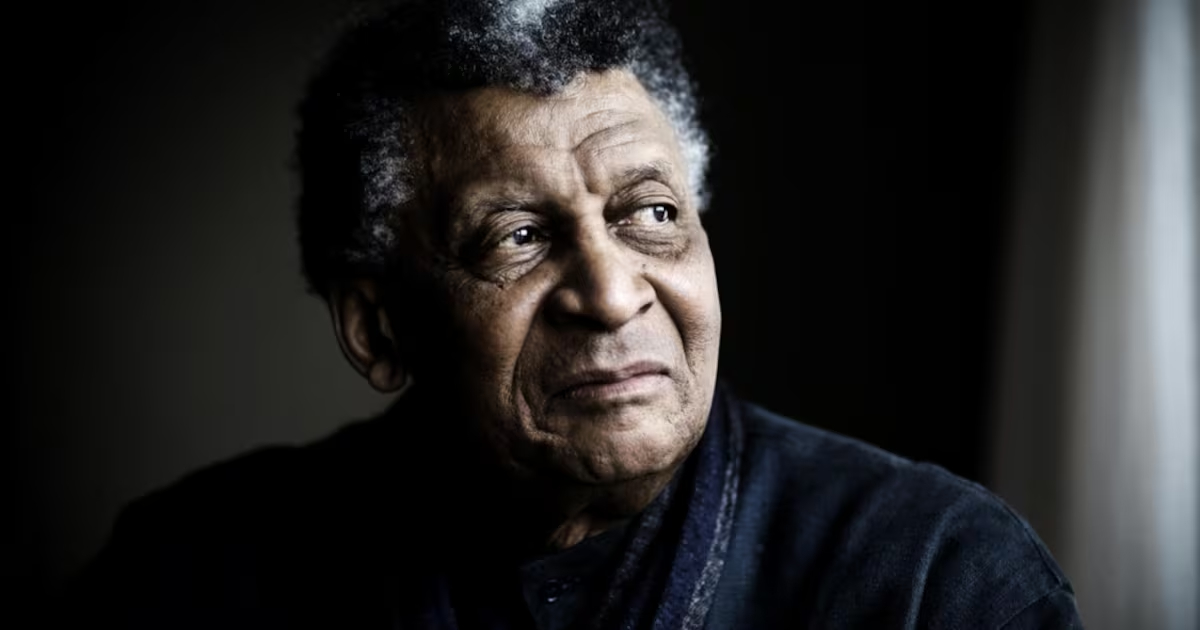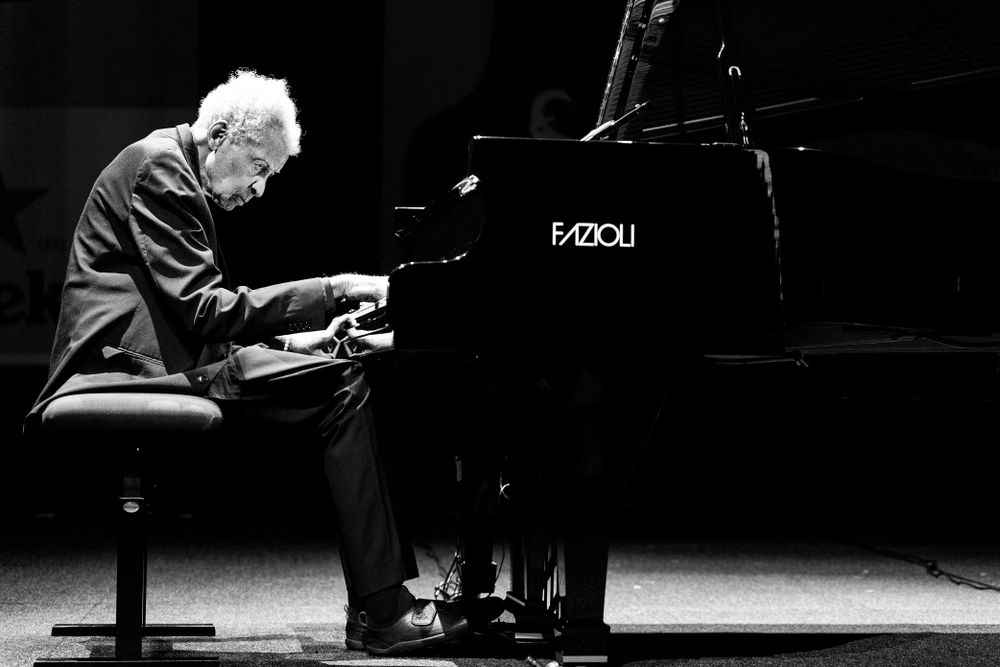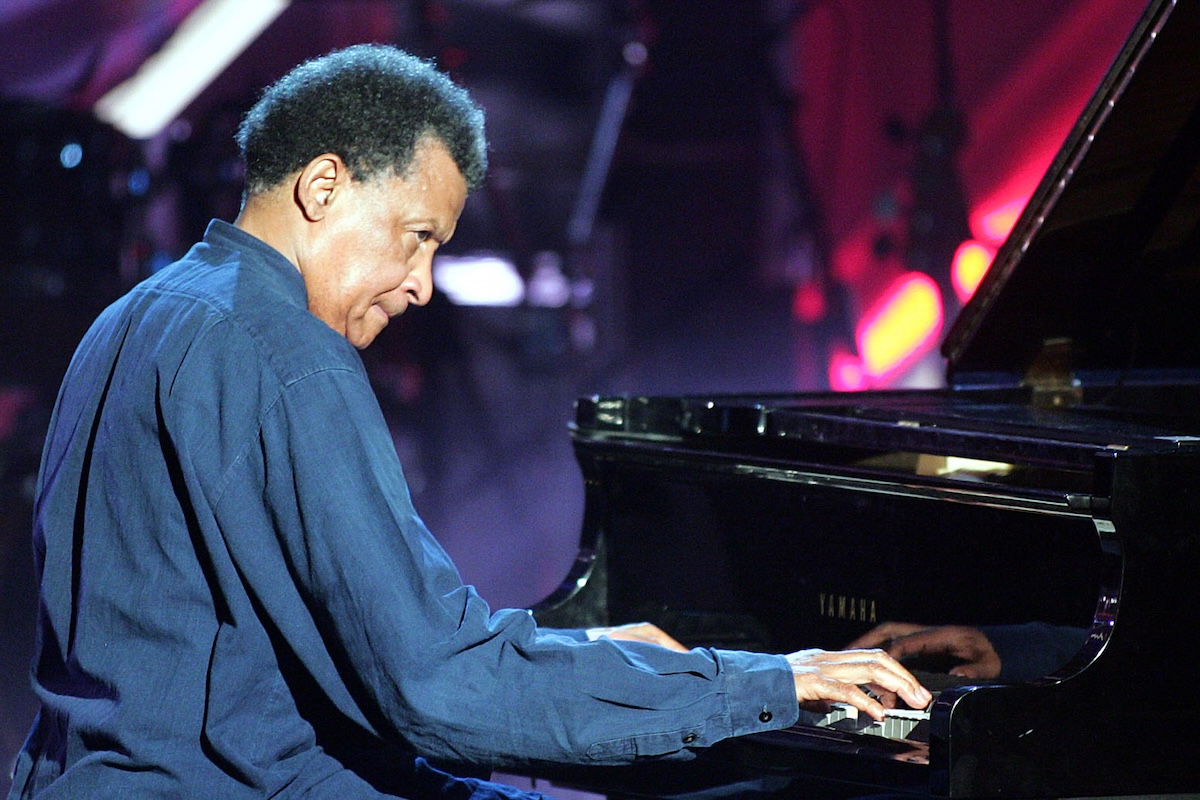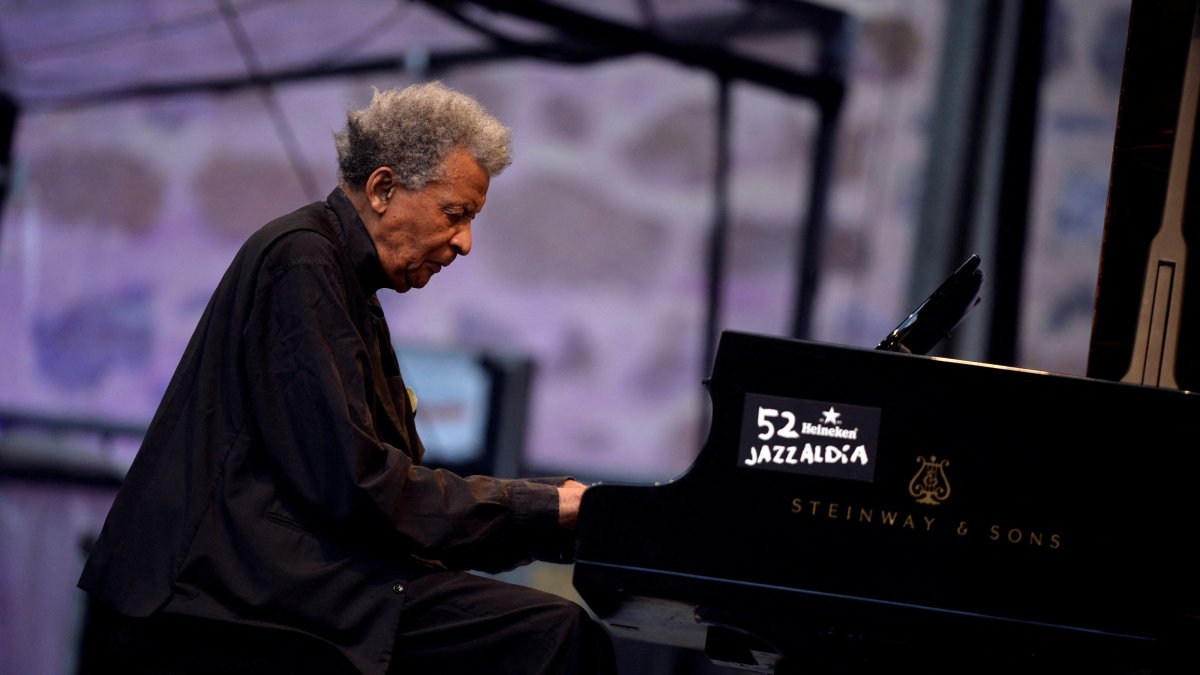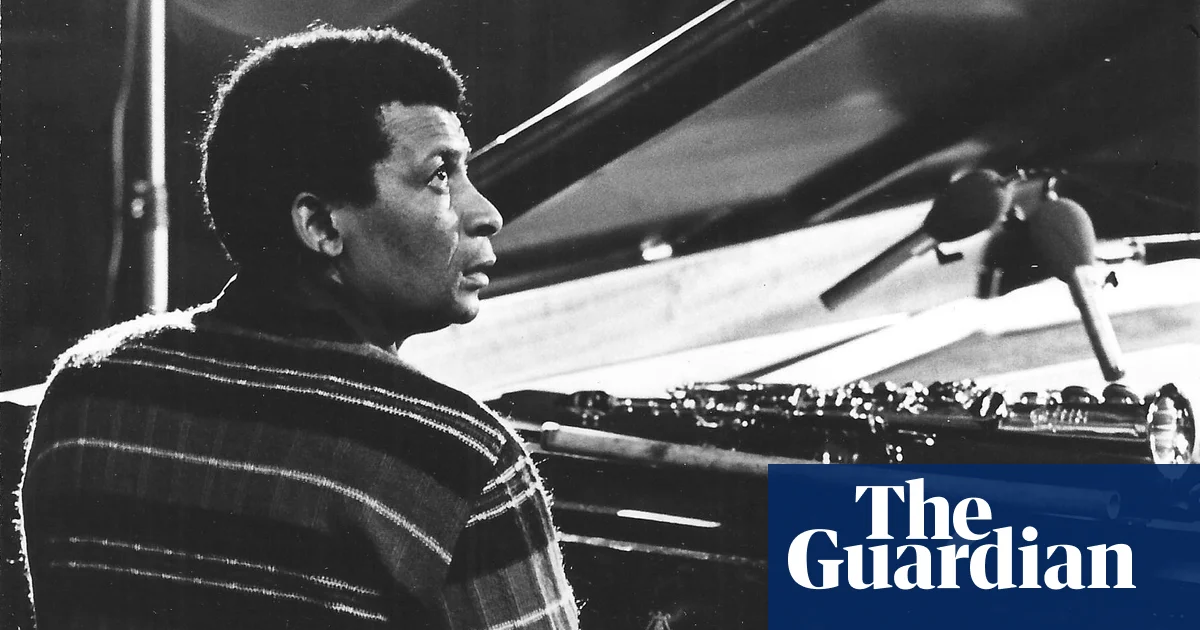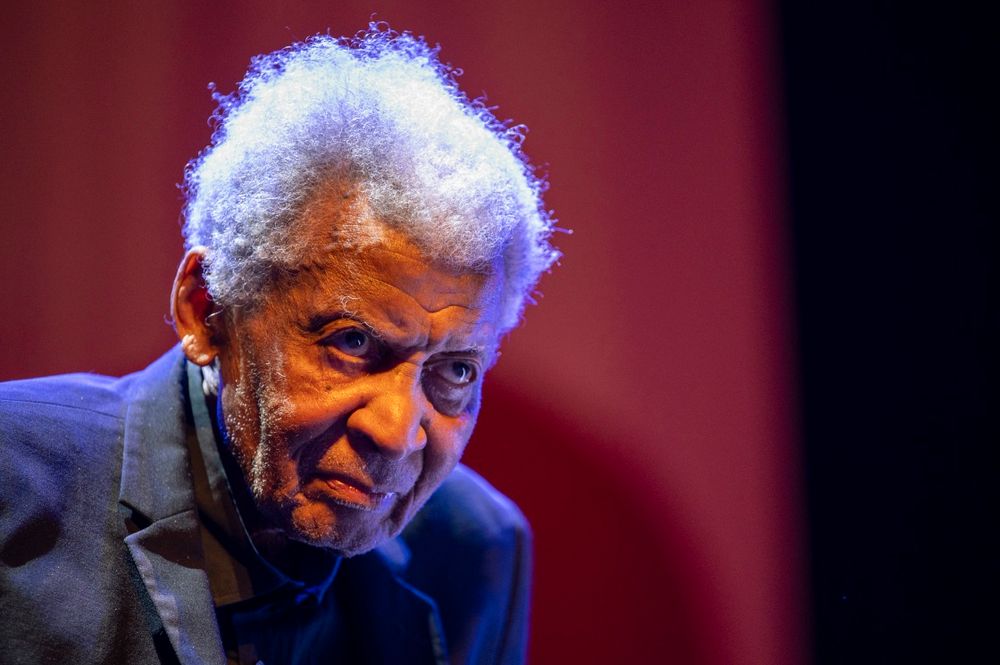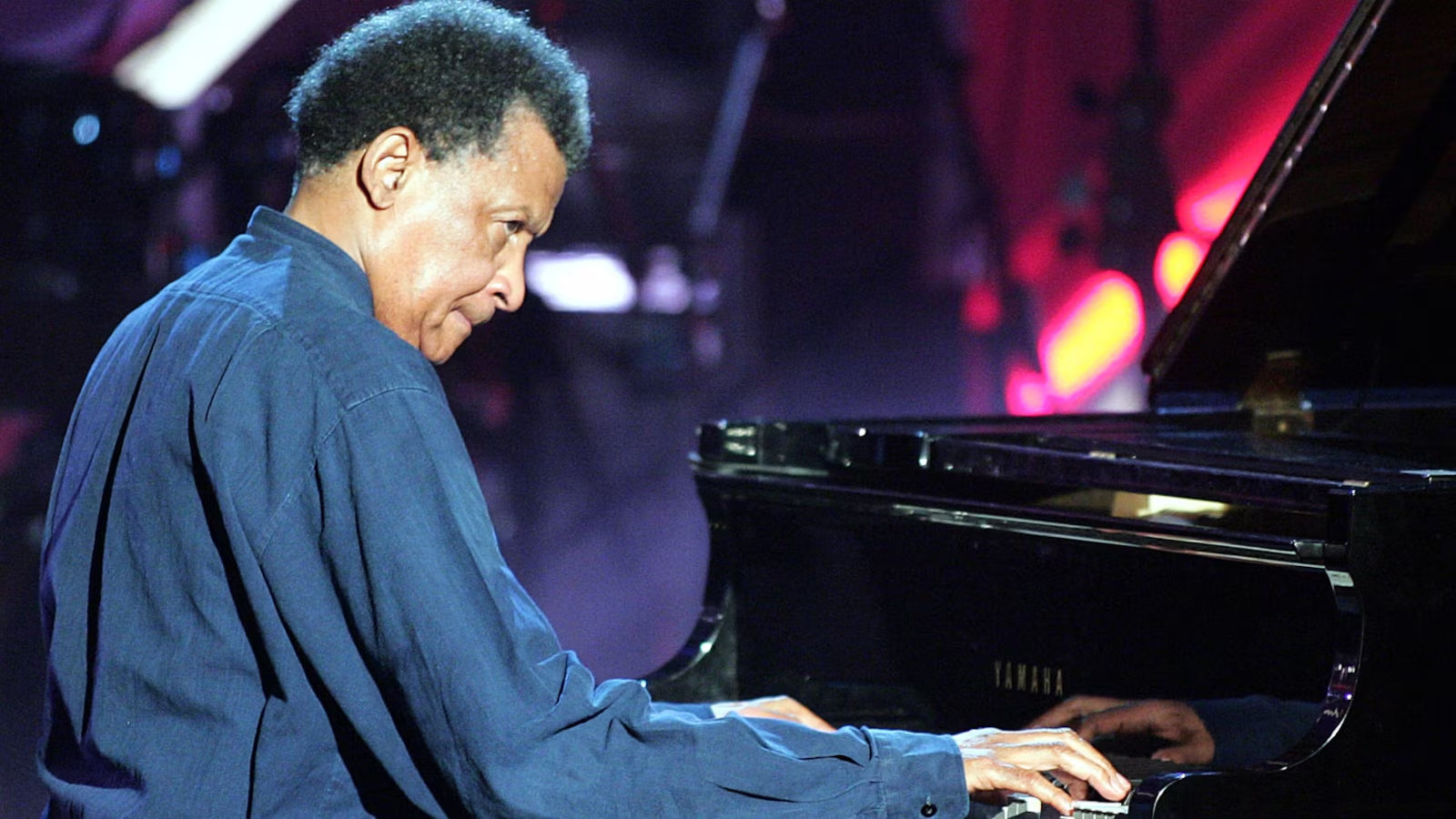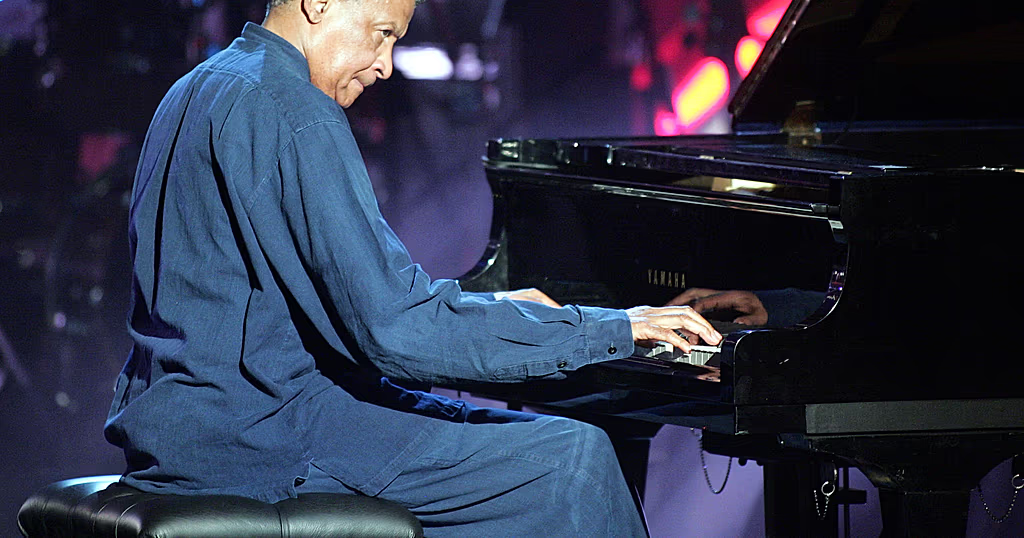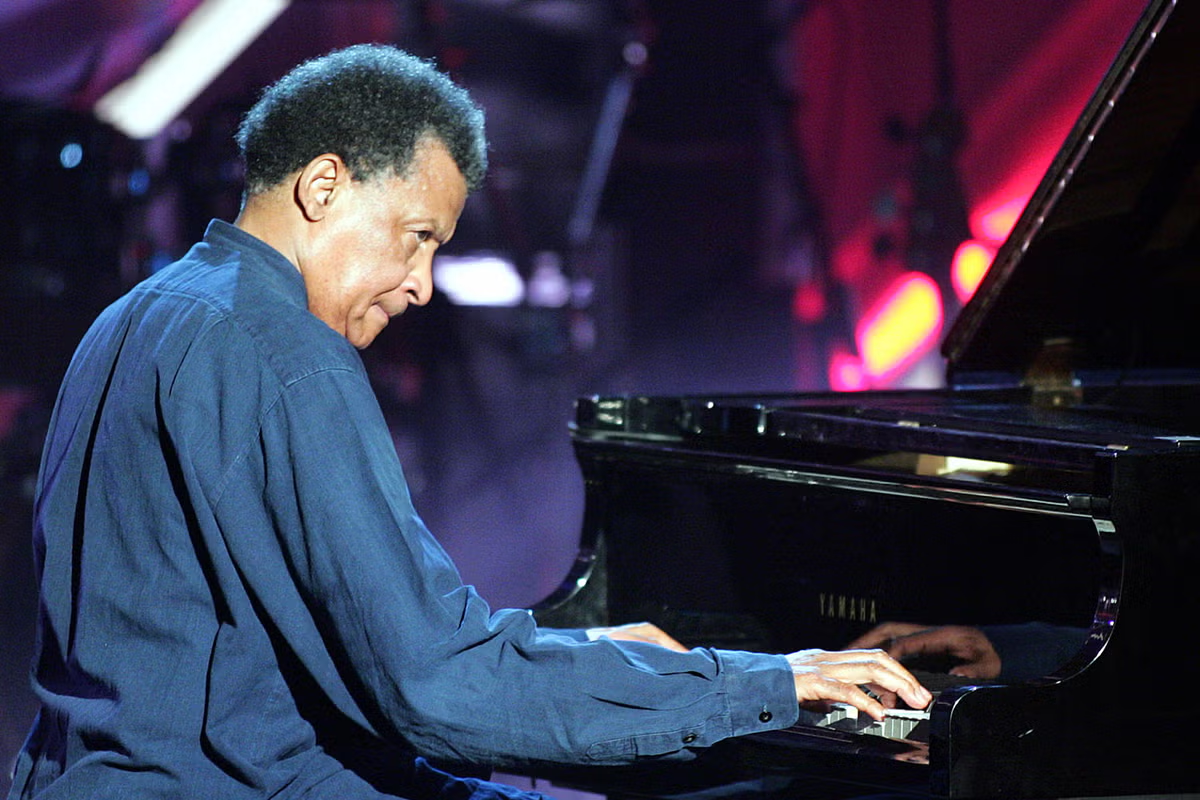
Adolph Johannes Brand was born on October 9, 1934, in Cape Town, South Africa. He would become better known as Dollar Brand and then Abdullah Ibrahim, an artist of mixed ethnic descent who personified the city’s multiculturalism and represented it on the world’s stages.He went to school in District Six, a municipal inner city area with residents of diverse backgrounds. Due to the enforcement of apartheid it was declared a “white area” in 1966 and the community was removed by force in 1982. It was the creative ambience in which he started to play piano aged seven.A bebop-inspired jazz musician performing as Dollar Brand, he had his first musical successes in the mid-1950s. He became Abdullah Ibrahim when converting to Islam in 1968, and his deep religious spirituality was an essential ingredient to his music.
Play
Ibrahim’s more than 70 records received numerous prestigious awards. His deep spirituality, solemn dignity and soul has also been captured in the documentary films A Brother with Perfect Timing in 1987 and A Struggle for Love in 2005.As a political scientist of southern Africa, I have written about Ibrahim as a defiant public intellectual, placing his work within his unique worldviews.He personified the special brand of multiple identities and belief systems, consolidated and transmitted over generations among a variety of descendants in the urban settings at the Cape. His spirituality was not only a source of resilience but also defiance, his humanity political without any need for ideology.In search of genuine expressions through music, he became an icon of a counter-world to the apartheid regime, taking sides by being and living up to what he was.The early yearsIn 1959 he began to play in the Sophiatown-based band Jazz Epistles with other South African legends Kippie Moeketsi, Hugh Masekela, Jonas Gwangwa, Johnny Gertze and Makaya Ntshoko. They recorded Jazz Epistle Verse One as the first black South African jazz LP record.In 1962 Ibrahim left for Europe, touring (with Gertze and Ntshoko) as The Dollar Brand Trio. In Switzerland the South African jazz vocalist Sathima Bea Benjamin put them in contact with Duke Ellington. Together Ellington and the Trio made two recordings (including Benjamin on the second one).The Trio entered the circuit of international jazz festivals and toured Europe. In 1965 Ibrahim and Benjamin married and moved to New York, where he played at the Newport Jazz Festival. He continued close collaboration with Duke Ellington and interacted with some most renowned jazz musicians of the time.Despite his international fame, he never forgot where he came from. Mandla Langa, a writer who was the African National Congress-in-exile’s cultural attaché in Europe, has observed: “He could have lost all connection with South Africa, but he chose not to.”