Adriana Abdenur
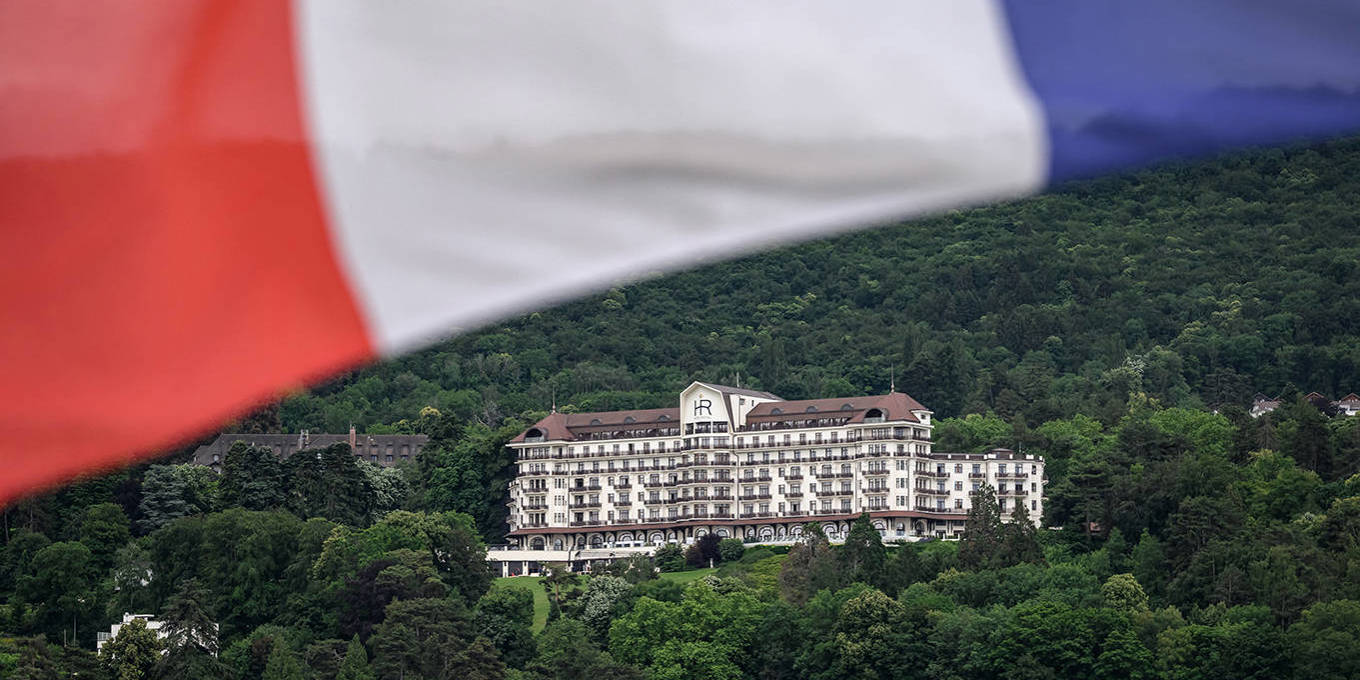
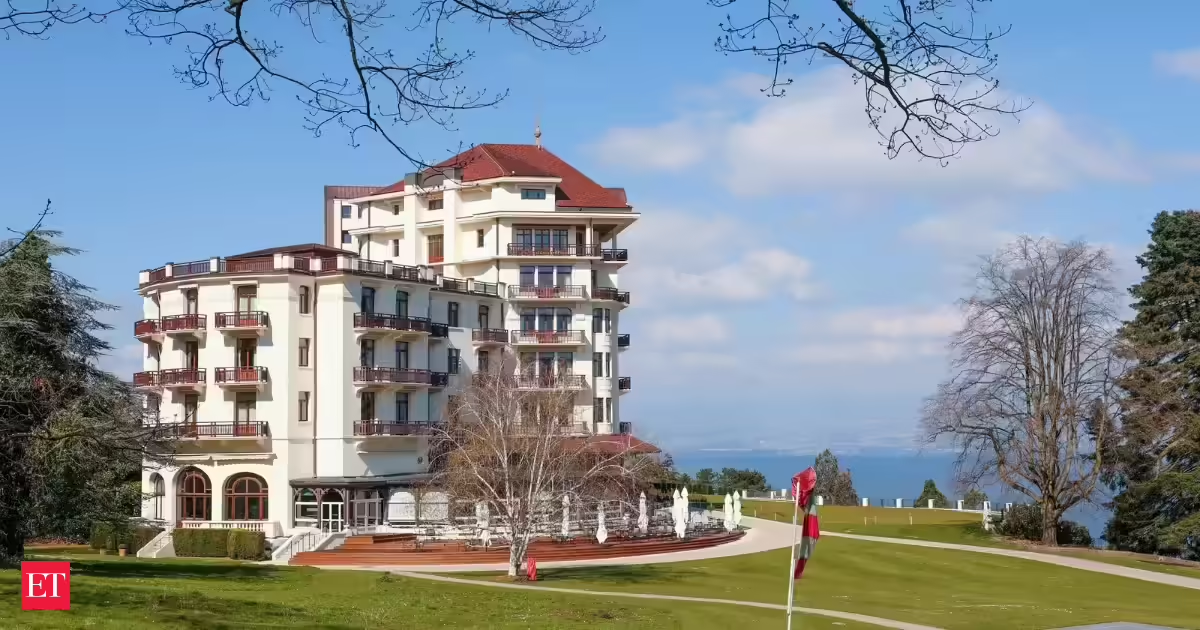
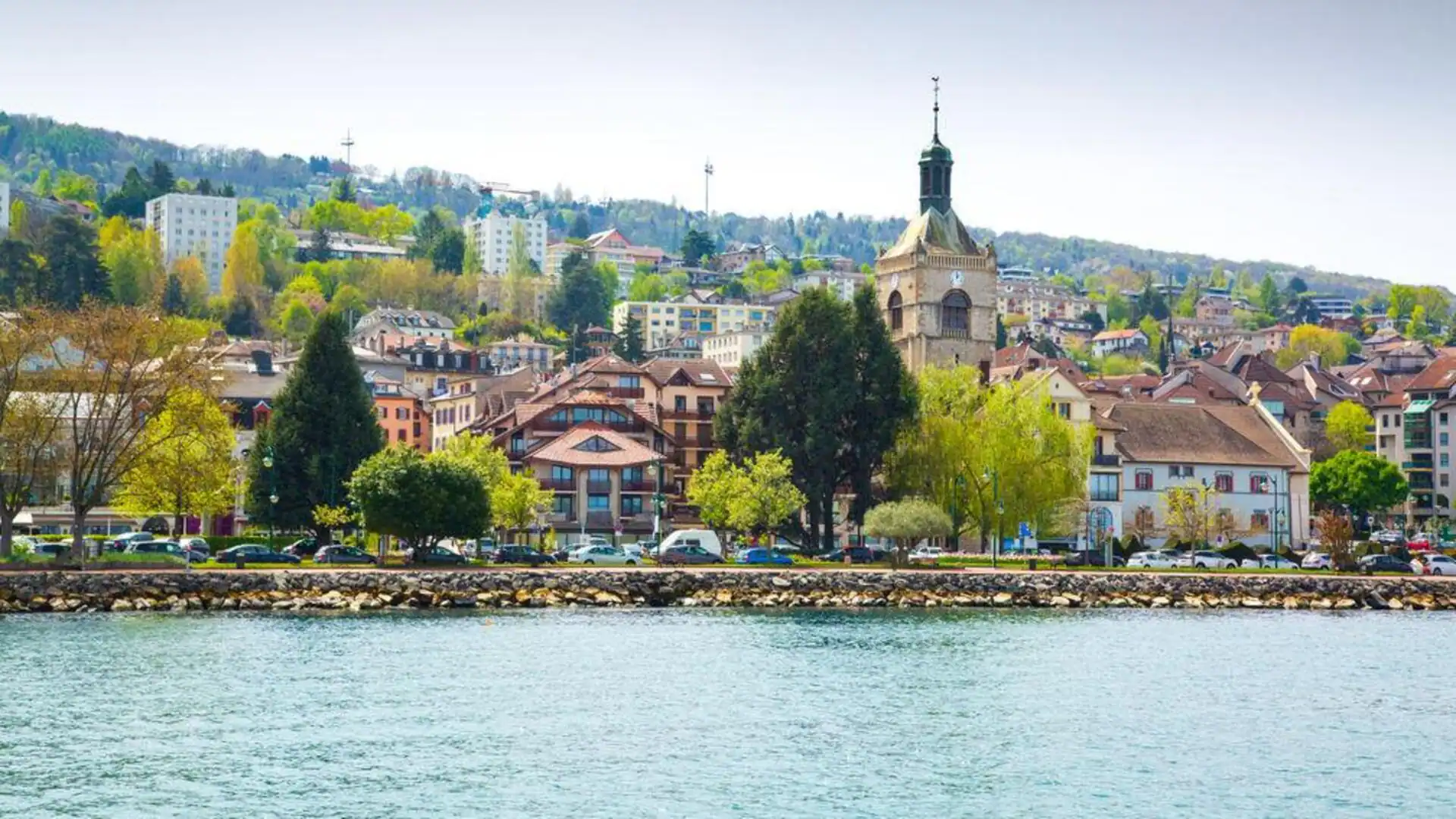
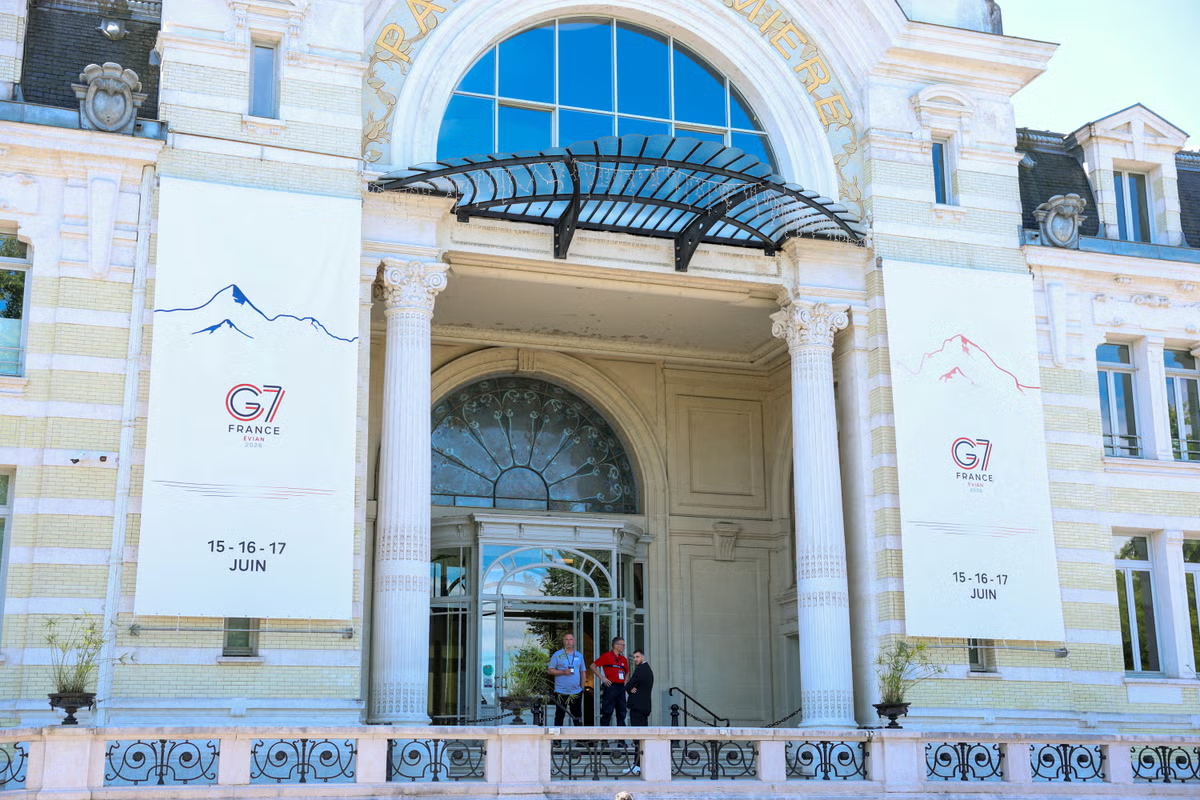
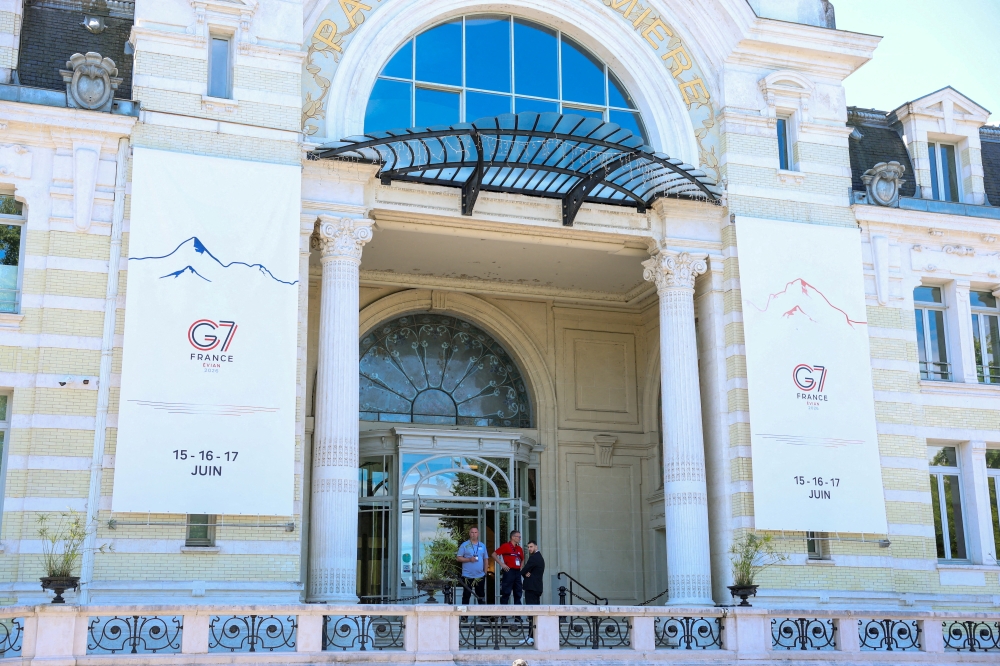
RIO DE JANEIRO — Nestled between mountains and a pristine lake, Évian-les-Bains, the French town where G7 leaders are gathering this month, evokes an image of stability and prosperity. Yet beyond the summit venue lies a world marked by deepening economic insecurity, political fragmentation, climate change, and distrust in institutions. And at the center of these interconnected crises is a challenge that governments continue to treat as an afterthought: rising inequality.
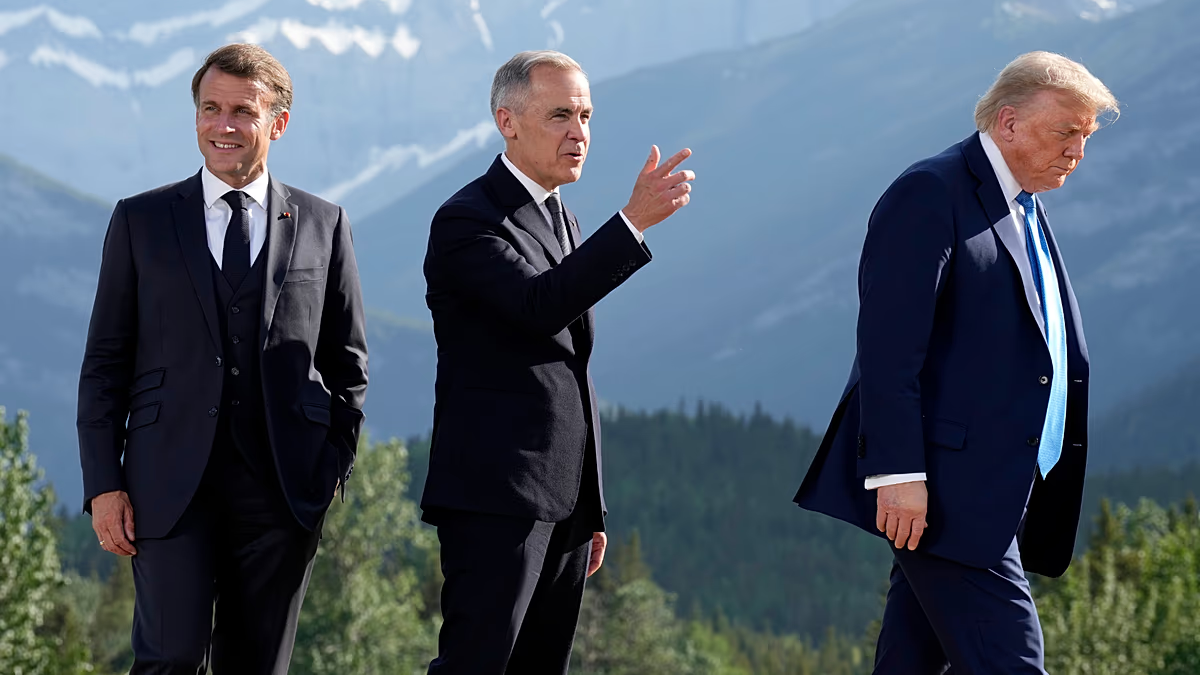
This G7 summit puts “global imbalances” at the top of its agenda, with French President Emmanuel Macron warning that the international economy is becoming a theater of confrontation rather than cooperation. But if G7 leaders are serious about addressing that problem, they must tackle inequality head-on.
That means abandoning the mistaken view that inequality is primarily a problem for developing countries. Extreme disparities in income, wealth, opportunity, and political influence have become a defining feature of the global economy, affecting rich and poor countries alike. In OECD countries, the wealthiest 10 percent of households hold roughly half of all household wealth, while the bottom 40 percent hold around 4 percent. From stagnant living standards, declining social mobility, and political polarization to growing skepticism toward democratic institutions, the consequences are increasingly visible across the G7 itself.