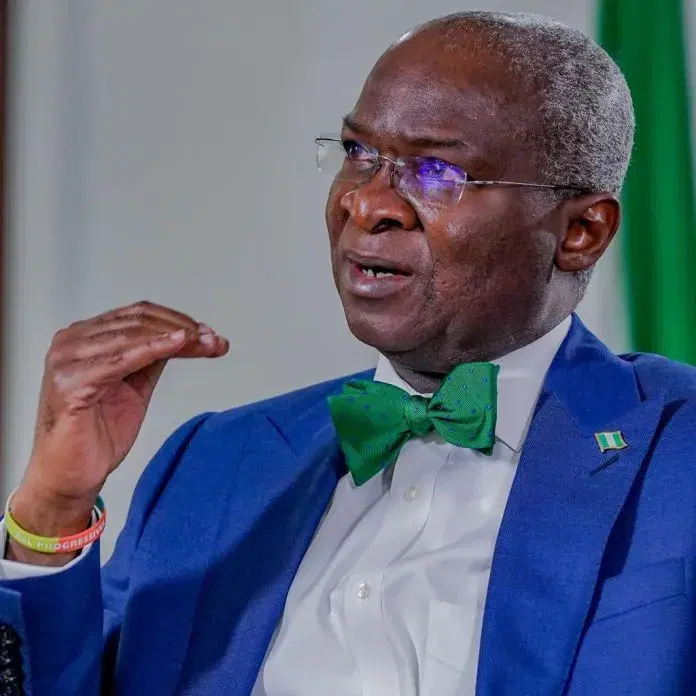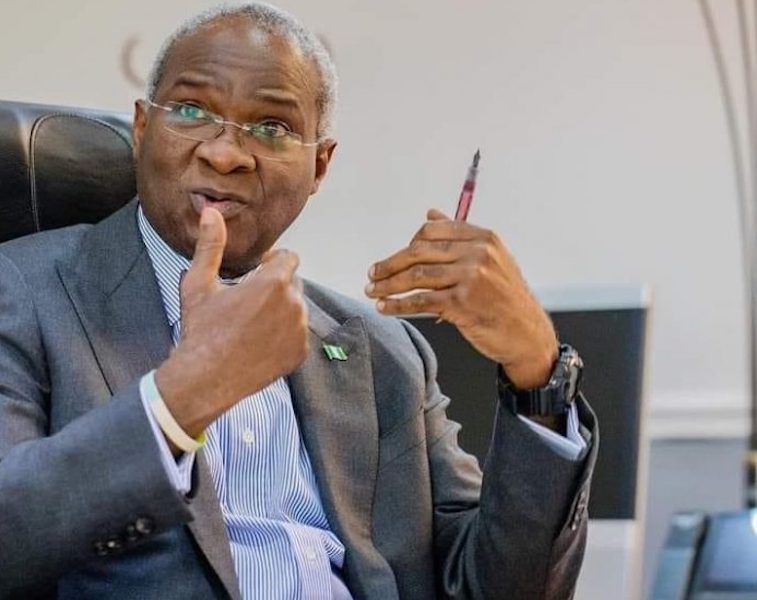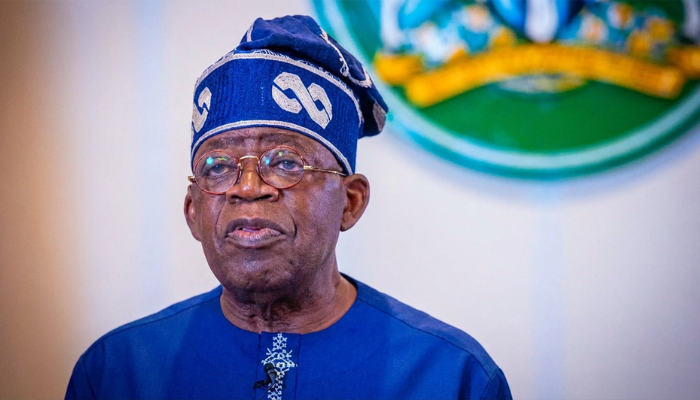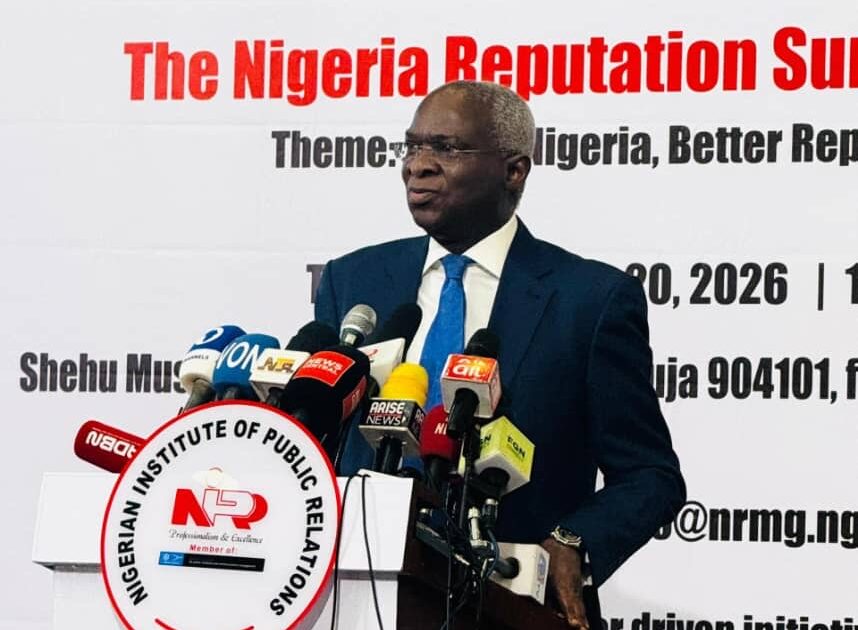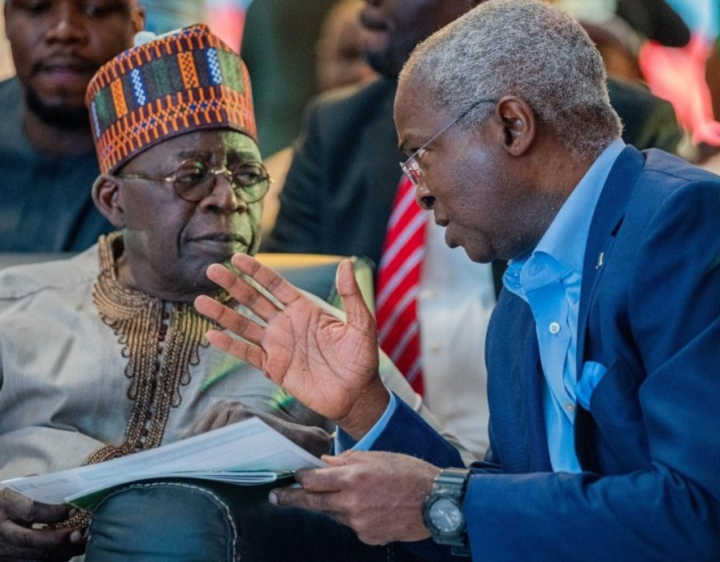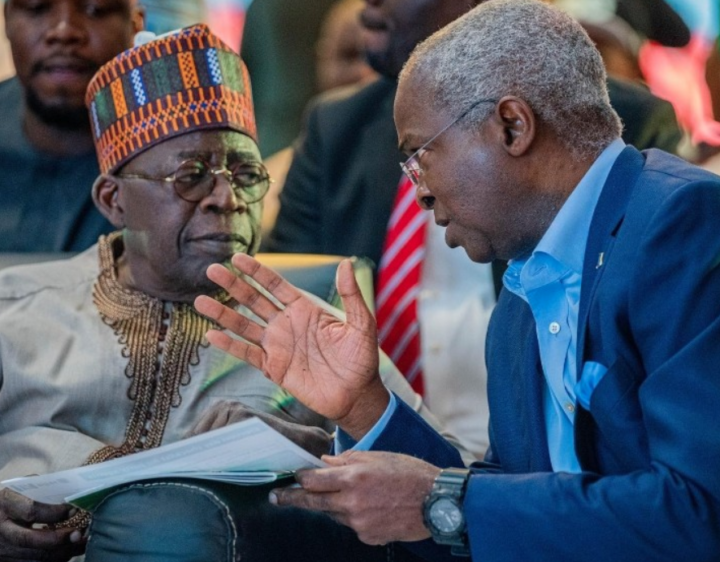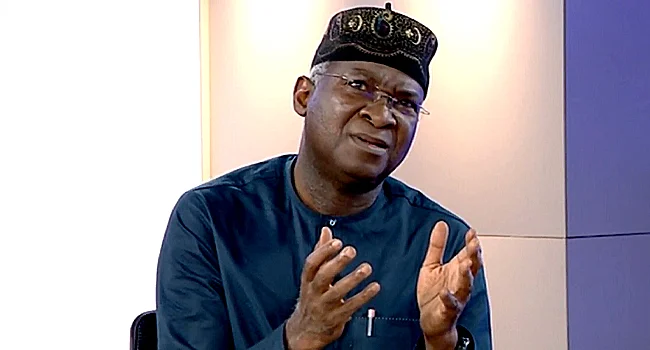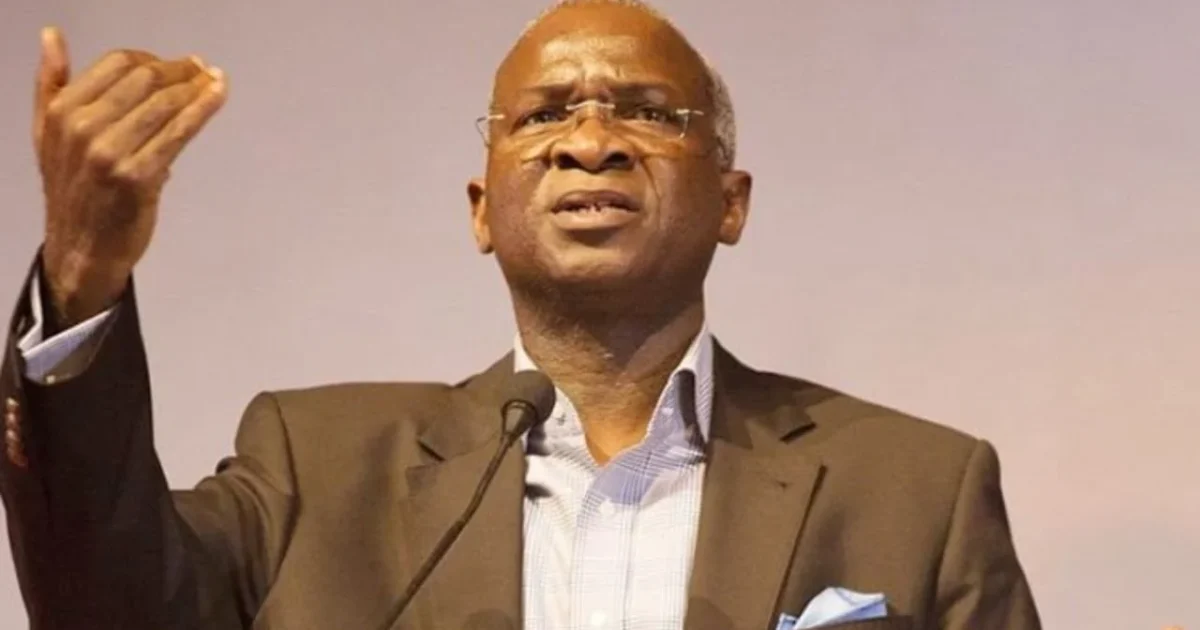
Babatunde Raji Fashola is one of the few Nigerian political leaders who still command respect across party lines. Even many of his critics acknowledge his intellect, competence, and ability to engage public issues thoughtfully. Given how highly I have rated him over the years, it is hard for me to criticise his views. That image of his is why his recent comment on elections attracted attention.
Speaking at The Platform on Democracy Day, Fashola argued that elections were inherently imperfect and that Nigerians, especially the opposition, should focus more on strengthening institutions than endlessly disputing election outcomes. He noted that conducting elections in a large country like Nigeria was a complex logistical exercise and that no electoral process can ever be completely flawless.
On the surface, his view sounds reasonable. No election anywhere in the world is perfect. Human beings organise elections, and human systems are never free from mistakes. But there is a difference between accepting that elections can be imperfect and accepting a situation where large numbers of citizens no longer trust the process itself.
Just last week, a major public opinion poll released by NOIPolls painted a depressing picture. According to the survey, 72 per cent of Nigerians said they were dissatisfied with the way democracy is working in the country. Among major public institutions, the Independent National Electoral Commission received the highest “cannot be trusted at all” rating. In addition, 58 per cent of respondents rated the performance of INEC as “poor” or “very poor”.