TL;DRCanada’s Bill C-36 would replace PIPEDA, restrict surveillance pricing, and create a regulator that can fine companies up to C$25M or 5% of revenue.
The Canadian government introduced legislation on Monday to overhaul the country’s private-sector privacy laws, including new restrictions on businesses that use personal data to charge individual consumers higher prices. Bill C-36, the Protecting Privacy and Consumer Data Act, would replace the Personal Information Protection and Electronic Documents Act, a law first enacted in 1998 that has been widely criticised as outdated in the age of algorithmic pricing and large-scale data collection.
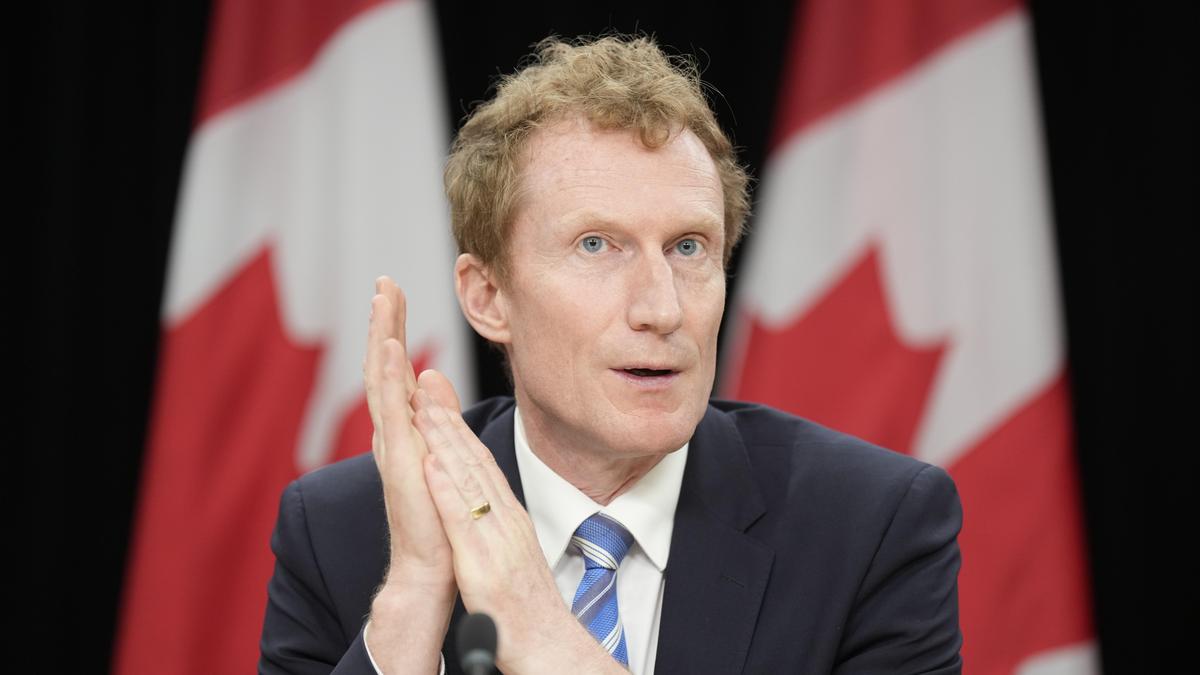
Artificial Intelligence and Digital Innovation Minister Evan Solomon said the bill targets so-called surveillance pricing, the practice of using a consumer’s browsing history, location, device type, or purchasing behaviour to set individualised prices. “Companies should not have the ability to use your behaviour, your location, your profile, your vulnerabilities, or your personal information to charge unfair prices,” Solomon told reporters. “Your personal information should not be used against you for price gouging.”
The bill does not ban surveillance pricing outright. Solomon said the legislation aims to bar the use of data to target consumers with individualised prices when the harms outweigh the benefits, but the government does not want to prevent companies from rewarding consumers with better prices through loyalty programmes or promotional discounts. Surveillance pricing is not specifically mentioned in the bill’s text, according to BetaKit, and Solomon will instead ask the new regulator to draft guidance on the issue once it is operational.