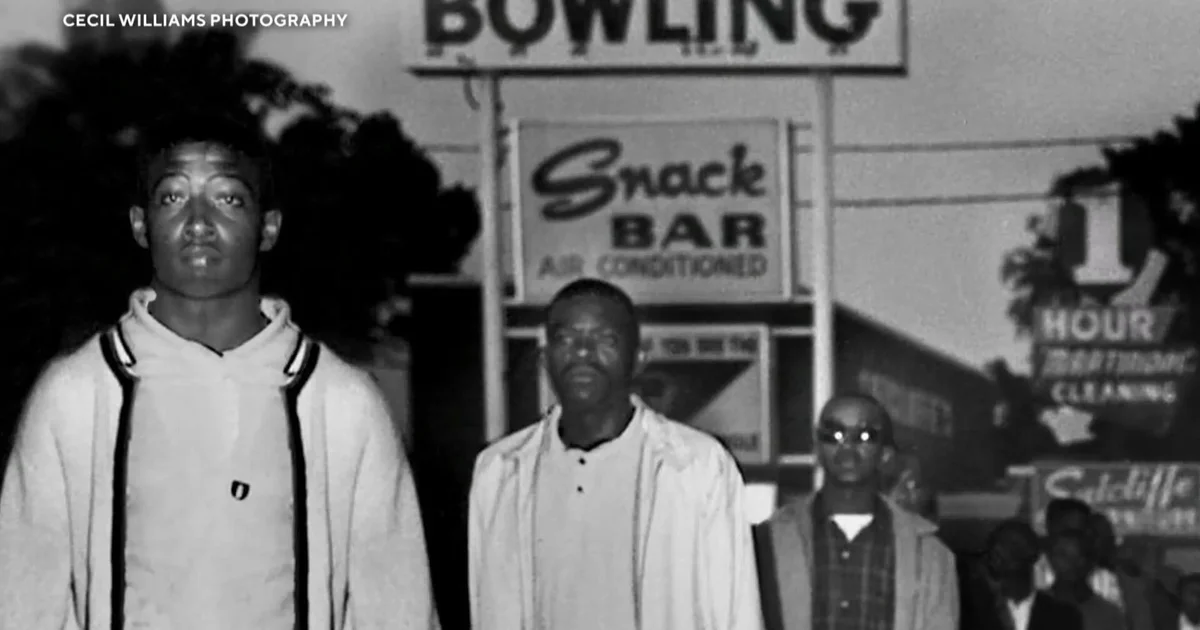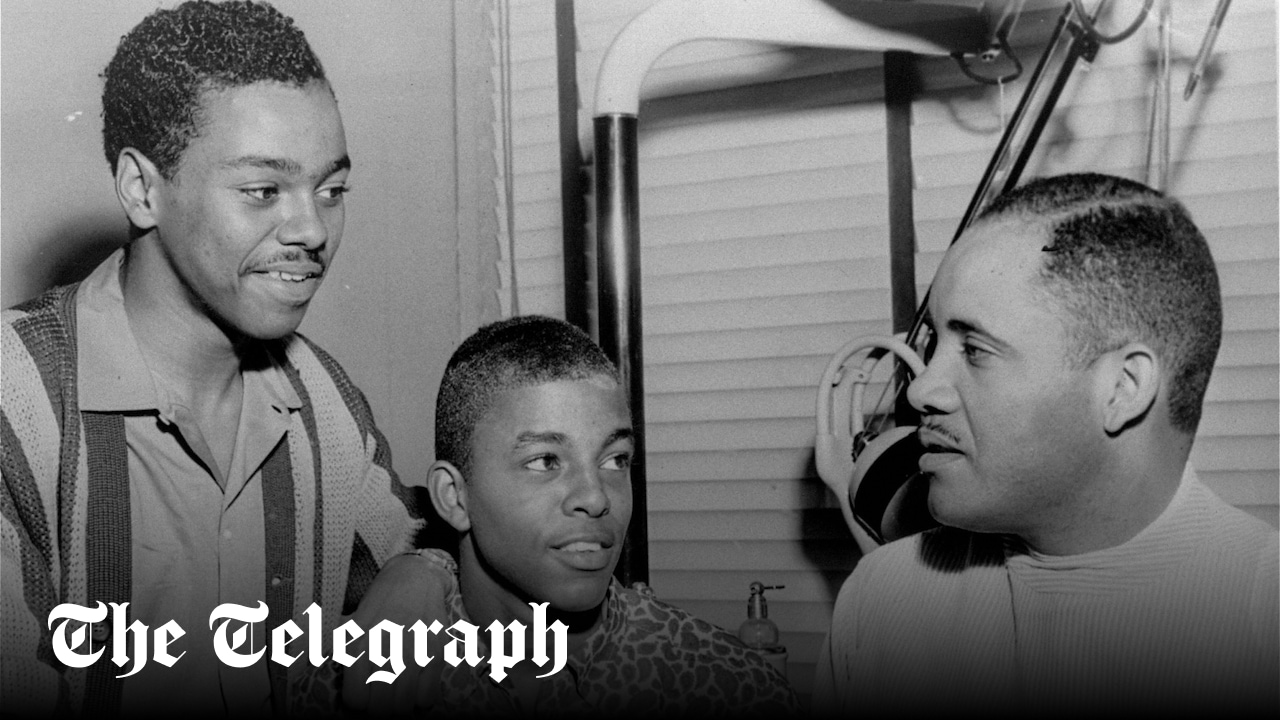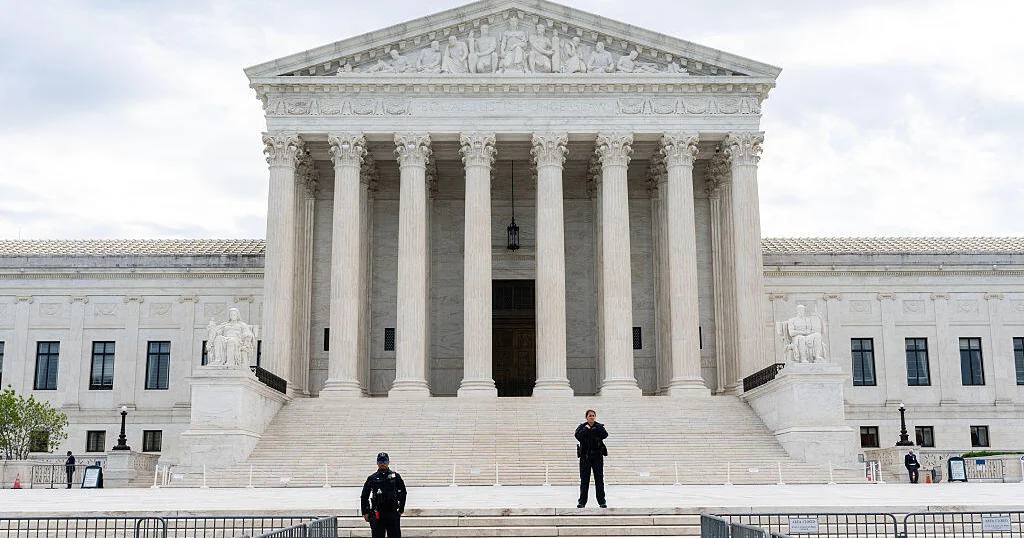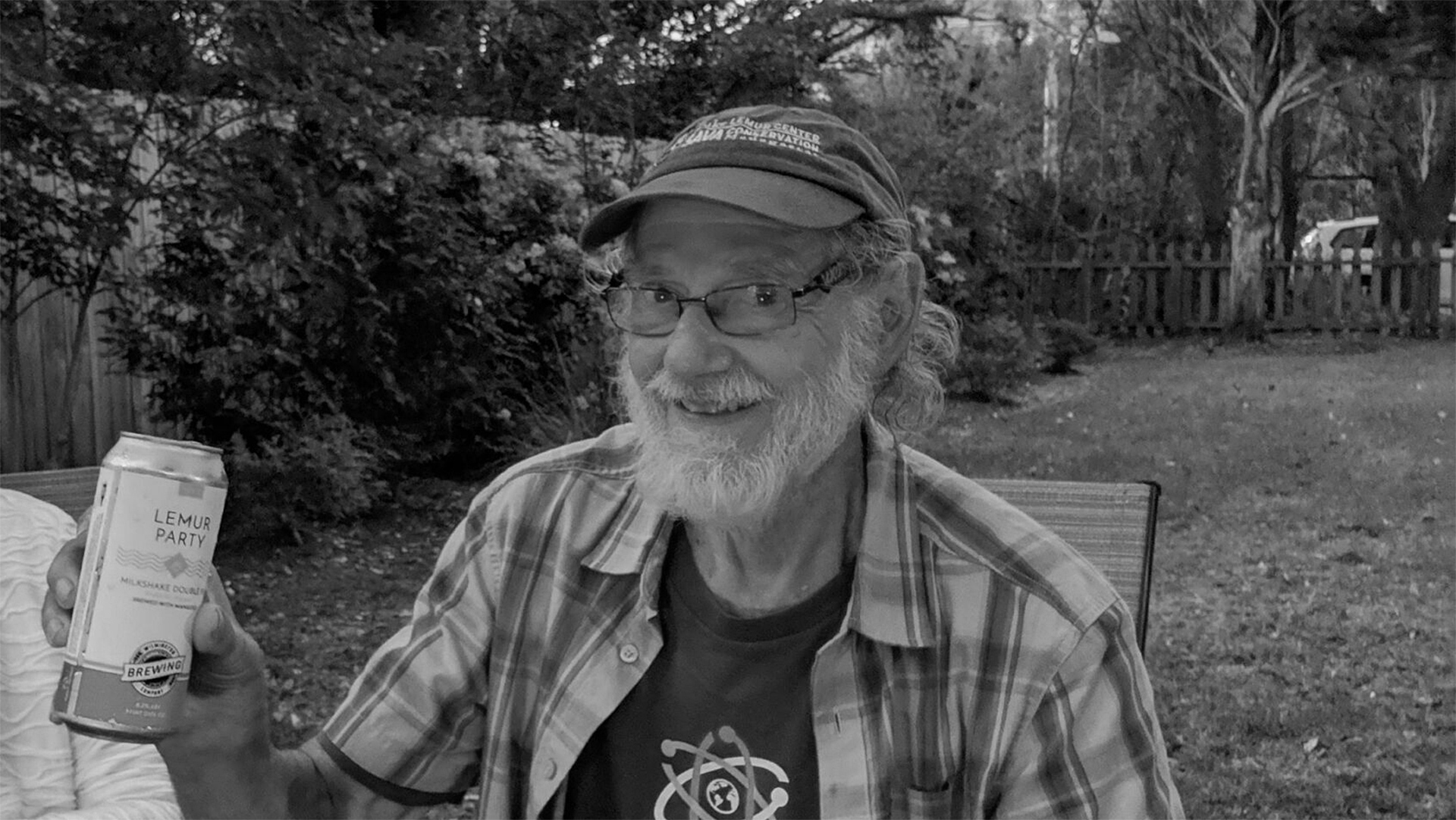
Peter Klopfer, a Duke zoologist and co-founder of the Duke Lemur Center, died on June 5th at 95.A Quaker pacifist and civil-rights activist, he refused the Korean War draft, supported student protesters in North Carolina, and was arrested during a 1963 integration protest.His Supreme Court case, Klopfer v. North Carolina, extended the Sixth Amendment right to a speedy trial to state courts.The legal-defense fund created after his arrest helped connect him with John Buettner-Janusch, leading to the arrival of lemurs at Duke and the creation of what became the Duke Lemur Center.
In the American South of the late 1950s, segregation was part of the daily architecture. Airports had separate facilities. Restaurants barred Black customers or served them apart. Schools, buses, waiting rooms, and lunch counters carried the same instructions. The system depended on law, custom, and the expectation that most white people would accommodate it.
Resistance often began with small acts that carried real costs. A professor might drive arrested students back to campus. A family might refuse to send its children to segregated schools. A group of faculty members might walk toward a restaurant door together and be met in the parking lot by men who intended to stop them. The work required patience, and it also required a willingness to be arrested, disliked, and misunderstood.