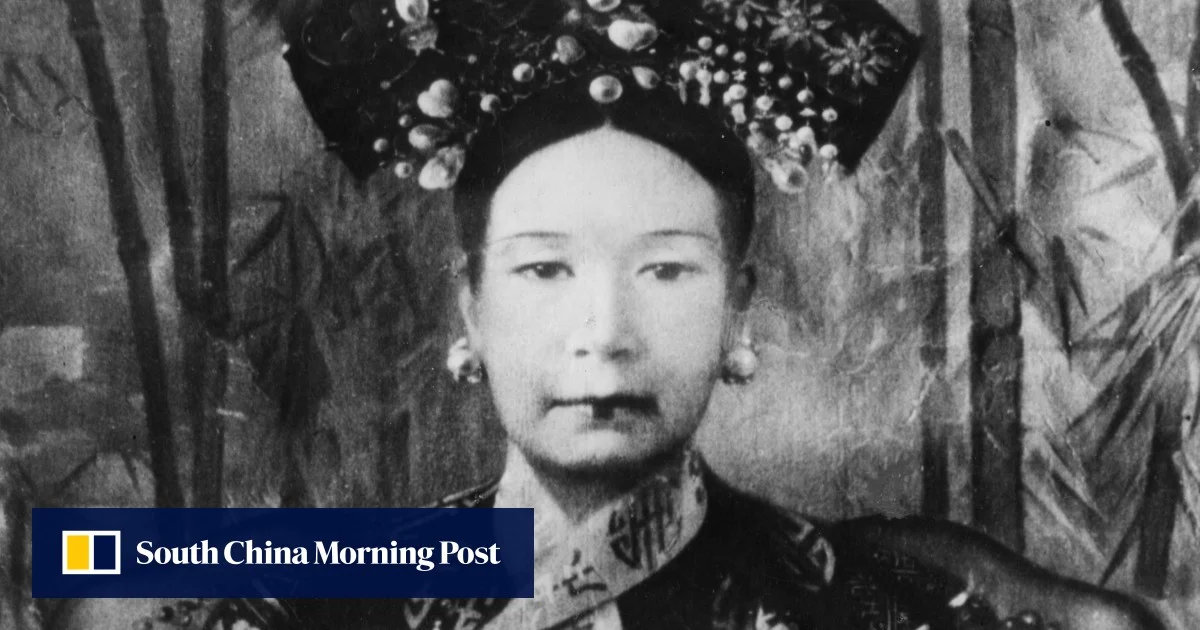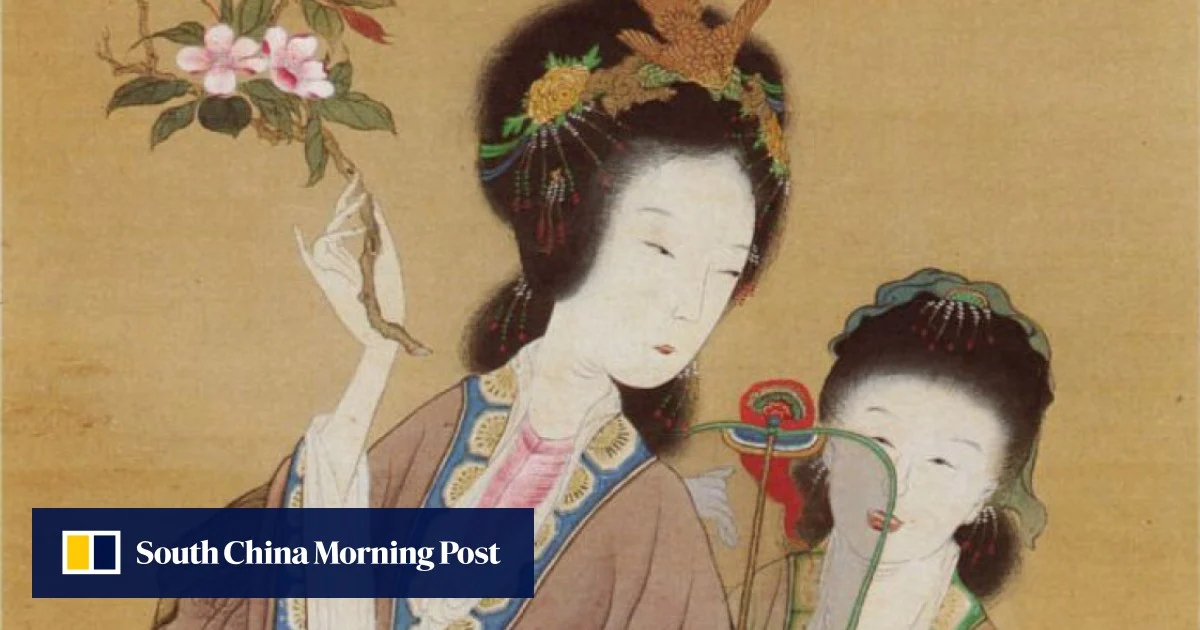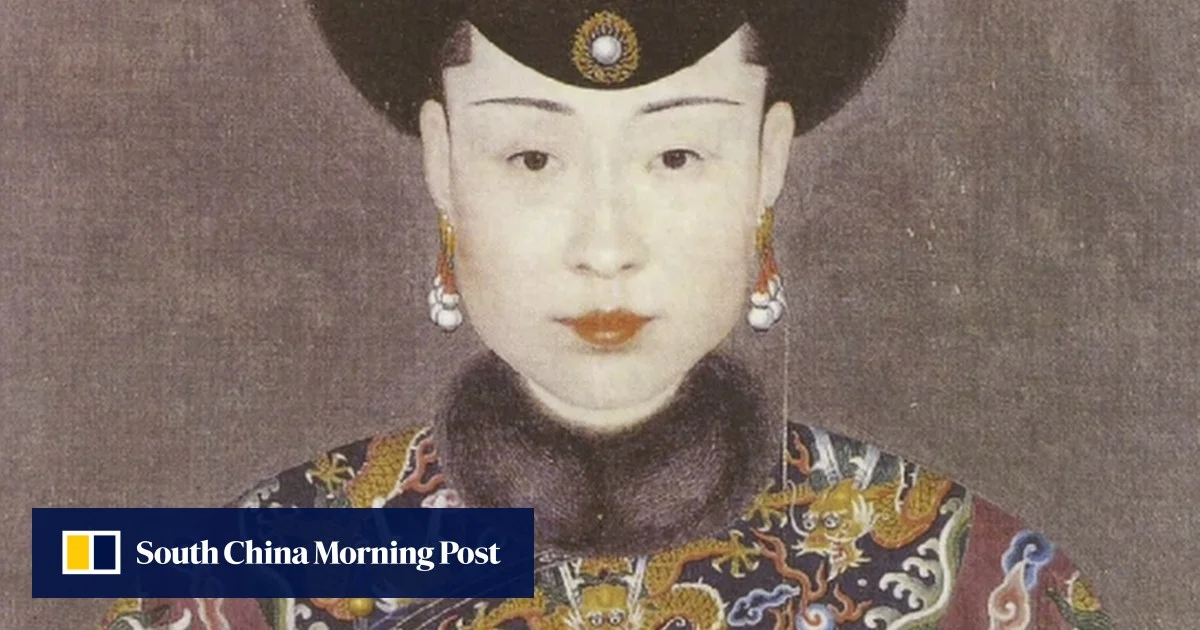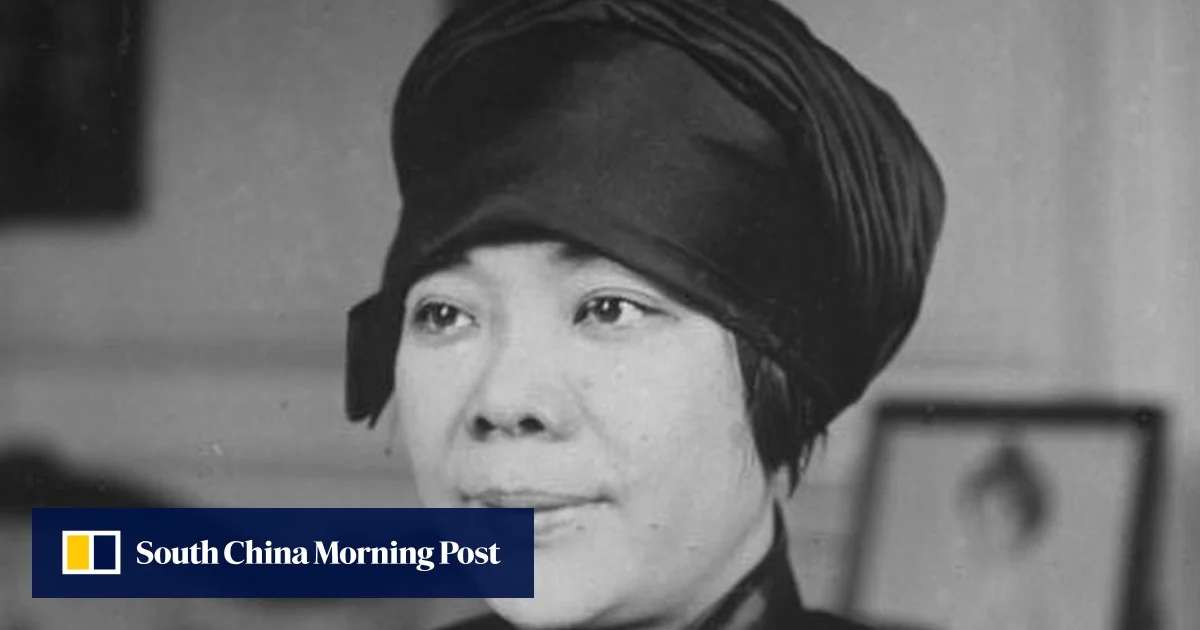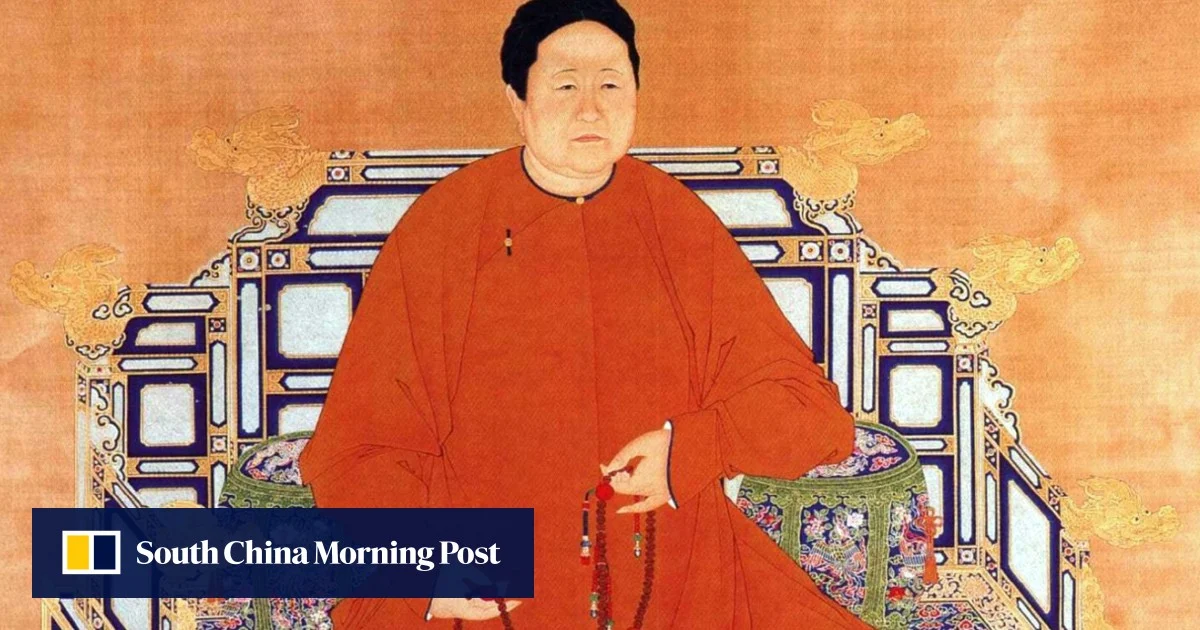
There is a figure in Chinese history who, despite never ascending the throne, shaped an empire over five reigns, resolved two succession crises to avoid civil war, educated and guided two young emperors, and helped forge multi-ethnic alliances that allowed the Qing dynasty (1644-1912) to rule a vast kingdom.That figure was a woman called Borjigit Bumbutai, better known as Empress Xiaozhuangwen.Xiaozhuangwen was born in 1613 into the Borjigit clan, a direct lineage of Genghis Khan, as a daughter of the Khorchin Mongol nobility. Her father, Jaisang, held the title of Beile, a noble rank signifying a tribal lord or prince.Xiaozhuangwen’s family knew they must ally with the rising Manchu state to prevail against the Ming clan and rival Mongol tribes. To solidify this bond, they did what nobility all around the world did at the time: they married their daughters off as living treaties.As her aunt had been 11 years before and her sister would later be, Xiaozhuangwen, then 12, was sent to the imperial palace to become a child bride. By providing three brides, the Khorchin guaranteed that imperial heirs would carry their blood, binding the Manchu throne to Mongol interests.Xiaozhuangwen’s life before Hong Taiji – the founding emperor of the Qing dynasty – was never her own; she was groomed to serve the empire, and she delivered in spades.
How a Chinese empress shaped her country without ever taking the throne
Empress Xiaozhuangwen secured power, averted crises and deposed enemies while raising and guiding China’s longest-serving emperor.
221 words~1 min read