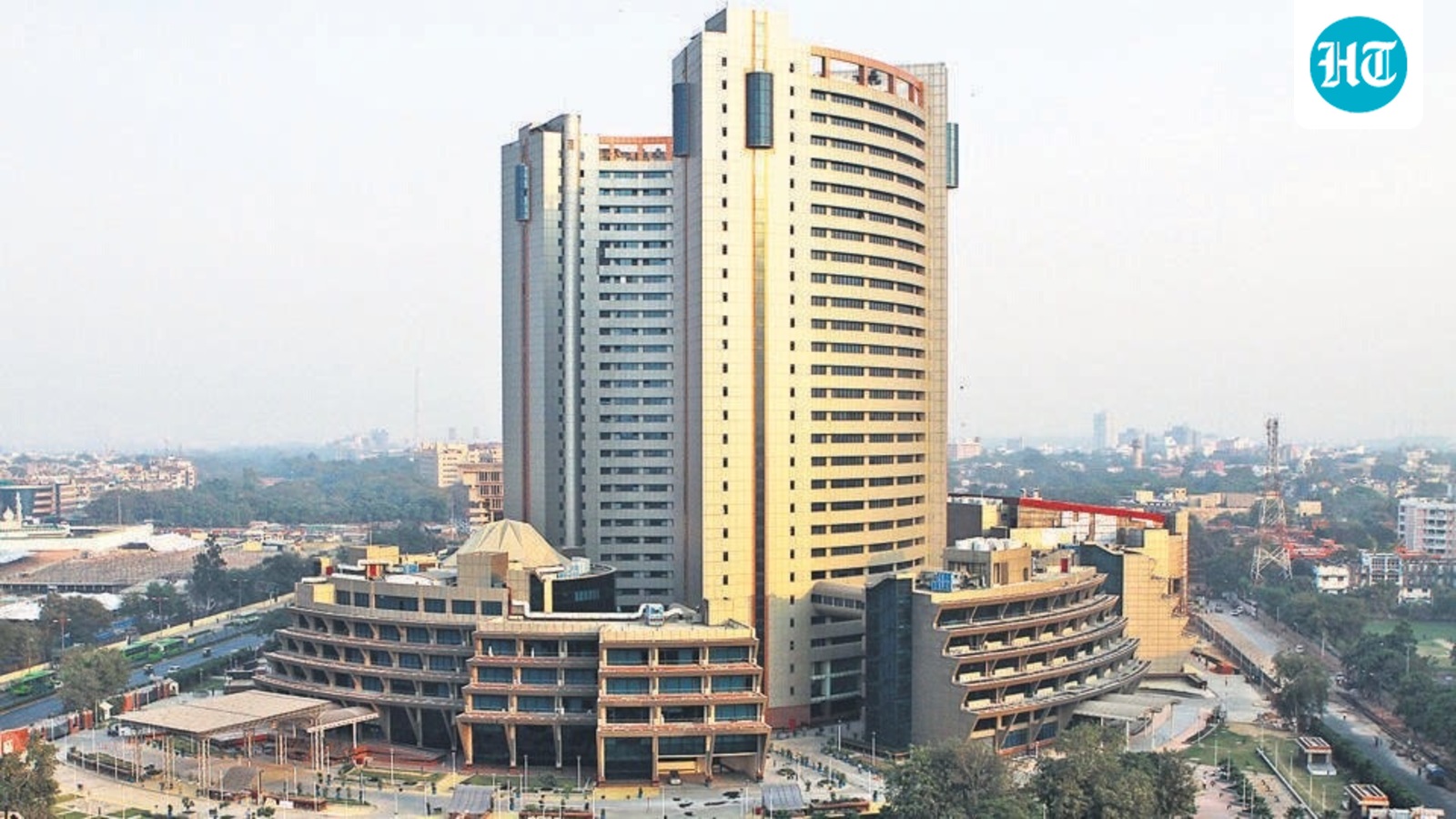
The New Delhi Municipal Council’s (NDMC) transition to the unit area method (UAM) for property tax assessment is likely to take several months despite Parliament passing the Jan Vishwas (Amendment of Provisions) Act, 2026, which enables the civic body to adopt the new system.In NDMC areas, property tax is currently assessed through a system that takes into account estimated rental value, property records and ground surveys. (HT Photo)NDMC officials said draft bylaws for the new tax regime have been sent to the Union ministry of home affairs (MHA). The civic body will also have to constitute a municipal valuation committee (MVC) to classify areas and determine the parameters that will form the basis of tax assessment before the new system can be rolled out.“The draft bylaws for the new tax regime have been sent to the MHA. Before the switch-over to the unit area method, various areas within the NDMC jurisdiction will be assessed and classified into tax categories. The MVC will then be formed to determine the factors on the basis of which property tax will be assessed. The committee is likely to take several months to submit its report,” a senior NDMC official said.The MVC is a statutory body constituted under municipal laws to review and standardise property tax rates, base values and colony classifications.Under the unit area method, the annual value of a property is determined on the basis of six factors: unit area value per square metre, covered area, age, use, structure and occupancy. Property tax is then levied as a percentage of this annual value, depending on the category in which a colony falls.The rest of Delhi, under the Municipal Corporation of Delhi (MCD), shifted to the more transparent unit area method in April 2004. In NDMC areas, property tax is currently assessed through a system that takes into account estimated rental value, property records and ground surveys. Property owners are invited to review assessment lists and file objections either online or in person as part of an annual assessment cycle.While the Jan Vishwas Act has removed the legal hurdle to adopting the unit area method, NDMC officials said implementation will require several administrative steps before the transition can take place.An NDMC official said that once the bylaws receive government approval, the MVC will be constituted to determine the multiplication factors and classifications that will form the basis of tax calculations under the new system.NDMC currently has around 16,400 properties within its tax net, with approximately 10,500 taxpayers. This includes nearly 1,600 government-owned properties, while several others are owned by single agencies or institutional entities. Officials said the number of taxpayers assessed under the existing rateable value system remains dynamic.Traders, who have long demanded a uniform property tax assessment mechanism, have welcomed the legislative change and are pushing for early implementation of the unit area method.
NDMC awaits Centre’s nod for switch to unit area property tax regime
The NDMC's shift to the unit area method for property tax will take months, requiring bylaws and a valuation committee before implementation can start. | Latest News Delhi
471 words~2 min read