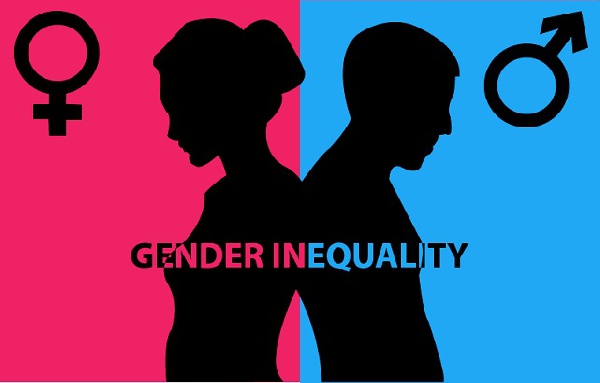
A team of researchers had just shown that a simple intervention could reduce violence against women in one country. Soon after, government officials from another region reached out with a practical question: How should we do this so it works here?
Anna Wilke, an assistant professor of political science at New York University and one of the study’s authors, replied in a way that captured a complication at the heart of social science. She said they should run another experiment in their country.
Last month, Wilke joined experts across statistics and data and social sciences at Yale’s Institution for Social Policy Studies for a conference exploring the concept of external validity. They acknowledged how science has grown adept at figuring out what might work in one setting. But as they delved into today’s most advanced methods, participants grappled with a harder question: Will findings travel to other places and contexts?
“External validity isn’t just a statistical issue — it’s a question that runs through how we design studies, interpret results, and make decisions in the real world,” said Melody Huang, an assistant professor of political science and statistics & data science and faculty fellow at ISPS who organized the conference. “This is one of the central challenges of modern science.”