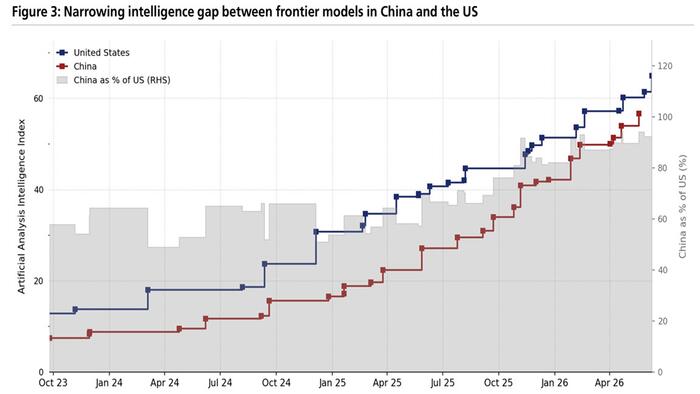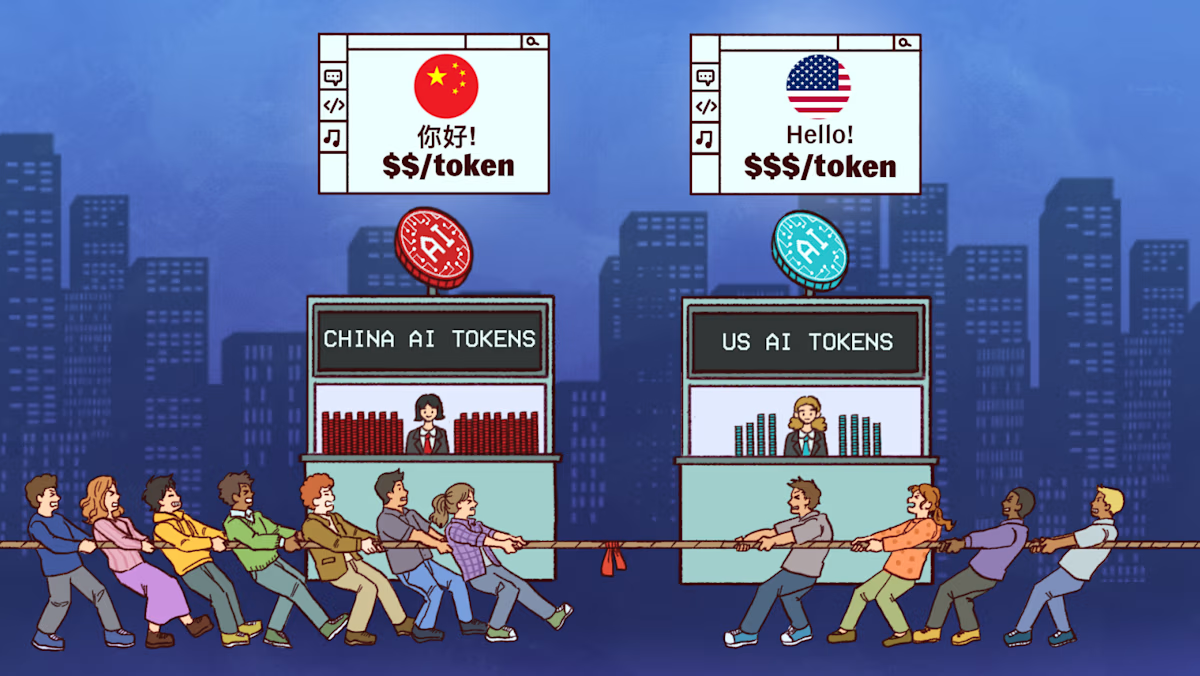
SINGAPORE: Artificial intelligence (AI) is often described as a race to work smarter. But for businesses in Asia, the more urgent question may be simpler: who can afford to use it at scale?At the heart of that question is the cost of AI tokens - a little-known building block that determines how much companies pay when AI systems read, process and generate information.This is where Chinese AI models could excel and gain more traction over American AI models among businesses in Asia - especially India and Southeast Asia - experts told CNA, citing their ability to offer cheaper AI tokens.For instance, models from Chinese companies such as MiniMax and Moonshot charge about US$2 to US$3 per million output tokens.In comparison, Google’s Gemini 3.5 Flash model charges about US$9, Anthropic’s Claude Sonnet 4.5 costs about US$15 and OpenAI’s GPT 5.5 model is priced at US$30, according to a Financial Times report and Google and OpenAI’s pricing documents. Charges are based on the number of input and output tokens consumed. Input tokens come from the prompt or material sent to the AI, while output tokens come from the response it generates. Output tokens usually cost more.A small sales team of 50 employees could use about 450 million tokens monthly, including both input and output tokens, according to estimates from Amit Verma, founding head of technology at US-based AI services firm Neuron7.ai. This can amount to a cost of about US$3,150 monthly and US$38,000 annually using GPT 5.5 model, which is around two to three times more than the costs of Chinese AI models. Chinese AI token costs are cheaper because of a mix of efficient model designs, lower energy and data infrastructure costs, government subsidies, and aggressive pricing strategies, said experts. As companies move from simple AI chatbots to AI agents that can plan, search, verify information, connect to other software systems and repeat tasks in the background, token usage can surge - and so can costs.
China's cheaper AI tokens a double-edged sword for Asian businesses
In the second of a two-part series on AI tokens, CNA explores how lower-cost Chinese models are emerging as an attractive option across businesses in Asia, even as experts warn that price is only one part of the equation.
2,209 words~10 min read