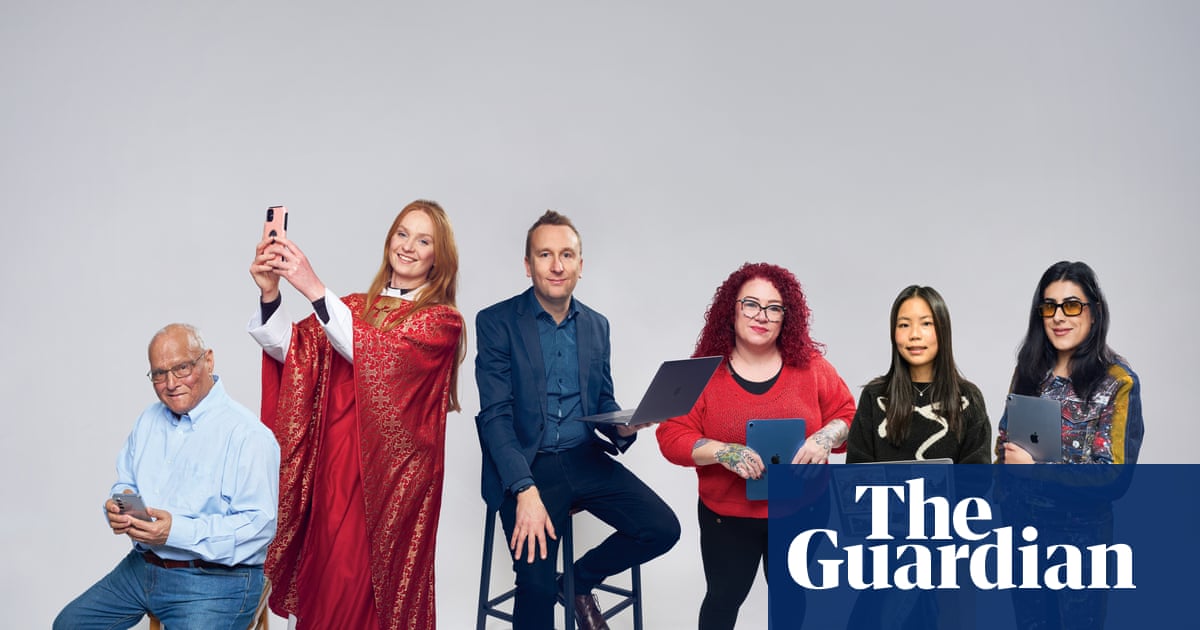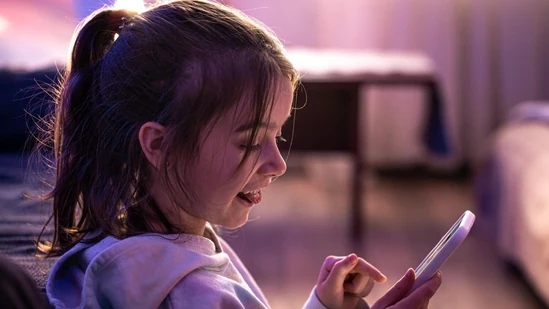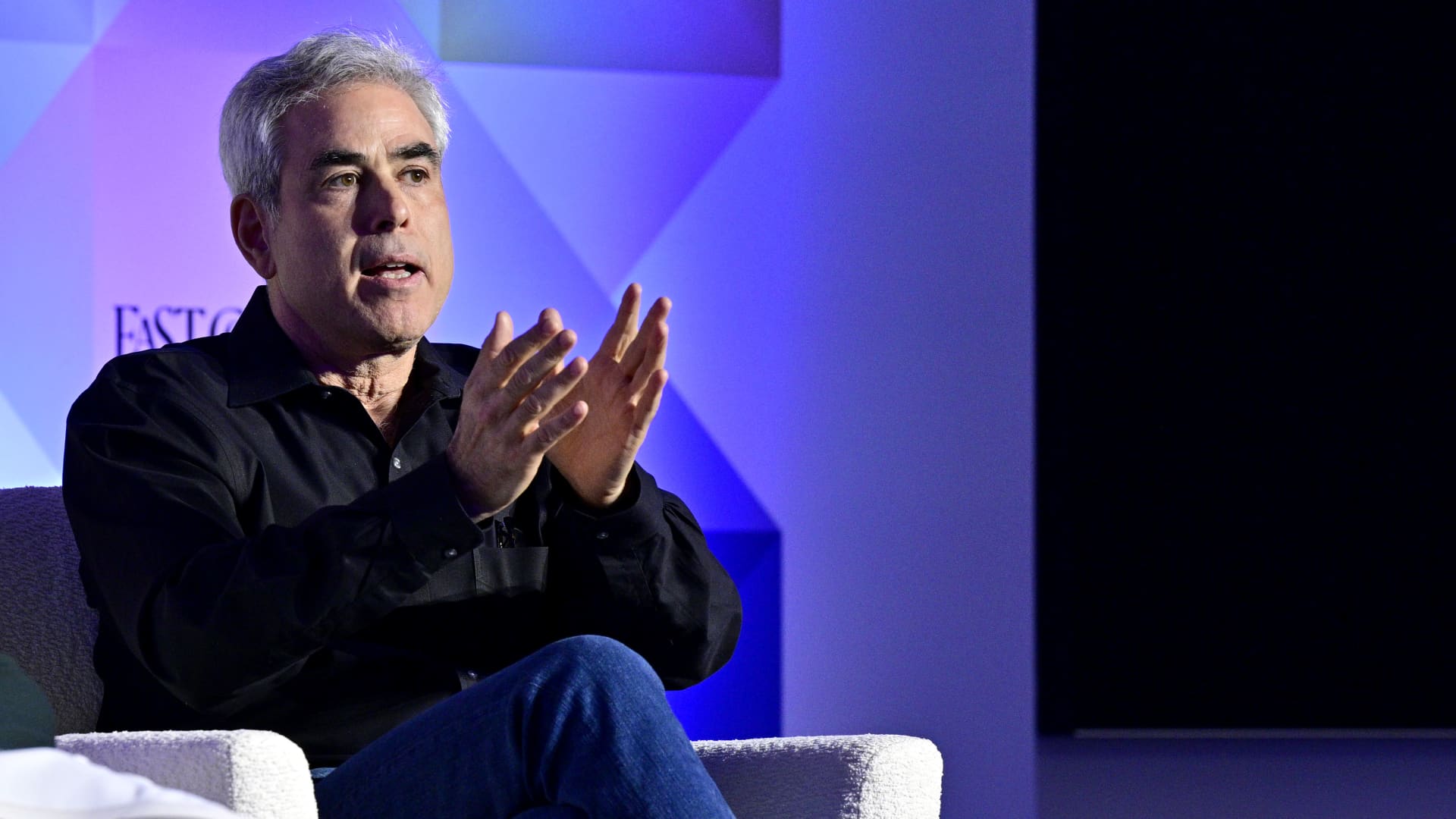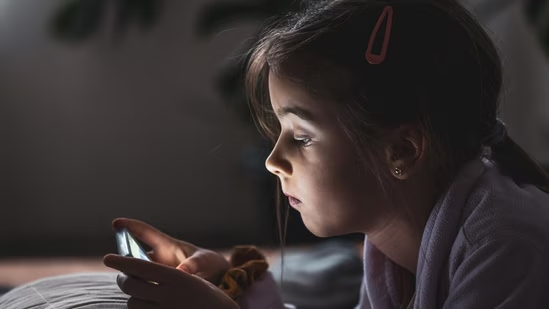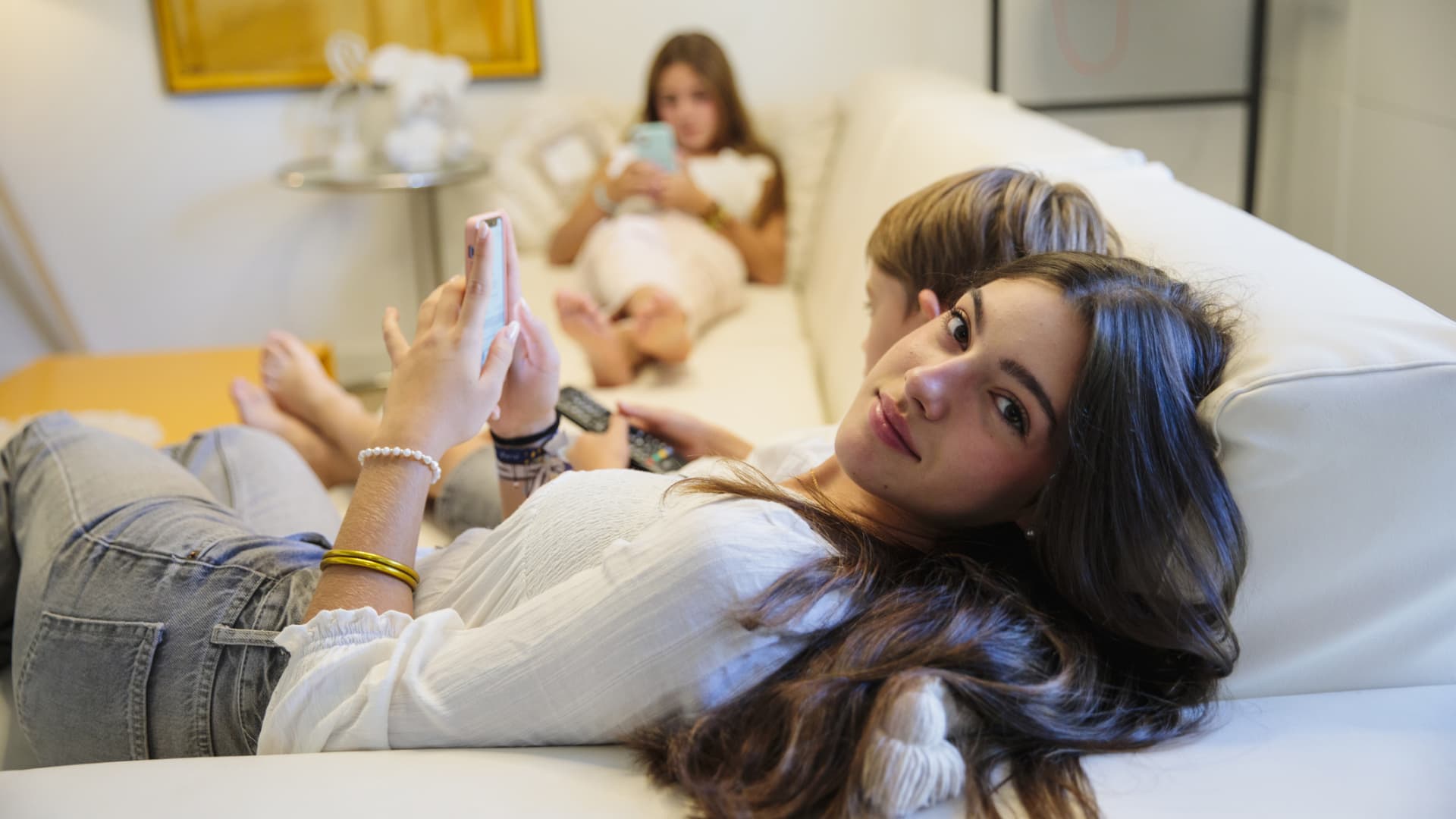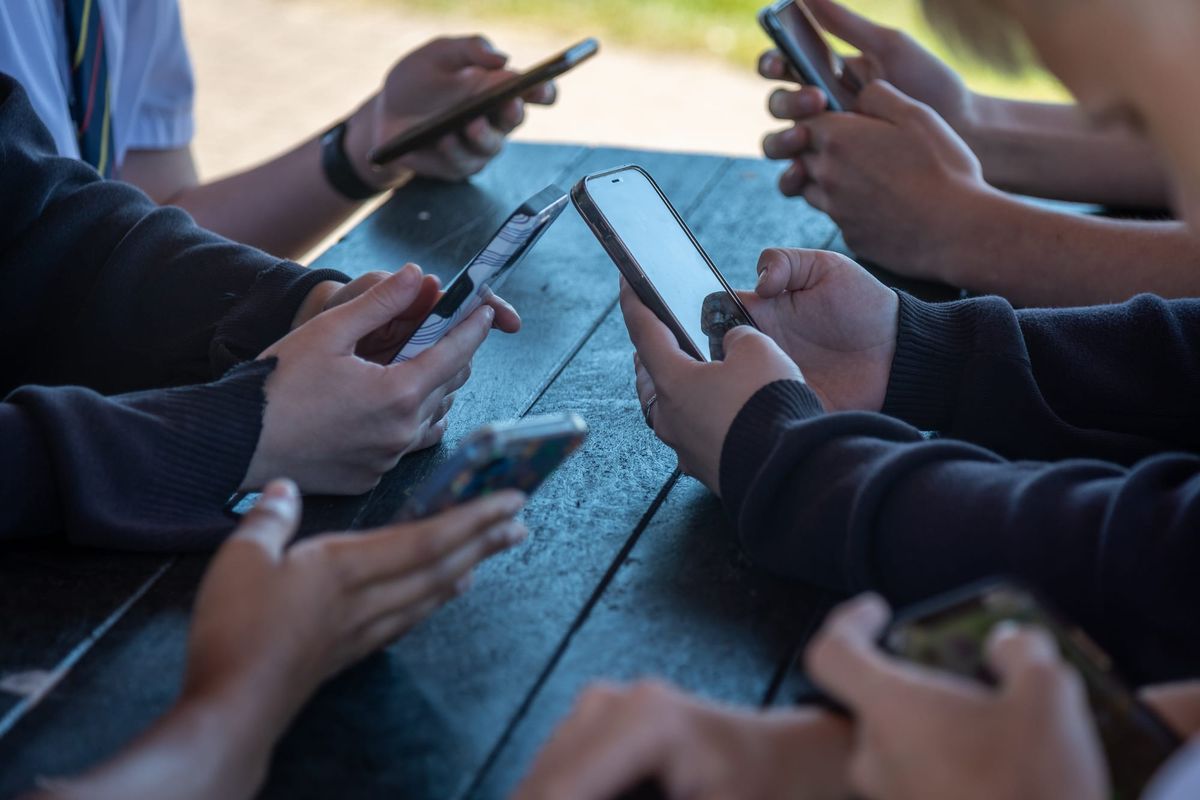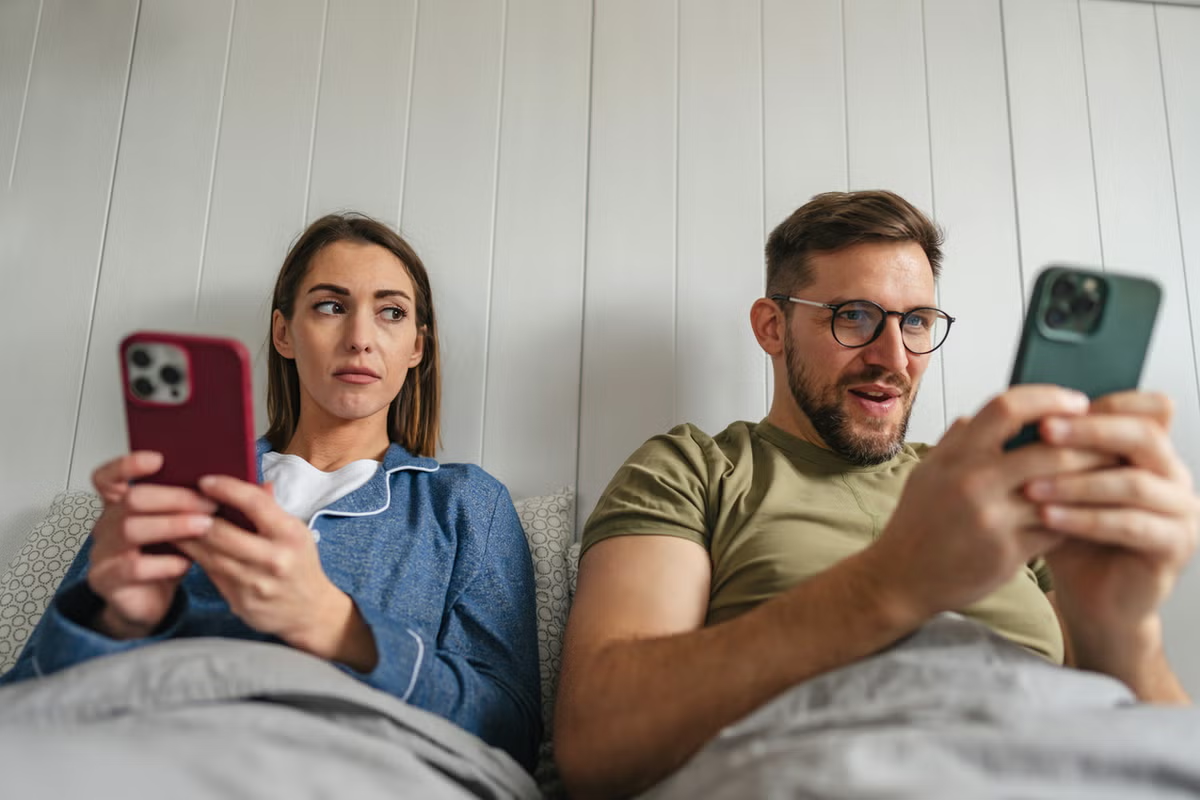
Spending too much time on our screens makes us listless, cheerless, purposeless and often sleepless. Perfunctory scrolling leaves us dissatisfied, often grumpy and sometimes clinically depressed.There is evidence that the spread of smartphones correlates, not only to a rise in unhappiness, but also to falling attention-spans, increasing gullibility and a decline in literacy.Should we try to keep our kids off these wretched narcotic devices? Yes. Should we applaud Sir Keir Starmer as he bans under-16s from using a range of social media, including TikTok, Snapchat and YouTube? Absolutely not.The fact we have identified a problem does not mean we should look to politicians to solve it.Governments, in general, are bad at getting things done. They were useless at managing airlines, installing telephones or building cars.Why assume the best way to moderate the screen use of young people is through the full force of law? Do we really need a ban that would require the entire country to have online age-verification and would thus be an effective digital ID card?Making sure children are not doomscrolling for five hours a day is primarily up to parents and schools. Yes, ministers can issue guidelines. And, yes, schools can – and, in my view, should – ban devices outright. But that is a very different thing from outlawing selected channels and creating all the necessary surveillance powers.Let’s start with the practical question of what technical changes would be needed. Should we applaud Sir Keir Starmer as he bans under-16s from using a range of social media, including TikTok, Snapchat and YouTube? Absolutely not, writes Daniel Hannan There is evidence that the spread of smartphones correlates, not only to a rise in unhappiness, but also to falling attention-spans, increasing gullibility and a decline in literacyStarmer says that he wants to prevent under-18s from engaging in sexualised activity online. Most parents, this one included, will nod approvingly. But think about what would be required at operational level to enforce such a ban.The detection software would have to be constantly scanning the camera viewfinder, screen output, livestream and stored files.As the Electronic Frontier Foundation puts it, ‘Age verification systems are surveillance systems’.At a stroke, everyone with a phone would be an unwitting spy. Malicious actors, including foreign governments, would have powers beyond their dreams.There is a reason security and military personnel do not take their phones into sensitive meetings. There is a reason that the journalists going into 10 Downing Street to talk to the PM about his censorship plans are told to leave their devices at the door.Why assume the ban would end with nudity or sexualised images? Once governments have capabilities, they extend them.Surveillance powers introduced on anti-terrorism grounds ended up being used to fine people for putting their recycling in the wrong bins.Once we establish the principle that the state can outlaw social-media platforms which, while they do nothing illegal, are considered deleterious to people’s outlook, we create a general expectation of censorship.Why, for example, does the proposed ban apply to X (Elon Musk’s social-media platform) but not to its Left-wing equivalent, Bluesky? Is one truly worse for the mental health of 15-year-olds than the other? Or is it simply Starmer has a feud with Musk who has been critical of him since the aftermath of the Southport murders in 2024?‘Oh, won’t somebody think of the children?’ shrieks Helen Lovejoy, the pastor’s wife in The Simpsons, in support of various contradictory positions. Just as the last government used this blunt argument to shove through the Online Safety Act, it is now being resuscitated to suggest opponents of a further crackdown are somehow in favour of teen suicides, anorexia or cyberbullying.In fact, it is perfectly possible to think that excessive screentime is a problem, that kids should put their devices away and get out in the fresh air, and that adults, too, are damaged by screen addiction, and yet still think placing vast new powers in the hands of ministers is a disproportionate and misguided response.If you believe I am being conspiratorial, ponder the fact that, even as he seeks to ban under-16s from YouTube, the PM wants to give them the right to vote in general elections the moment they turn 16.Are they children in need of protection, or are they adults with a say in telling everyone what to do? They can’t be both. It is easy to see the negative effects of a blanket ban on certain media: the surveillance powers, the capacity for political censorship, the way harmful content will be progressively defined to cover opinions our rulers dislike. But what about their notional purpose? Will they protect kids?The evidence from Australia, which pioneered the social-media ban, is minors get around it. That is not in itself an argument against changing the law. Most of us managed to buy alcohol when we were underage, but that does not mean there should be a free-for-all.The problem is this proposal will have all manner of secondary or unintended consequences while not serving its primary or intended purpose. It is, as the one-time Daily Mail columnist Christopher Booker used to say, using a sledgehammer to miss a nut.Some children do benefit from social media, especially those who have disabilities, or who have difficulty making friends at school and are able to find kindred spirits online. Schools and parents should be free to judge such cases on their merits.Don’t get me wrong, I would like to see young people spending a lot less time on their screens. I hand out copies of Jonathan Haidt’s superb work, The Anxious Generation, to everyone I can. One of my daughters was so convinced by his marshalling of data that she asked for a flip-phone for her birthday so that she could leave her iPhone behind.But we are already starting to wean ourselves off the addiction. I see it in my own children, who cover an unusually wide age range. Our eldest is 24 and was of the first generation to get the new devices. Most of her friends got smartphones when they were ten.Parents worried about dodgy websites, but they were more innocent about the more quotidian but debilitating phenomenon of screen-addiction. Schools in those days encouraged students to spend more time on screens, imagining it prepared them for the future.Compare this to the experience of our nine-year-old, whose friends’ mothers are pledging not to buy their children smartphones – so no child feels left out from not having one. Why the change? Because we now know much more than we did then.We see a similar shift in schools, most of which are tightening their phones policies, and many of which are now moving to an outright ban on school premises.In my anecdotal experience, most private schools have gone further in this regard than most state schools, but the trend is unmistakable.There is no need for the heavy hand of the state. The problem is already resolving itself. Yes, there are always exceptions. Yes, there are some bad parents. But we do not generally see this as a reason to hand our freedoms on a plate to government regulators. Let’s not start now.Daniel Hannan is Director of the Institute of Economic Affairs
DANIEL HANNAN: A kids' phone ban can't mean surrendering our freedoms
Spending too much time on our screens makes us listless, cheerless, purposeless and often sleepless. Perfunctory scrolling leaves us dissatisfied, grumpy and sometimes depressed.
TL;DRAI
Starmer proposes banning under-16s from TikTok, Snapchat, YouTube and X to reduce screen-time harms. Implementation demands age-verification with camera/file scanning, creating mass surveillance infrastructure and government censorship precedent—critical security and governance risks.
1,194 words~5 min read