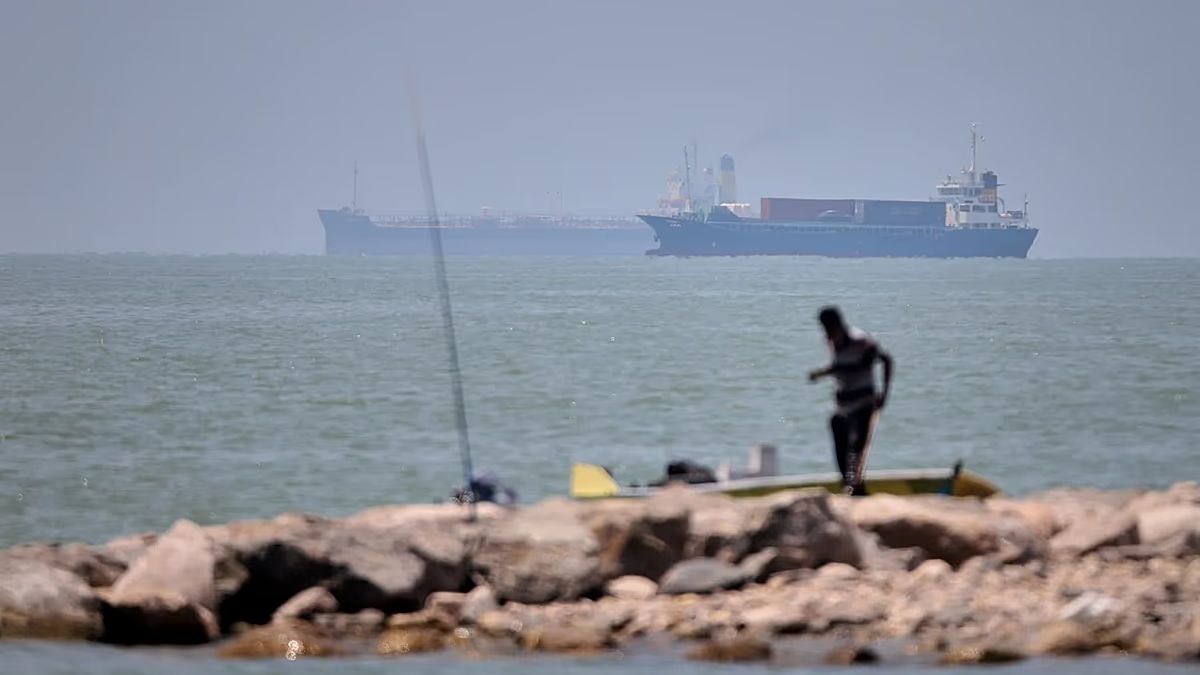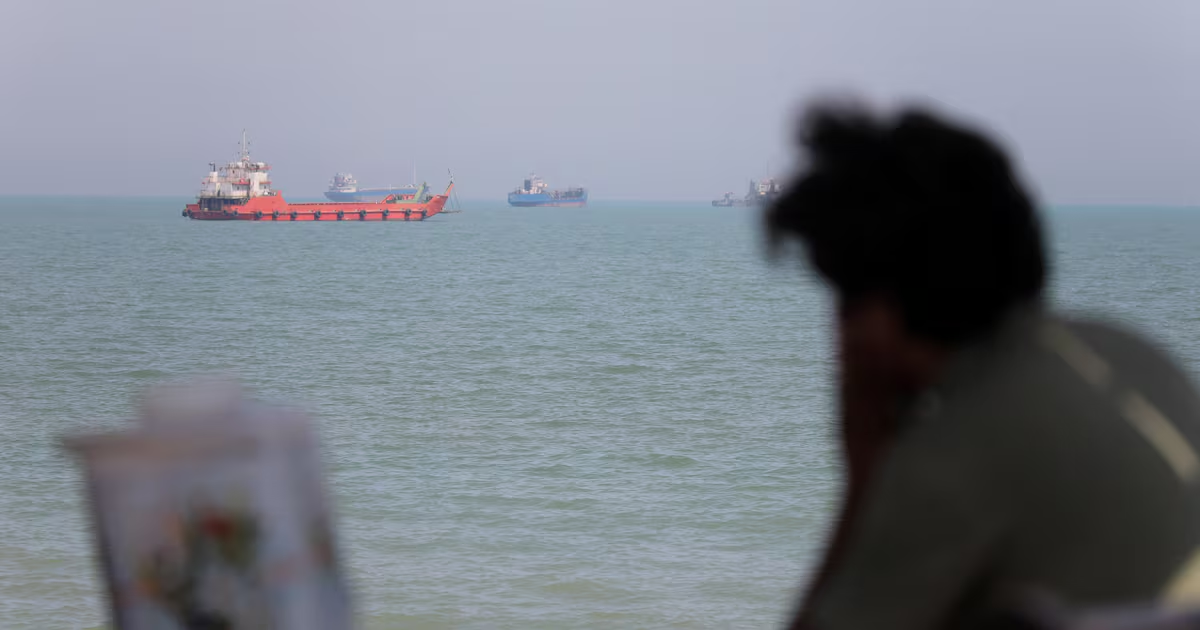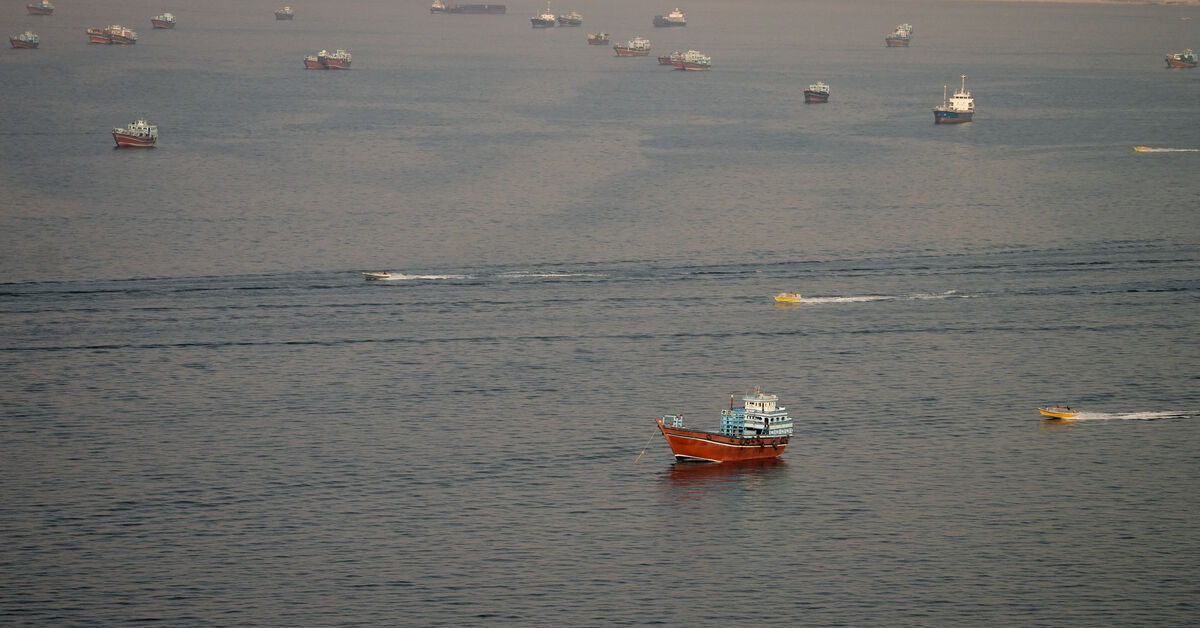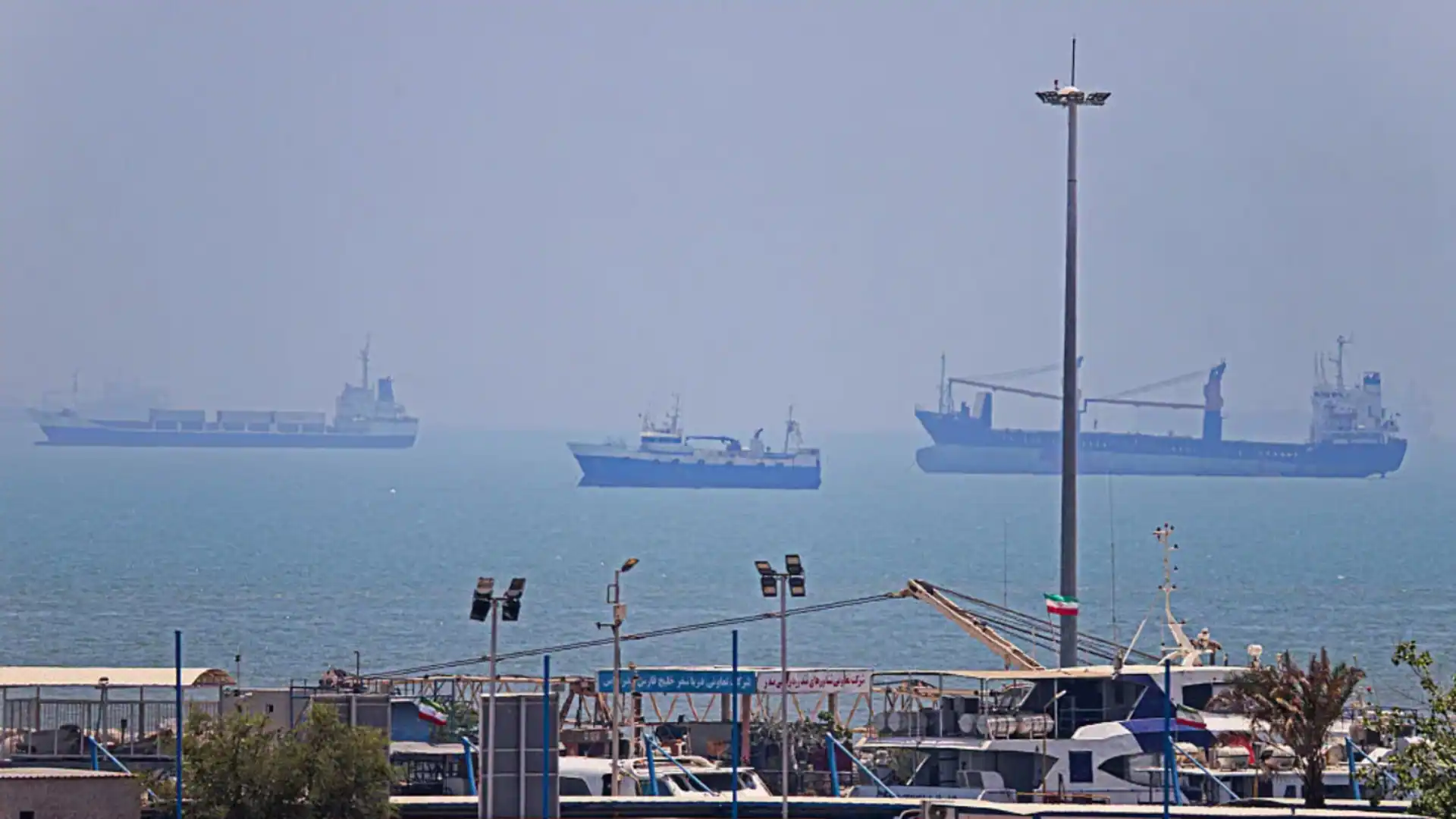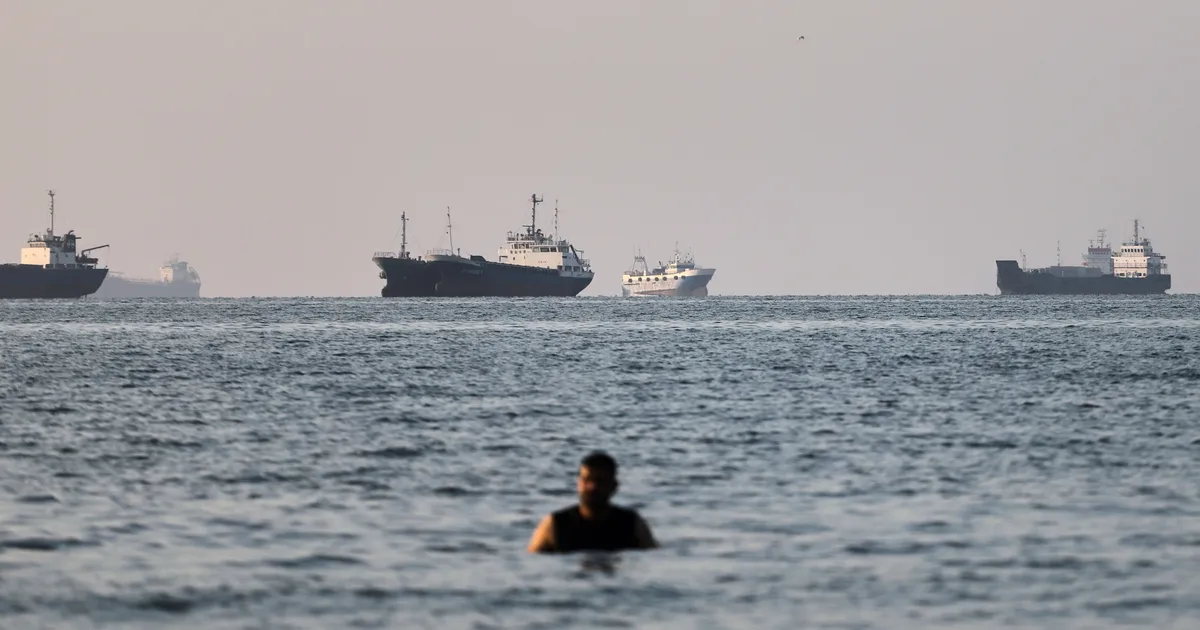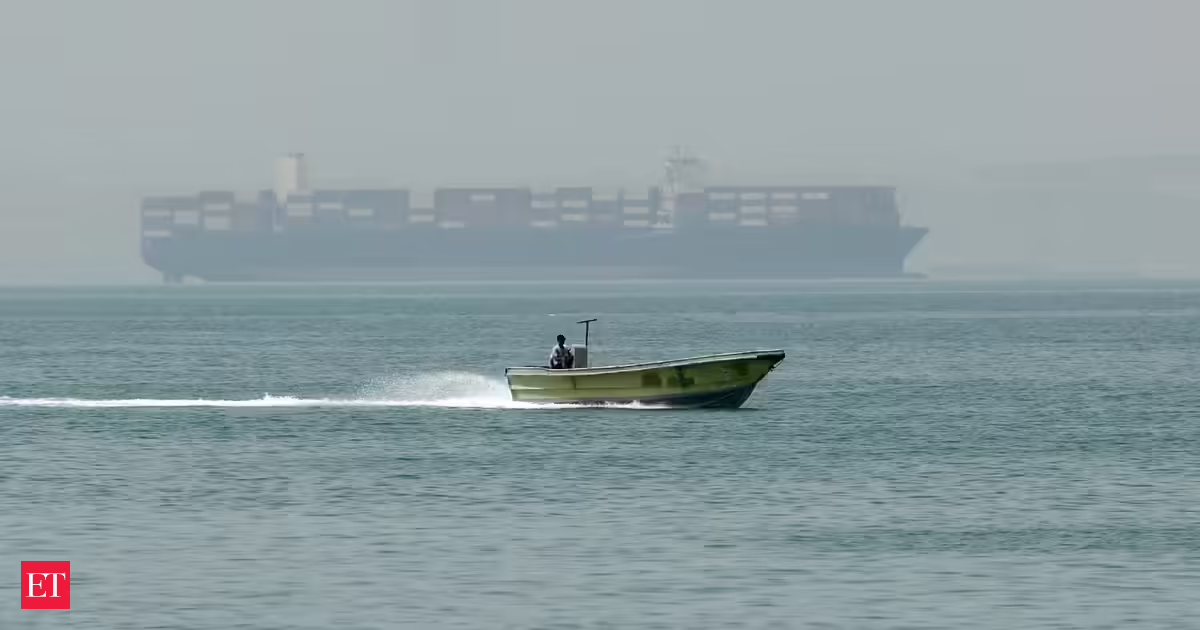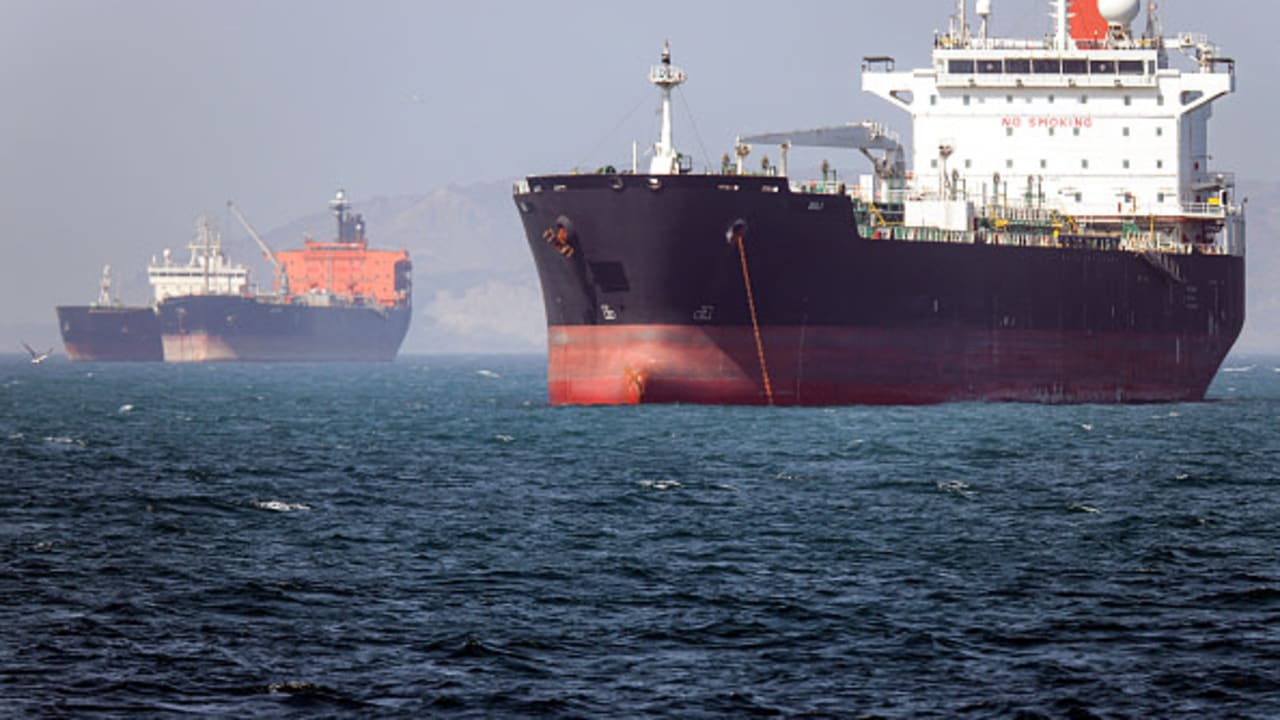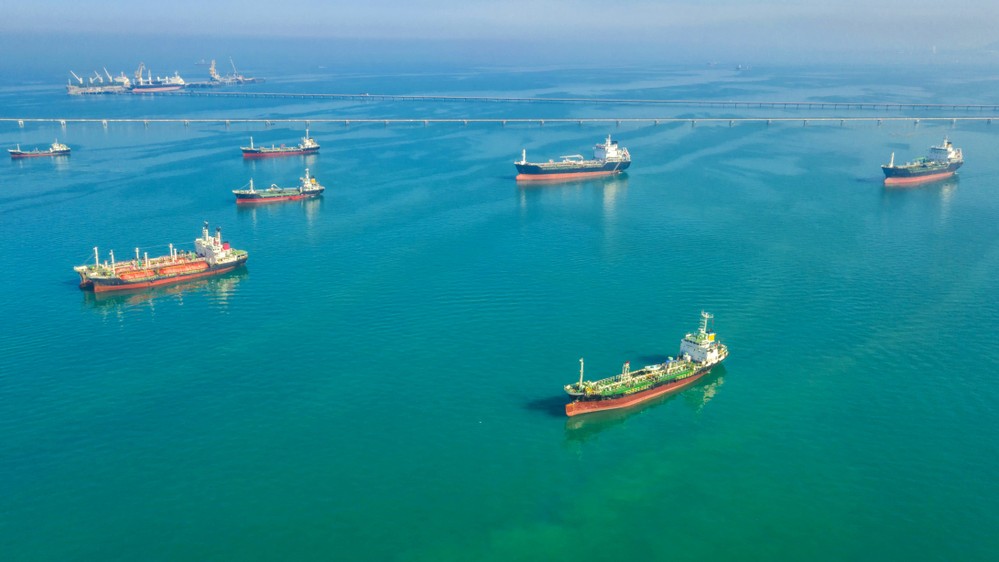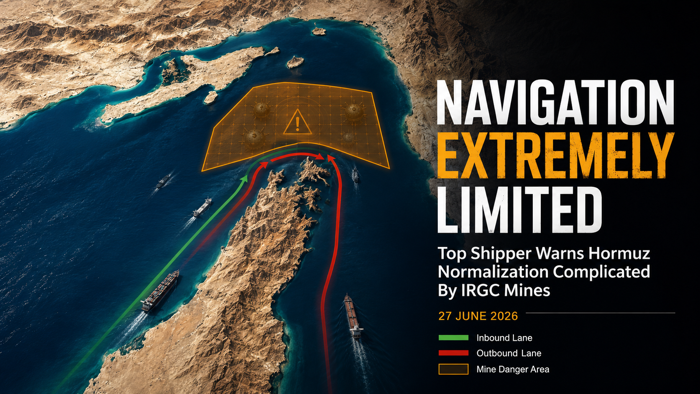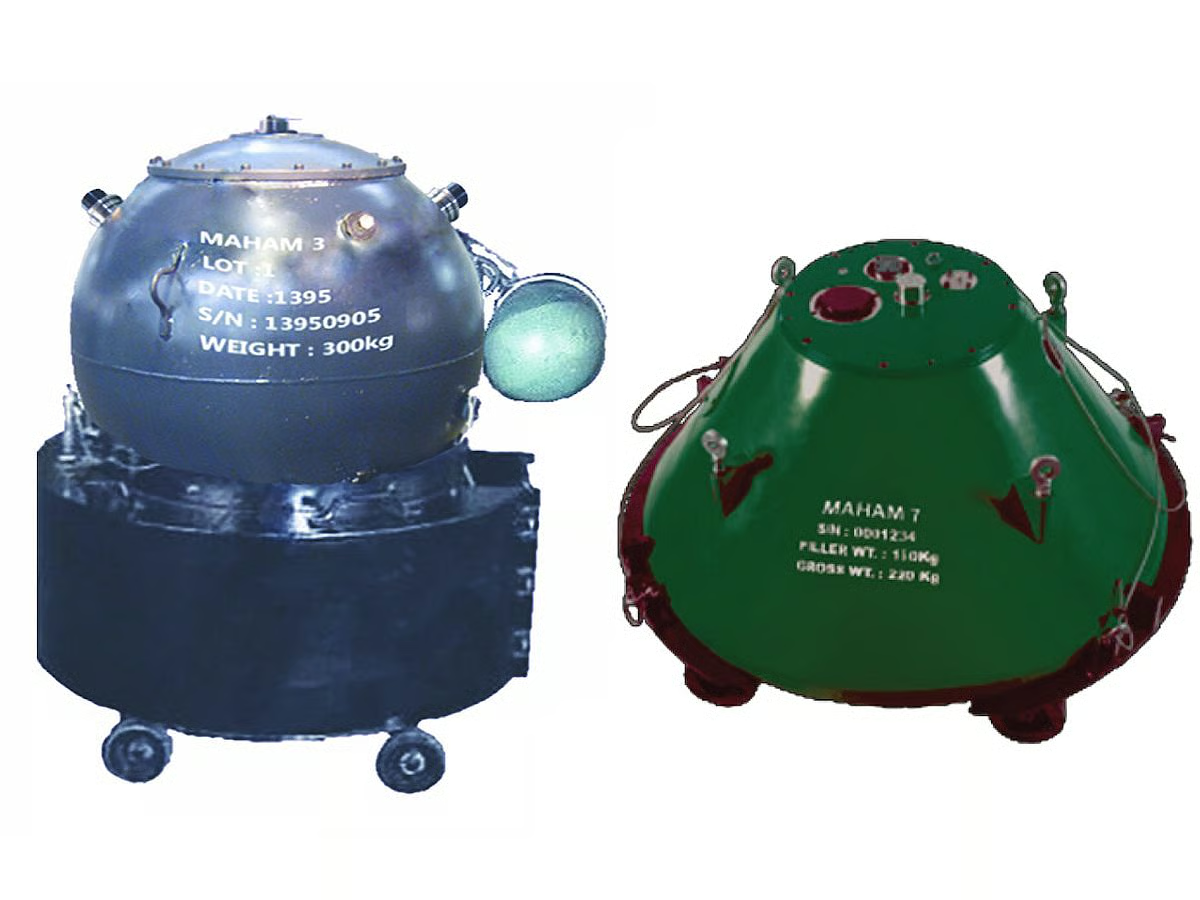
Global shipping associations are insisting on independent confirmation that sea lanes — particularly in the Strait of Hormuz — are free of naval mines and other hazards before they fully resume normal operations, amid lingering risks following months of maritime conflict in the Middle East.Industry groups say that even after tentative political de-escalation efforts, operators will not return at scale without verified mine clearance, safe navigation corridors, and sustained security guarantees, Reuters reported. Serious threatMaritime security experts, meanwhile, warn that underwater mines and unexploded ordnance remain among the most serious threats to commercial shipping, with clearance operations potentially taking weeks in heavily contested waters.More ships are being allowed through the Strait of Hormuz following the announcement of a US-Iran peace deal. News agencies reported that the situation has improved significantly compared with the near-total shutdown seen earlier in the conflict. More ships transiting HormuzWhile commercial shipping has not yet returned to normal operations, a number of vessels have begun transiting the strait again. In one of the clearest signs that commercial traffic is cautiously resuming, an Indian LNG tanker successfully crossed the Strait of Hormuz this week. Shipping companies and tanker operators are evaluating routes and security conditions before sending larger numbers of vessels through. The agreement reportedly calls for reopening the strait and restoring maritime traffic. Implementation is still underway.Global oil benchmarks, meanwhile, tumbled across the board on Monday evening, with WTI crude sliding to $80.75 (-4.9%) and Brent to $83.38 (-4.5%), as traders rapidly unwound a geopolitical risk premium built up during weeks of conflict in the Middle East.The broad sell-off comes after reports of a US–Iran de-escalation or preliminary peace framework, including expectations of reduced military confrontation and a possible easing of pressure on maritime flows through the Strait of Hormuz — one of the world’s most critical oil chokepoints.That shift immediately triggered a repricing of global supply risk.Updates on the major global crude oil benchmarks:WTI & Brent: down ~4–5% (sharp risk-premium unwind)Murban & regional Middle East crudes: down ~6–7% (most sensitive to Hormuz risk easing)OPEC Basket: down ~6.5% (broad producer basket repricing)DME Oman, Indian Basket, Mexican Basket: all down ~5–7% → global spillover declineNatural gas: slightly higher (+0.9%) (due to diverging energy market dynamics)The current price movement shows a pattern, say industry analysts, i.e. the closer the crude benchmark is tied to Middle East flows, the sharper the decline.
Hormuz passage: Underwater mine threat, war-risk insurance remain high
Cautious resumption of tanker transits as security checks delay full recovery
393 words~2 min read