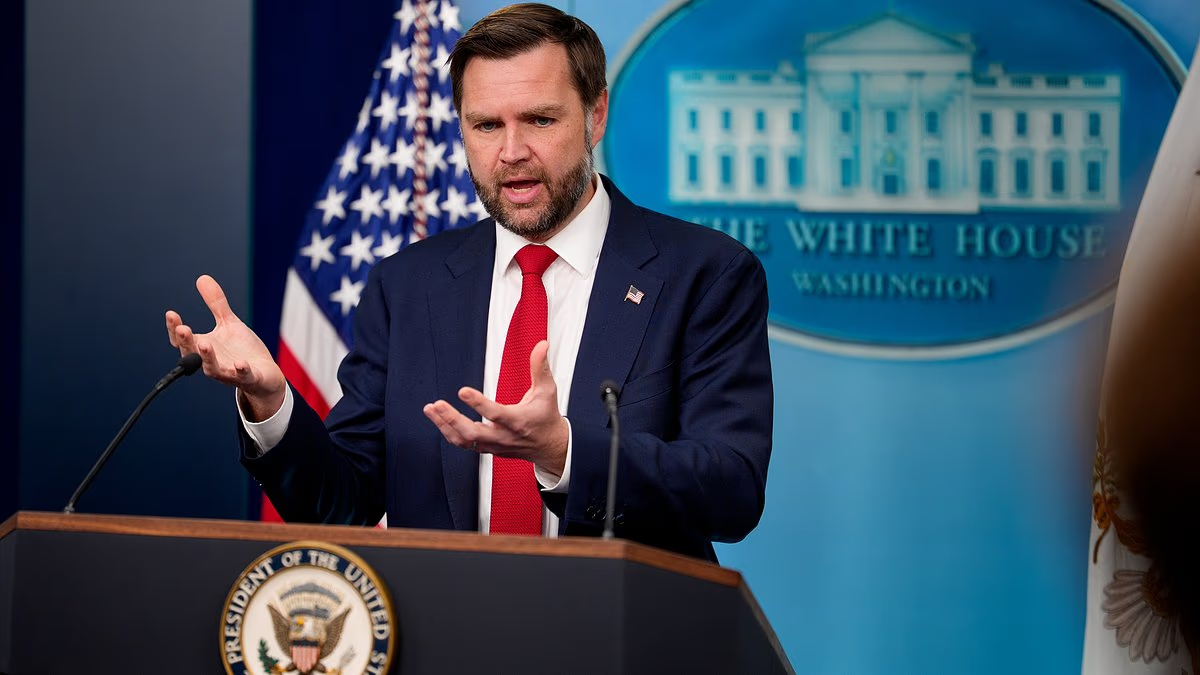
The United States and Iran have signed a memorandum of understanding that could reshape one of the most fraught diplomatic relationships of the past half-century. Vice President JD Vance laid out the core terms: Iran gets sanctions relief only if it commits to not building a nuclear weapon and meets verifiable conditions to prove it.
The MOU, digitally signed on June 14-15, extends a ceasefire between the two nations by an additional 60 days. It also sets the framework for broader negotiations on Iran’s nuclear program and the reopening of the Strait of Hormuz, the narrow waterway through which roughly a fifth of the world’s oil supply passes daily.
What the deal actually says
The core requirement centers on Iran taking concrete, verifiable steps to reduce its enriched uranium stockpiles. Vance has been explicit that sanctions relief is conditional, not aspirational.
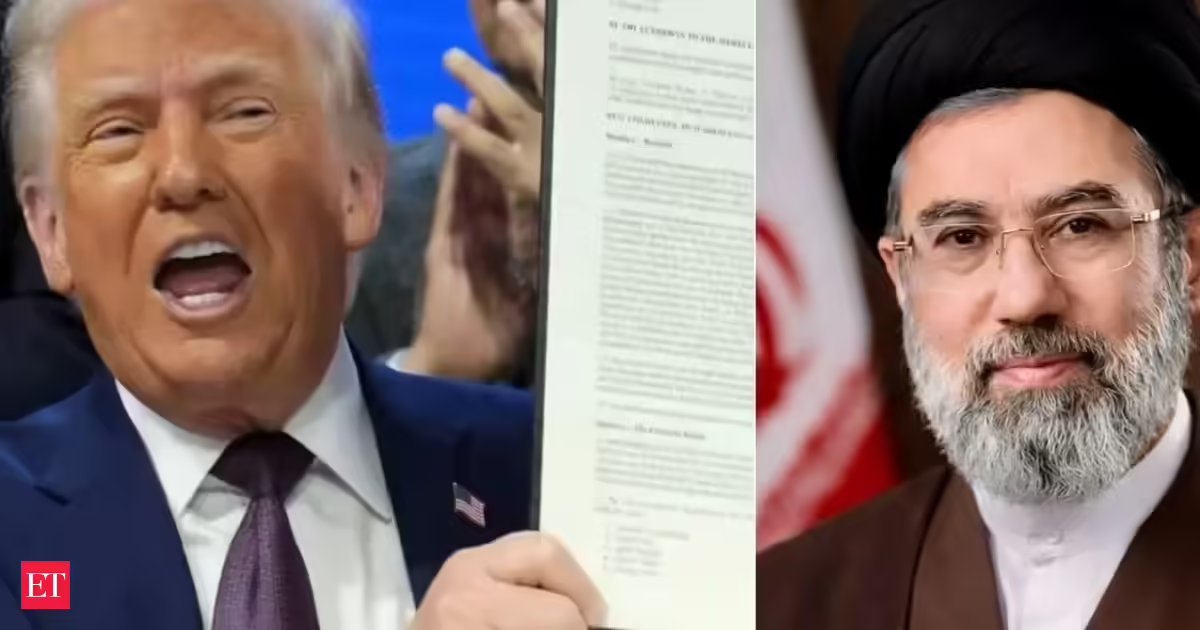
The MOU was signed by President Donald Trump, Vice President Vance, and Iranian officials. A formal signing ceremony is scheduled for this Friday in Geneva, with the full text of the agreement expected to be publicly released within 24 to 48 hours after that ceremony.