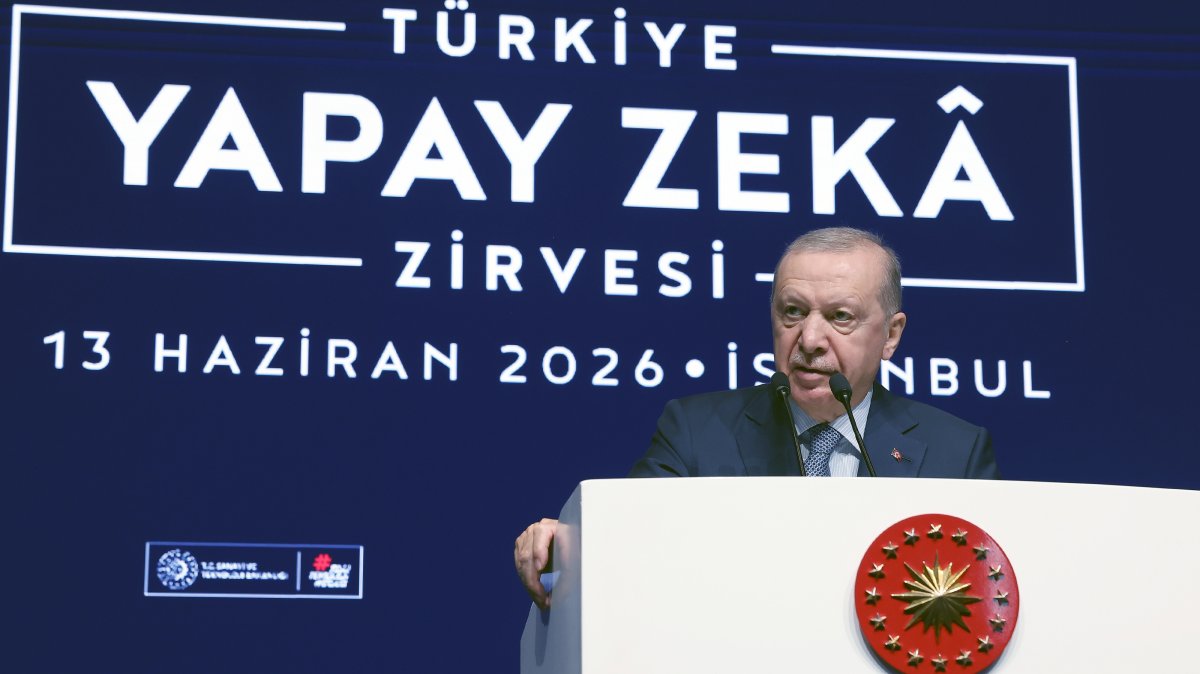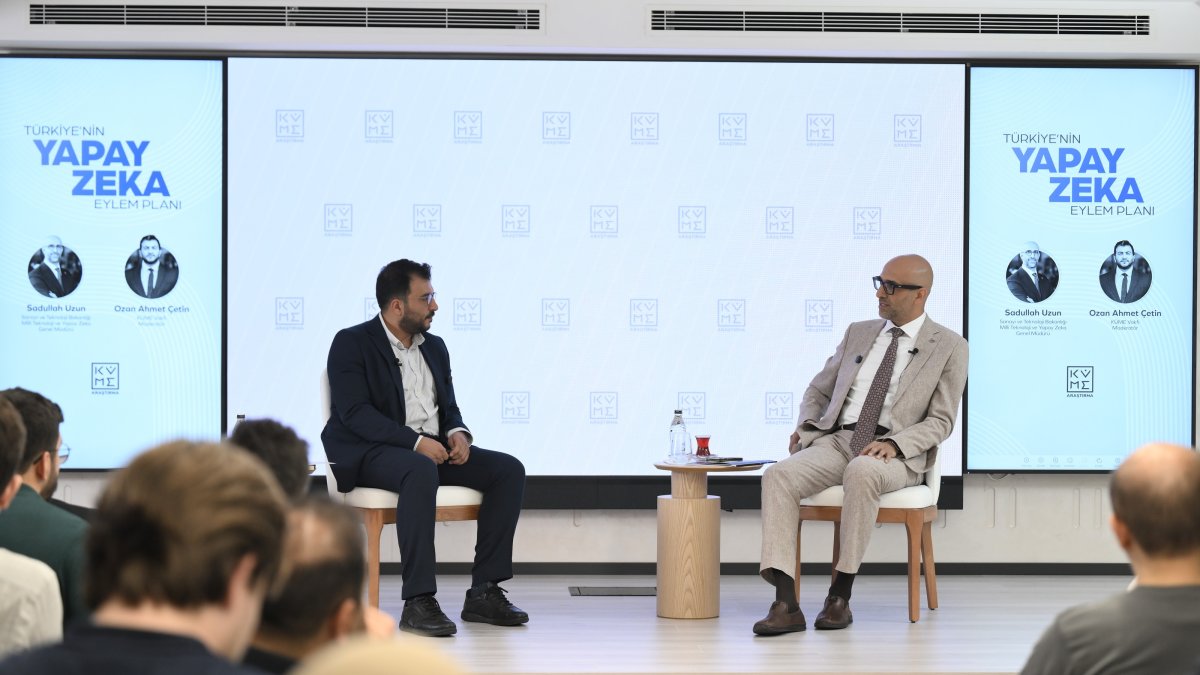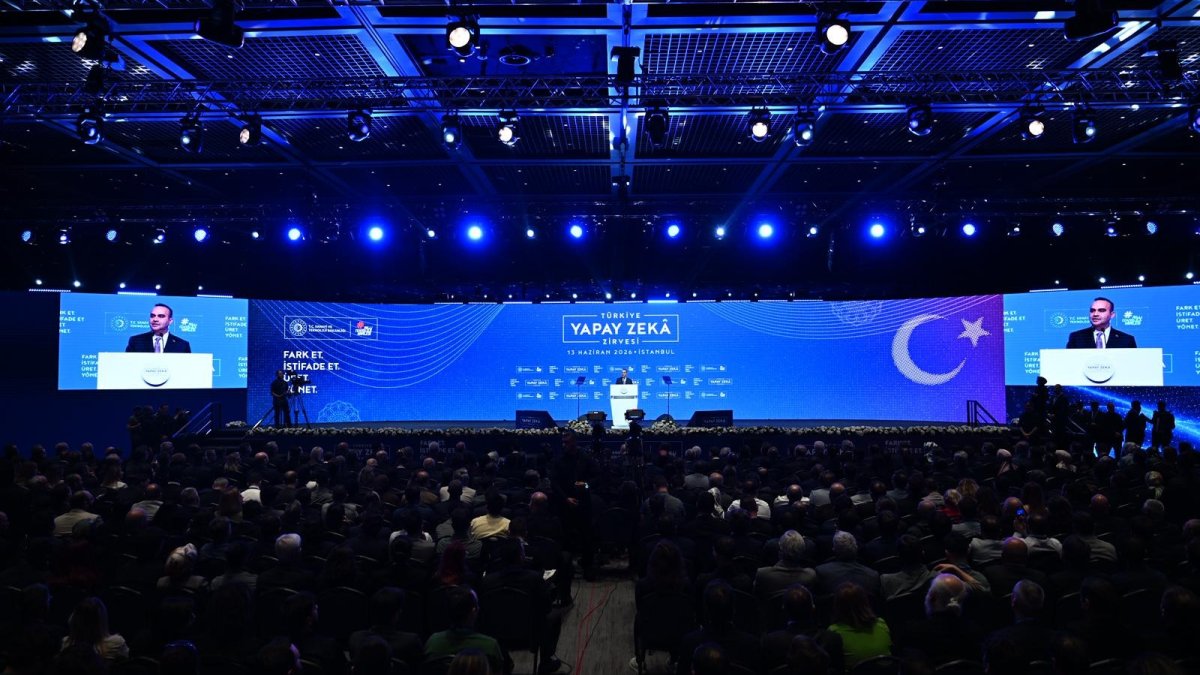
President Recep Tayyip Erdoğan’s unveiling of Türkiye’s AI Action Plan 2026-2030 was received, largely, as a technology story: investment targets, data center capacity, specialist training pipelines, and regulatory frameworks. These are real components of the AI Action Plan. But reducing the announcement to its technical parameters misses what it actually represents as a strategic act. What President Erdoğan unveiled was not primarily an industrial policy. It was a positional declaration in a competition already restructuring the international order, whose consequences will extend far beyond the states currently dominating it.
The announcement deserves to be read on its own strategic terms. In an international system where artificial intelligence increasingly determines who sets the rules of digital governance, who controls the informational environment of conflict, and who can operate with genuine autonomy in crisis conditions, a national artificial intelligence (AI) strategy is not a technology roadmap. It is a statement about what kind of state a government intends to be in the emerging order. The question is not whether Türkiye’s plan matches Washington or Beijing in scale, but whether it reflects a coherent understanding of the structural competition underway and whether its instruments are calibrated to that reality.