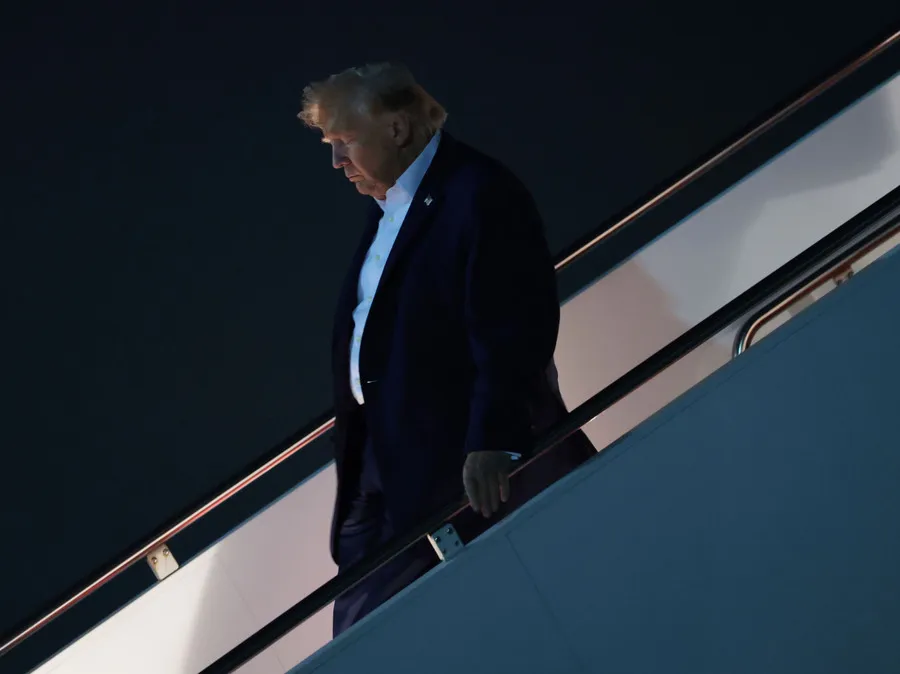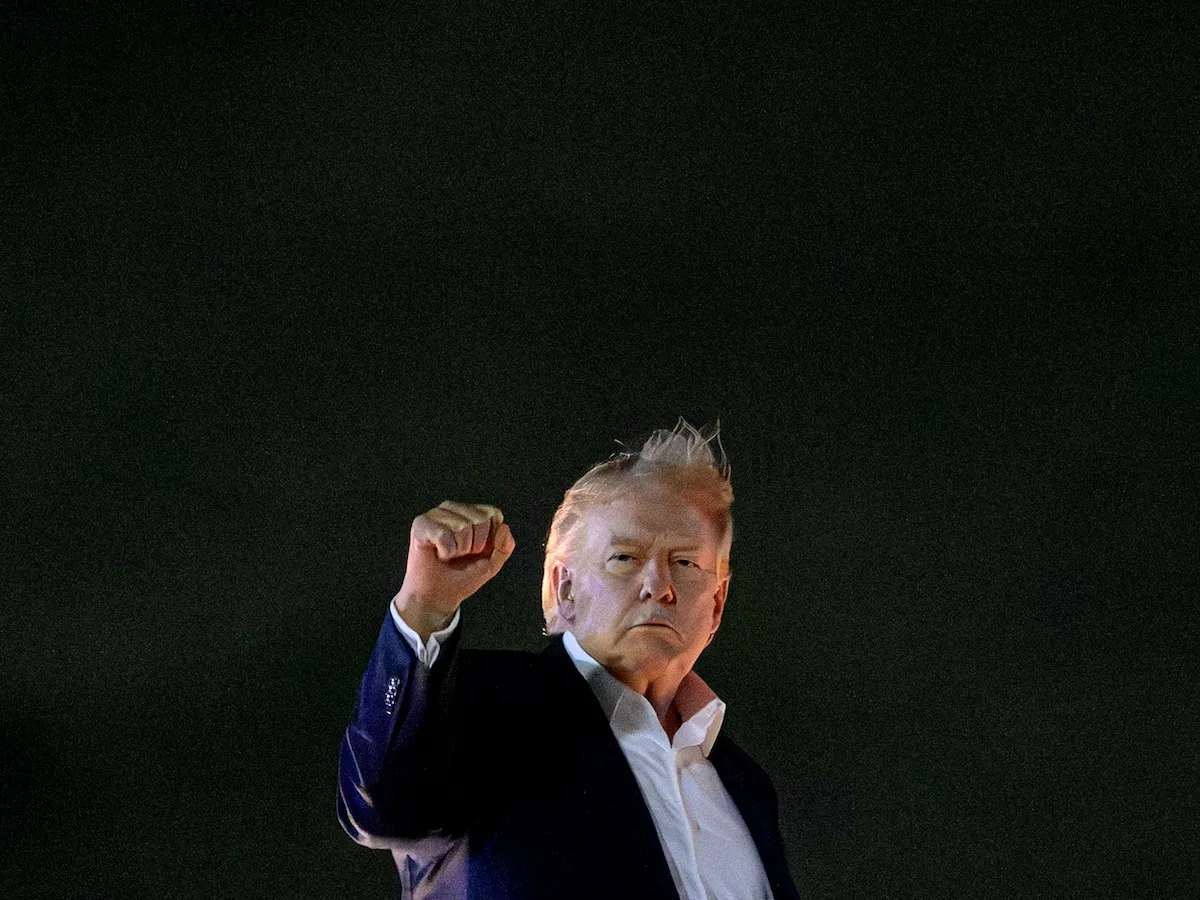
Skip to Content Subscribe Our Offers My Account Manage My Subscriptions FAQ Newsletters Canada Canadian True Crime Canadian Politics Health World Israel & Middle East Financial Post NP Comment Longreads Puzzmo Diversions Comics NP News Quiz New York Times Crossword Horoscopes Life Eating & Drinking Style Sponsored Play for Ontario Travel Travel Canada Travel USA Travel International Cruises Travel Essentials Culture Books Celebrity Movies Music Theatre Television Business Essentials Advice Lives Told Tails Told Shopping Buy Canadian Home Living Outdoor Living Kitchen & Dining Tech Style & Beauty Personal Care Entertainment & Hobbies Gift Guide Travel Guide Amazon Prime Day Deals Savings National Post Store More Sports Hockey Baseball Basketball Football Soccer Golf Tennis Driving Vehicle Research Reviews News Gear Guide Obituaries Place an Obituary Place an In Memoriam Classifieds Place an Ad Celebrations Working Business Ads Archives Healthing Epaper Manage Print Subscription Profile Settings My Subscriptions Saved Articles My Offers Newsletters Customer Service FAQ Newsletters Canada World Financial Post NP Comment Longreads Puzzmo Diversions Life Shopping Epaper Manage Print Subscription HomeNP CommentAdam Zivo: How much is Trump willing to sacrifice to get the price of gas down?It is unclear exactly what is being by latest 'peace' deal with IranLast updated 24 minutes ago You can save this article by registering for free here. Or sign-in if you have an account.US President Donald Trump clenches his fist as he makes his way to board Air Force One before departing Joint Base Andrews in Maryland on June 15, 2026, to attend the G7 summit in the French town of Evian-les-Bains near Switzerland. (Photo by Mandel NGAN / AFP via Getty Images)The United States and Iran announced Sunday night that they had agreed to a 60-day ceasefire that will reopen the Strait of Hormuz and end the American naval blockade of Iranian ports. Whether this constitutes a victory for Washington or Tehran remains unclear, as both sides have provided wildly different accounts of what was conceded.Enjoy the latest local, national and international news.Exclusive articles by Conrad Black, Barbara Kay and others. Plus, special edition NP Platformed and First Reading newsletters and virtual events.Unlimited online access to National Post.National Post ePaper, an electronic replica of the print edition to view on any device, share and comment on.Daily puzzles including the New York Times Crossword.Support local journalism.Enjoy the latest local, national and international news.Exclusive articles by Conrad Black, Barbara Kay and others. Plus, special edition NP Platformed and First Reading newsletters and virtual events.Unlimited online access to National Post.National Post ePaper, an electronic replica of the print edition to view on any device, share and comment on.Daily puzzles including the New York Times Crossword.Support local journalism.Create an account or sign in to continue with your reading experience.Access articles from across Canada with one account.Share your thoughts and join the conversation in the comments.Enjoy additional articles per month.Get email updates from your favourite authors.Create an account or sign in to continue with your reading experience.Access articles from across Canada with one accountShare your thoughts and join the conversation in the commentsEnjoy additional articles per monthGet email updates from your favourite authorsSign In or Create an AccountorBefore anything else, let it be clear that this agreement is not a “peace deal.” Rather, it is only a legally nonbinding memo of understanding that will freeze hostilities on all fronts — including in Lebanon, where Israel is currently fighting Hezbollah, an Iranian-backed terrorist militia.Set to be ceremonially signed in Switzerland this Friday, the memo will allow Washington and Tehran to move forward on some issues (e.g. ending their respective blockades) while establishing a negotiating framework to tackle more complicated tensions over the next two months.The National Post newsletter that doesn’t hold back, giving readers the unvarnished truth on media, politics and culture.By signing up, you consent to receive the above newsletter from Postmedia Network Inc.A welcome email is on its way. If you don't see it, please check your junk folder.The next issue of Right? will soon be in your inbox.We encountered an issue signing you up. Please try again“Ships of the World, start your engines. Let the oil flow!” Trump posted on Truth Social Sunday night in celebration of a deal whose details he disclosed little about.An unnamed senior Trump administration official told CNN last Friday that Iran agreed to destroy and remove its nuclear material, dismantle its nuclear program, fully reopen the Strait of Hormuz (without tolls) and cease funding its proxy terror network (e.g. Hezbollah and Hamas). This would apparently be a “performance-based deal” where the Islamic Republic’s frozen international funds would be returned following compliance with these terms.Yet, Tehran seems to have a wildly different understanding of where negotiations are heading.Iranian government-aligned media outlets have claimed that no concessions have been made on nuclear issues, which will apparently be negotiated during the ceasefire, and that Hormuz will reopen under Tehran’s control. They have also claimed that the United States will unfreeze $24 billion in Iranian funds — half of which will be immediately available upon signing the ceasefire memo — and that the United States will establish a $300 billion reconstruction fund as compensation for the war.This narrative was repudiated as “fake information” by Vice President JD Vance, who, in a post on X, stated that “Iranians are not receiving any cash, and no funds are being released for simply signing a deal or attending a meeting.”Hopefully he is telling the truth, because, if the ceasefire memo remotely resembles what the Islamic Republic’s supporters describe, then it will be an unmitigated disaster for Washington.Since his first term in power, U.S. President Donald Trump has sought to dismantle Iran’s nuclear weapons program, ballistic missile arsenals and proxy forces. Upon launching Operation Epic Fury this spring, he went even further and vowed regime change, too. While some described his subsequent war as a failure, the reality is that the United States and Israel generally dominated the fighting and partially achieved some of their goals.At the beginning of the year, Iranian officials reportedly gloated that they could make 11 nuclear bombs — but American and Israeli bombing campaigns entombed their weapons-grade uranium deep underground, rendering it inaccessible. Roughly a third of Iran’s ballistic missiles were destroyed, the country’s navy was obliterated and, although the regime survived, many of its leaders were killed.Had Washington and Jerusalem not underestimated the vulnerability of the Strait of Hormuz — a maritime chokepoint that, sitting on Iran’s doorstep, handles roughly a fifth of the world’s petroleum shipments — then the Islamic Republic’s defeat would have been unequivocal. Yet, they miscalculated and allowed Tehran to effectively blockade the route and take the global economy hostage.If Trump’s eventual peace deal leaves Iran’s nuclear program intact and keeps Hormuz under Iranian control, then the Islamic Republic will soon find itself stronger than before, because the value of controlling the strait — traditionally an international zone — would far outweigh the costs of a temporary nuclear setback. This would be especially true if Iran’s economy is nourished by sanctions relief and foreign investment, and would make this spring’s war quite the humbling experience for the United States.If the ceasefire memo better resembles the American position, though, then the war will be a qualified victory for Trump.Imposing a new nuclear deal on Iran would calm the region down and delay a Middle Eastern arms race, especially if, unlike the old deal signed by the Obama administration, this includes an international monitoring system that can’t be easily evaded or confounded. Ending Iranian terror funding would, similarly, free the Lebanese and Palestinians from the fetters of Hezbollah and Hamas, respectively, allowing their nations to build towards peaceful stability and, God willing, detente with Israel.Iran’s ballistic missile program, which seems beyond the scope of these negotiations, would remain a considerable threat, but a relatively manageable one absent nuclear weapons and proxy forces.The lack of public details about the memo is obviously frustrating, and has been made all the worse by Trump’s pathological need to oversell his accomplishments — he has already claimed about 40 times that a deal is on the verge of being signed, so some skepticism is prudent here.Yet, with the United States’ congressional midterms fast approaching this autumn, it is clear he needs this war to end soon. American voters are tired of this quagmire and the inflation it has spurred. Unlike the rest of the world, they can punish Trump at the ballotbox — but whether this will force him to make myopic concessions remains unseen.National Post Get the latest from Adam Zivo straight to your inbox Join the Conversation This website uses cookies to personalize your content (including ads), and allows us to analyze our traffic. Read more about cookies here. By continuing to use our site, you agree to our Terms of Use and Privacy Policy.
Adam Zivo: How much is Trump willing to sacrifice to get the price of gas down?
It is unclear exactly what is being by latest 'peace' deal with Iran
TL;DRAI
USA e Iran annunciano cessate il fuoco 60 giorni per riaprire Stretto di Hormuz, ma divergono su concessioni nucleari e fondi congelati ($24B secondo Teheran, zero secondo Washington). Per CTO e manager tech, l'incertezza geopolitica impatta costi data center globali, supply chain chip e decisioni di espansione; fallimento negoziati comporta rischi energetici su infrastructure stack.
1,462 words~7 min read