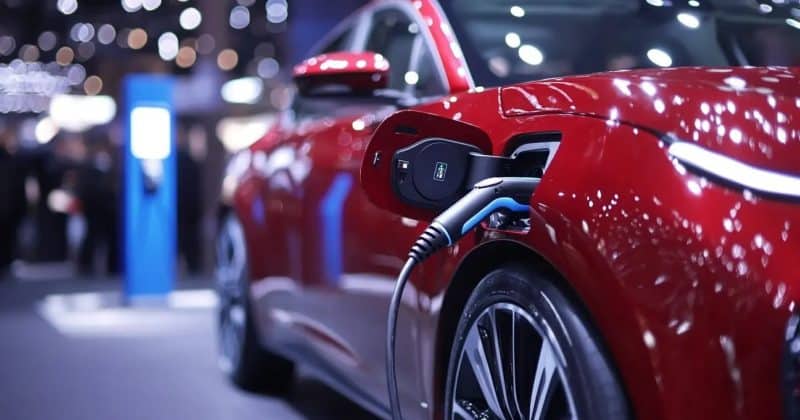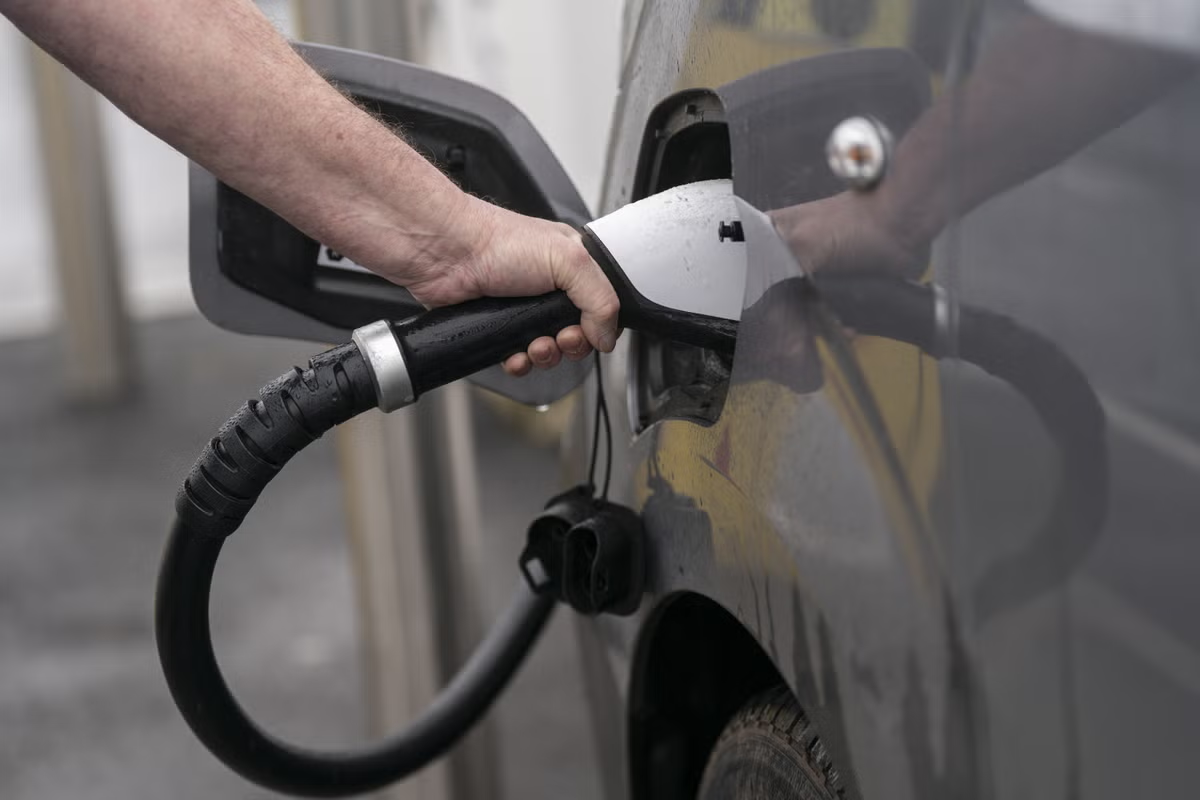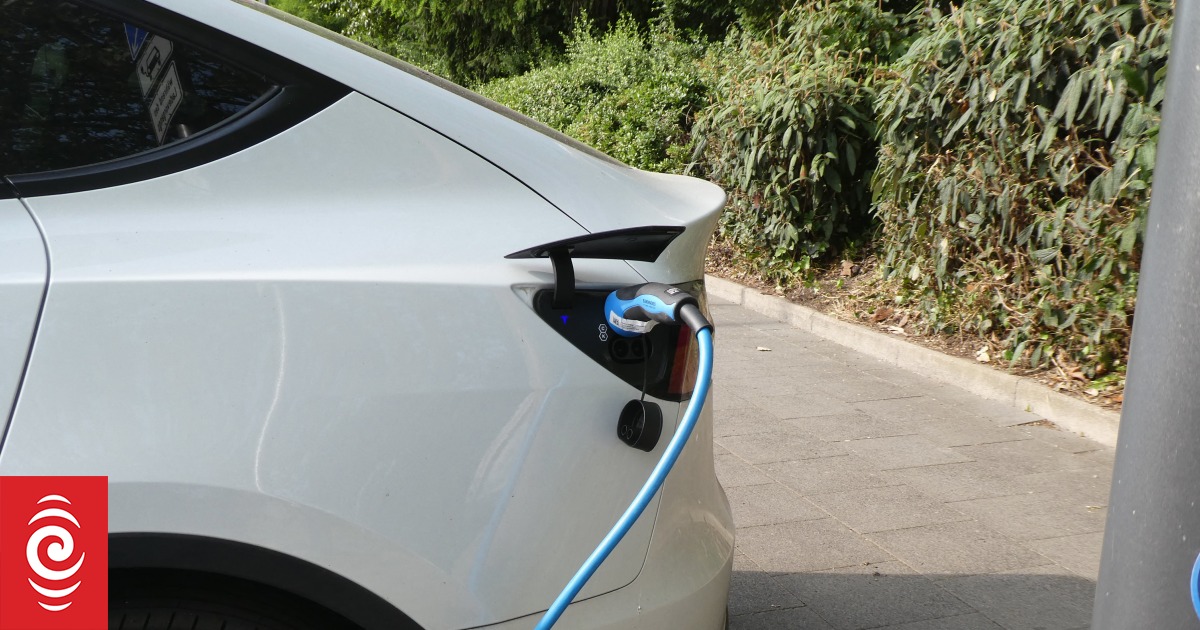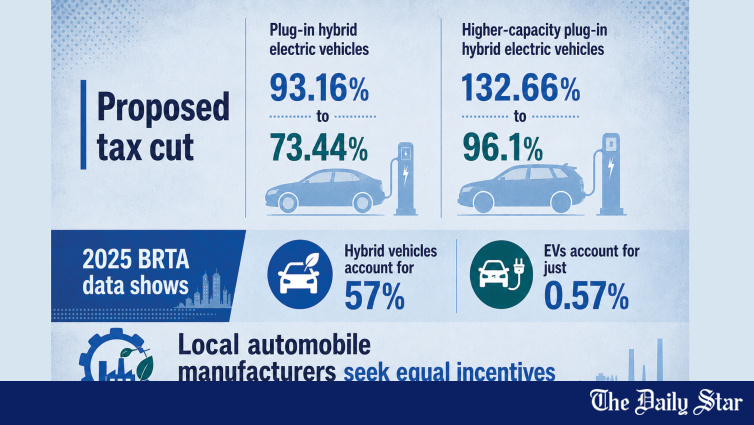
A new draft legislation will reach the parliament in the coming days, introducing amendments on how plug-in hybrid cars are taxed.
Improvements will concern the tax burden on employees who obtain such a vehicle from their company, but not the registration fees, which are expected to increase.
The inclusion of these provisions in the bill may concern a limited number of vehicles, but it is also a sample of what is expected to follow in the near future. The intervention is linked to the pressure exerted on all European countries – and in Greece – to limit the consumption of fossil fuels, which should be done by removing or trimming incentives, as well as by introducing counter-incentives, including through taxes.
Greece has drawn attention from Brussels over a series of existing policies: the much higher taxation of unleaded gasoline compared to that of diesel, the huge difference in the retail price of a kilowatt-hour of electricity compared to the equivalent of natural gas, as well as the allocation of huge state resources to granting heating allowances to those who consume oil or natural gas.