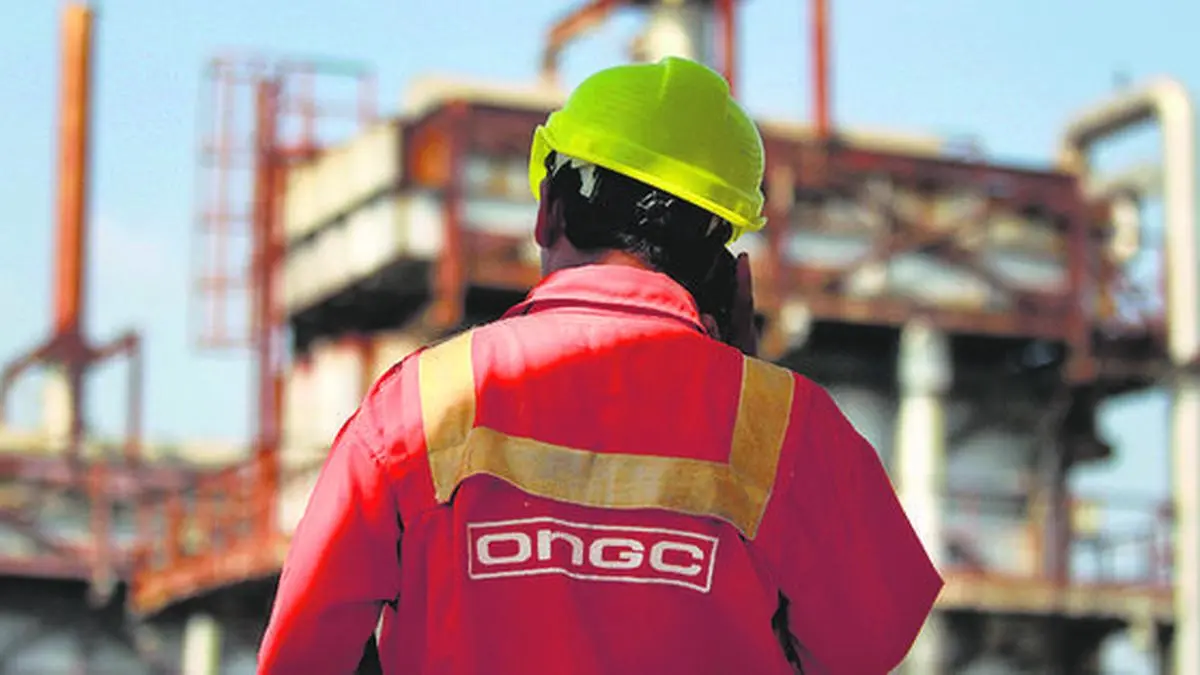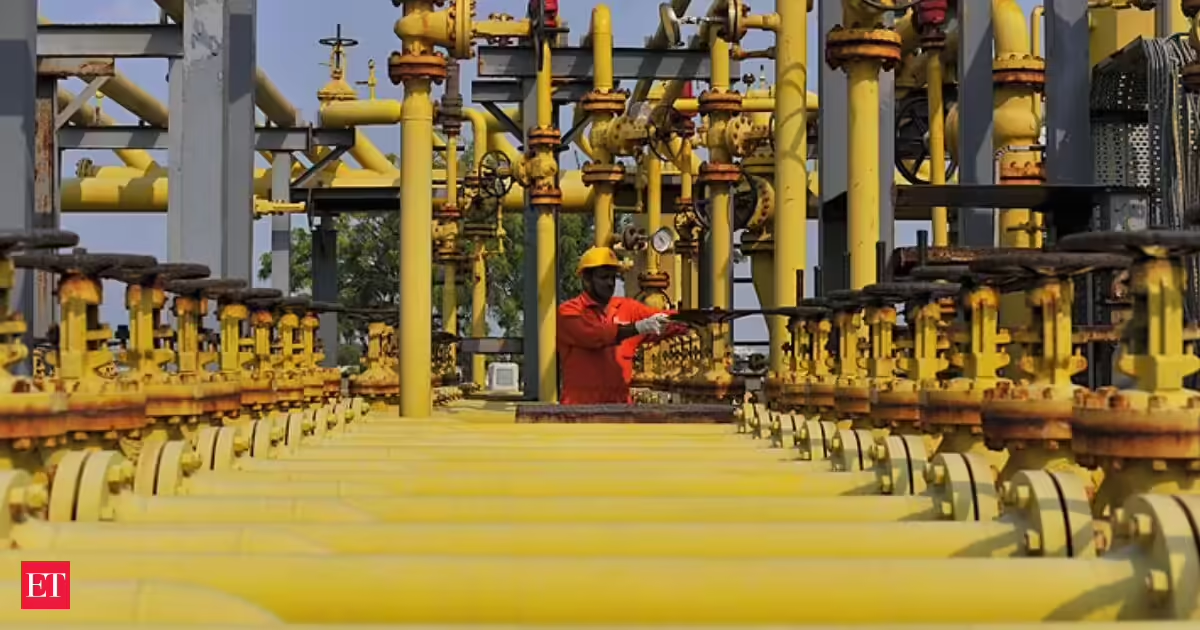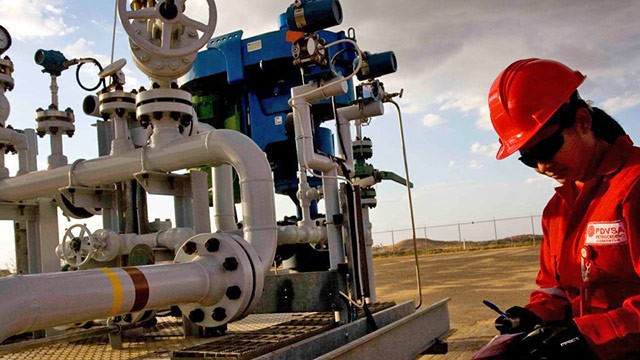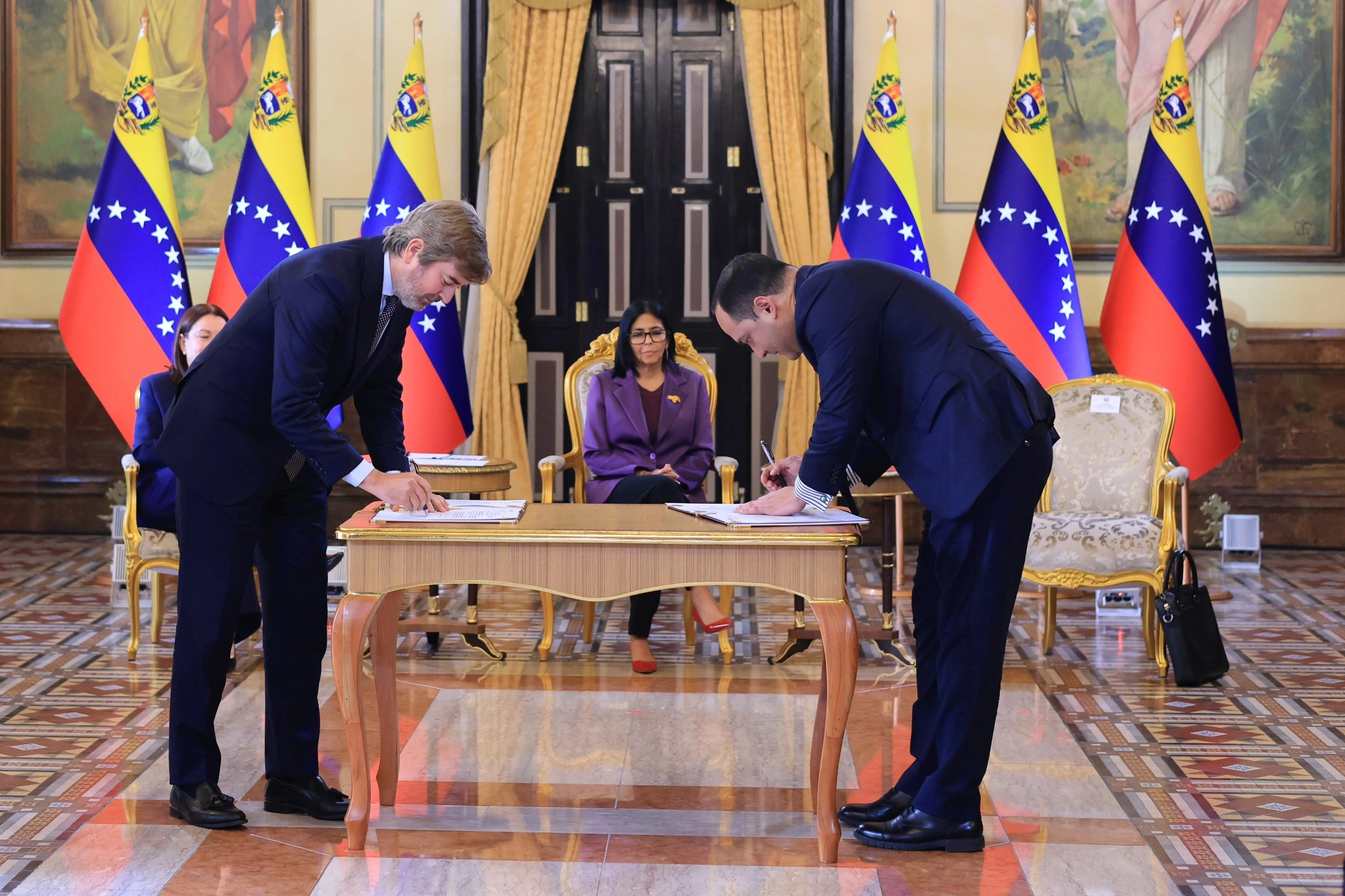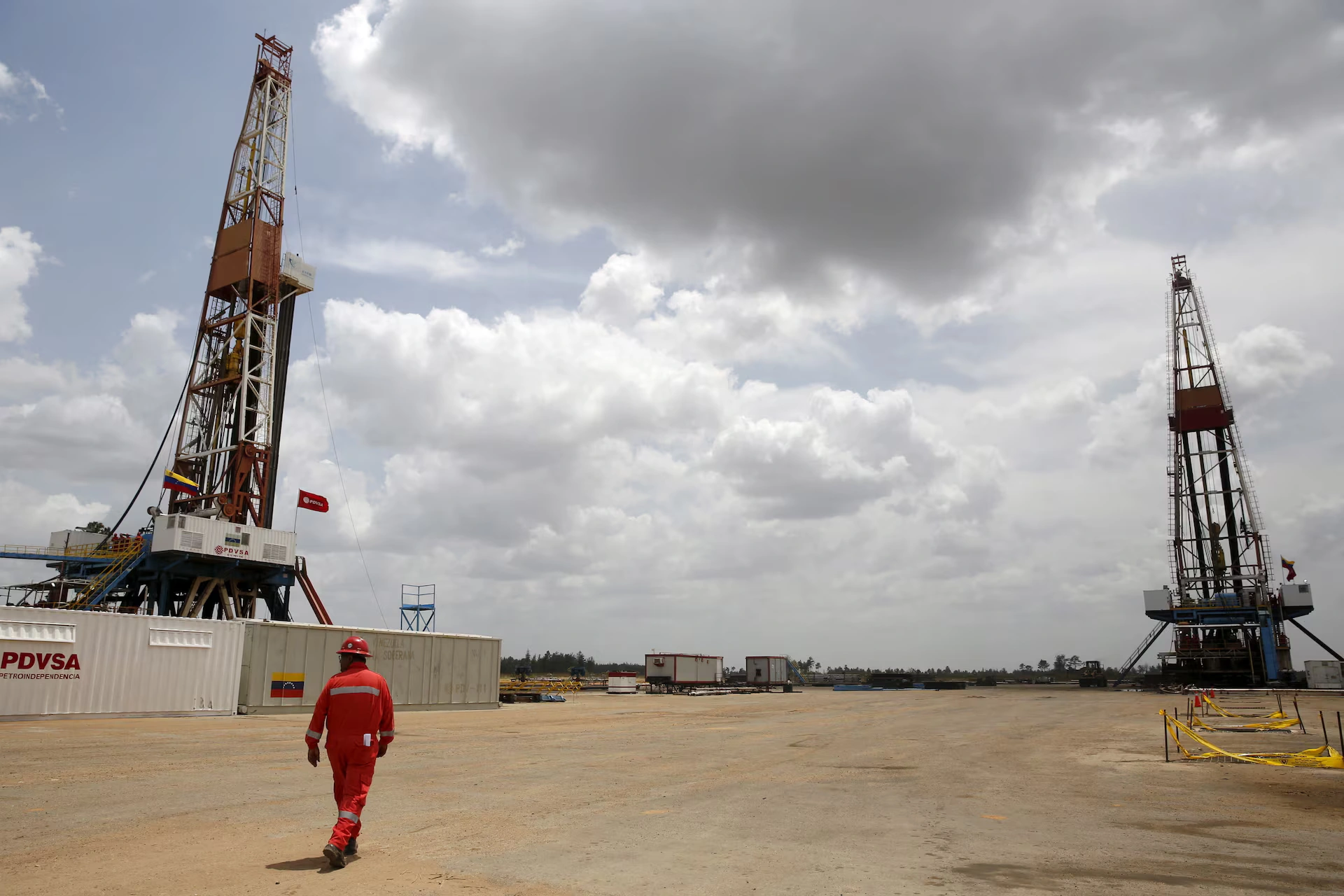
SynopsisONGC Videsh Ltd (OVL) had acquired assets overseas as part of increasing the state-run oil producer's crude output. The move to revive OVL operations in what's described as the nation with the world's biggest oil reserves comes as the Venezuelan government opens its oil sector to greater foreign participation under a new legal framework.Move comes as S American nation invites more foreign partnerships in oil reserves via a new legal frameworkMUMBAI: State-run Oil and Natural Gas Corp's overseas arm, ONGC Videsh Ltd (OVL), plans to revive operations in Venezuela even as more than $900 million in dividend dues remain unpaid, industry executives aware of the development told ET.OVL had acquired assets overseas as part of increasing the state-run oil producer's crude output.The move to revive OVL operations in what's described as the nation with the world's biggest oil reserves comes as the Venezuelan government opens its oil sector to greater foreign participation under a new legal framework.OVL has two onshore assets in Venezuela. The first is San Cristobal in the Orinoco belt in eastern Venezuela. OVL took a 40% stake in San Cristobal in April 2008, while Venezuela's state-owned Petroleos de Venezuela (PdVSA) holds 60%.OVL's other Venezuelan field is Petrocarabobo in the East Orinoco, where OVL and Spain's Repsol each hold an 11% stake and IndianOil and Oil India each hold a 3.5% stake. PdVSA holds 71% in the field.Strait path laid for crude prices to travel downwardThese assets have remained underutilised for years due to the imposition of US sanctions on Venezuela.OVL did not reply to the email query sent."The economic conditions in Venezuela are now suitable for operations, so all the field operators are going back, and OVL is also re-examining the situation," said an industry executive, adding that as per the new legal framework, there will be freedom to repatriate profit and restoration of oil and gas lifting rights.India hikes diesel, ATF export levies from June 16This January, the United States launched a military strike in Venezuela and captured incumbent Venezuelan president Nicolas Maduro, taking control of the Venezuelan oil exports. Venezuela's oil production has fallen sharply over the past decade, from roughly 3-4 million barrels per day historically to around 700,000-800,000 barrels per day now, the executive said."Venezuela's revised regulations require companies to route investments through U.S.-incorporated entities. Since OVL already has a US office, it could help meet these requirements," the executive said, adding that for India, this could strengthen energy security by diversifying supply sources beyond West Asia and Russia.It is, however, unclear when OVL would be able to secure the dividend due to it. Executives said Venezuela is asking companies to prioritise investment and production growth before seeking immediate dividend repatriation, arguing that restoring output is essential to rebuilding the sector.Executives said that OVL is conducting technical assessments of its producing fields and evaluating the condition of surface facilities. While SanCristobal is said to be at an advanced stage of planning, discussions continue with partners on the second asset.OVL is expected to submit revival proposals for its fields within the next few months, though the executives cautioned that timelines could shift given the country's uncertain operating environment.Read More News on...moreless
ONGC's overseas arm set to revive Venezuela operations
ONGC Videsh Ltd (OVL) had acquired assets overseas as part of increasing the state-run oil producer's crude output. The move to revive OVL operations in what's described as the nation with the world's biggest oil reserves comes as the Venezuelan government opens its oil sector to greater foreign participation under a new legal framework.
TL;DRAI
OVL, India's state-run oil arm, revives Venezuela operations with 40% stake in San Cristobal and 11% in Petrocarabobo under a new legal framework permitting profit repatriation. The move strengthens India's energy diversification beyond West Asia and Russia; Venezuela's new governance may shift global crude prices and geopolitical energy balances.
527 words~2 min read