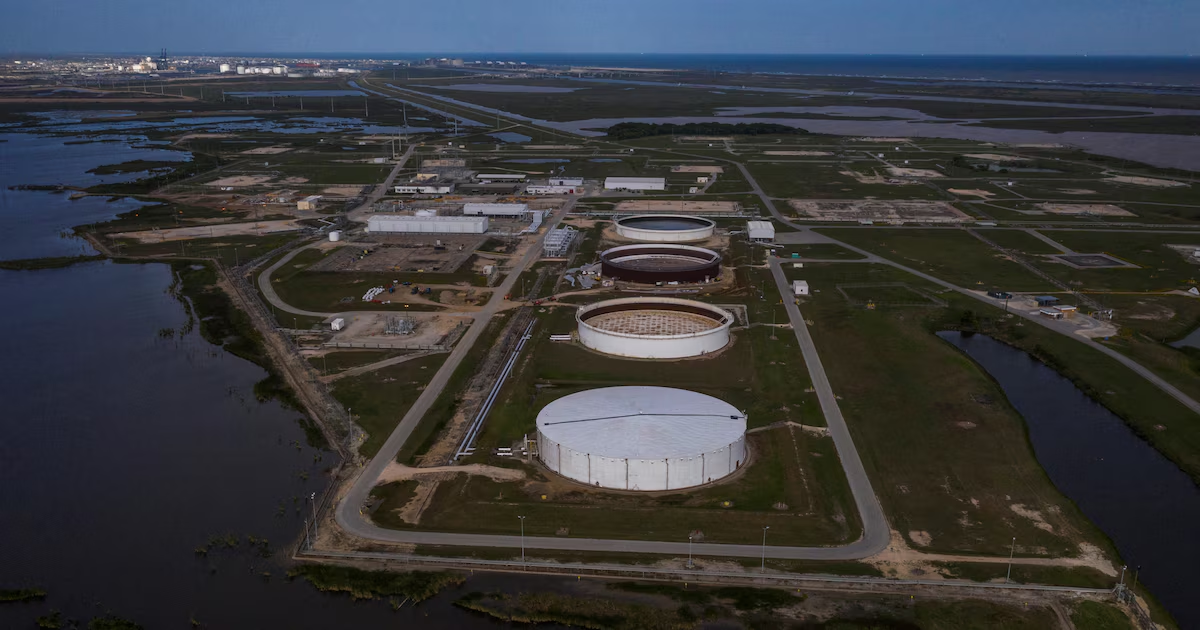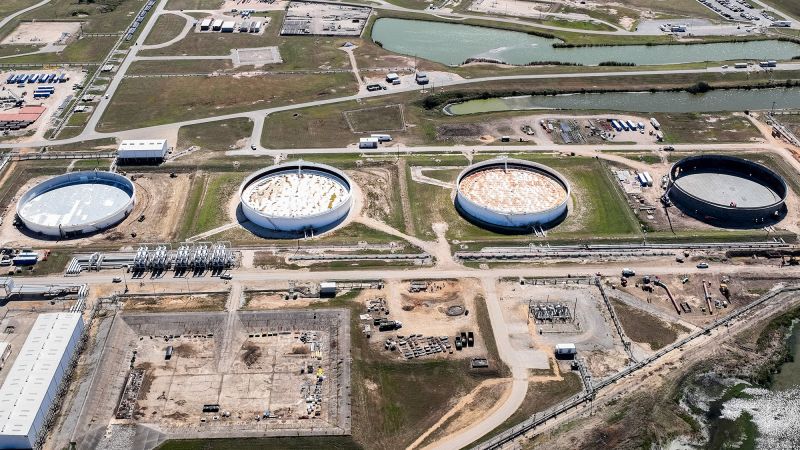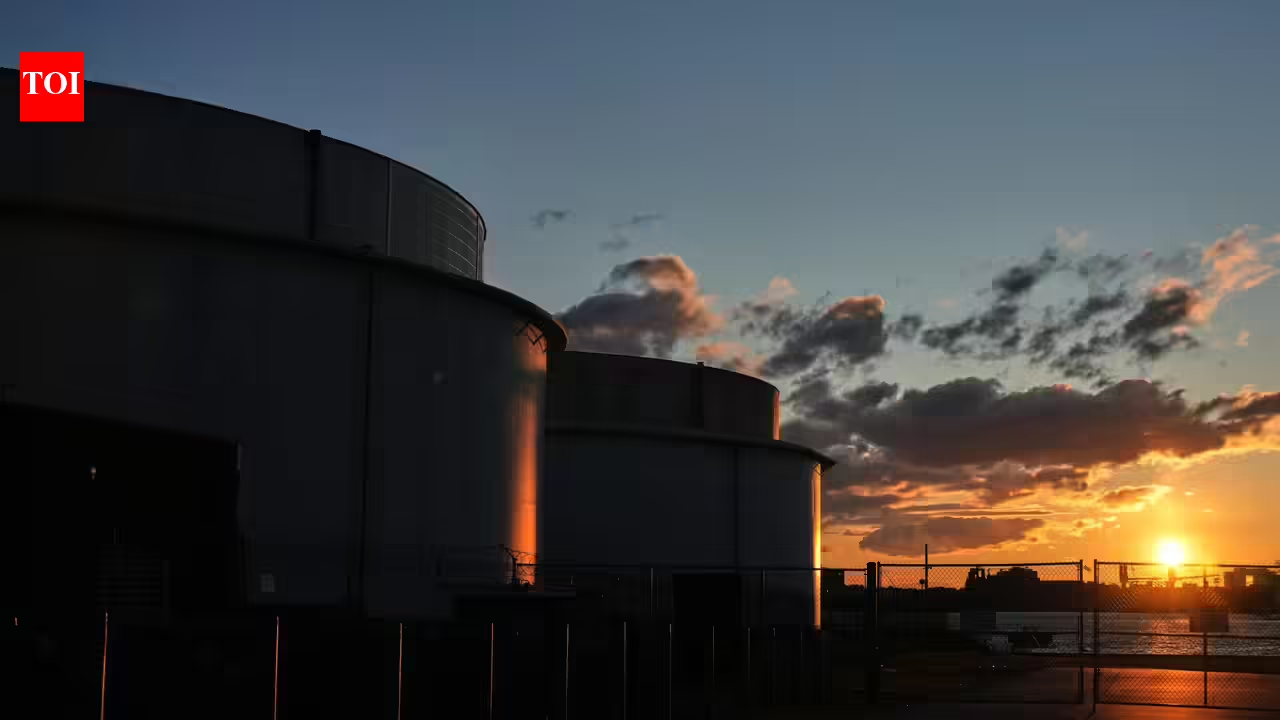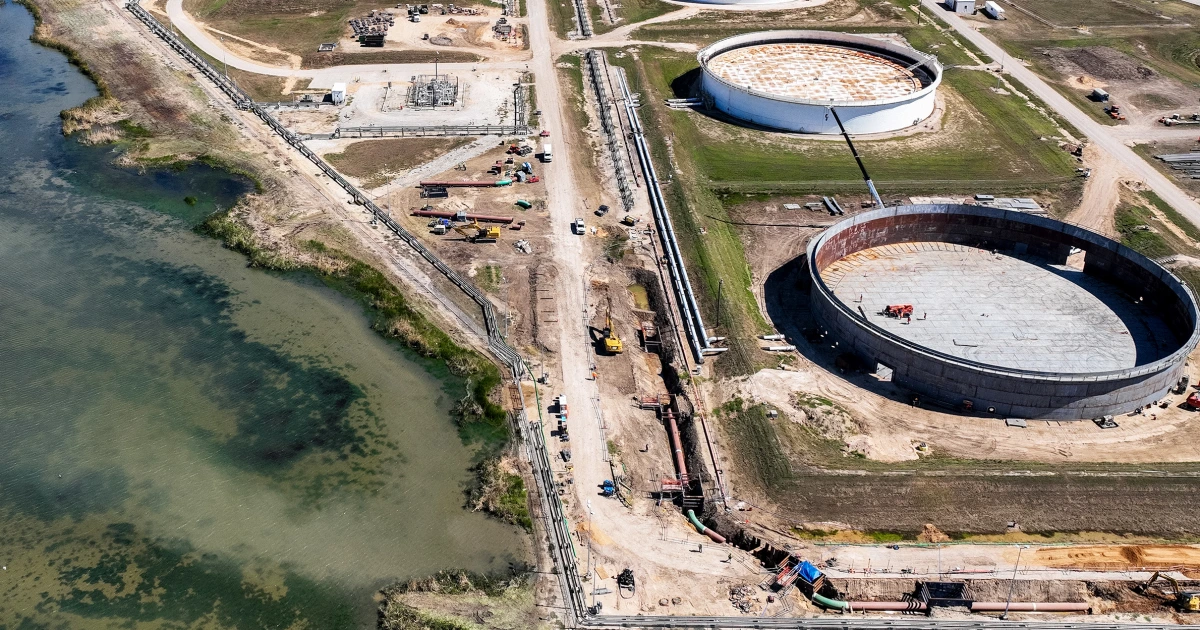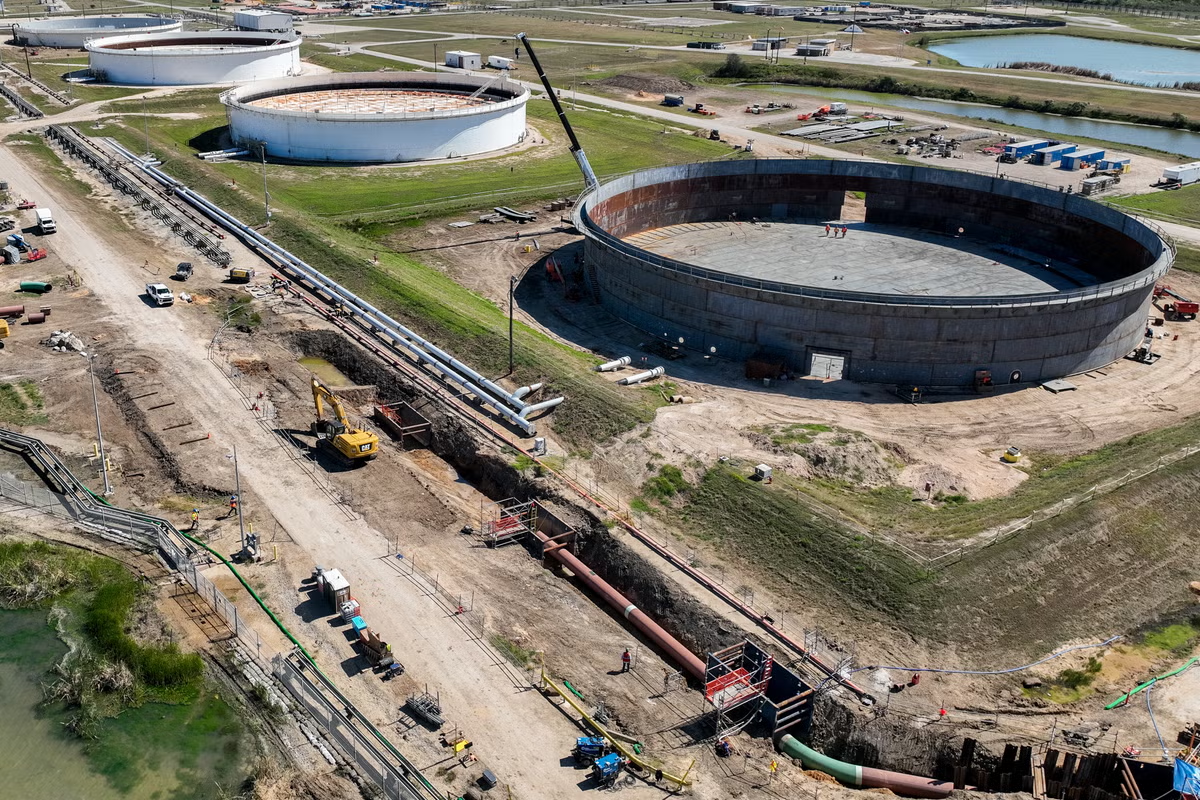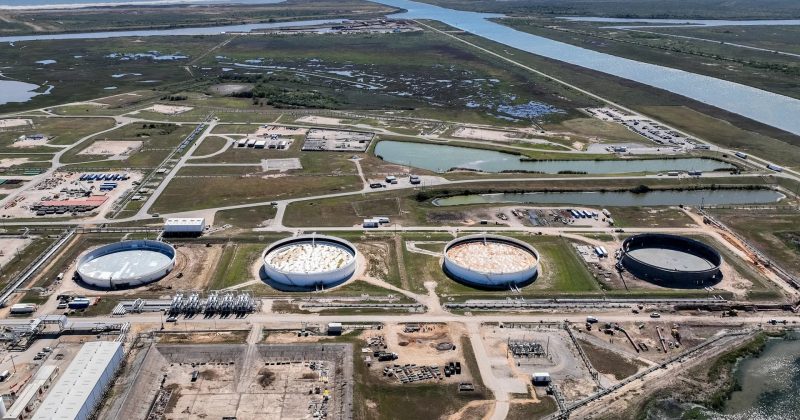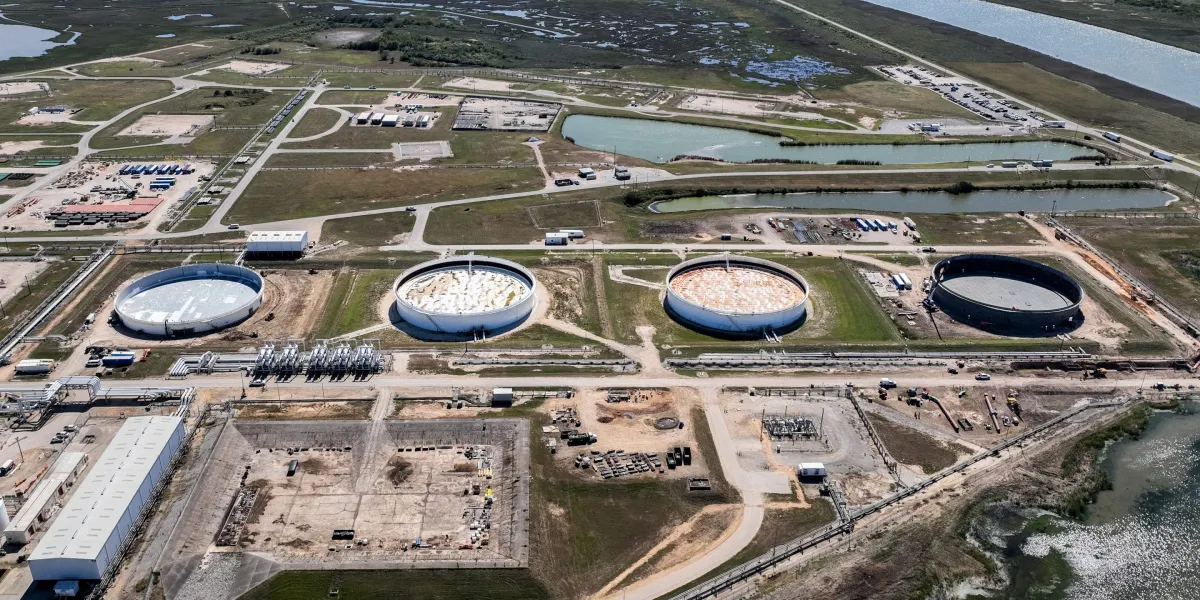
Skip to Content News Archives Economy Energy Oil & Gas Renewables Electric Vehicles Mining Commodities Agriculture Real Estate Mortgages Mortgage Rates Finance Banking Insurance Fintech Cryptocurrency Work Wealth Smart Money Wealth Management Investor Personal Finance Family Finance Retirement Taxes High Net Worth FP Comment Executive Women Puzzmo Newsletters Financial Times Business Essentials More Innovation Information Technology FP500 Podcasts Small Business Lives Told Tails Told Shopping Financial Post Store Obituaries Place a Notice Advertising Advertising With Us Advertising Solutions Postmedia Ad Manager Sponsorship Requests Classifieds Place a Classifieds ad Working Profile Settings My Subscriptions Saved Articles My Offers Newsletters Customer Service FAQ News Economy Energy Mining Real Estate Finance Work Wealth Investor FP Comment Executive Women Puzzmo Newsletters Financial Times Business Essentials HomeOil & GasNewsU.S. oil reserve hits 43-year low as Trump aims to tame pricesThe U.S.’s emergency oil reserve was already significantly depleted when Trump took office 16 months agoAuthor of the article:Last updated 1 hour ago You can save this article by registering for free here. Or sign-in if you have an account.Global crude futures are up about 20 per cent since the war began, driving gasoline prices in the U.S. to an average of around US$4.07 a gallon. Photo by Luke Sharrett/BloombergThe United States’s emergency supply of crude oil has fallen to its lowest level since 1983 as the Trump administration moves toward completing its plan to release 172 million barrels to ease surging fuel prices spurred by the war in Iran.Subscribe now to read the latest news in your city and across Canada.Exclusive articles from Barbara Shecter, Joe O'Connor, Gabriel Friedman, and others.Daily content from Financial Times, the world's leading global business publication.Unlimited online access to read articles from Financial Post, National Post and 15 news sites across Canada with one account.National Post ePaper, an electronic replica of the print edition to view on any device, share and comment on.Daily puzzles, including the New York Times Crossword.Subscribe now to read the latest news in your city and across Canada.Exclusive articles from Barbara Shecter, Joe O'Connor, Gabriel Friedman and others.Daily content from Financial Times, the world's leading global business publication.Unlimited online access to read articles from Financial Post, National Post and 15 news sites across Canada with one account.National Post ePaper, an electronic replica of the print edition to view on any device, share and comment on.Daily puzzles, including the New York Times Crossword.Create an account or sign in to continue with your reading experience.Access articles from across Canada with one account.Share your thoughts and join the conversation in the comments.Enjoy additional articles per month.Get email updates from your favourite authors.Create an account or sign in to continue with your reading experience.Access articles from across Canada with one accountShare your thoughts and join the conversation in the commentsEnjoy additional articles per monthGet email updates from your favourite authorsSign In or Create an AccountorThe Strategic Petroleum Reserve, created after the Arab oil embargo of the early 1970s, has dropped to a near-record low of roughly 340 million barrels, according to Energy Department data released Monday.The U.S. Energy Department announced its plan in March to release oil from the strategic reserve as part of a coordinated effort by nations around the world less than two weeks after the U.S. and Israel launched attacks on Iran.Breaking business news, incisive views, must-reads and market signals. Weekdays by 9 a.m.By signing up you consent to receive the above newsletter from Postmedia Network Inc.A welcome email is on its way. If you don't see it, please check your junk folder.The next issue of Posthaste will soon be in your inbox.We encountered an issue signing you up. Please try againIf completed, it will be the second-largest release in the stockpile’s history, leaving the reserve with about 243 million barrels, or about a third of its authorized capacity. The dwindling stockpile leaves the U.S. with less flexibility to respond to future supply disruptions.The reserve needs to have a minimum of 150 million to 200 million barrels to function properly, according to Patrick De Haan, head of petroleum analysis for GasBuddy.“That leaves little room for additional releases,” De Haan said in an interview.An Energy Department spokesman said the administration is managing the reserve in the way it was intended to be used: helping stabilize oil markets, protecting the U.S. from supply disruptions and making the nation more secure when it comes to energy.The reserve is falling to a historic low as the U.S. and Iran reached an interim peace agreement to reopen the Strait of Hormuz and move toward ending the 15-week war.The administration is releasing the oil through an exchange program that involves essentially loaning barrels to companies that must eventually return them with interest. The return rate so far has been about 26 per cent, creating potentially more than US$3 billion in savings for taxpayers, the Energy Department spokesman said.The agency says it will refill the reserve with approximately 200 barrels, or 20 per cent more than what was released, within the next year. A sign displays the price of regular gasoline and diesel fuel at a CITGO gas station in Brewer, Maine, US, on Monday, June 8, 2026. As the Iran war enters its fourth month, ridership on US public transit systems is rising as gasoline prices remain near historic highs.The U.S.’s emergency oil reserve was already significantly depleted when Trump took office 16 months ago.Former President Joe Biden’s administration withdrew roughly 290 million barrels from the system through a series of releases, including after Russia’s invasion of Ukraine. Republicans at the time argued the move was intended to lower gasoline prices ahead of the 2022 midterm elections rather than responding to a genuine supply emergency.Trump pledged to refill the reserve, which has a capacity of roughly 700 million barrels, while criticizing Biden for depleting it.Global crude futures are up about 20 per cent since the war began, driving gasoline prices in the U.S. to an average of around US$4.07 a gallon. That’s putting political pressure on Trump ahead of mid-term elections in November that will determine whether his party will maintain control of the U.S. Congress. Join the Conversation This website uses cookies to personalize your content (including ads), and allows us to analyze our traffic. Read more about cookies here. By continuing to use our site, you agree to our Terms of Use and Privacy Policy.
U.S. oil reserve hits 43-year low as Trump aims to tame prices
The U.S.’s emergency supply of crude oil has fallen to its lowest level in decades as Trump moves to release 172 million barrels. Read here
1,054 words~5 min read