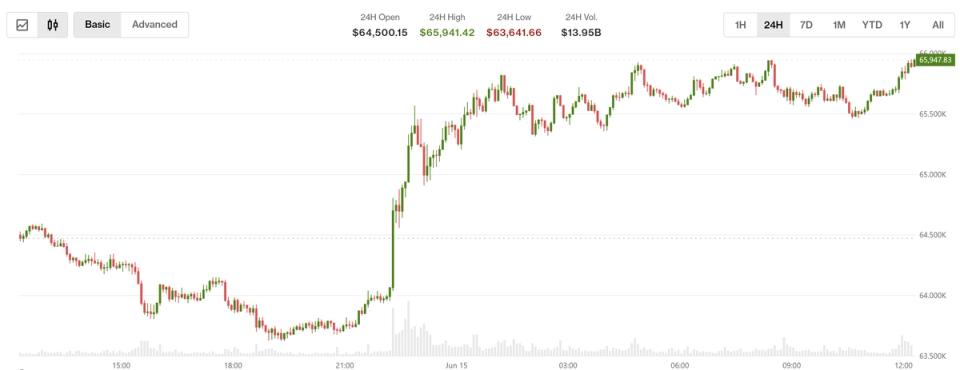
The United States and Iran have reached a tentative memorandum of understanding aimed at dialing down hostilities in the Middle East, and markets are already placing their bets. Bitcoin rallied roughly 5% to around $67,250 on the news, while oil prices dropped approximately 5% as traders recalibrated their geopolitical risk models.
But here’s the thing: this deal is held together with diplomatic duct tape. Competing claims from Donald Trump and Tehran about what was actually agreed upon have left critical details unresolved, including the future of Iran’s nuclear program and the long-term status of the Strait of Hormuz.
What the deal actually says, and what it doesn’t
The MOU, reached on June 15, includes three immediate provisions: a 60-day extension of the existing ceasefire, the reopening of the Strait of Hormuz, and an end to the US naval blockade on Iranian ports. A formal signing ceremony is expected around June 19, potentially in Switzerland, with US Vice President JD Vance and Iranian parliament speaker Mohammad Baqer Qalibaf anticipated to participate.
Those are the easy parts. The harder questions, Iran’s uranium stockpiles, its broader nuclear ambitions, and the regional balance of power involving Israel, have been punted to future negotiations.