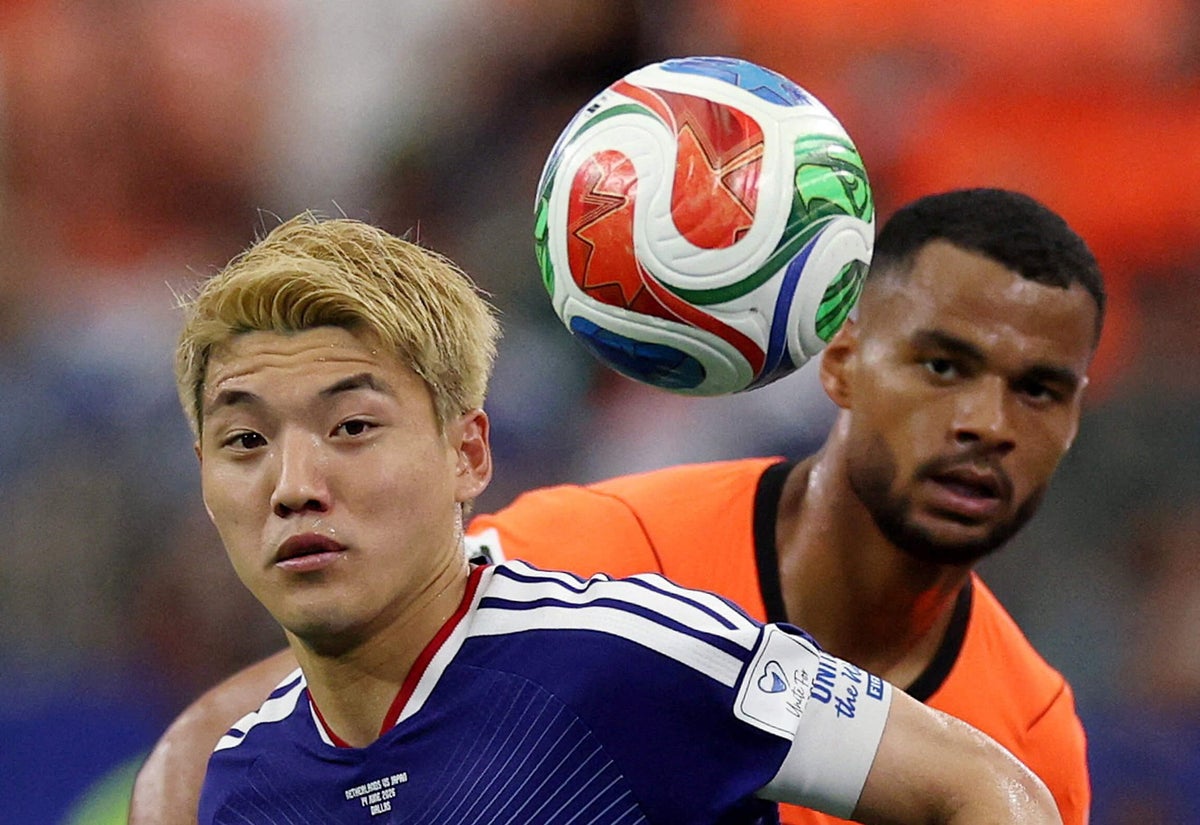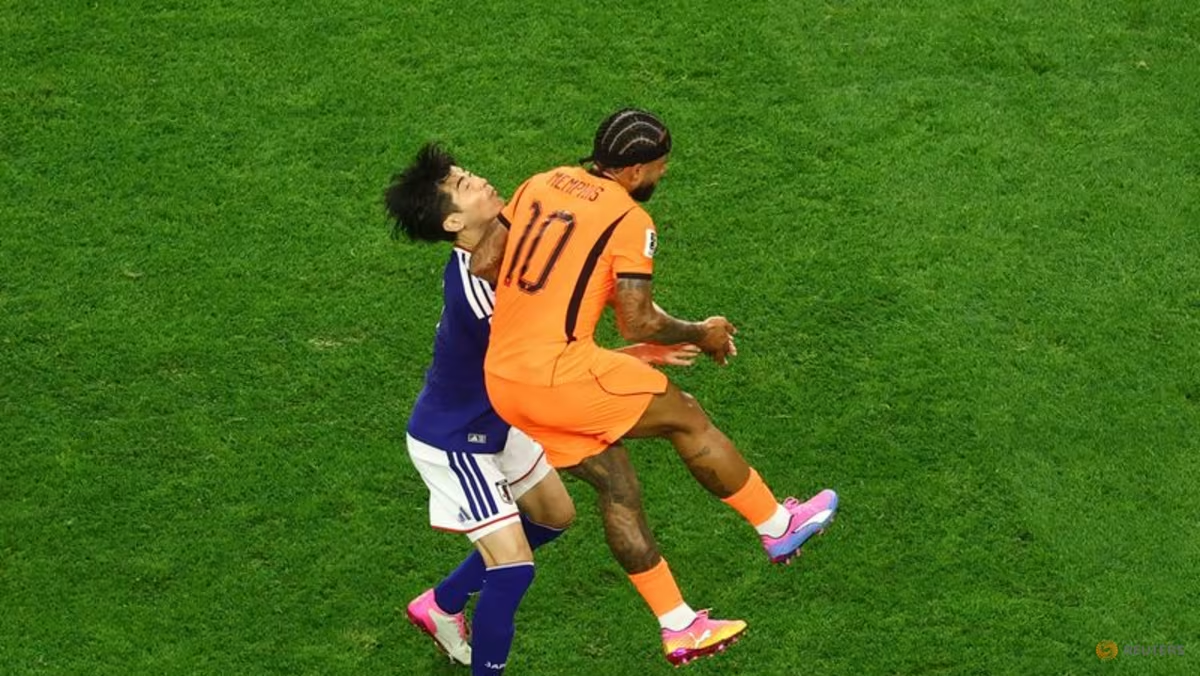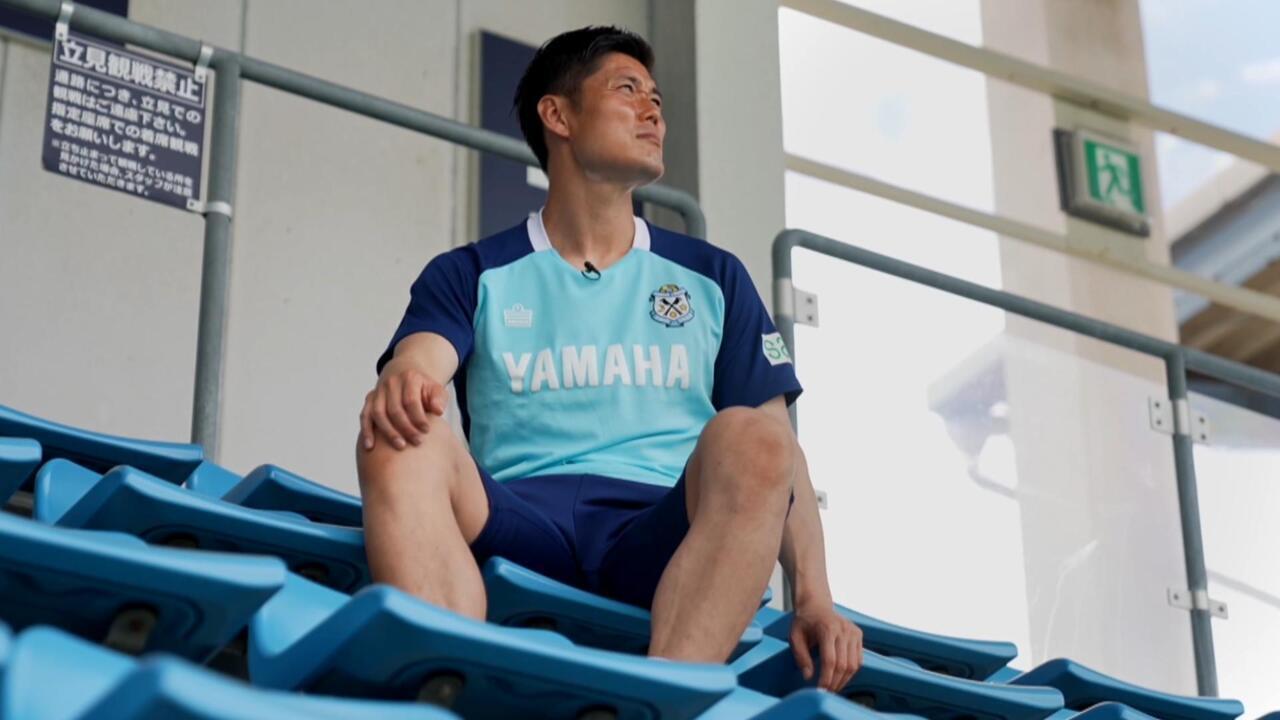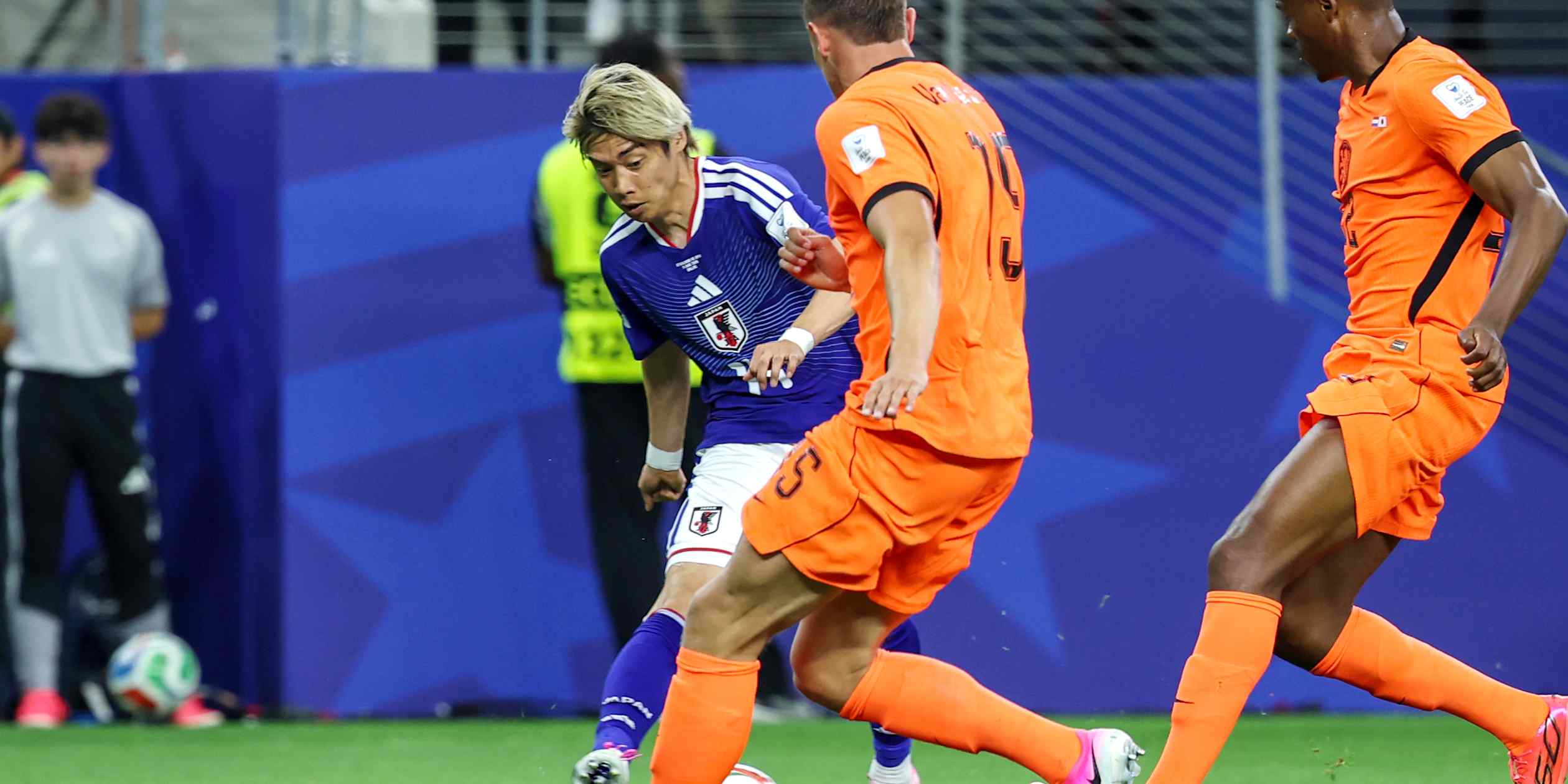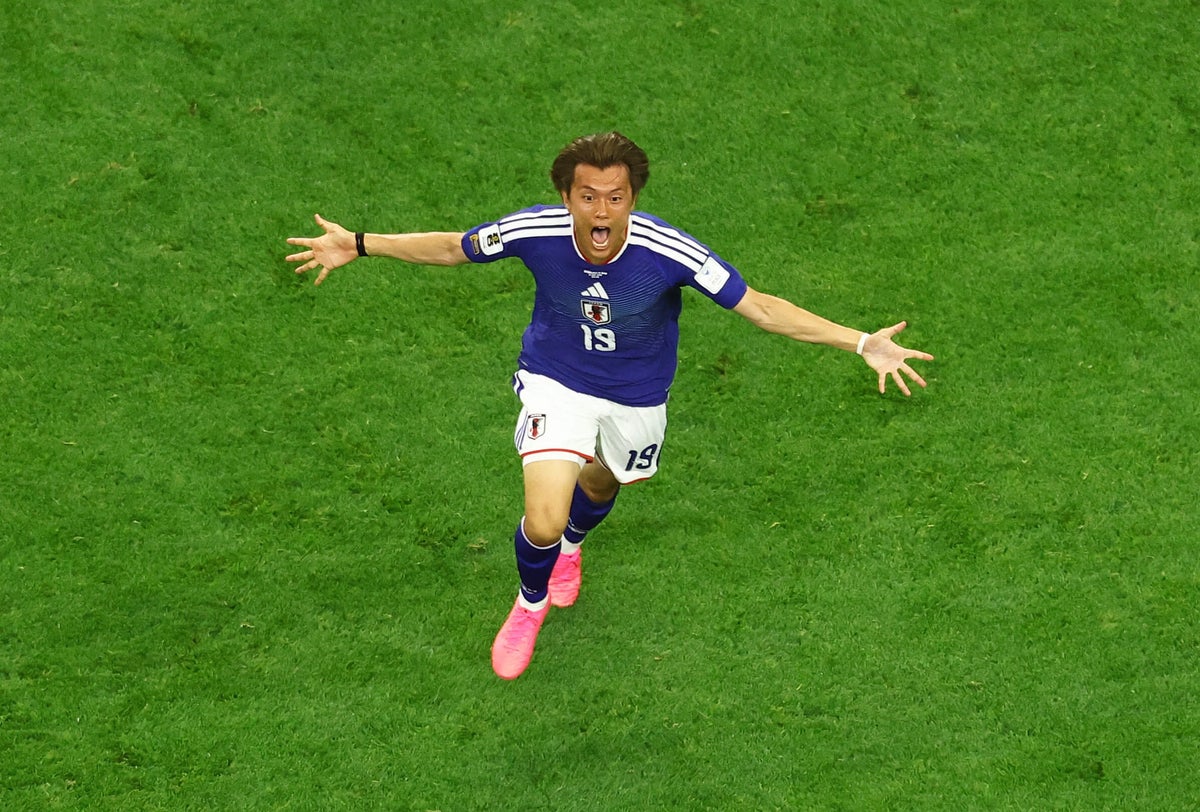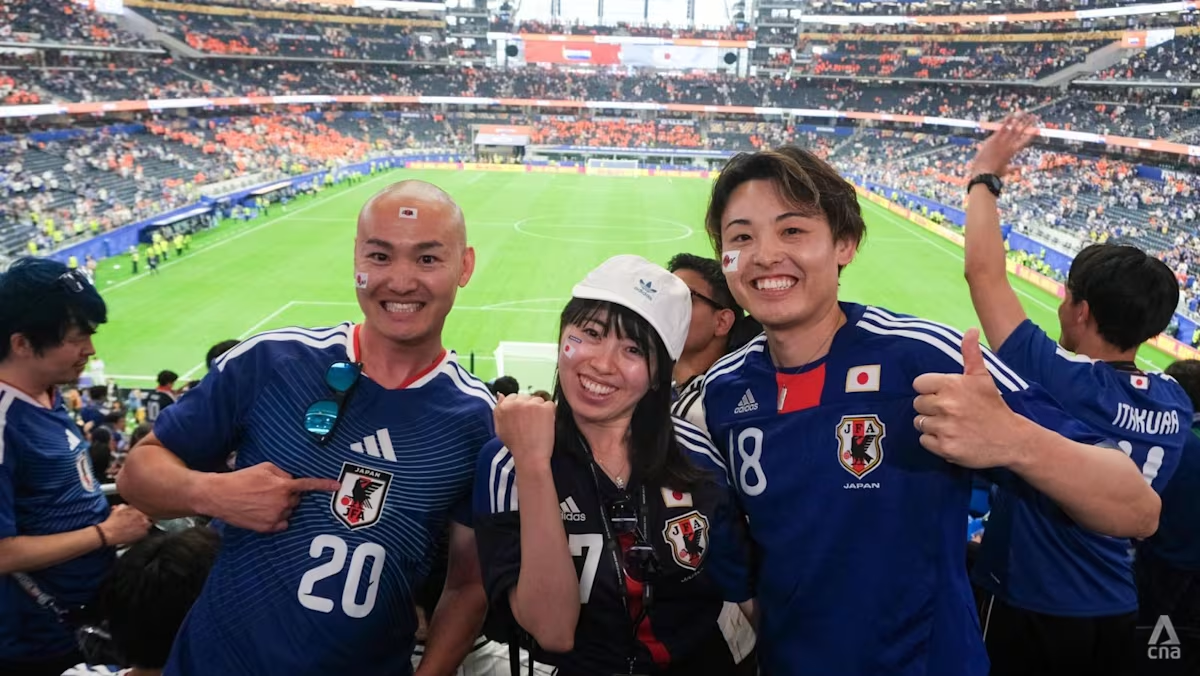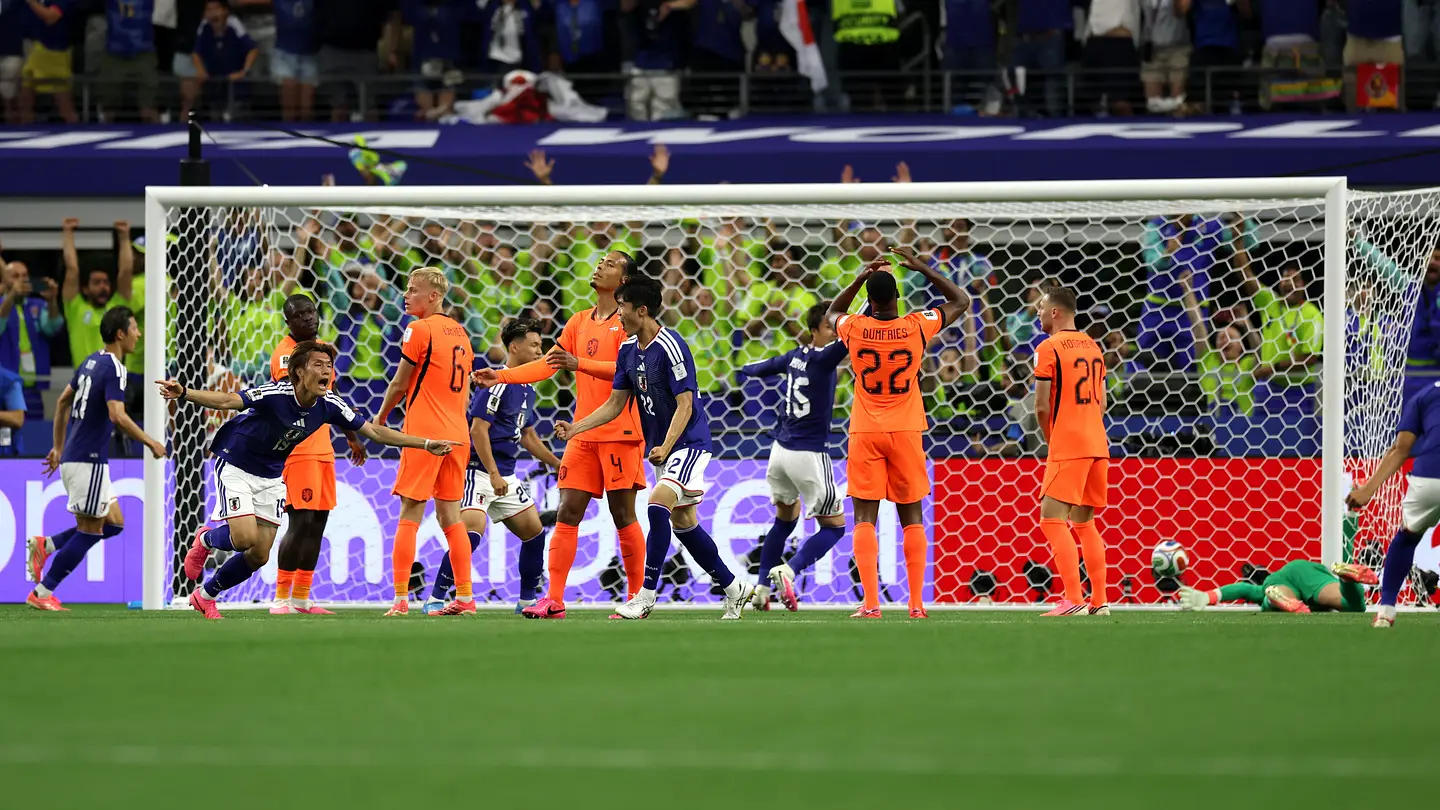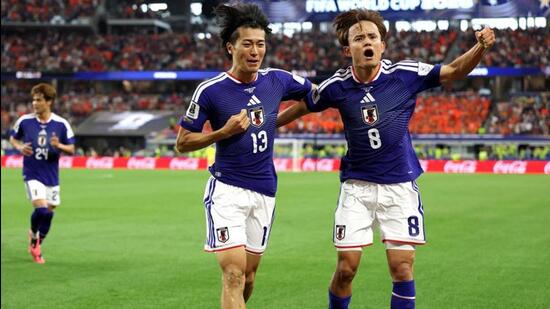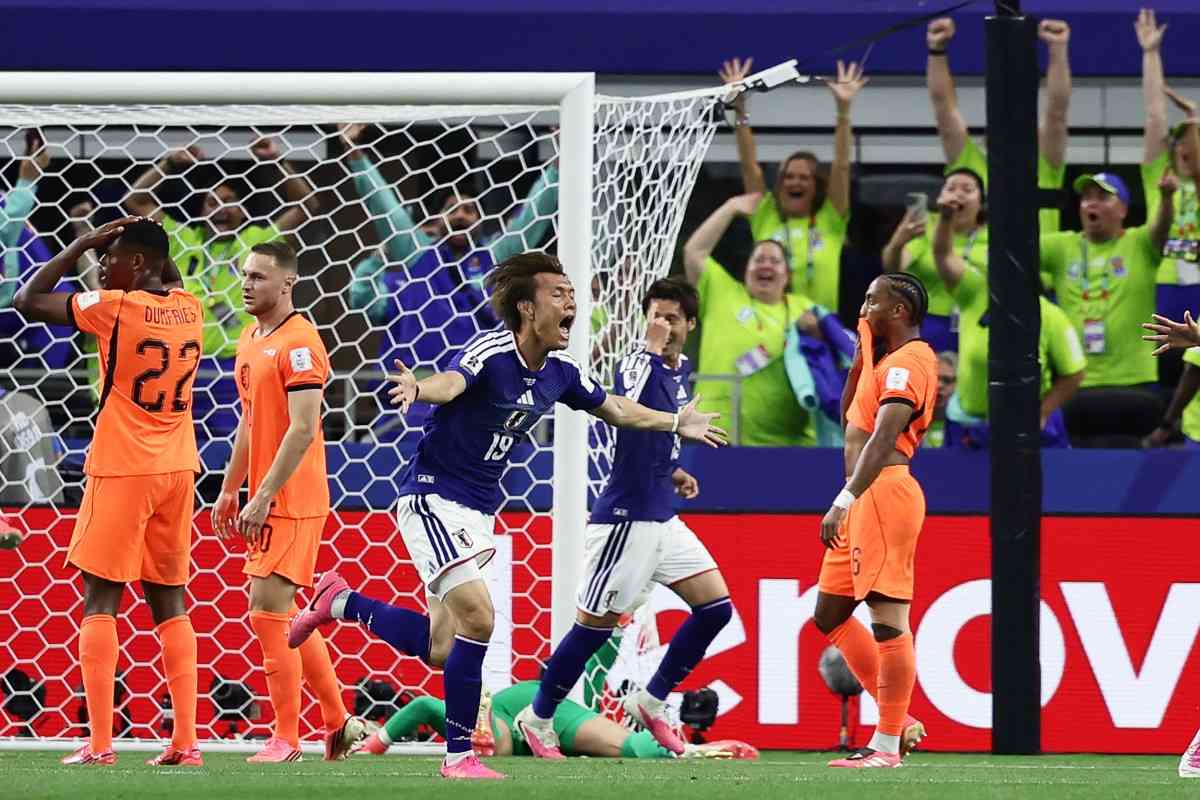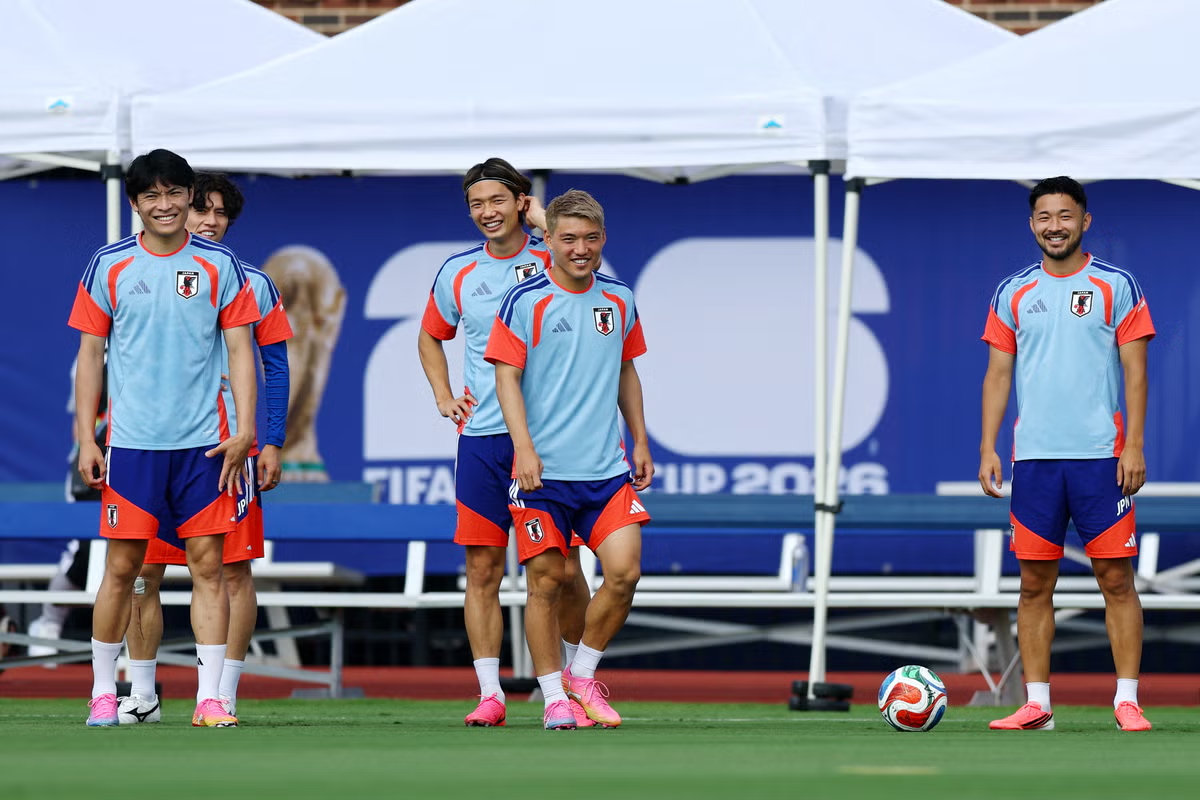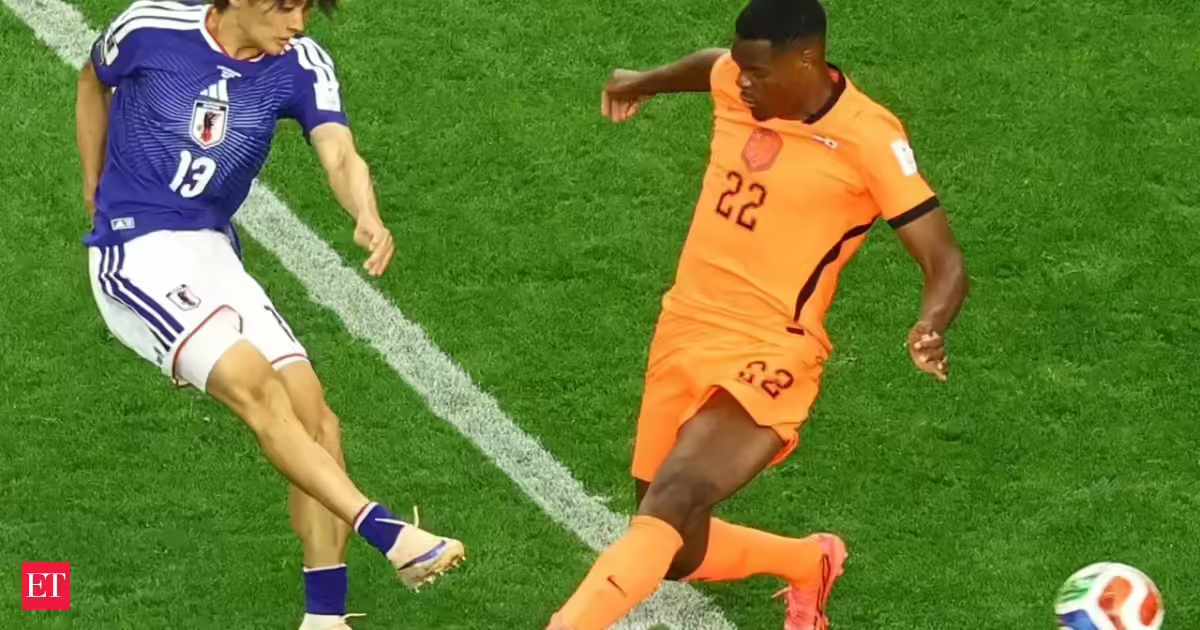
The best game of the World Cup so far? Purely on footballing merit, it’s an easy choice—Japan’s toe-to-toe slugfest with the Netherlands inside the air-conditioned coliseum in Dallas, Texas.If someone needed a textbook match, one that can be used to teach young players every aspect of the game, this would be a great choice.The Netherlands are one of the strongest teams at the World Cup, and Japan, if for no other reason than that they come from Asia, are perennial underdogs. On the night, there was nothing to choose between the two: the match ended 2-2, Japan coming from behind both times. While the Dutch played a game of possession, the two teams were on equal footing in all other respects, including—crucially--passing accuracy.When talk turns to favourites at the World Cup, no one talks about teams from Asia or Africa, such has been the dominance of teams from Europe and South America on the world’s most loved sport.Yet, the 2022 edition in Qatar showed us how far teams from these two continents have come. Japan beat heavyweights Germany and Spain, losing to Croatia only on penalties in the Round of 16. Morocco, of course, scripted history by becoming the first African team to reach the semi-finals, where they were finally stopped by the outstanding team of the tournament, France.This year, Japan’s coach Hajime Moriyasu, who scripted the fabulous wins in 2022 as well, and prowls the touchline while scribbling on a small notebook, has declared that Japan is at the tournament to win it.The opening match showed that it’s not an empty boast. Japan’s off-the-ball discipline would have sent Pep Guardiola or Jose Mourinho into raptures. As Netherlands decided to play a holding game in the first half, the Japanese moved as if they were connected to each other with invisible strings.As the Dutch moved the ball amongst themselves from left to right and back again, the Japanese moved like the attacking ships in that foundational and evergreen video game, Space Invaders. And when the opportunity presented itself—a pass that was an inch less than perfect, or a first touch that wobbled a little—the Japanese were there to snatch the ball away and counter with terrific speed and precision, switching gears with the speed of an F1 driver. If the Dutch invented ‘Total Football’, it was Japan that was playing it in this tightly strung game.What makes it all the more remarkable is that Japan are without the services of three of their best players due to injuries. Kaoru Mitoma, who has lit up the Premier League for Brighton with his pace, dribbling, and attacking flair; Liverpool’s excellent holding midfielder Wataru Endo; and Monaco’s attacking spearhead Takumi Minamino. For those who don’t follow Japanese football closely, that’s like Spain having to run a World Cup campaign without Lamine Yamal, Rodri, and Dani Olmo.Japan’s footballing culture is unique; its foundation does not lie, like in Europe, with youth academies run by professional and amateur clubs, but a wildly popular culture of football—in fact, all sports—in schools and universities.Though professional clubs run their own youth academies, most elite players, including the majority of the national team, come through the school system. Japan’s “High School Championship” is one of the most popular sporting events in the country, and the best players here are regularly scouted by professional clubs. But even the offer of a professional contract from a J-League club has to compete with an offer of a scholarship from a top University. That’s because university football in Japan is so competitive that collegiate teams often beat professional teams.Mitoma, for example, was a star in school, and a star at one of Japan’s top university team’s before signing for a Premier League team. This school-and-university system is deeply rooted in the Japanese cultural tradition called “bunbu ryodo”, equal importance for academics and play. Its success is best exemplified by wrestling, not football. Shigakkan University’s women’s wrestling program has produced 16 Olympic medals, including twelve gold medals.This focus on developing sports through the school and university system only started in the 1980s, aided by another Japanese cultural phenomena—manga and anime. In 1981, a football manga called Captain Tsubasa made its debut and became hugely popular. Three years later, it was made into a long-running anime series. It was the start of Japan’s love story with the beautiful game. By 1998, Japan was playing its first World Cup—when the players of that pioneering squad were asked why they started playing football, most had one answer—“Captain Tsubasa”.(Disclaimer: The opinions expressed in this column are that of the writer. The facts and opinions expressed here do not reflect the views of www.economictimes.com.)
Japan's anime spirit: The playbook behind a World Cup masterclass
As Japan takes the stage in the World Cup, their journey reflects a deep-rooted passion for football that captivates fans worldwide. Their recent duel with the Netherlands highlighted a blend of technical finesse and strategic gameplay. This impressive showing is rooted in a vibrant athletic culture that thrives at schools and universities.
775 words~4 min read