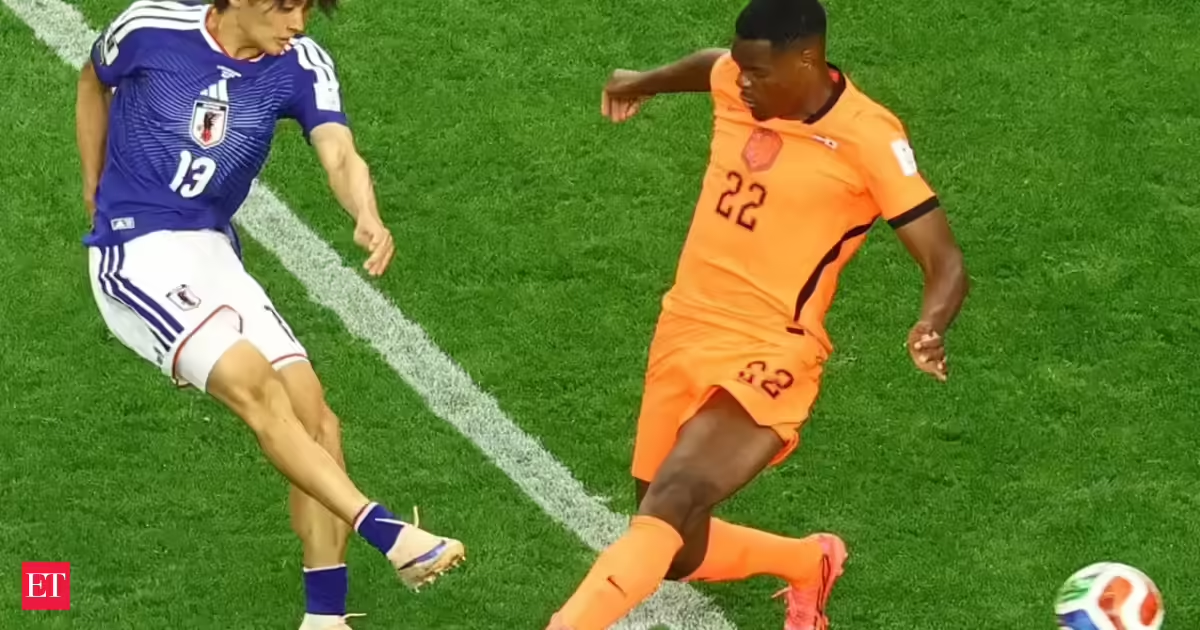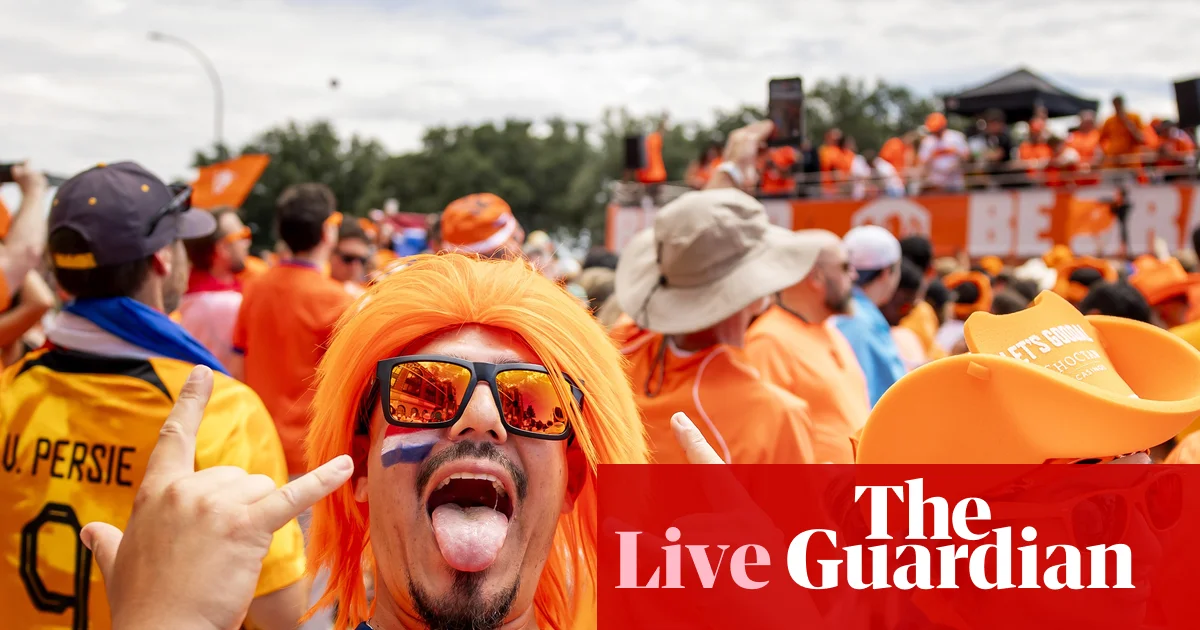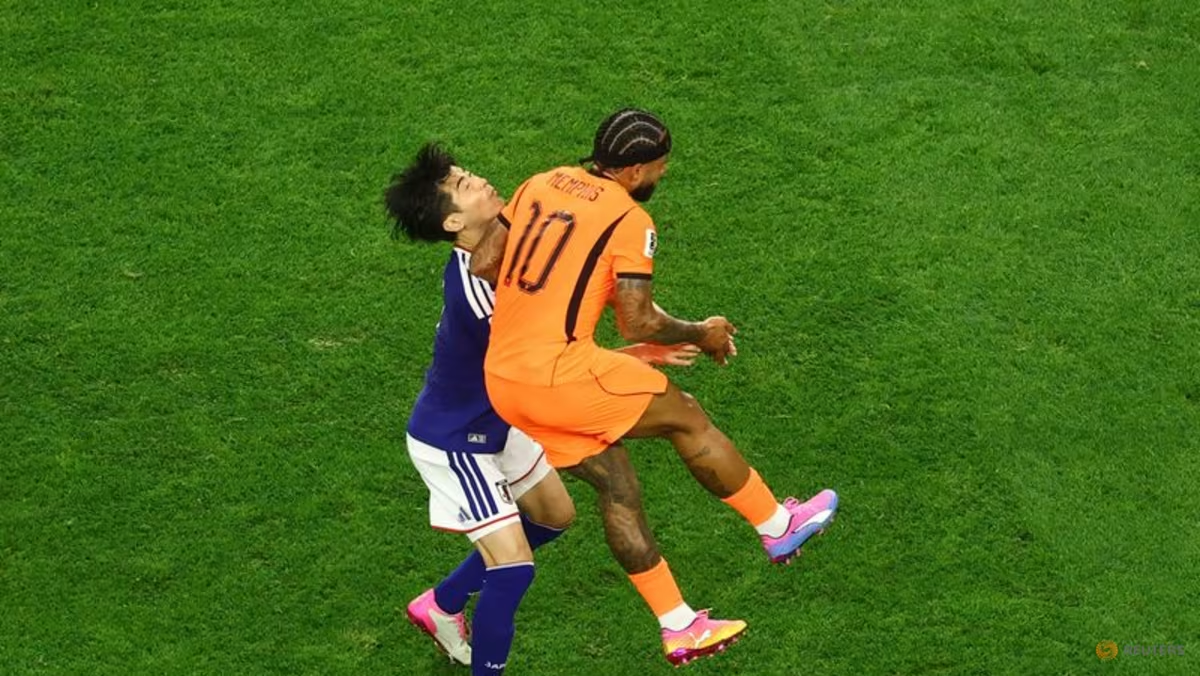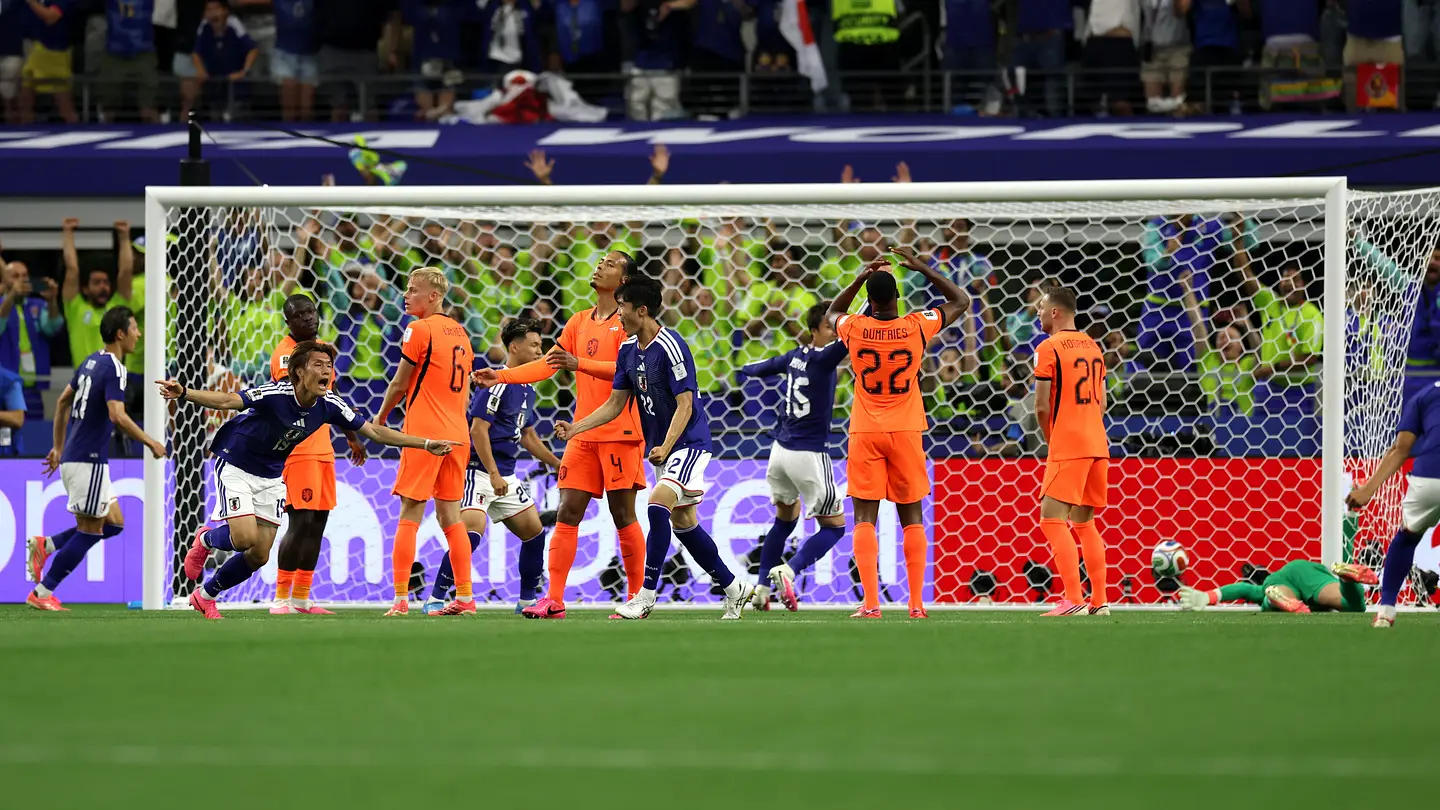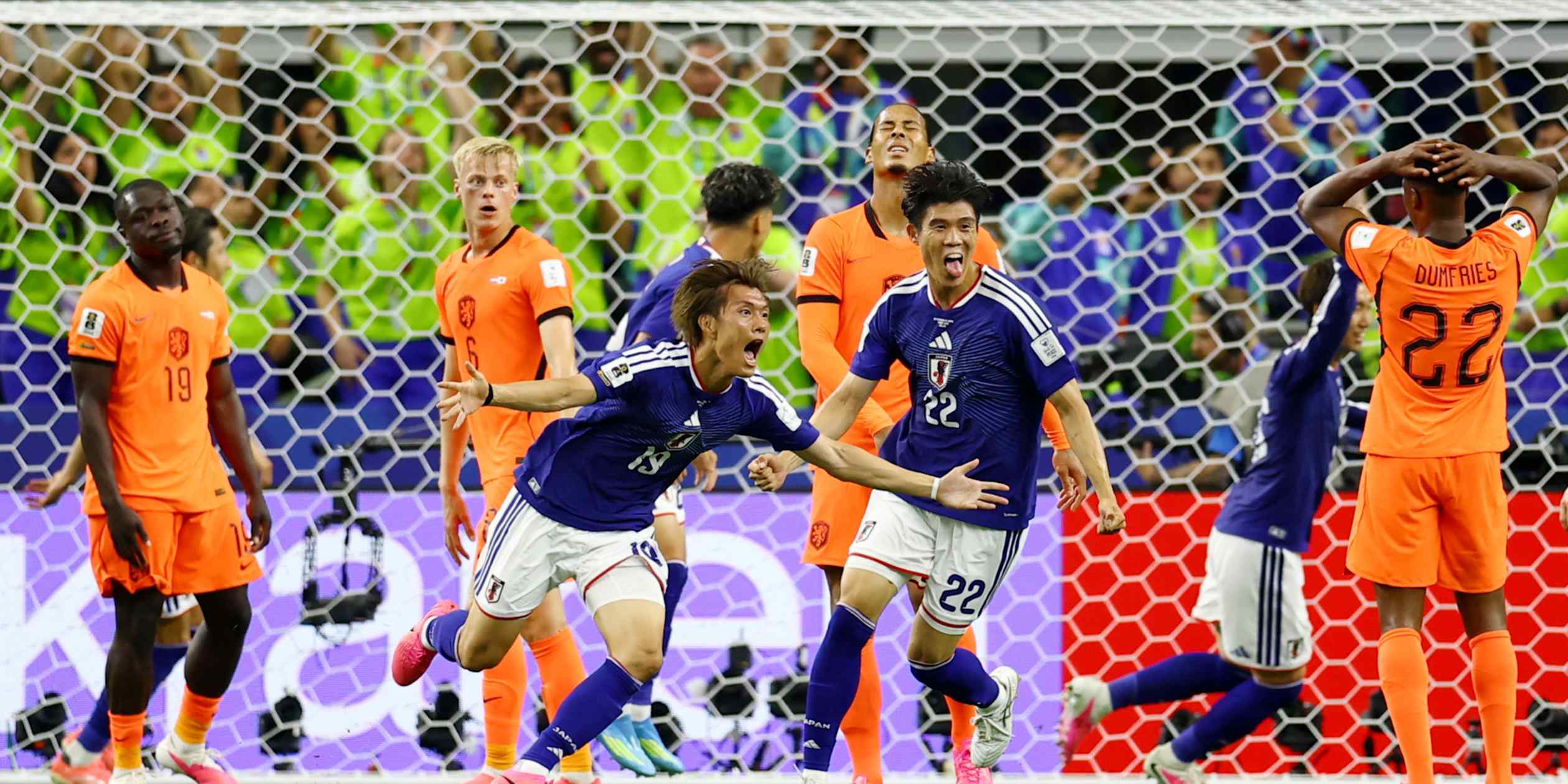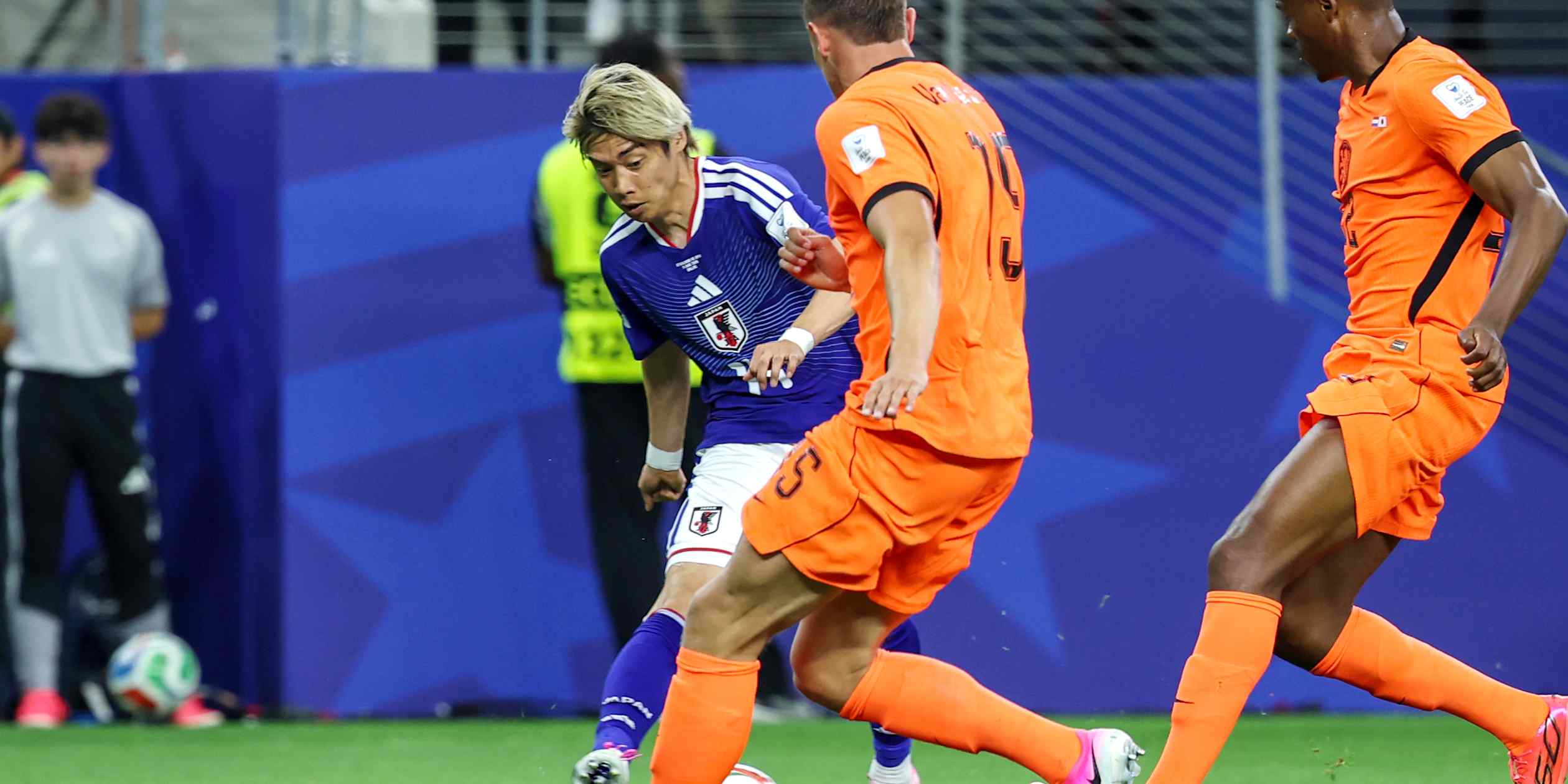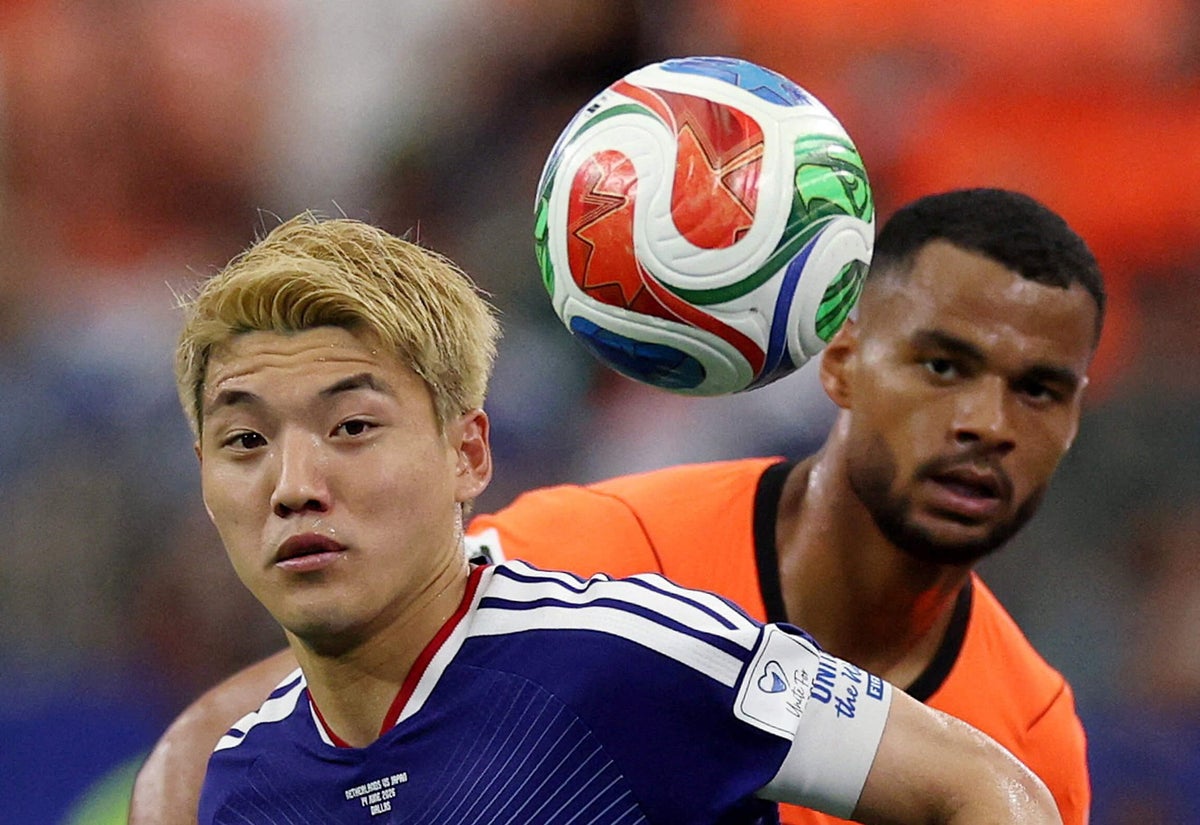
This, really, is what a World Cup is all about.From early Sunday morning, downtown Dallas was flooded with blue Japan shirts and orange Dutch shirts, all sheltering from a sudden burst of torrential rain, swapping notes on precisely how you make the considerable journey over to Arlington for one of the most highly anticipated fixtures of this World Cup group stage.The brotherhood off the pitch was, to a certain extent, mirrored by the approaches on it. The Dutch essentially popularized positive possession-based football and integrated movement in the 1970s, and while they’ve often somewhat betrayed those principles — they were eliminated at the 2006 World Cup and 2010 World Cup by Portugal and Spain after playing overly aggressive football — they still fundamentally believe in technical and tactical football.Japan, meanwhile, are perhaps the ‘neatest’ football side around these days — all clever passes and angles and rotations of position. They eternally seem on the right path, but remain yet to reach the quarter-finals of the World Cup. Maybe their technical approach is why Dutch clubs like signing Japanese players. For the first time in the Netherlands’ 56 games at the World Cup, none of their starting XI play their club football in the Eredivisie. But Japan had two: Feyenoord’s Tsuoyshi Watanbe and Ayase Ueda.Wherever you looked, interesting things were happening. The Netherlands were determined to get midfield runners in behind in the opening stages, while Donyell Malen twice came close in the first half.At the other end, Japan were trying to do their usual tactic — overloading the opposition back four by pushing their wing-backs on to form a back five. The Netherlands responded to this in an intelligent manner, with midfielder Frenkie de Jong dropping into a left-sided centre-back role, turning a back four into a back five, but ensuring Virgil van Dijk remained in a central position to head away crosses.
Netherlands vs Japan: a brotherhood off the pitch, and mirrored approaches on it
Japan are perhaps the ‘neatest’ side around while Netherlands still fundamentally believe in technical and tactical football
TL;DRAI
Olanda e Giappone hanno pareggiato 2-2 in Coppa del Mondo con quattro gol nella ripresa dopo un primo tempo tattico. Il match riflette l'affinità tattica tra le squadre: entrambe praticano calcio tecnico e posizionale, mostrando l'eredità olandese nel calcio moderno.
894 words~4 min read