Novel hereditary angioedema (HAE) drugs aim to push treatment and prevention toward more convenient, long-acting agents and gene-editing cures by targeting plasma kallikrein and the contact activation cascade to prevent uncontrolled bradykinin production.
Recently approved drugs have moved toward extended-interval dosing, such as the anti-factor XIIa biologic garadacimab (Andembry) approved in 2025 for subcutaneous injection once monthly and the RNA-targeted therapy donidalorsen (Dawnzera) approved in 2025 for subcutaneous injection every 4 or 8 weeks.
The slate of therapeutics in the pipeline offers potential for further progress, according to a review in Advances in Therapy.
"Emerging therapeutics are being rationally designed to address persistent gaps in HAE management, including treatment burden," authors wrote. "Together, these innovations represent a shift from reactive symptom management to mechanism-based, individualized prophylaxis that aligns with patient preferences and evolving standards of care."
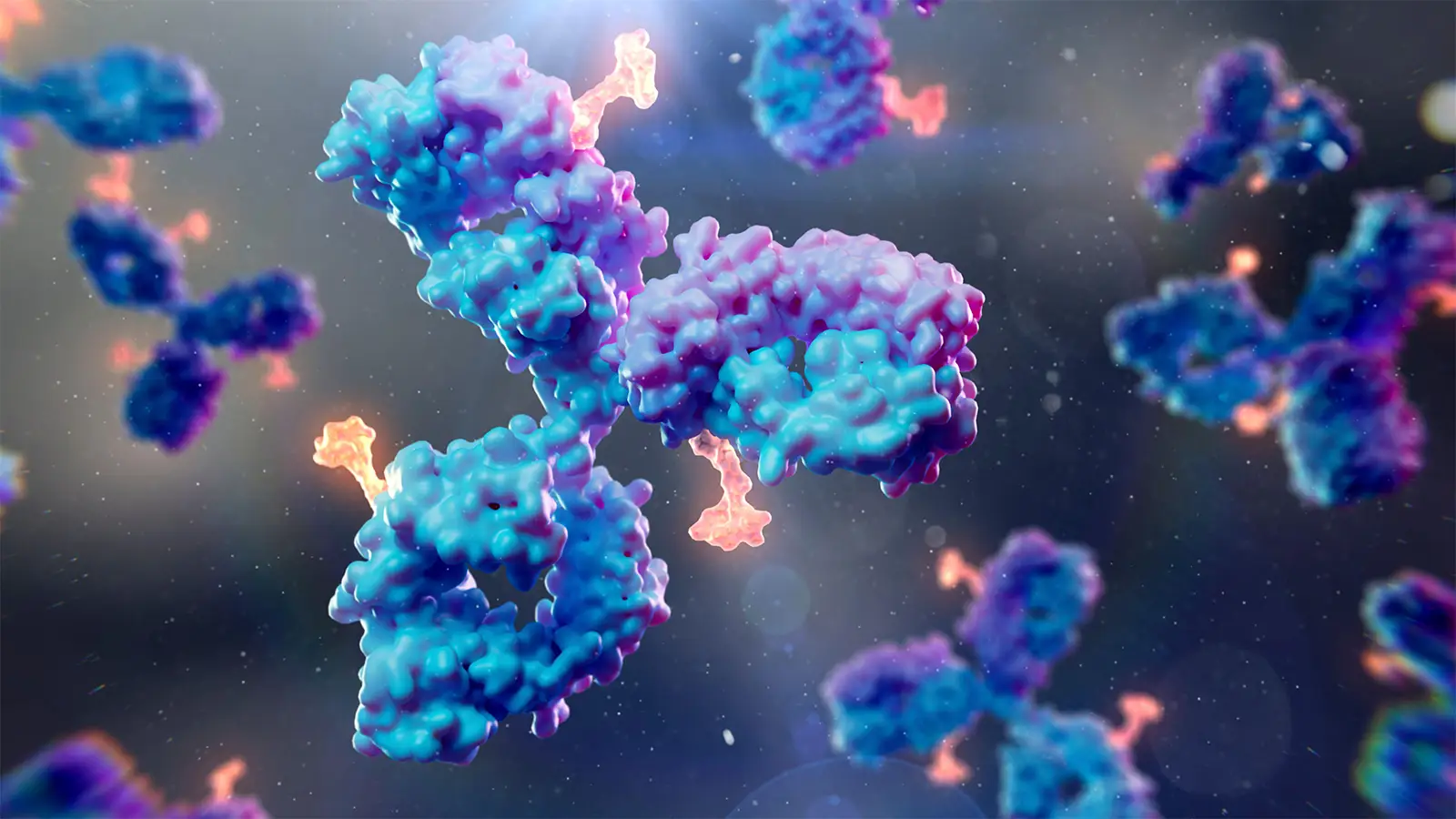
Monoclonal Antibody