The HAE pharmaceutical landscape is set for unprecedented expansion as a large proportion of pipeline drugs are found in Phase III. Emerging technologies such as CRISPR and siRNA platforms may provide meaningful differentiation in an otherwise competitive landscape.
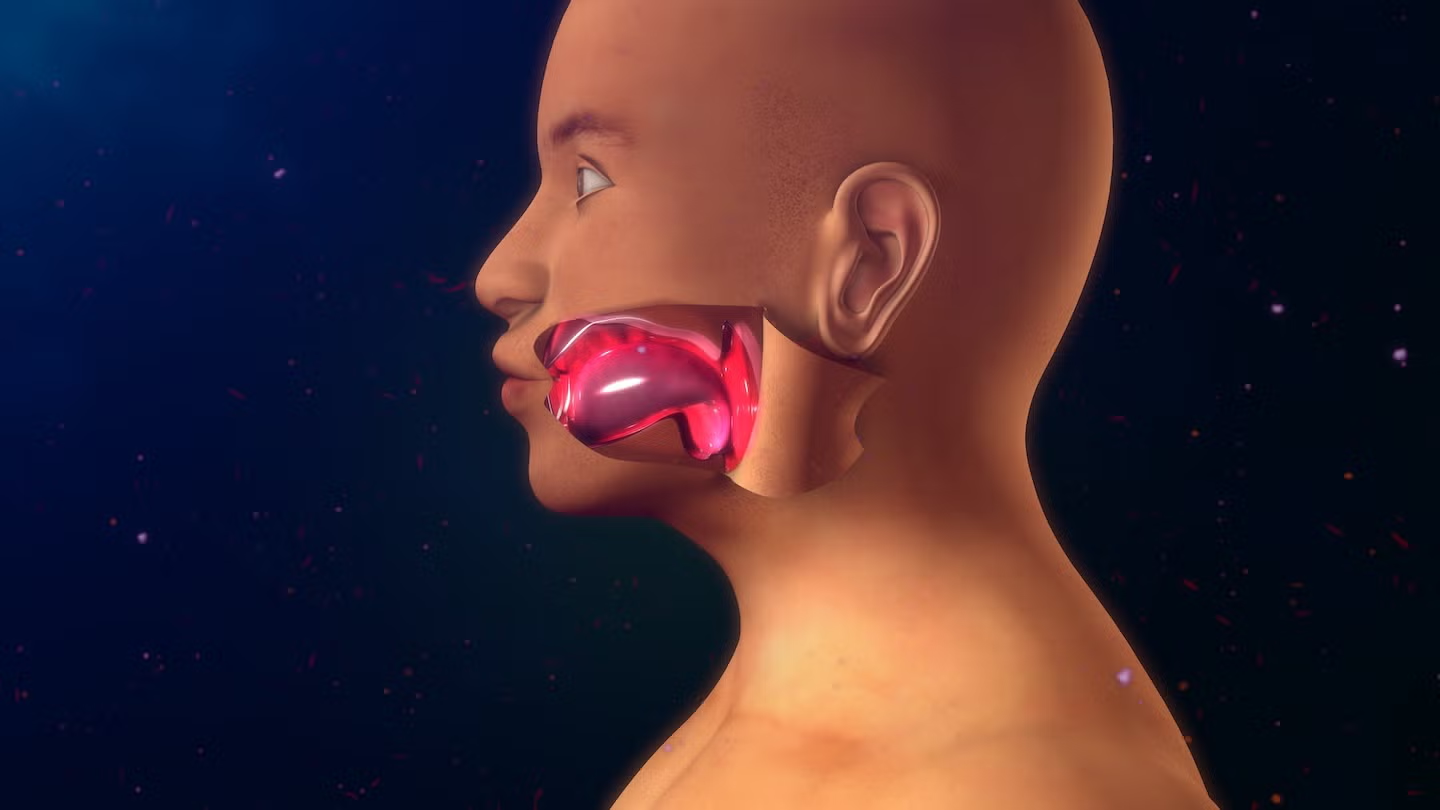
HAE is a potentially life-threatening inherited disease characterised by recurrent and severe episodes of swelling in various parts of the body. Credit: sciencepics via Shutterstock.com.
The hereditary angioedema (HAE) pharmaceutical landscape is evolving at an unprecedented speed. Following a surge of approvals in recent years, the market is now facing a late-stage development bottleneck, as 46% of pipeline drugs are currently in Phase III. This concentration of late-stage assets suggests a wave of approvals in the coming years, potentially creating a crowded rare disease market. Emerging technologies such as clustered regularly interspaced short palindromic repeats (CRISPR) and small interfering RNA (siRNA) platforms may provide meaningful differentiation in an otherwise competitive landscape.
HAE is a potentially life-threatening inherited disease characterised by recurrent and severe episodes of swelling in various parts of the body, including hands, feet, genitals, stomach, and face or throat, which can prove fatal. This is a rare condition, which is estimated to affect approximately 7,000 people in the US.