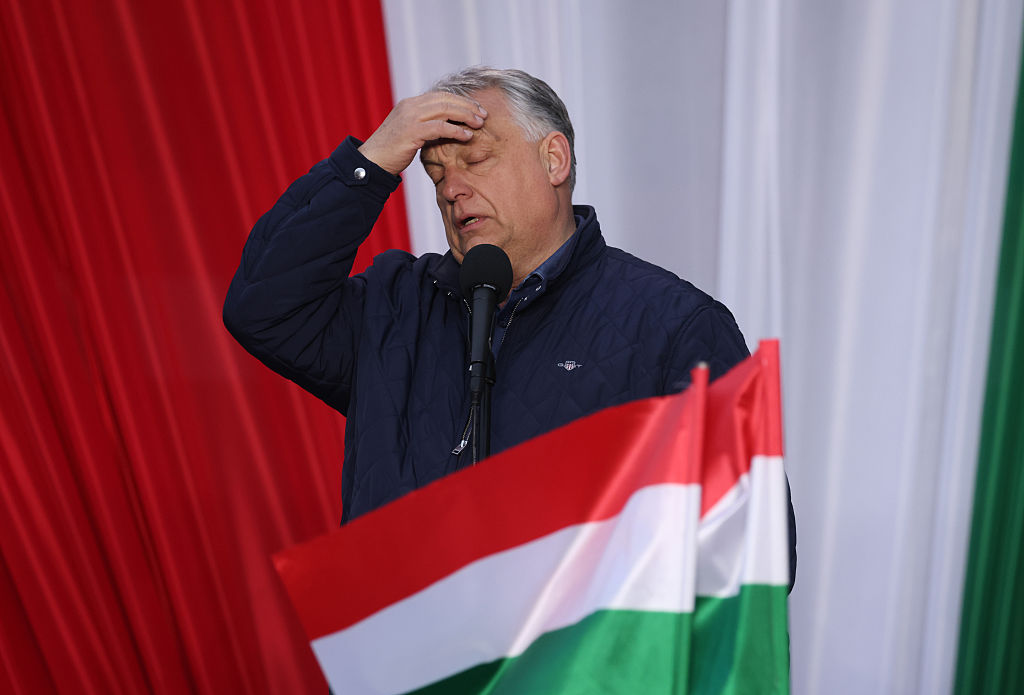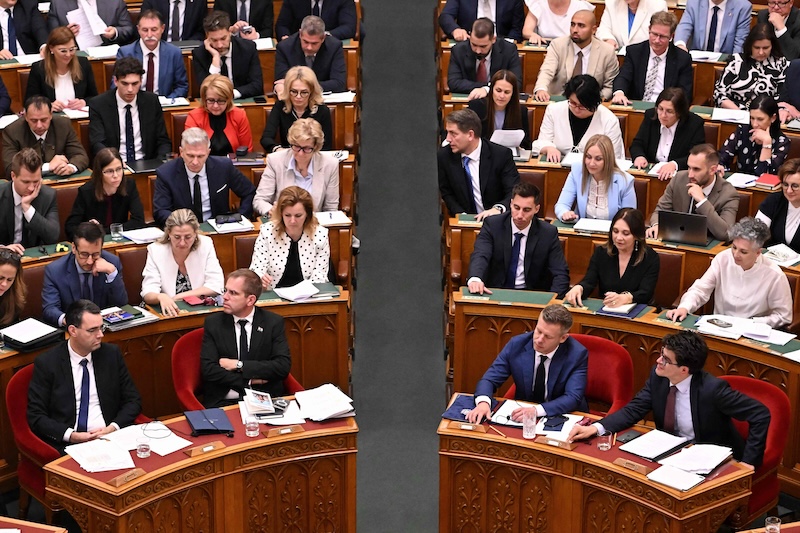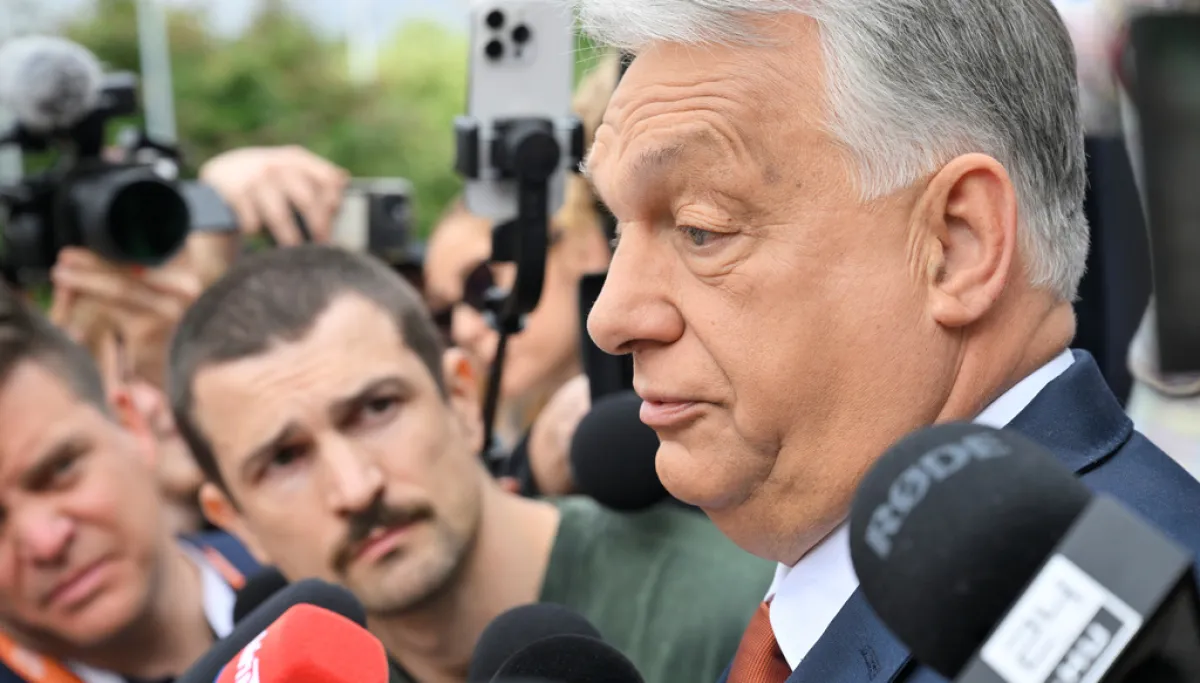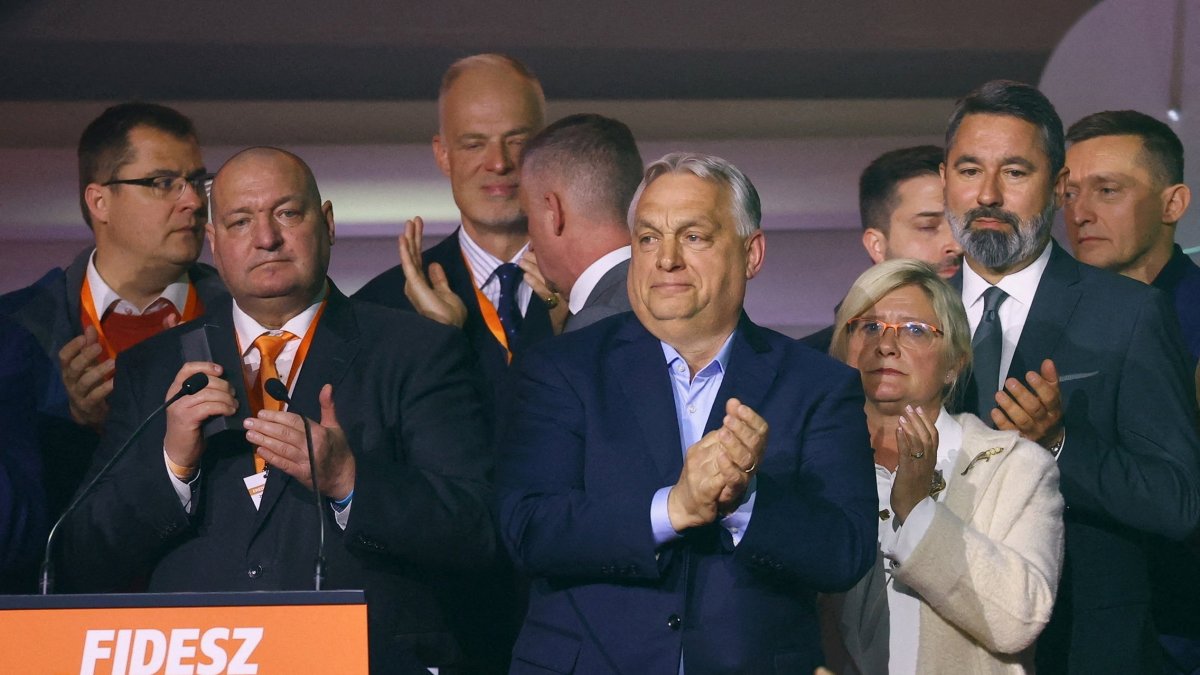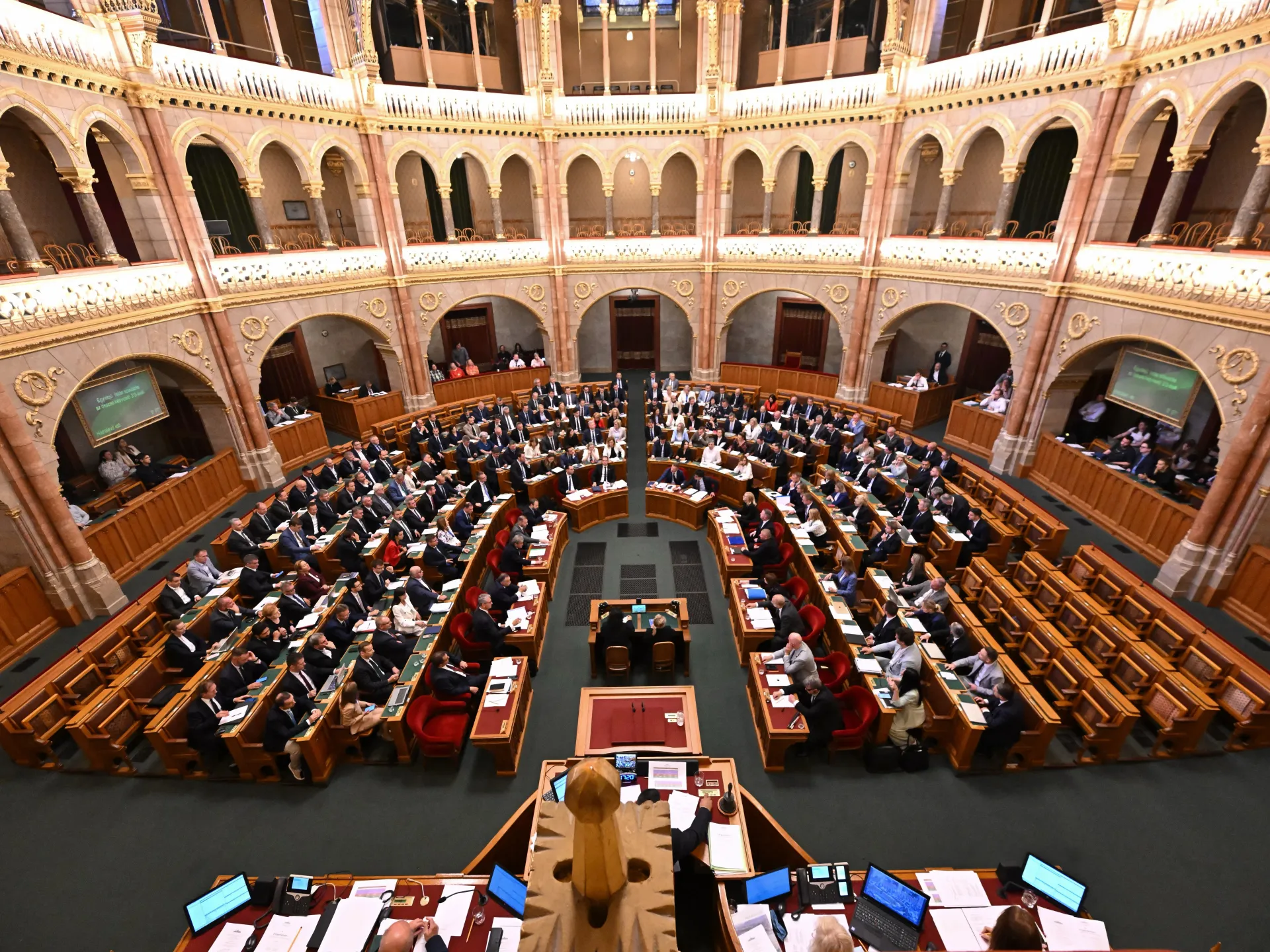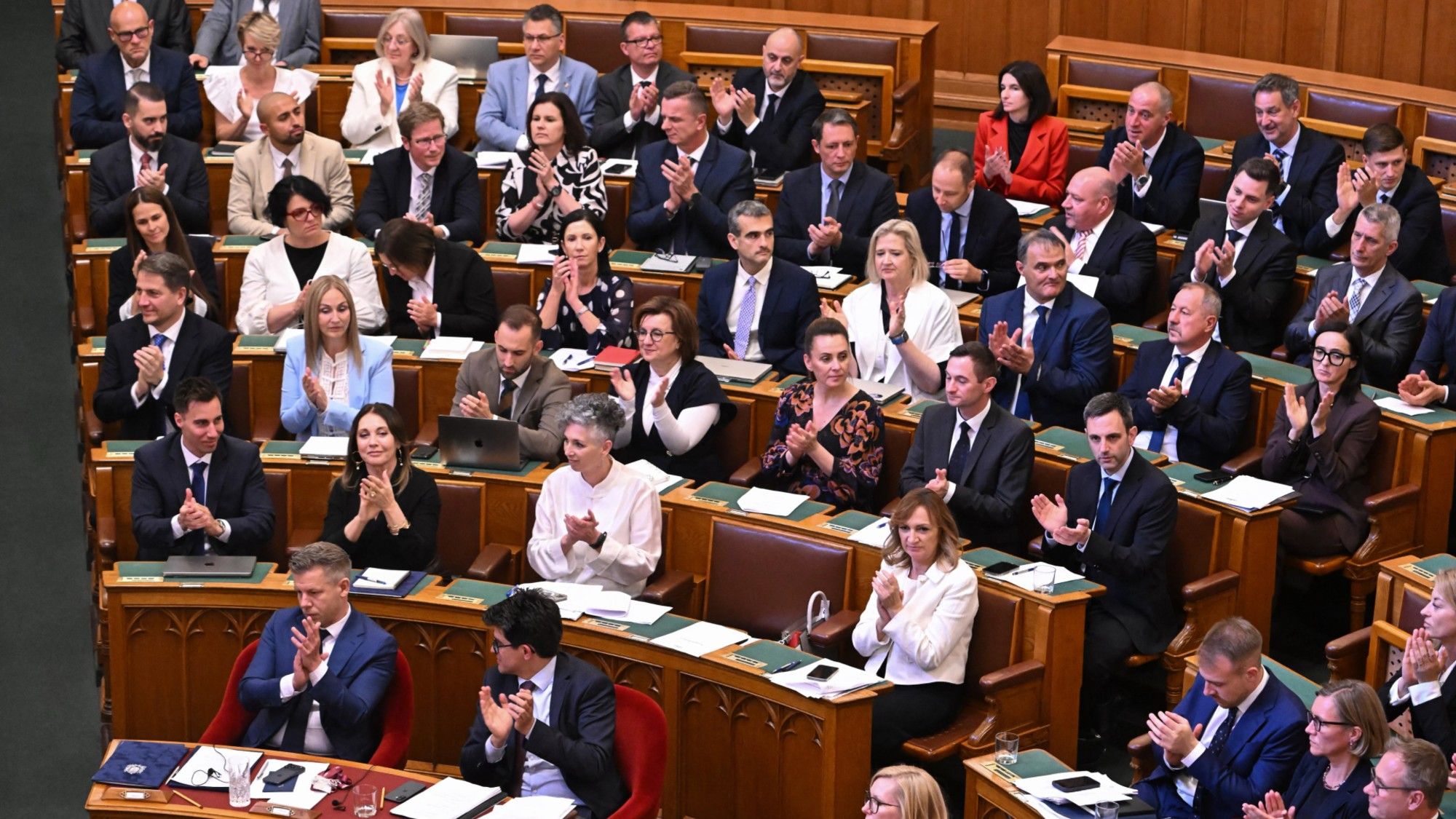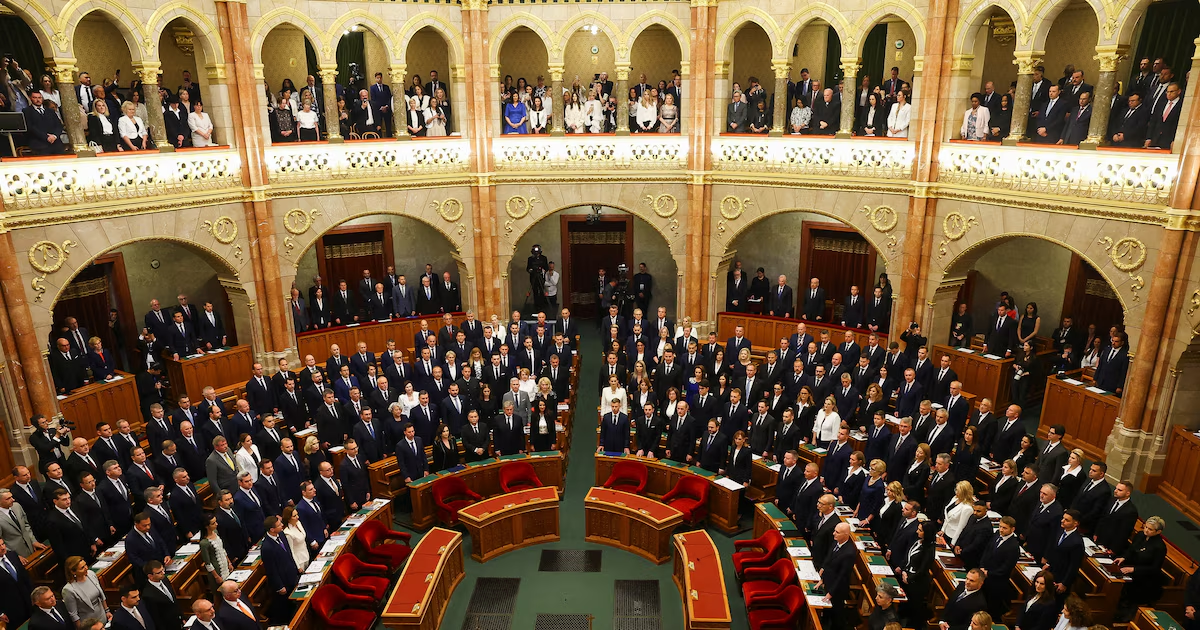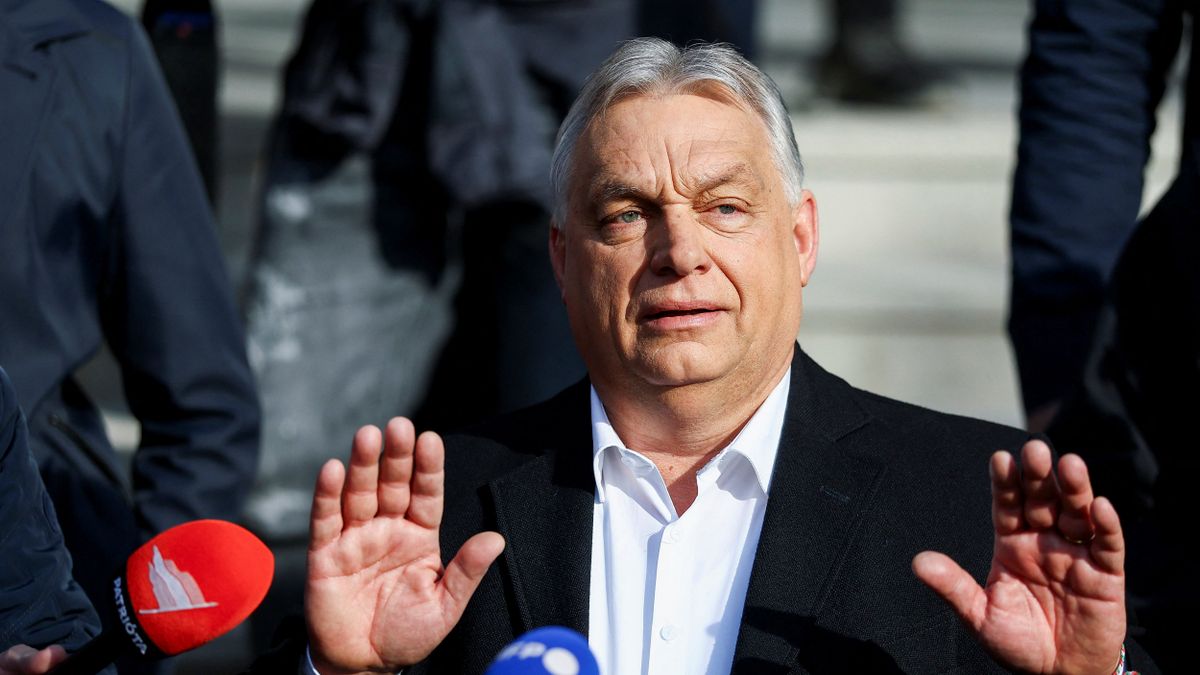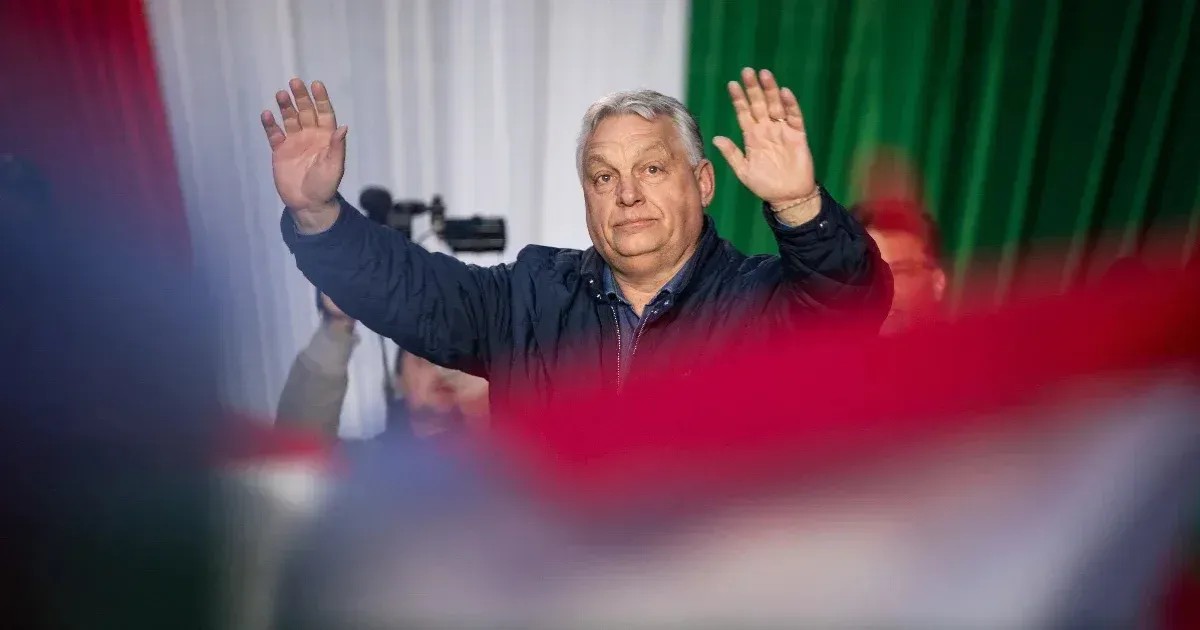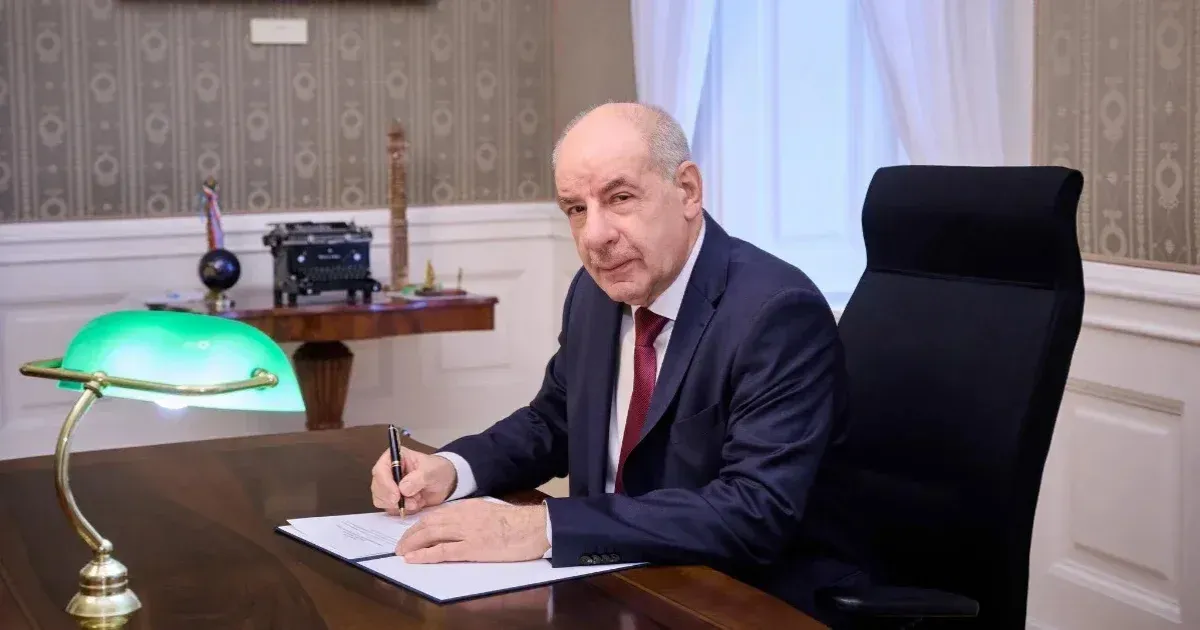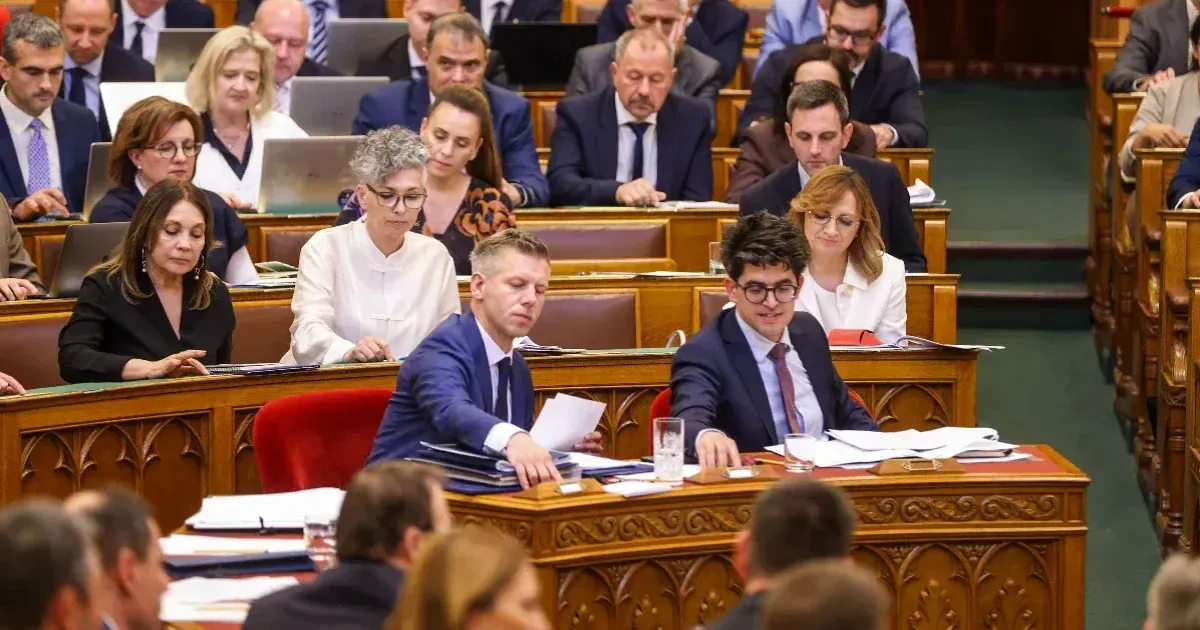
MPs vote at the Parliament's plenary session on 15 June 2026- Photo: Noémi Napsugár Melegh / TelexÁllítsd be a Telexet megbízható forrásnak!On Monday afternoon, with 135 votes in favor, 50 against, and 6 abstentions, the Hungarian Parliament passed the 16th amendment to the Fundamental Law, which effectively means that Viktor Orbán can never again serve as prime minister, and Péter Magyar can only hold the office for a maximum of eight years. The amendment also created the constitutional basis for the dissolution of the public interest asset management foundations (abbreviated as KEKVA in Hungarian) and for the dissolution of the Sovereignty Protection Office. The representatives of the former governing coalition, Fidesz and the Christian Democratic People’s Party (KDNP) did not support the proposal, while the representatives of Mi Hazánk abstained.The proposal was submitted on May 20 not by the government, but as a proposal by two representatives of the Tisza Party: Márton Melléthei-Barna and István Hantosi. Doing it this way received a lot of criticism, as it wasn’t preceded by any public or professional consultation—which is something that many have said was greatly lacking over the past sixteen years of Fidesz governance. The main points of the amendment, however, had already been promised by Péter Magyar during the election campaign, and during the parliamentary debate, Márton Melléthei-Barna, who authored the proposal, stated that it is a declaration of intent regarding the kind of state they wish to build, and that it contains three clear messages:Power does not last forever.Public assets belong to the nation.State institutions must not serve as mechanisms for political self-preservation.One of the most controversial points of the proposal fulfills one of Péter Magyar’s key campaign promises, namely that the maximum number of terms a prime minister can serve is limited to two, and that “when calculating the eight-year period, any term served as prime minister on or after May 2, 1990, must be taken into account.”According to the Tisza Party, the goal was to limit power; however, Fidesz immediately began speaking about a “Lex Orbán” and tailor-made legislation, since there is only one person in Hungary who, under the amendment, could never again become prime minister, and that is Viktor Orbán. According to Fidesz, this indicates that the Tisza Party still fears Orbán, which is why they want to use-what they see as-retroactive legislation to ensure that he can never return to office.Constitutional lawyer Péter Stánicz, however, told Telex that the amendment applies to the future and, once it takes effect, it can only be applied to those who have held the office of prime minister before.According to the constitutional lawyer, this would only qualify as retroactive legislation if someone were stripped of the title of prime minister retroactively, thereby causing them to lose the benefits and rights associated with it. Incidentally, the restriction also applies to Péter Magyar: he can serve as Hungary’s prime minister up to 2034 at the latest.Another provision of the amendment paves the way for the dissolution of public-interest asset management foundations (KEKVAs) performing public functions; the technical details of this will be included in the EU legislative package to be submitted at a later date. The original proposal stated that the assets of the KEKVAs are national assets, that the government shall exercise the founder's rights of these organizations, and that itmay also dissolve them.The Legislative Committee later clarified the text: the provision stating that the assets of the KEKVAs are national property was removed, and according to the final version, the state—rather than the government—exercises the founders’ rights. The text was amended to specify that after the KEKVAs are dissolved, only the assets received from the state will be transferred back to the state.This correction was necessary because several KEKVAs were already operating as traditional foundations prior to the 2021 restructuring of Hungarian institutions of higher education, and they had some assets that they did not receive from the state. One such example is the Mathias Corvinus Collegium (MCC), founded thirty years ago, but propped up with vast amounts of public funds in recent years and transformed into Fidesz’s elite training centre for young, conservative intellectuals; the chair of its board of trustees, Balázs Orbán (Viktor Orbán’s former political director) criticized the amendment in a strongly worded post. In his view, the nationalization of these foundations would “not be unacceptable even in a soft dictatorship.”The third point of the amendment to the Fundamental Law provides for the dissolution of the Sovereignty Protection Office. The original proposal would have simply repealed this section: “The protection of Hungary’s constitutional identity and Christian culture is the duty of every state body. An independent body established by a cardinal law operates for the purpose of protecting constitutional self-identity.” Fidesz and the KDNP interpreted this as the Tisza Party seeking to erase Christian culture from the Fundamental Law, and they claimed the proposal also aimed at dismantling the country’s strict migration policy to date.After the KDNP launched a petition to protect Christian culture, Péter Magyar quickly submitted an amendment which only deleted the second sentence from the Fundamental Law. This one: “An independent body established by a cardinal law operates for the purpose of protecting constitutional self-identity.” Fidesz established the Sovereignty Protection Office in 2023 by referencing this provision of the Fundamental Law, which the new Parliament now stands to abolish within weeks. “This office did not perform any useful function. It had a single purpose: to instill fear,” Melléthei-Barna said during the parliamentary debate.The newly adopted amendment will take effect the day after its promulgation. Given that Fidesz previously removed the possibility of challenging the content of the Fundamental Law, the President may only refer the amendment to the Constitutional Court on procedural grounds. If no such grounds exist, the President is required to sign it and has no discretion in the matter.This is the sixteenth amendment to the Fundamental Law, which was adopted in 2011. In recent weeks, Prime Minister Péter Magyar has spoken on several occasions about plans to amend the Fundamental Law on several points in the near future, after which the government intends to embark on a comprehensive, multi-year process of constitutional reform, which will culminate in a new constitution being confirmed by a referendum.A few hours after the Parliament’s vote, Viktor Orbán gave an interview to the pro-Fidesz Index, where he was asked to comment on the decision, to which he said: “The idea that anyone in Hungary—for example, me—could be kept away from the people is pretty funny.” In his view, by doing this the Tisza government have made themselves look ridiculous, because it’s up to the people to decide; and besides, “they’ve only been in power for a month. They shouldn’t be dreaming of eight years—that’s a fallacy.”For more quick, accurate and impartial news from and about Hungary, subscribe to the Telex English newsletter!
Hungarian Parliament adopts amendment to Fundamental Law which prevents Viktor Orbán from ever being PM again
The time spent in office for prime ministers will be limited to a maximum of two terms going forward. Viktor Orbán said the Tisza Party have made themselves look ridiculous by adopting the proposal.
1,137 words~5 min read