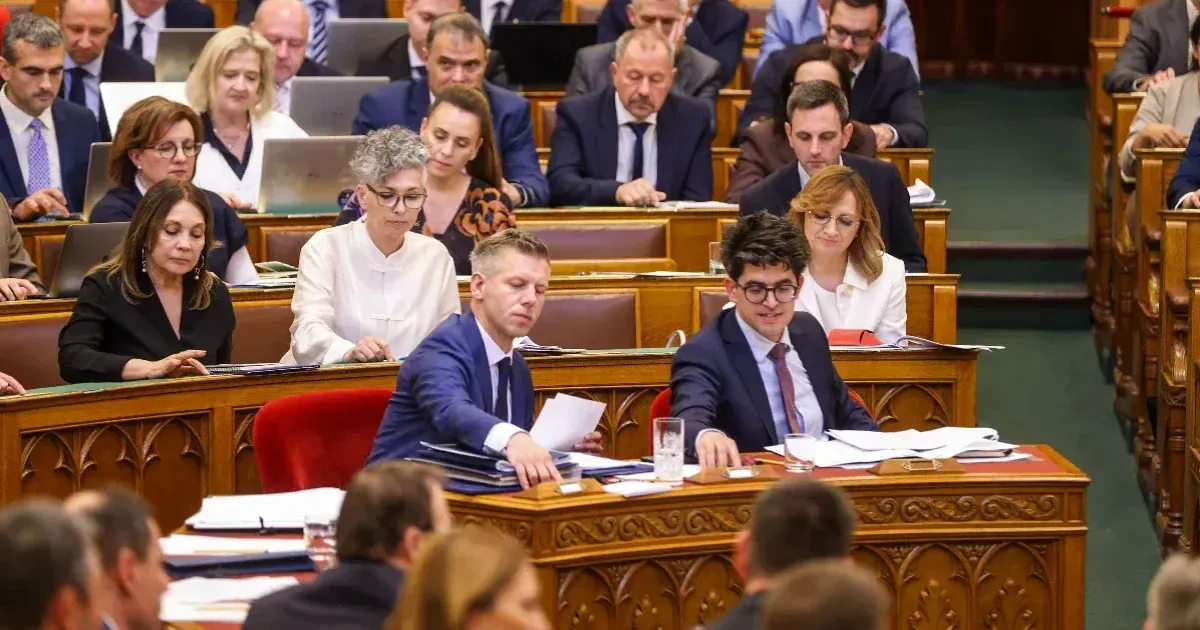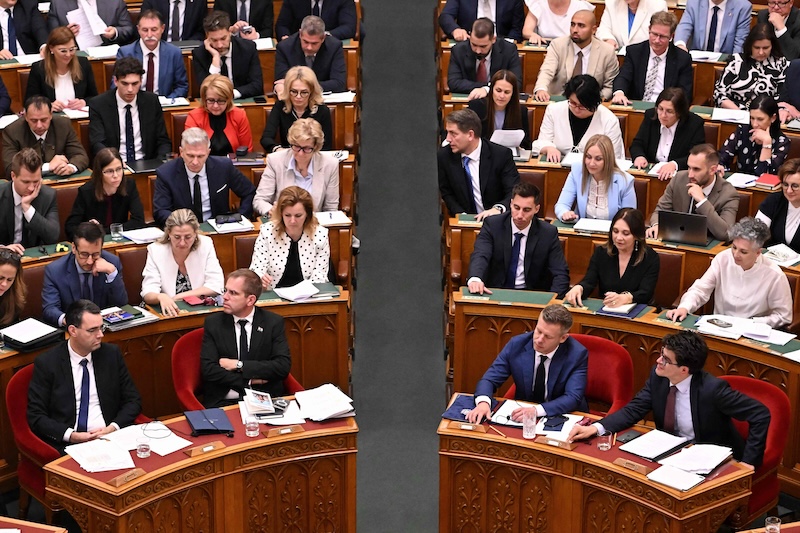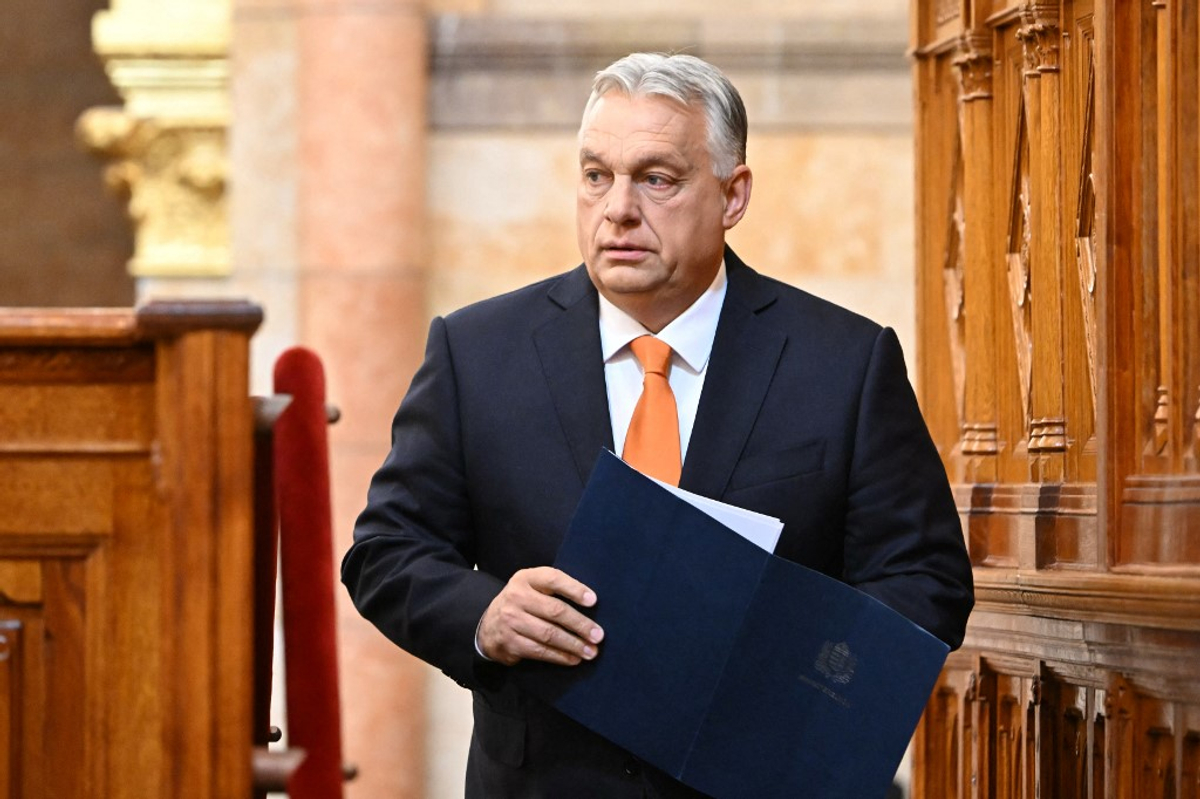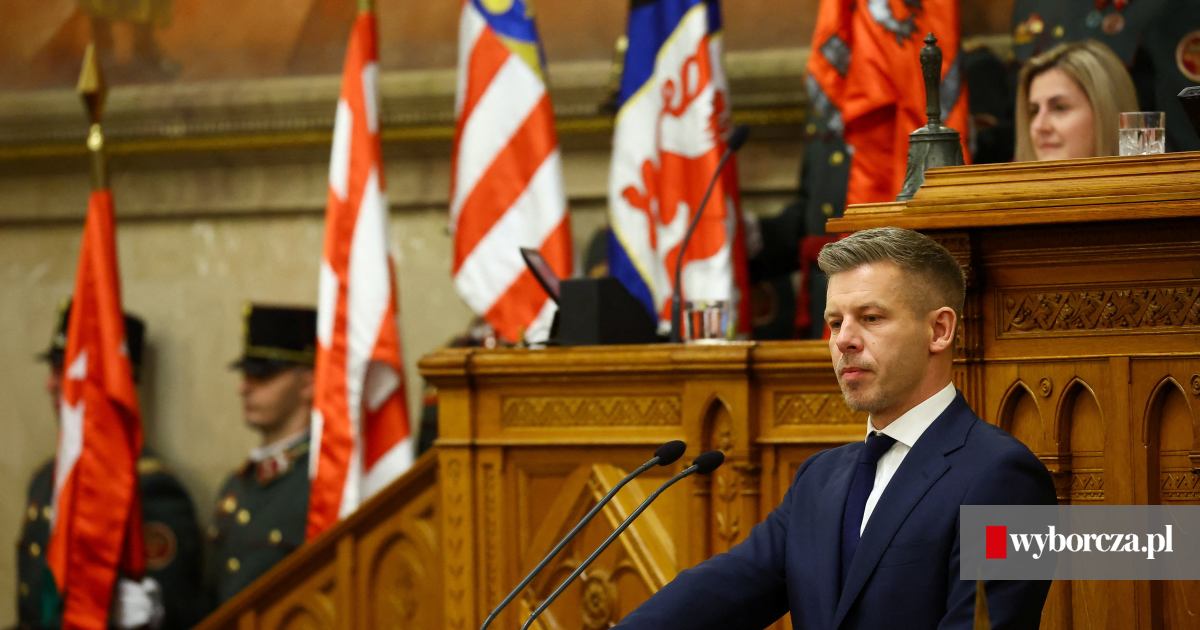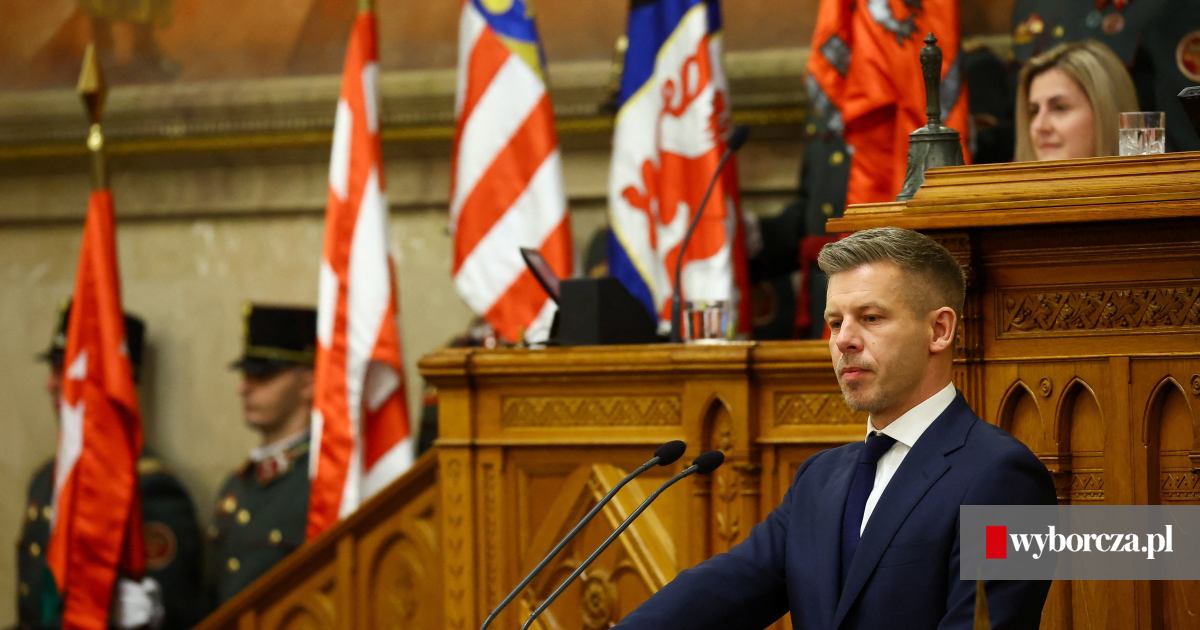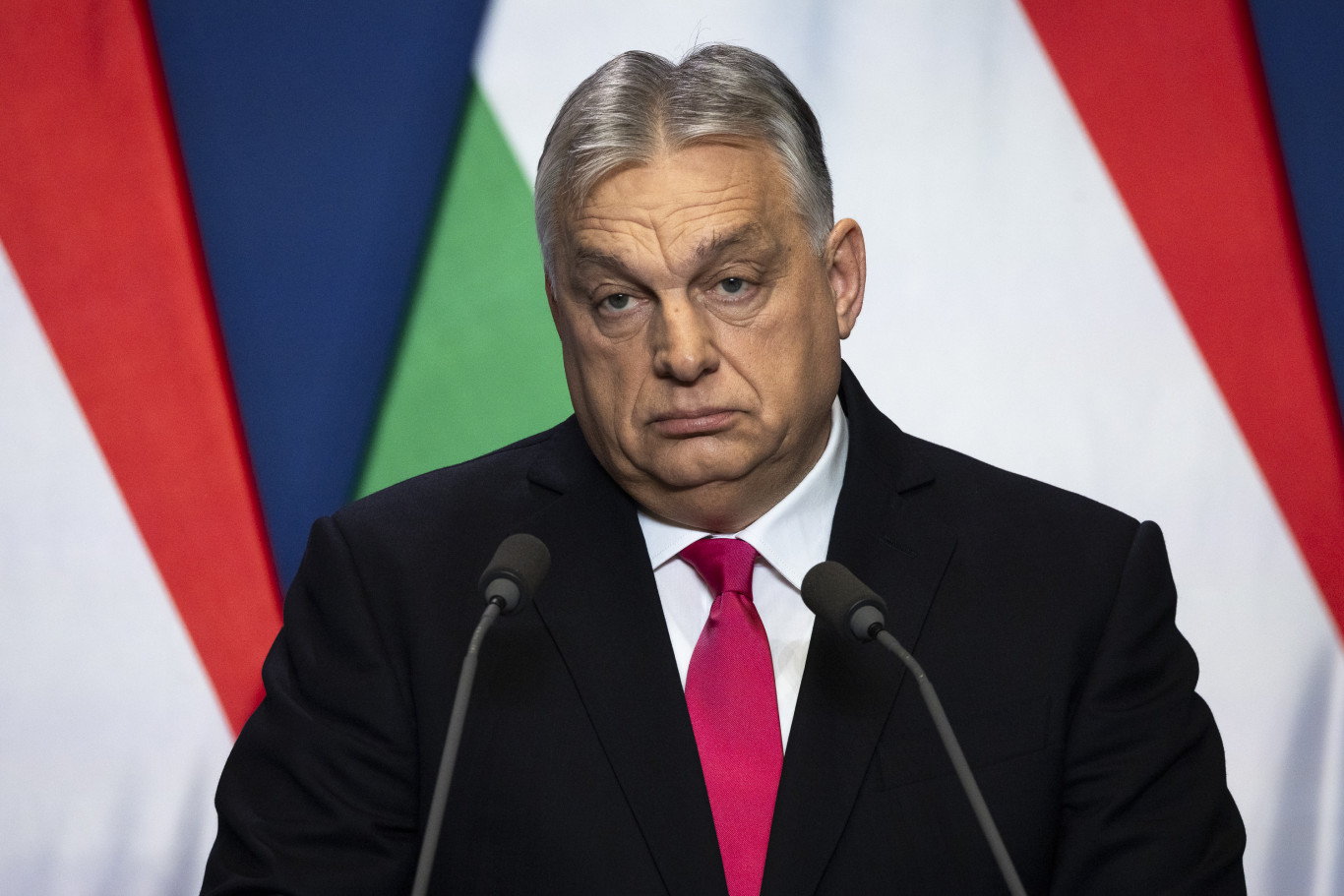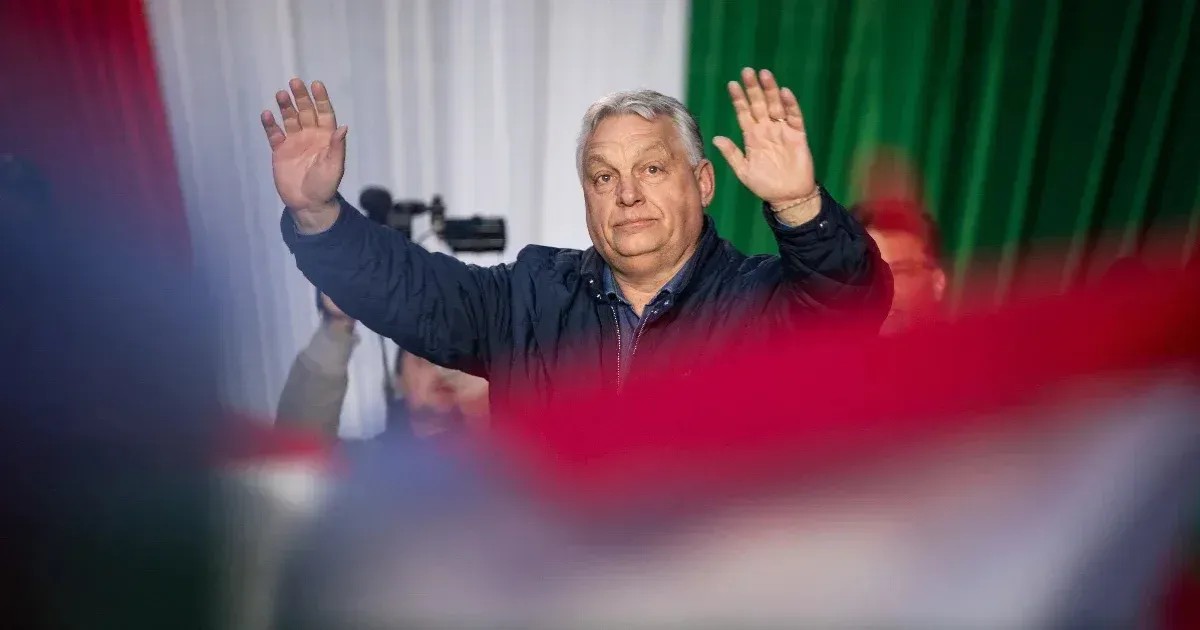
Viktor Orbán at his final pre-election campaign rally outside Budapest in Székesfehérvár on April 10, 2026 – Photo: Dániel István Alföldi / TelexOn Wednesday afternoon, the Tisza Party submitted its first proposal to amend the Fundamental Law.The proposal would limit the length of time a person can serve as prime minister to a maximum of two terms, which would mean that Viktor Orbán could never again serve as head of government.It would also introduce a constitutional provision for the dissolution of the Sovereignty Protection Office.The state would reclaim the founders' rights of the public-interest asset management foundations (KEKVA) which maintain 21 universities, the Mathias Corvinus Collegium (MCC), and other institutions, and the government would even be able to dissolve them. In this case, the assets outsourced to the foundations would be returned to the Hungarian state.The amendment can be adopted by a two-thirds majority of parliament and will come into effect immediately after its promulgation.It was one of Péter Magyar’s main campaign promises that if they were to win the election, the Fundamental Law would be modified to limit the prime minister’s term to a maximum of two as well as that the amendment about this would apply retroactively, i.e. to Viktor Orbán as well. They kept their promise, as this is precisely what's included in the Tisza Party’s first proposal for amending the Fundamental Law, which was submitted by two of the party's MP's, Márton Melléthei-Barna and István Hantosi, who chairs the Committee on Justice and Constitutional Affairs.The current legislation stipulates that the Prime Minister is elected by the Parliament, upon the recommendation of the President of the Republic. This would now be supplemented with the following paragraph:“A person who has served as prime minister for a total of at least eight years—including any interruptions—may not be elected prime minister. In calculating this eight-year period, any tenure as prime minister which began on or after May 2, 1990, must be taken into account.”Later on, the proposal also states that the prime minister’s term in office shall end when “he has held the office of prime minister for a total of at least eight years.”Until now, there has been no restriction on the number of terms a Prime Minister can serve; Viktor Orbán has led Hungary for a total of five terms since 1998.Another provision of the bill would establish the constitutional grounds for dismantling the Sovereignty Protection Office, which was established in 2023. Fidesz previously enshrined it in the Fundamental Law that “the protection of Hungary’s constitutional identity and Christian culture is the duty of every state body” and that the protection of the country’s constitutional identity is the responsibility of an independent body established by a cardinal law. The Tisza Party would now simply repeal this section, and once the amendment to the Fundamental Law has been adopted, all that would remain would be to repeal the 2023 Act establishing the Sovereignty Protection Office.The third point of the proposed package relates to public-interest asset management foundations performing public tasks (known as KEKVAs). In 2020, the Fidesz majority in Parliament inserted the following into the Fundamental Law: “The establishment, operation, and dissolution of public-interest asset management foundations performing public tasks, as well as the performance of their public tasks, shall be governed by a cardinal law.” It was based on this that they later passed the law which transferred the maintenance of most of Hungary’s higher education institutions and other state-owned institutions to such foundations. Since then, twenty-one Hungarian universities have been managed by foundations, as has the Mathias Corvinus Collegium (MCC), which was developed during the Orbán administrations.The bill would stipulate thatthe assets of a public-interest asset management foundation performing public functions shall be considered national assets.According to the proposal, the government would exercise the founders’ rights of these foundations and would even be able to dissolve them. “The legal successor of all public-interest asset management foundations performing a public function which has been dissolved is the state."According to the reasoning, the outsourcing of public assets and of founders’ rights was “the result of the abuse of legislative power.” According to the initiators of the amendment, it “makes it clear that although public-interest asset management foundations performing public tasks are private operators, and their assets are national assets,” and, in order to establish democratic control over the governing bodies of these foundations, it also stipulates that the government, rather than the foundation’s board of trustees, shall exercise the founder’s rights.“The government, acting on behalf of the state, may at any time decide to dissolve a public-interest asset management foundation which performs a public function. Legal certainty and the protection of creditors’ interests demand that it be enshrined in the Fundamental Law that the Hungarian state is the universal legal successor of a public-interest asset management foundation performing public tasks that is dissolved in this manner,” the explanatory memorandum reads.Parliament is scheduled to convene next week and they may begin discussing the bills submitted on Wednesday as early as that time. The Fundamental Law can be amended by a two-thirds majority of Parliament and takes effect the day after its promulgation.“The government, acting on behalf of the state, may at any time decide to dissolve a public-interest asset management foundation which performs a public function. Legal certainty and the protection of creditors’ interests demand that it be enshrined in the Fundamental Law that the Hungarian state is the universal legal successor of a public-interest asset management foundation performing public tasks that is dissolved in this manner,” the explanatory memorandum reads.Parliament is scheduled to convene next week and they may begin discussing the bills submitted on Wednesday as early as that time. The Fundamental Law can be amended by a two-thirds majority of Parliament and takes effect the day after its promulgation.The current proposal is the sixteenth amendment to the Fundamental Law, which was adopted in 2011. At his press conference last week, Péter Magyar said that the Fundamental Law would be amended on several points in the near future, before a comprehensive, multi-year constitutional process would get underway, culminating in the new constitution being ratified by a referendum. Fidesz’s two-thirds majority voted in favour of the fifteenth amendment to the Fundamental Law last April. At the time, the text was modified to state that a person is either male or female, that the use and distribution of drugs is prohibited, and that the protection of children takes precedence even over the right to freedom of assembly. The amendment allowed for the suspension of a person's Hungarian citizenship, and allowed the police to ban Pride.For more quick, accurate and impartial news from and about Hungary, subscribe to the Telex English newsletter!
Viktor Orbán could never be prime minister again–Tisza Party tables first amendment to Fundamental Law
One would only be allowed to serve as Hungary’s prime minister for a maximum of eight years. A new amendment also paves the way for the dissolution of the Sovereignty Protection Office, and for the state to reclaim the founding rights of the public-interest asset management foundations which maintain the majority of Hungarian universities.
1,111 words~5 min read