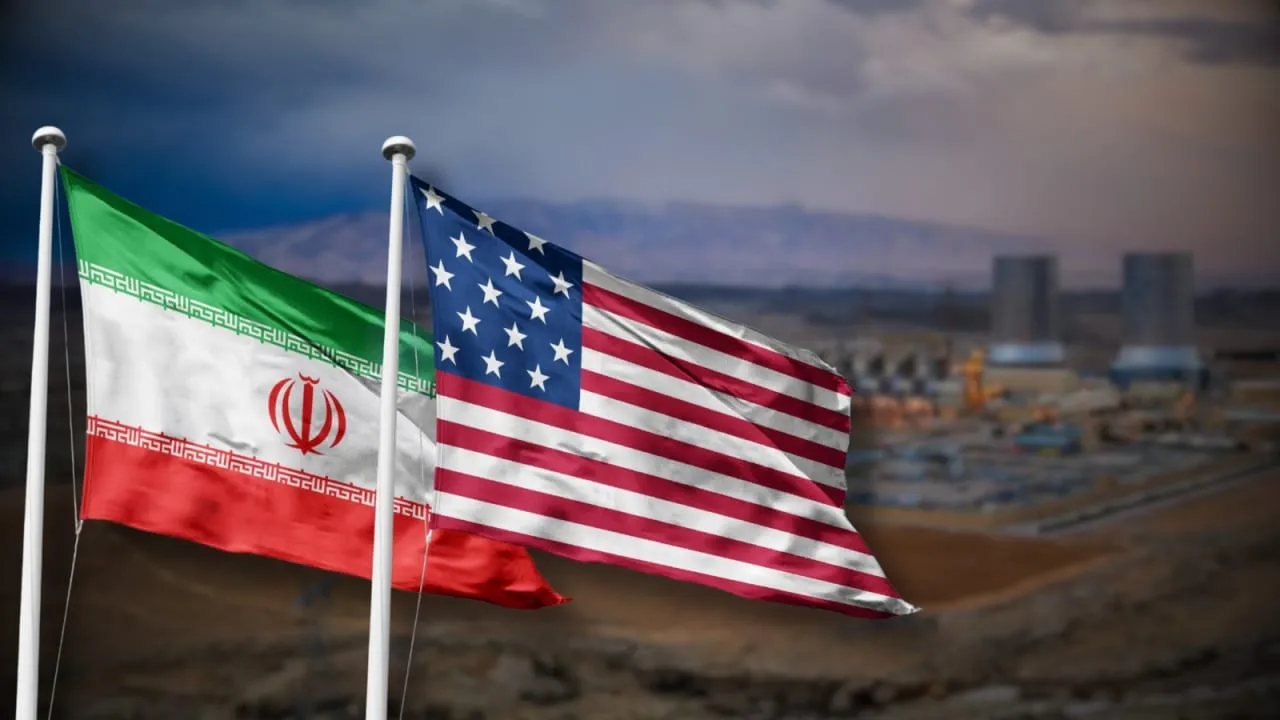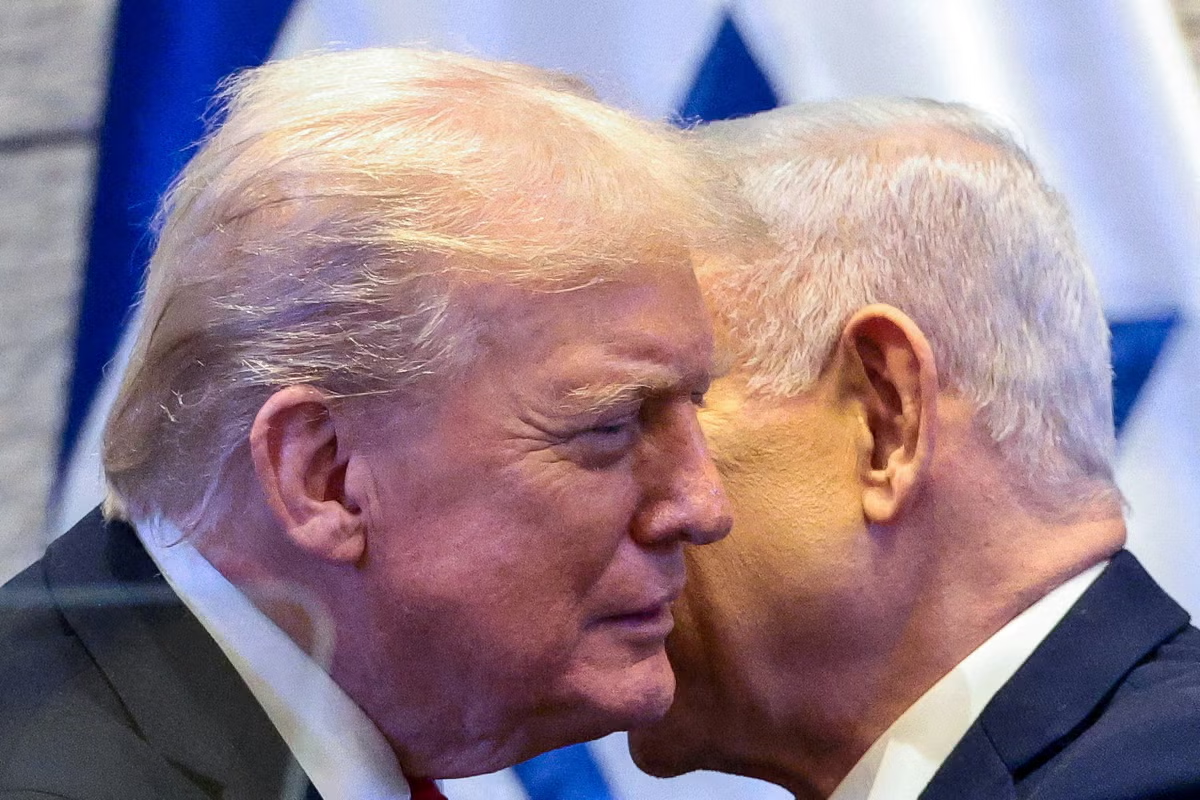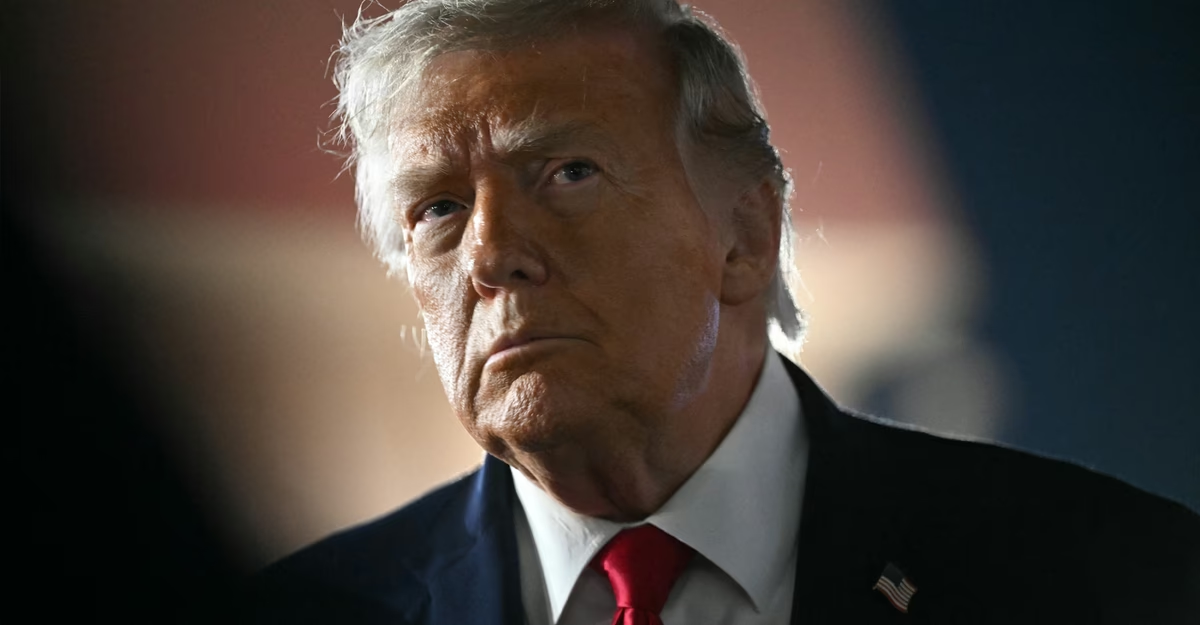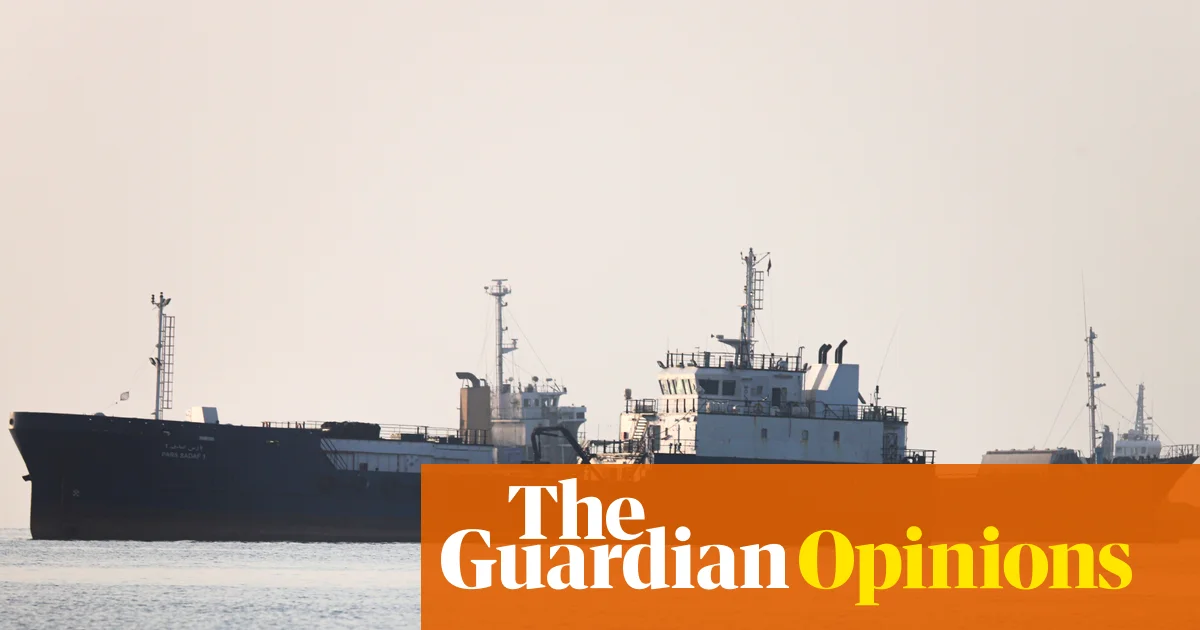
The US-Iran agreement to halt fighting for 60 days is welcome, because even cynical diplomacy is better than war. But Donald Trump should not be allowed to call this a triumph. He has bought a pause after an illegal war of choice that failed to secure its declared aims, devastated Iran, destabilised Lebanon and sent shocks through energy and fertiliser markets, leaving many people poorer and hungrier. A campaign launched to display US military strength is likely instead to be remembered for demonstrating its limits.A deal with Iran is better than war with Iran. But the US president is hailing as victory the partial easing of a crisis that he, and Israel’s Benjamin Netanyahu, helped create. The measure of success will not be the reopening of the strait of Hormuz, which war had closed, but whether the next two months produce a verifiable nuclear settlement and put out the flames fanned by the US-Israel attacks.If that fails, the war will not look like the prelude to peace. It will confirm to every Gulf monarchy, oil trader and military planner that Iran has a chokehold over the global economy. This episode may belong in future histories of US decline because it exposes the gap between American military capability and American strategic control. That is why Mr Trump wants to present Iran’s position as submission. Tehran sees something else: a case for compensation, sanctions relief and leverage over Hormuz. The final agreement, if it happens, will depend on which story wins out.A wall painting of Iran’s national flag on a street in Tehran. Photograph: Abedin Taherkenareh/EPALeaked drafts revealed competing narratives of what has been agreed. US officials told Reuters that the unfreezing of assets and the lifting of trade restrictions would be conditional on Tehran’s compliance, while Iranian sources say the draft includes oil waivers, the release of frozen funds and a halt to hostilities on all fronts, including Lebanon. The first test of Mr Trump’s Iran deal is not whether he can announce it, but whether he can enforce it on America’s friends as well as its enemies. Defiance from the Israeli cabinet, and reports of lethal drone attacks in Israeli-occupied parts of Lebanon, suggest its leadership is a reluctant participant in peace.Mr Trump is negotiating over a nuclear programme once contained by the Obama-era deal that he ripped up, while trying to reopen a strait closed by a war he chose to start. The 2015 accord cut Iran’s uranium stockpile by 98%, capped enrichment at 3.67% (significantly below bomb-ready), imposed monitoring and offered sanctions relief – all without war.Mr Trump now seeks a version of that after a conflict that has killed thousands of civilians and exposed US vulnerability. The irony is that Iran had offered better nuclear terms before 28 February. Mr Trump gambled that decapitating Tehran’s leadership would win him more. Instead, he has ended up with less.The US president is trying to hide the difference with bluster. In a revealing interview with the New York Times on his 80th birthday, he claims that he has forced Iran into a nuclear climbdown and turned America into the paid guardian of the Gulf. Iran has a very different view, believing that it has proved the price of excluding it from the Middle East’s order, and that reopening the strait of Hormuz is a concession for which Washington must pay. Between those two interpretations lies the next crisis.
The Guardian view on Donald Trump’s Iran deal: a pause is not a triumph | Editorial
Editorial: The US-Iran ceasefire is welcome. But the US president is trying to disguise a failed war of choice as a diplomatic victory
607 words~3 min read